



Unleashing Potential: A Report on Dr. Hattonyar's 2026 Event in Tokyo
Unlocking Future Possibilities: Dr. Hattonyar's Institute 2026 Event Report
In an impressive demonstration of interest, the Unconscious Bias Research Institute (Tokyo Minato, Director: Tomonori Moriya) teamed up with the Tokyo Metropolitan Government to host a free event targeting elementary school children, titled "Dr. Hattonyar's Institute 2026 in Tokyo" on August 5, 2026.
A Successful Collaboration
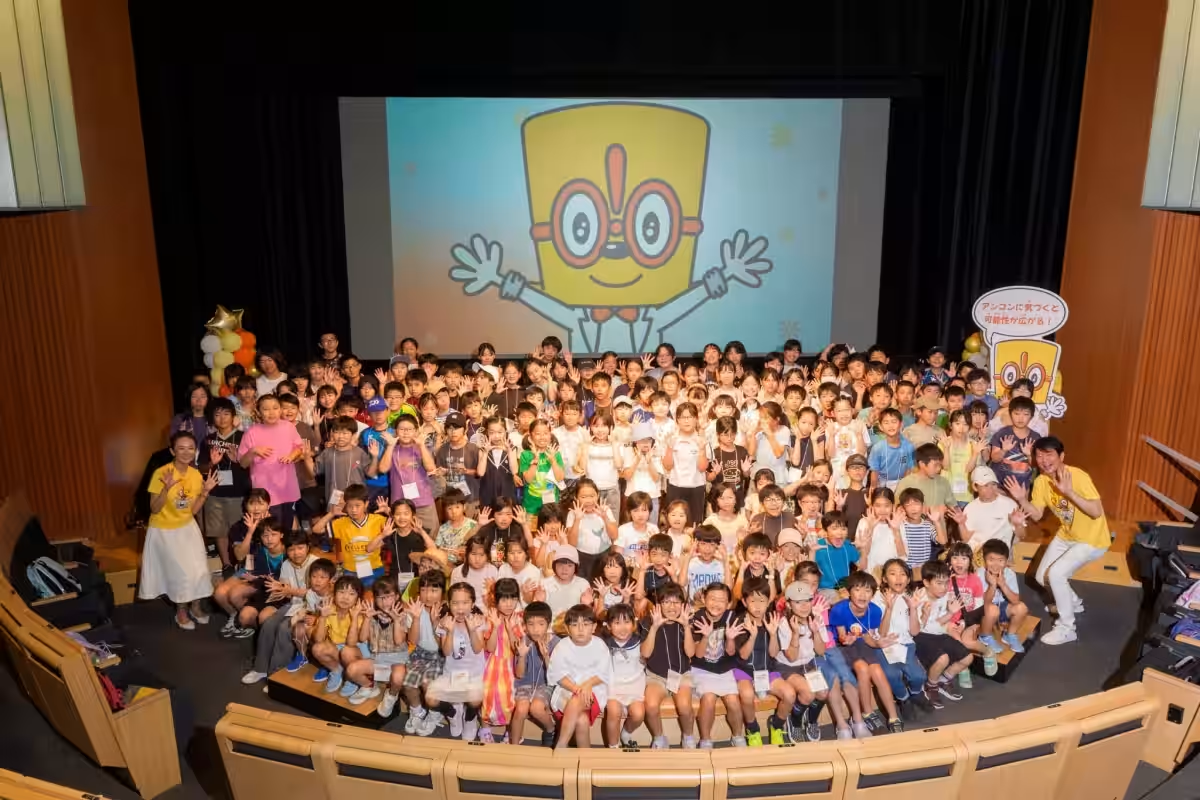
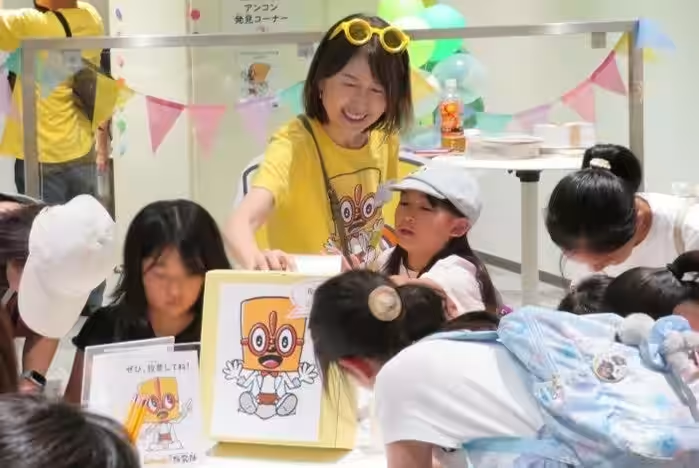
This event marks the third edition since its inception in the summer of 2024 and is notably the first collaboration with Tokyo's government. With an overwhelming number of applications exceeding 2800, the event had a highly successful turnout, welcoming 283 children along with their parents and educators, culminating in a total participation count of around 550. Conducted in two segments, the day was filled with enlightening experiences designed to help children recognize and reflect on unconscious bias, sparking moments of revelation characterized by joyful expressions.
Highlights of Dr. Hattonyar's Institute
The event's primary goal was to provide opportunities that would expand children's potential. To achieve this, five supportive companies sponsored activities intended to introduce the concept of unconscious bias to the young minds. Numerous “Aha!” moments were generated as participants engaged in activities that encouraged them to challenge self-imposed limits and embrace an awareness of alternative perspectives.
A Journey of Discovery
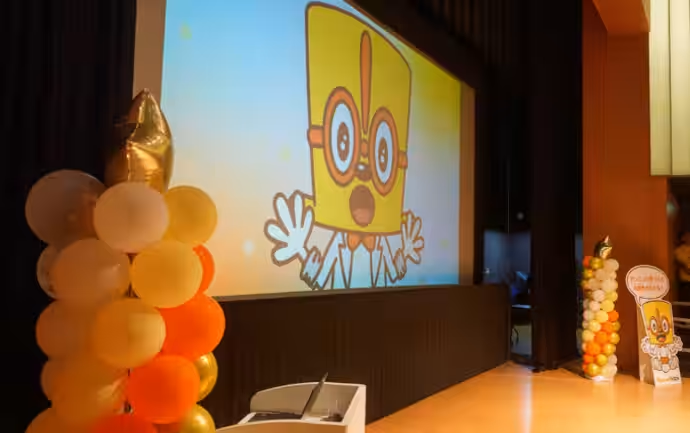
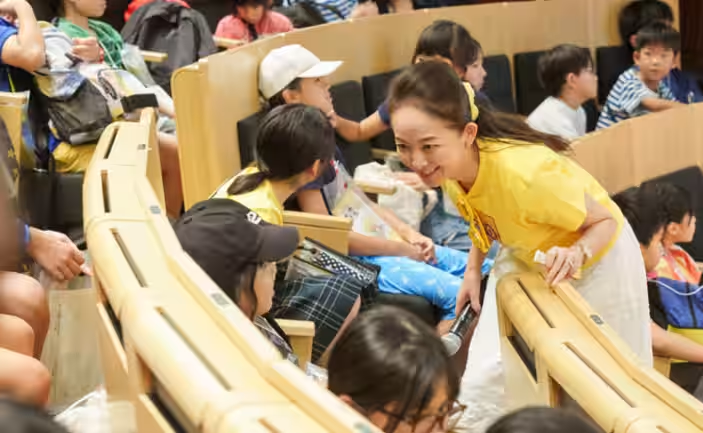
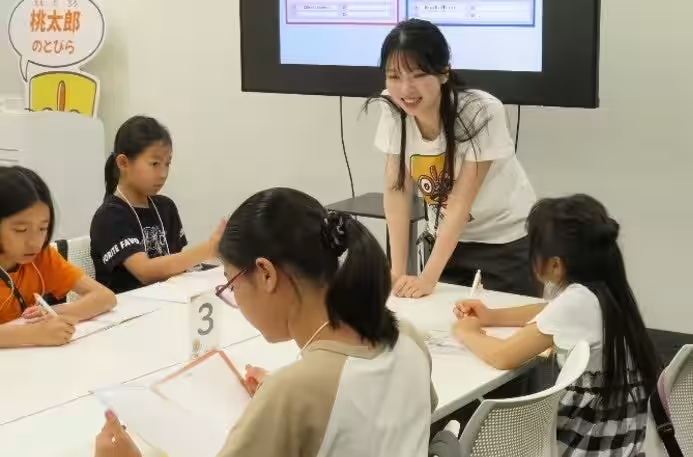
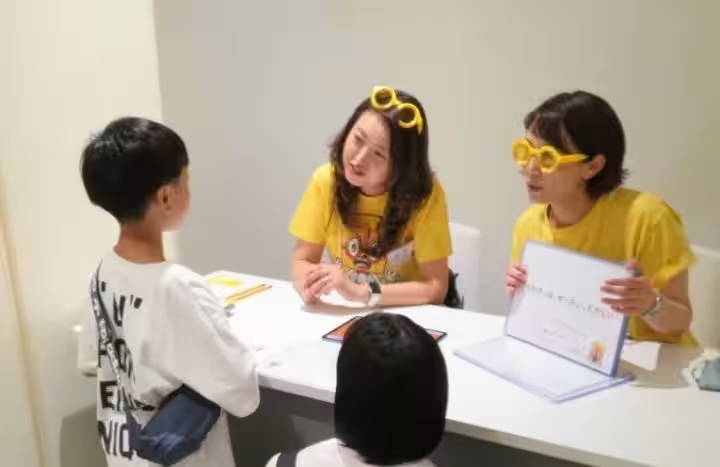
1. Dr. Hattonyar's Room: Upon arrival, the children were welcomed by Dr. Hattonyar, who introduced them to the concept of unconscious bias, guiding them in exploring two doors after drawing lots. The students enthusiastically shared their findings and realizations regarding their biases.
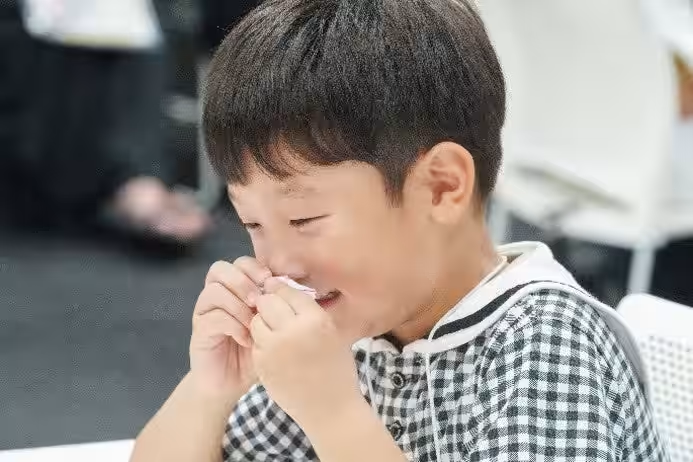
2. Candy Door: Created by Morinaga & Company, this segment provided a delicious exploration into perceptions through taste. Children sampled two special types of Hi-Chew candy, comparing the flavors they anticipated based on looks versus the flavors they discovered, thereby uncovering their own biases surrounding assumptions based on appearance.
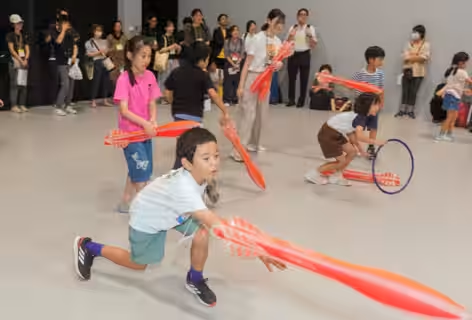
3. Potential Door: Sponsored by Mizuno Corporation, this activity involved tossing paper rockets in pairs. Initially skeptical, children learned to support one another through cooperative practice, thus redefining their notions of what they believed they could achieve.
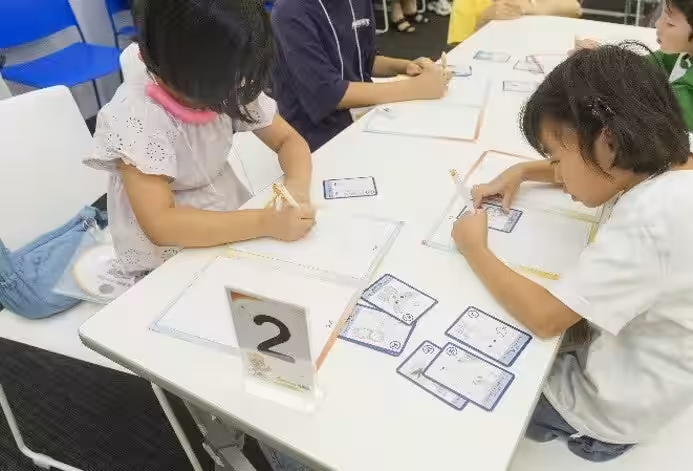
4. Karta Door: Facilitated by Panasonic Industry, children enjoyed games that explored biases in daily contexts, fostering discussions about personal biases discovered through the activities.
5. Momotaro Door: Featuring a creative lesson by renowned authors, participants reflected on the traditional tale of Momotaro, questioning narratives from alternative viewpoints which empowered them to consider perspectives beyond their own.
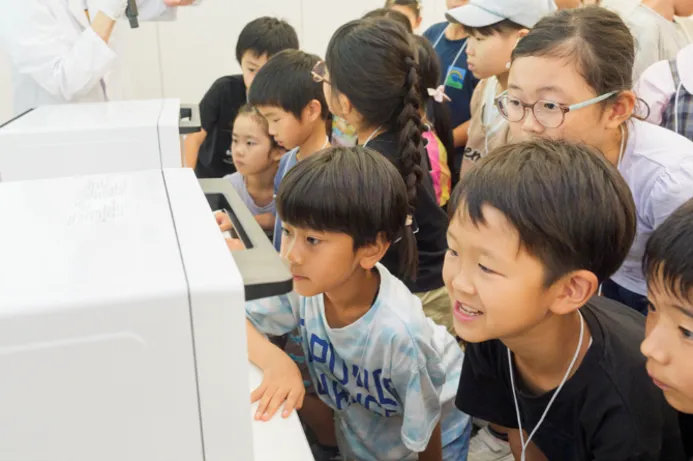
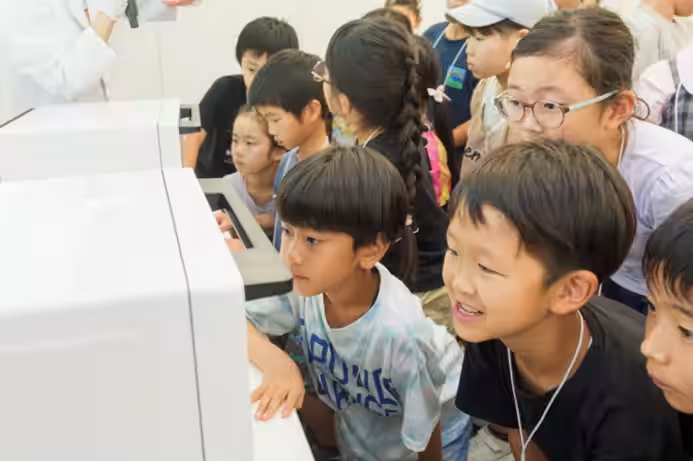
6. Freezing Door: Conducted by Nichirei Corporation, this segment sparked fascination by revealing the science behind freezing, surprising participants with unexpected outcomes and expanding their understanding of bias through scientific inquiry.
Previous Participants Share Insights
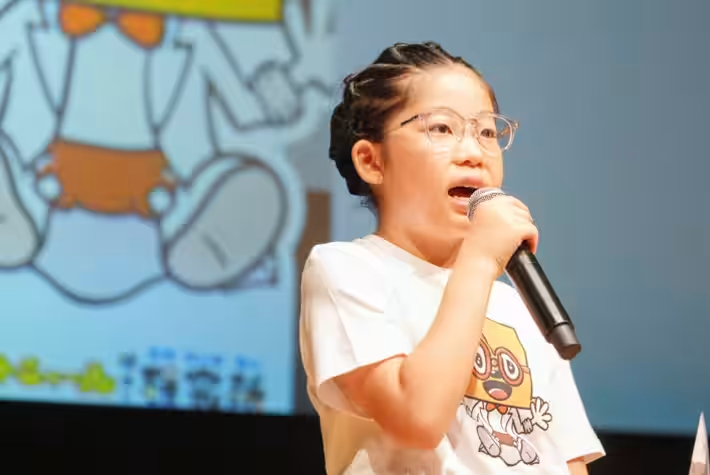
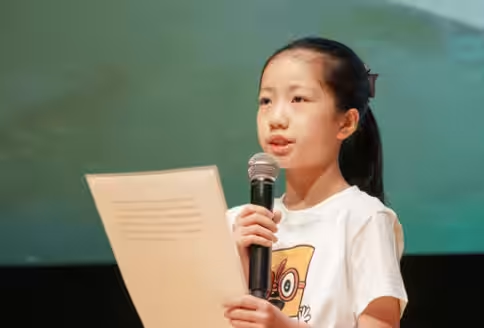
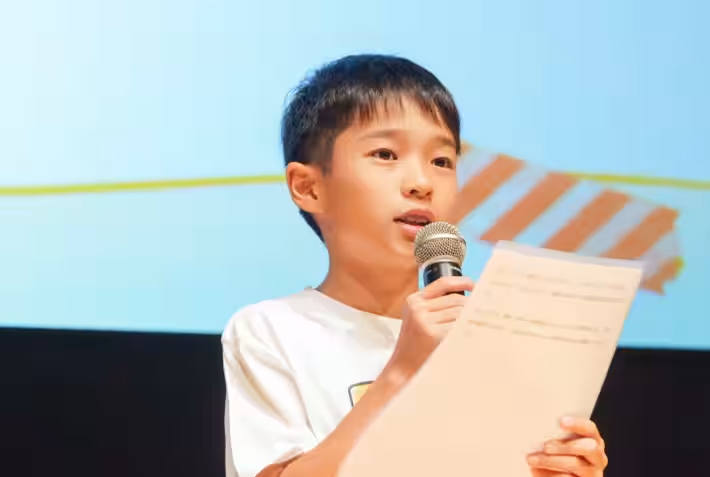
Participants from past events also contributed to the discussions, sharing how their initial encounters with the concept of unconscious bias had profoundly shaped their personal development.
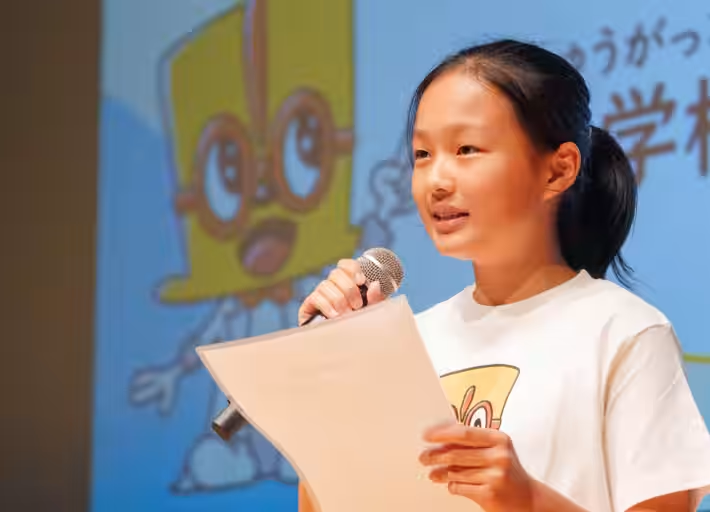
- - Reika Oobayashi, now a sixth-grader, reflected on her misconception about leadership roles in cheerleading, realizing after attending that age does not determine capability.
- - An Ginas overcame her hesitation with swimming, learning to approach challenges with renewed confidence due to the awareness she gained during the earlier sessions.
Seminars for Guardians and Educators
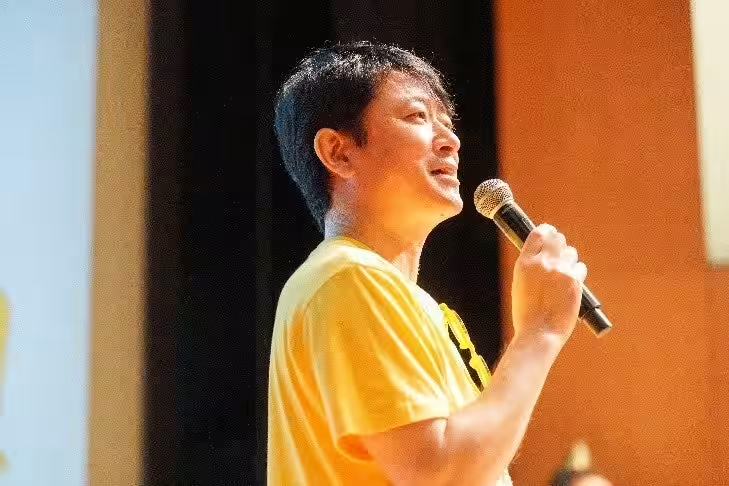
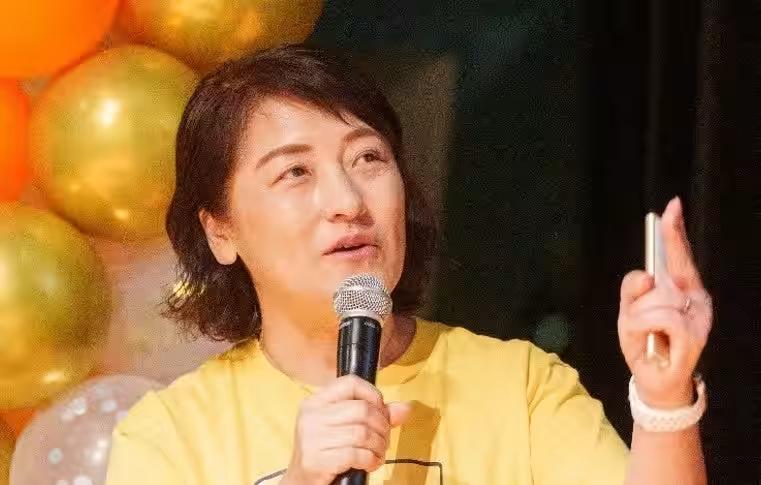
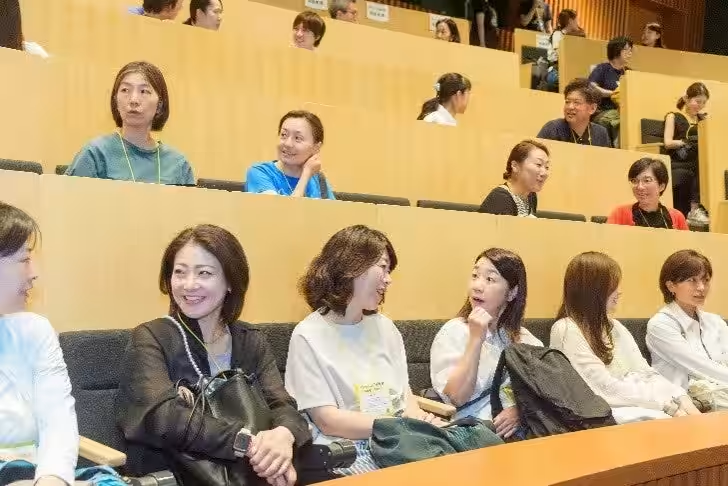
This year marked a groundbreaking moment as the event introduced a seminar aimed at guardians and educators. Tomonori Moriya’s keynote address emphasized the impact of implicit biases held by adults and how these can influence children’s beliefs and aspirations. Educators shared transformative experiences from their classrooms, revealing the pivotal role of openness in fostering a supportive environment for discovery.
Over 470 attendees engaged in discussions, recognizing their own biases and committing to nurture children’s innate potentials. The event significantly engaged both parents and children, and the feedback underlined the valuable opportunity this collaborative learning provided.
Vote for the Best Karta
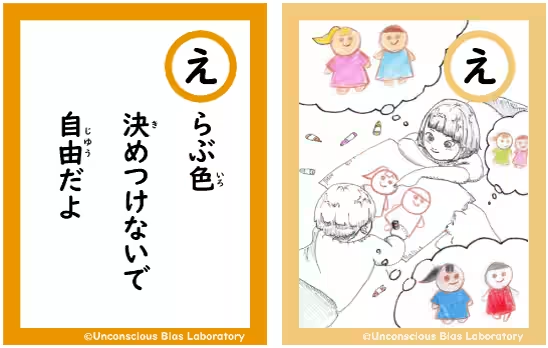
The event featured an exhibition that allowed almost 470 participants to vote for their favorite Karta creations. The top choice was a card advocating for individual freedom of expression, highlighting the strong communal sentiment towards acceptance of diversity in opinions and preferences.
Conclusion: A Look Ahead
The overwhelming response to the event's offerings revealed a strong public interest in unconscious bias education. Plans for future educational programs and the introduction of workshops aimed at expanding this important dialogue into schools across various municipalities are ongoing. Upcoming events are slated for places like Toyama Prefecture this autumn, aiming to nurture an environment that encourages discovery, awareness, and unity among children.
For more information and resources on unconscious bias, visit the Unconscious Bias Research Institute.
Topics People & Culture)
【About Using Articles】
You can freely use the title and article content by linking to the page where the article is posted.
※ Images cannot be used.
【About Links】
Links are free to use.