




Understanding Information Gathering Habits Among Younger Generations in Japan
Insights on Information Gathering Among Youth in Japan
In September 2025, Cross Marketing conducted a comprehensive survey focusing on the information-gathering behaviors of individuals aged 18 to 79 across Japan. This study, encompassing 3,000 participants, sought to capture shifts in lifestyle and attitudes about gathering information.
Key Findings
Attitudes Towards Information Gathering
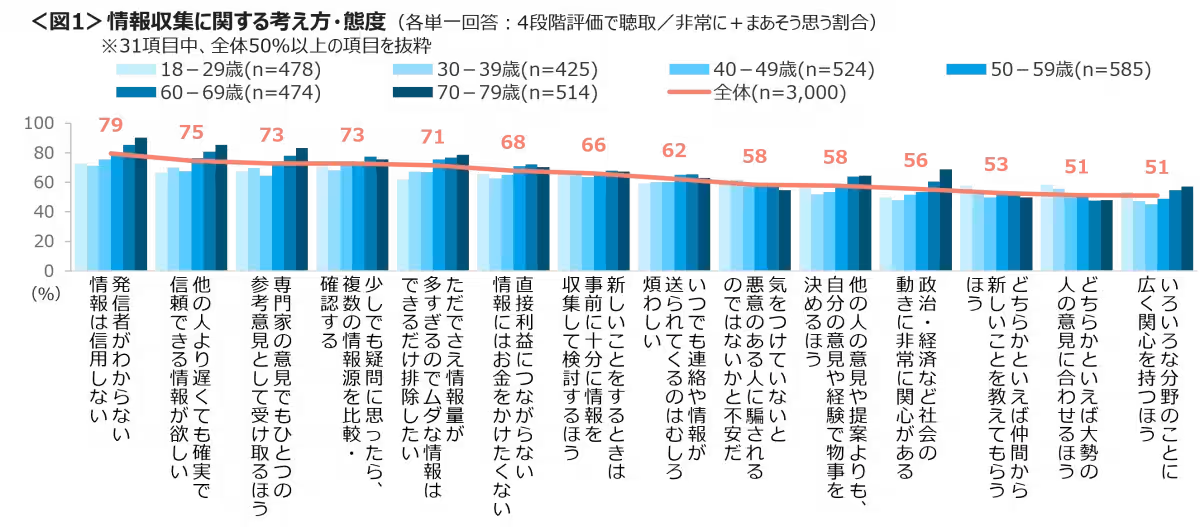
Participants were asked their views on information reliability and their habits regarding information gathering. A significant portion agreed that they do not trust information from unknown sources. Two-thirds emphasized the desire for reliable, secure information, even if it means being slower to respond than others. This trend was particularly marked in older age groups. Additionally, around 70% indicated that they consider expert opinions as just one among many insights and prefer to compare information from multiple sources to eliminate doubt. The sheer volume of information available led many to express a desire to filter out unnecessary data effectively.
Trustworthiness of Information Sources
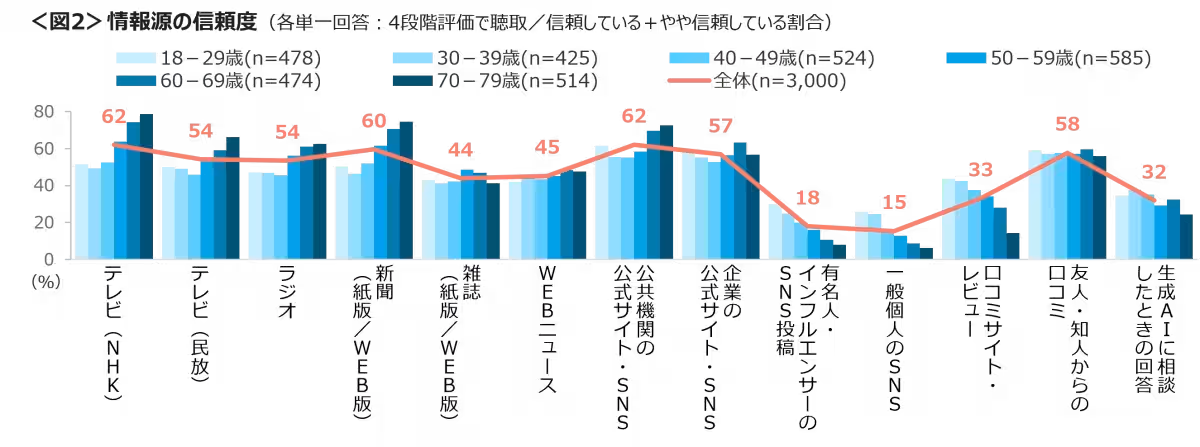
Respondents rated trust levels across 13 different sources. Public institution websites and NHK, a prominent television network, topped the list with a trust level of 62%. Newspapers, both printed and online, followed closely with 60%. In contrast, the trust in social media posts from general individuals, as well as celebrities and influencers, was notably low, with fewer than 20% expressing confidence in these sources. However, younger individuals displayed a slightly higher trust in reviews and recommendations from peers.
Sensitivity to New Products and Information Dissemination
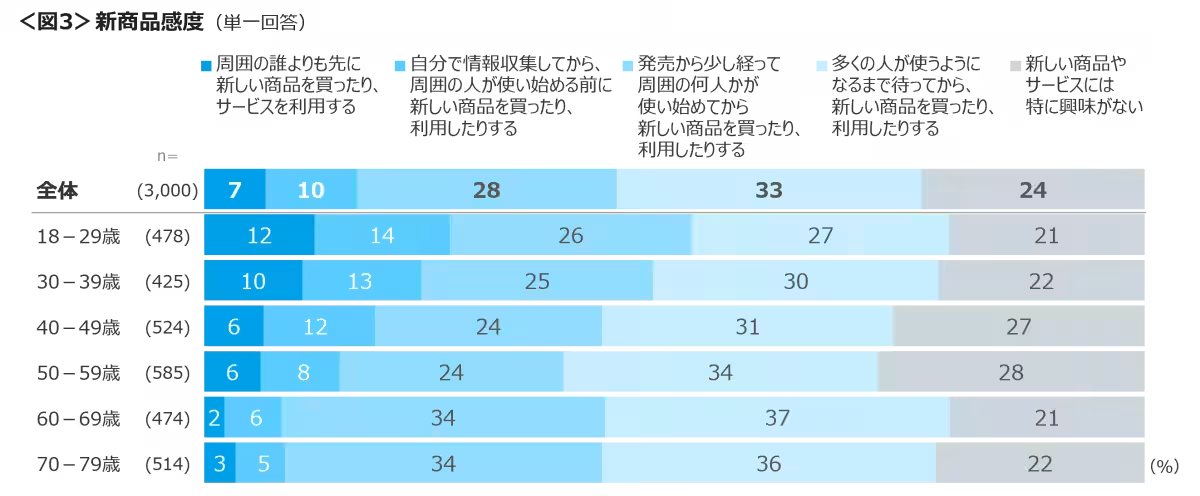
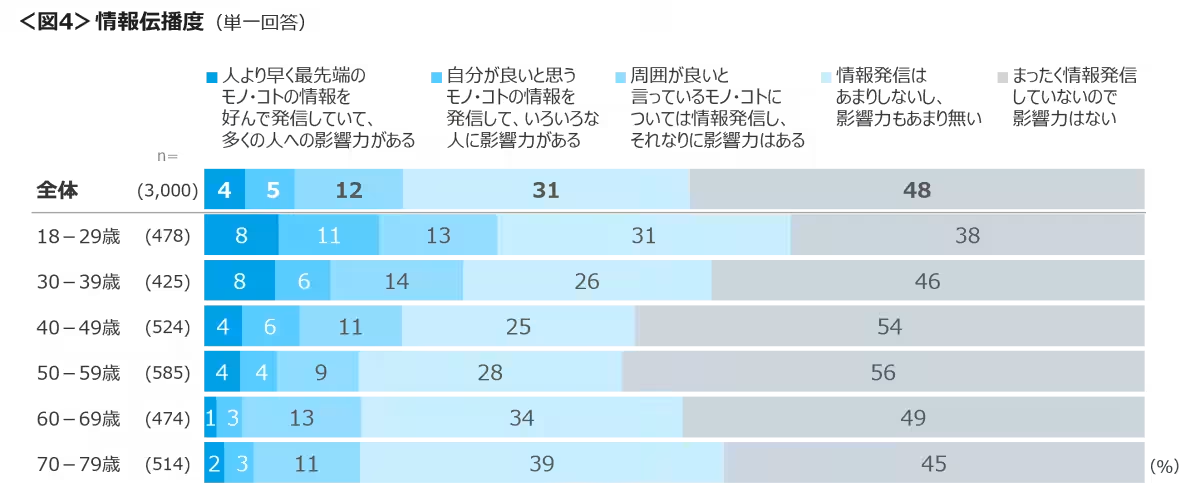
The survey revealed that 33% of respondents prefer to wait until a newly launched product is widely adopted before making a purchase. Interestingly, younger generations, particularly those aged 18-29 and those in their 30s, tend to be more proactive, showing a significant inclination to be among the first to use new products. Despite this proactive approach, 48% of the total participants felt they hold little influence when disseminating information, with only about 30% of younger respondents admitting to having a considerable impact.
Internet Usage Patterns
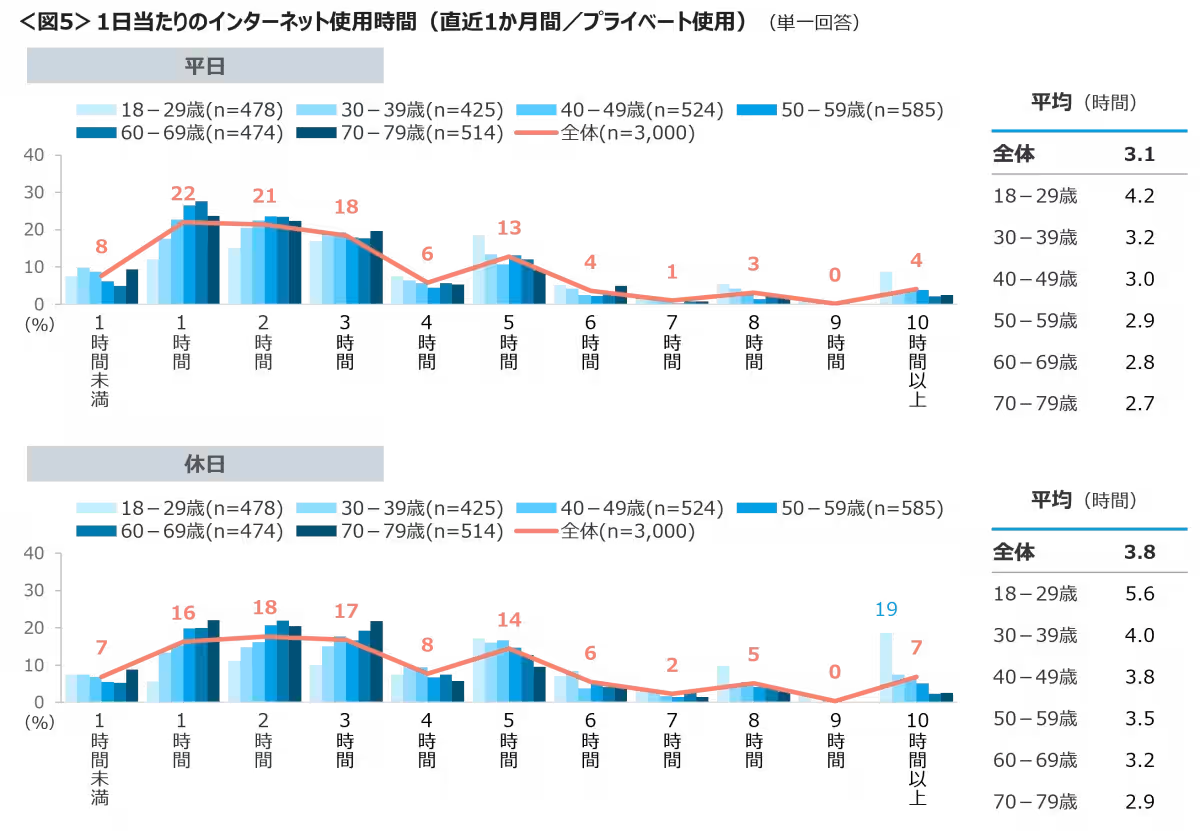
The report also uncovered startling insights regarding internet usage. On weekdays, individuals spent an average of 3.1 hours online, while weekends saw this figure rise to 3.8 hours. Younger generations—the 18-29 age group—stood out significantly, with their weekday internet usage averaging around 5 hours, soaring to over 10 hours during weekends. This highlights a marked difference from older demographics.
Comprehensive Report Overview
- - Survey method: Online research.
- - Regions covered: All 47 prefectures of Japan.
- - Demographics: 3,000 respondents aged 18-79.
- - Duration: Conducted from September 5 to 6, 2025.
Conclusion
Bearing these findings in mind, it is clear that younger generations in Japan are very conscious of their information sources and exhibit distinct behaviors in how they consume and trust information. Understanding these trends is vital for marketers and content creators aiming to connect with this demographic further.
For detailed data and insights, please refer to the complete report available at Cross Marketing.

Topics Consumer Products & Retail)
【About Using Articles】
You can freely use the title and article content by linking to the page where the article is posted.
※ Images cannot be used.
【About Links】
Links are free to use.