



Essential Safety Tips for Preventing Plug, Cord, and Outlet Accidents
Understanding the Risks of Plug, Cord, and Outlet Accidents
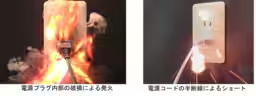
In our daily lives, we often overlook the condition of our electrical appliances, particularly the power plugs and cords. Many people continue using damaged plugs, thinking, “It still works.” However, neglecting these components can lead to severe accidents, including electrical fires. Therefore, it’s essential to inspect your power plugs, cords, and outlets regularly.
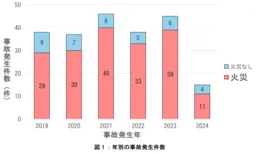
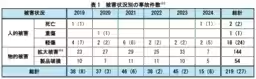
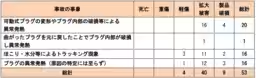
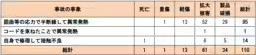
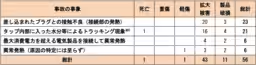
The National Institute of Technology and Evaluation (NITE) has reported that between 2019 and 2024, there were 219 incidents involving plugs, cords, and outlets across various electrical devices. Over 80% of these incidents resulted in fires, primarily caused by the stress on power plugs and cords due to wear and tear. This article provides vital safety tips to help you avoid similar accidents and ensure the safety of your home environment.
Importance of Regular Inspections
When using electrical appliances, it’s crucial to ask yourself: Are my power plugs and cords in good condition? Regular inspections can prevent accidents and ensure your safety. Check the following key points:
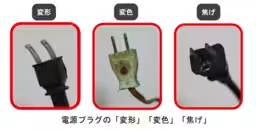
1. Inspect the Power Plug: Look for any signs of damage, deformation, or discoloration. If the power plug shows any of these issues, stop using it immediately and consult the manufacturer.
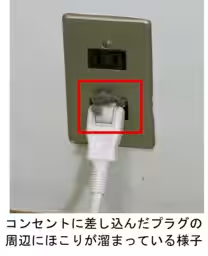
2. Check for Dust Accumulation: Dust can accumulate on the plug and create a hazardous situation leading to shorts or electrical fires. Ensure your plugs are clean and securely inserted into outlets, preventing gaps where dust can gather.
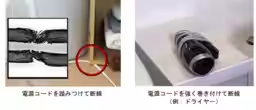
3. Examine the Power Cord: Check for any signs of damage, hardening, or discoloration. Protect your cords from unnecessary stress or bending, which can lead to internal wire breakage.
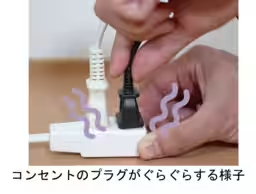
4. Assess your Outlets and Power Strips: When inserting a plug, make sure it fits snugly and securely. If a plug feels loose or wobbles when you check it, it might indicate damage or a poor connection needing immediate attention.
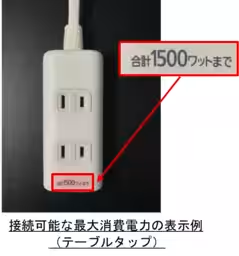
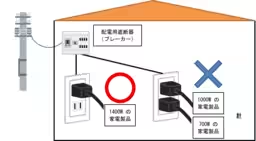
5. Monitor Power Usage: Know the maximum power consumption allowed for your outlets and power strips. Overloading these can cause overheating, leading to fires. Always adhere to the ratings as printed on the device or its packaging.
Yearly Accident Statistics
According to NITE’s report, from 2019 to 2024, 219 accidents involving household electric appliances were recorded, with 182 of these resulting in fires. The statistics indicate that improper handle and maintenance of these devices are major contributing factors to these incidents.
Fire and Personal Injury Risks
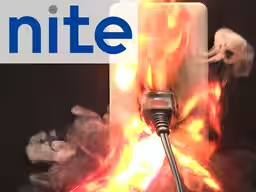
The consequences of electrical accidents are dire, as shown by NITE’s data. Many incidents lead to extensive damage, including structural fires and personal injuries. Even minor problems, like a burnt plug, can escalate into severe issues, emphasizing the importance of regular maintenance and prompt reporting of any abnormalities.
Focused Checkpoints for Safety
To truly ensure your safety, follow NITE’s recommended checkpoints:
- - Inspect Power Plugs: Look for deformities or heating. This can indicate serious risks.
- - Clean Regularly: Ensure all plugs and sockets are free from dust and moisture, using dry cloths for cleaning.
- - Handle with Care: Always pull the plug directly instead of tugging on the cord, which can cause damage overtime.
- - Know the Limits: Understand the current and power limits for your outlets.
NITE SAFE-Lite Tool
For users concerned about electrical safety, NITE has launched the NITE SAFE-Lite tool. This online search functionality allows you to find detailed incident reports or recall information directly associated with specific product names. This resource is invaluable in promoting product safety awareness among consumers. Check it out for more information: NITE SAFE-Lite Tool
Conclusion
With the ongoing reports of electrical accidents, it’s clear that awareness and precaution are crucial. By implementing the above safety measures and regularly inspecting your appliances, you can significantly reduce the risk of accidents in your home. Stay informed and prioritize your safety around electrical devices.


Topics Consumer Products & Retail)
【About Using Articles】
You can freely use the title and article content by linking to the page where the article is posted.
※ Images cannot be used.
【About Links】
Links are free to use.