



New Survey Reveals Challenges Facing Talent Management System Adoption
Challenges in Talent Management System Adoption
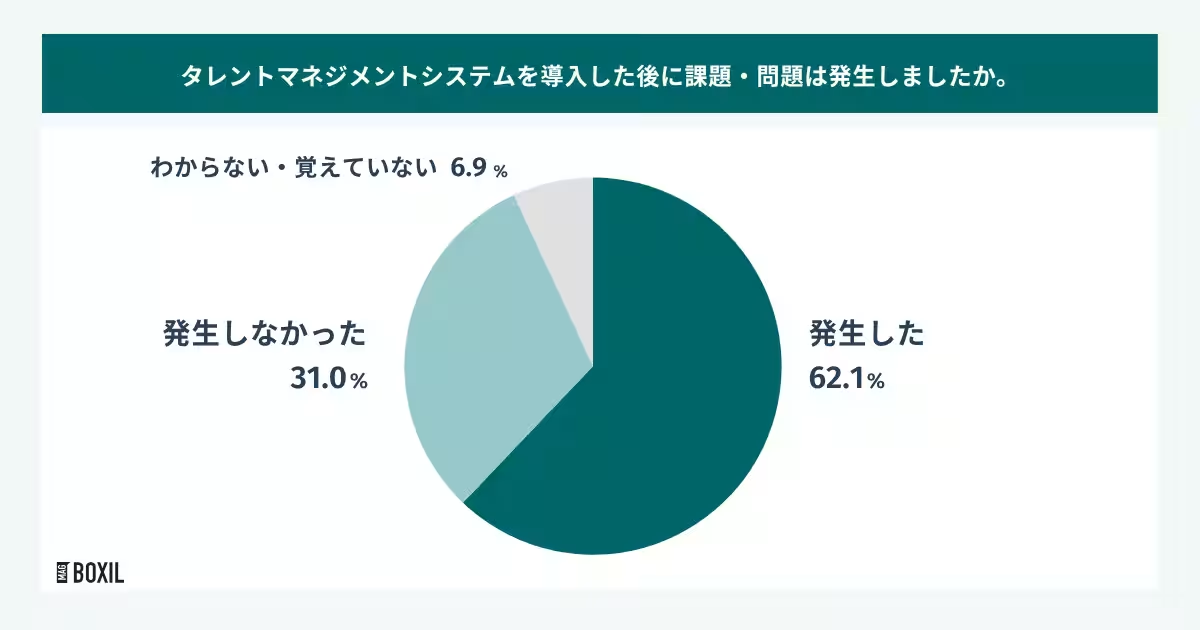
In a recent survey conducted by Smartcamp, the operator of the SaaS comparison site BOXIL, significant challenges have surfaced regarding the implementation of talent management systems. Targeting 1,771 professionals involved in these systems, the survey investigated post-adoption issues, unveiling a staggering 62.1% of companies reported encountering obstacles. This statistic indicates that the journey to successfully integrate talent management systems is fraught with difficulties, confirming that many organizations struggle to realize their intended benefits.
Key Findings of the Survey
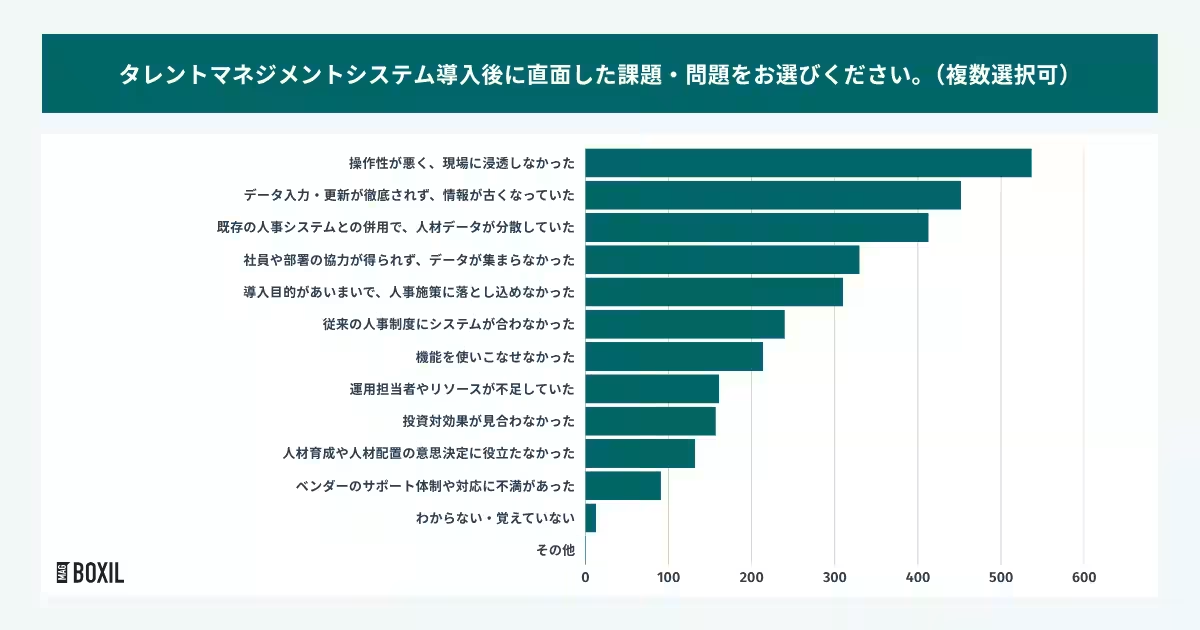
The primary issue reported by nearly 48.8% of respondents was poor operability leading to failure in integrating the system into everyday practice. Following closely, 41.1% mentioned that inadequate data entry and updates had resulted in outdated information, while 37.5% faced challenges due to fragmentation of talent data caused by using multiple existing HR systems. Notably, 30.0% struggled with departmental cooperation, hampering effective data collection and nervous responses like unclear implementation goals affected 28.2%.
The findings highlight that many organizations not only had problems with user adoption but also faced hurdles in establishing clear operational procedures and data management protocols. The successful use of these systems fundamentally relies on having a robust structure for entering and maintaining data.
Points of Emphasis for Successful Adoption
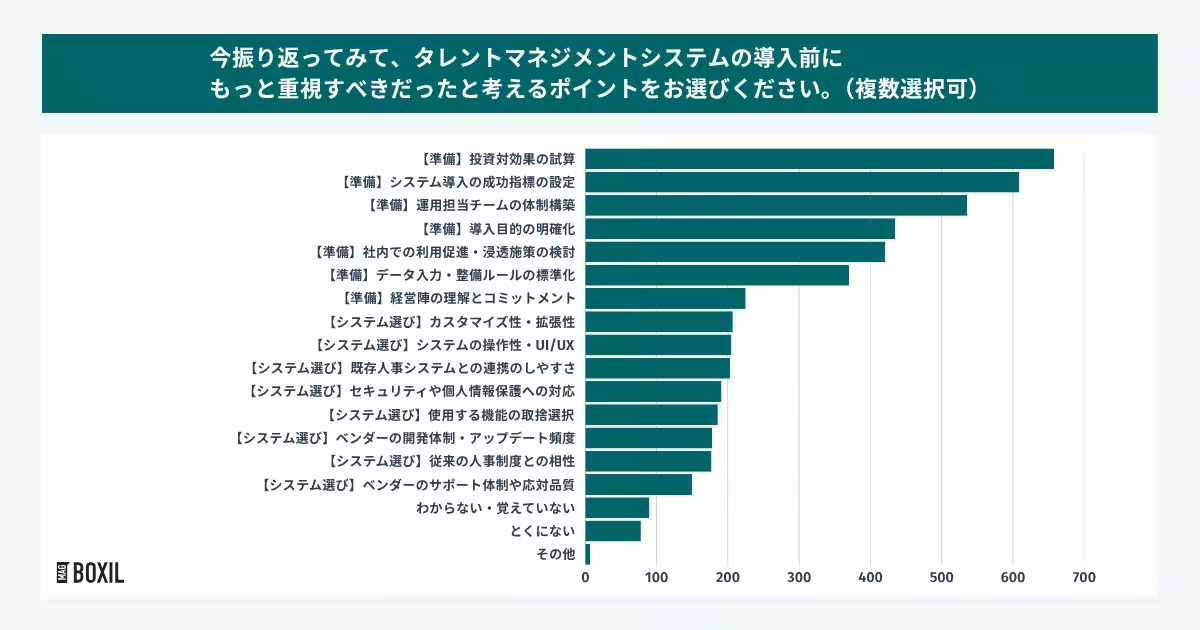
When asked about what aspects should have been prioritized before implementing the systems, 37.2% of participants emphasized the importance of calculating the return on investment (ROI), which reflects the necessity of a clear financial justification prior to significant expenditures. Subsequently, 34.4% noted the establishment of success metrics for system integration, while 30.3% underscored the need for structured operational teams to effectively manage these new tools.
An important conclusion drawn from the survey results is that preparation for operational deployment is more crucial than merely selecting the right system. This insight suggests that organizations should provide thorough training and support to ensure that employees can fully utilize the new systems. Adequate planning around user adoption strategies is equally as important as the technical capabilities of the chosen software.
Recommendations for Future Implementations
The commonality of the challenges faced by organizations often stems from unclear objectives and insufficient groundwork for system operations. It’s vital that companies clarify their operational goals before launching a talent management system, alongside formulating thorough guidelines for data entry and management, ensuring a more seamless integration.
BOXIL serves not just as a comparison platform for talent management systems but also explores a variety of other SaaS solutions including HR Management Systems, Performance Evaluation Systems, and Skill Management Systems. For organizations looking to optimize their processes, BOXIL provides crucial insights tailored to their needs.
Additional Resources
To explore further insights regarding talent management systems or to find comparative evaluations of various frameworks, visit the following resources:
- - Comparison of Talent Management Systems
- - HR Management Systems Comparison
- - Performance Evaluation Systems Comparison
- - Skill Management Systems Comparison
As technology continues to evolve, organizations must adapt their strategies and tools. Successful talent management system implementation hinges on careful planning, user engagement, and consistent data practices, ensuring that enterprises can truly capitalize on their investments and enhance organizational productivity.
Topics Business Technology)
【About Using Articles】
You can freely use the title and article content by linking to the page where the article is posted.
※ Images cannot be used.
【About Links】
Links are free to use.