



Exploring the Benefits of AI in the Workplace and Office Spaces for Effective Communication
The Impact of AI on Workplace Efficiency and Communication
In a recent survey conducted by Urban Plan, a company based in Tokyo, Japan, insights were gathered on how AI is enhancing productivity and communication within office environments. Targeting employees in their 20s to 50s, the survey aimed to understand the relationship between AI and office space in promoting creative communication.
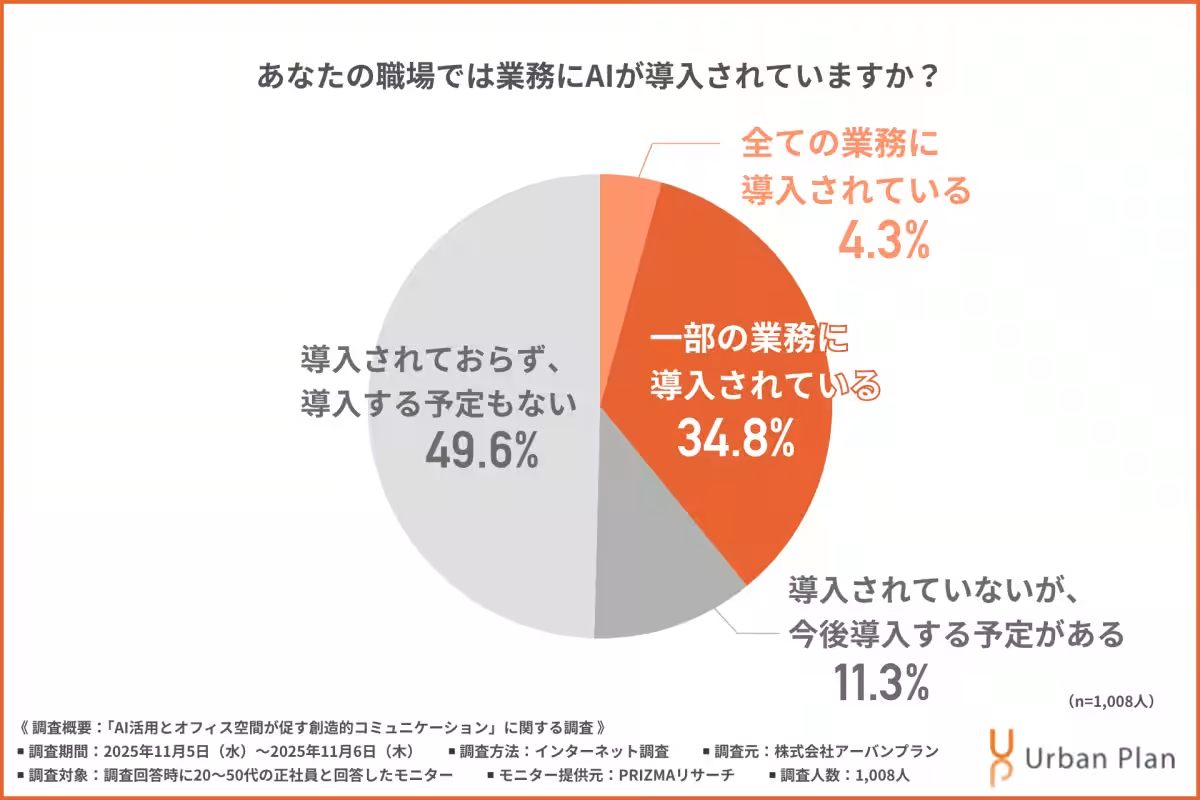
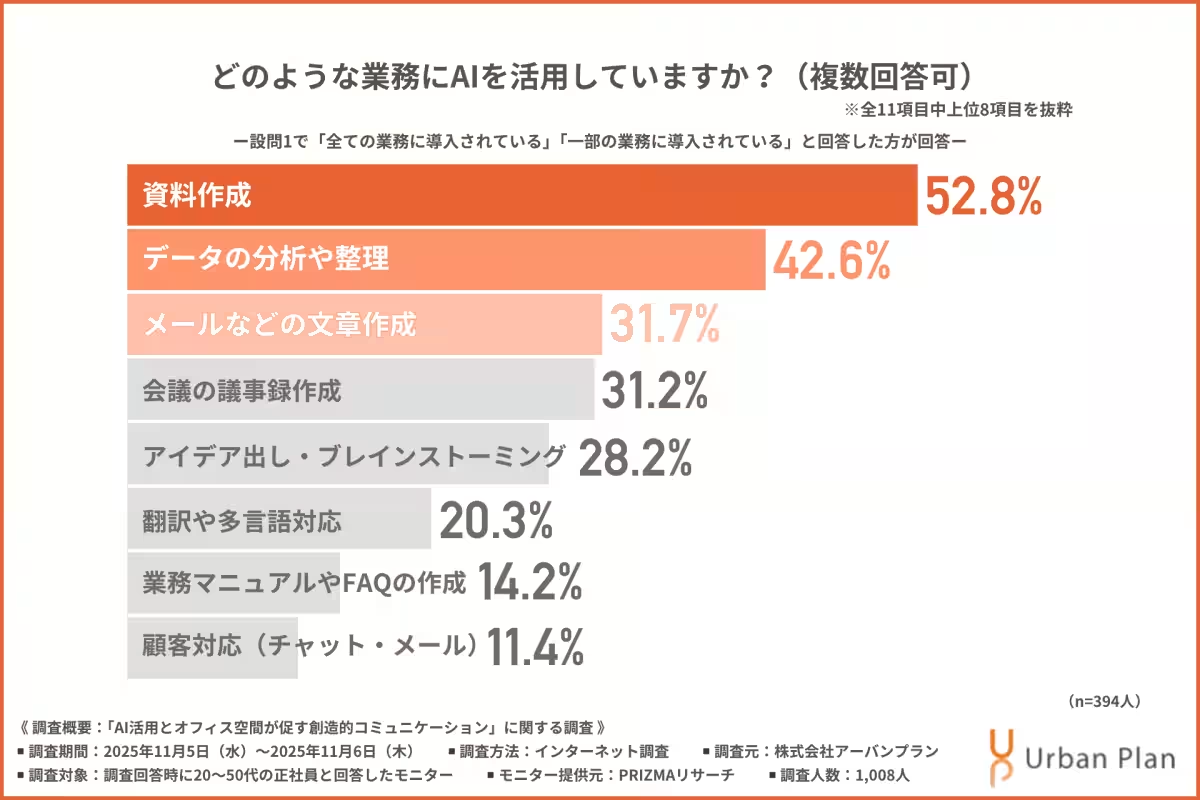
The study revealed that about 40% of companies have implemented AI in their operations, either fully or partially. This demonstrates a growing acceptance, yet it also shows that nearly half of the workforce is still experiencing delays in AI adoption. As AI continues to integrate into various daily tasks—like document preparation, analytics, and brainstorming—the survey sought to uncover how employees are leveraging the time gained from these efficiencies.
Efficient Use of Time Gained from AI
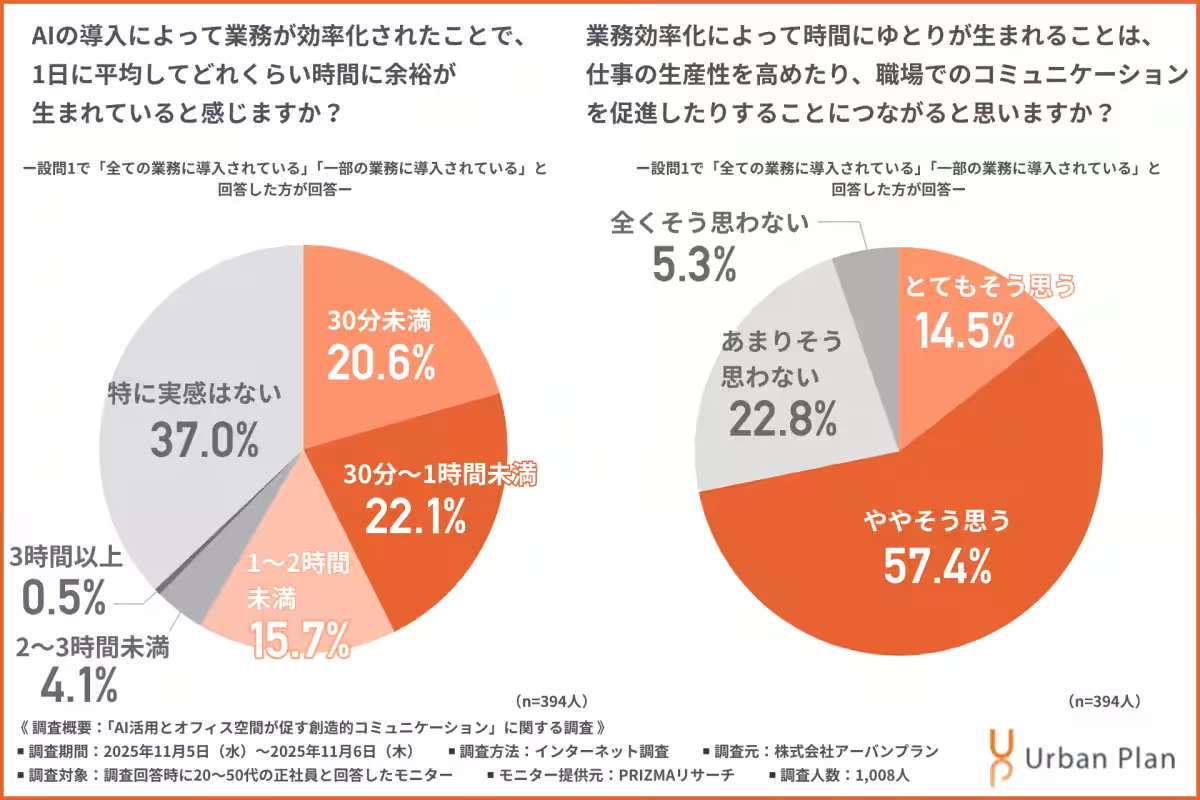
When asked how much additional time AI has provided in their daily routines, most respondents reported feeling an extra 30 minutes to less than 2 hours at work. The leading responses were, "30 minutes to under 1 hour" (22.1%), followed by "less than 30 minutes" (20.6%) and "1 to under 2 hours" (15.7%). These findings imply that while AI is indeed streamlining tasks, the time saved is still modest, suggesting that automation is still in an early phase of development within firms.
Interestingly, a significant proportion of respondents indicated that this additional time has positively affected workplace productivity and engagement. Over 70% agreed that the efficiencies gained from AI lead to improved productivity and better interactions among colleagues. This sentiment indicates a shift towards viewing AI as a tool that not only optimizes tasks but also enriches the working environment.
The Role of Human Interaction in AI-generated Ideas
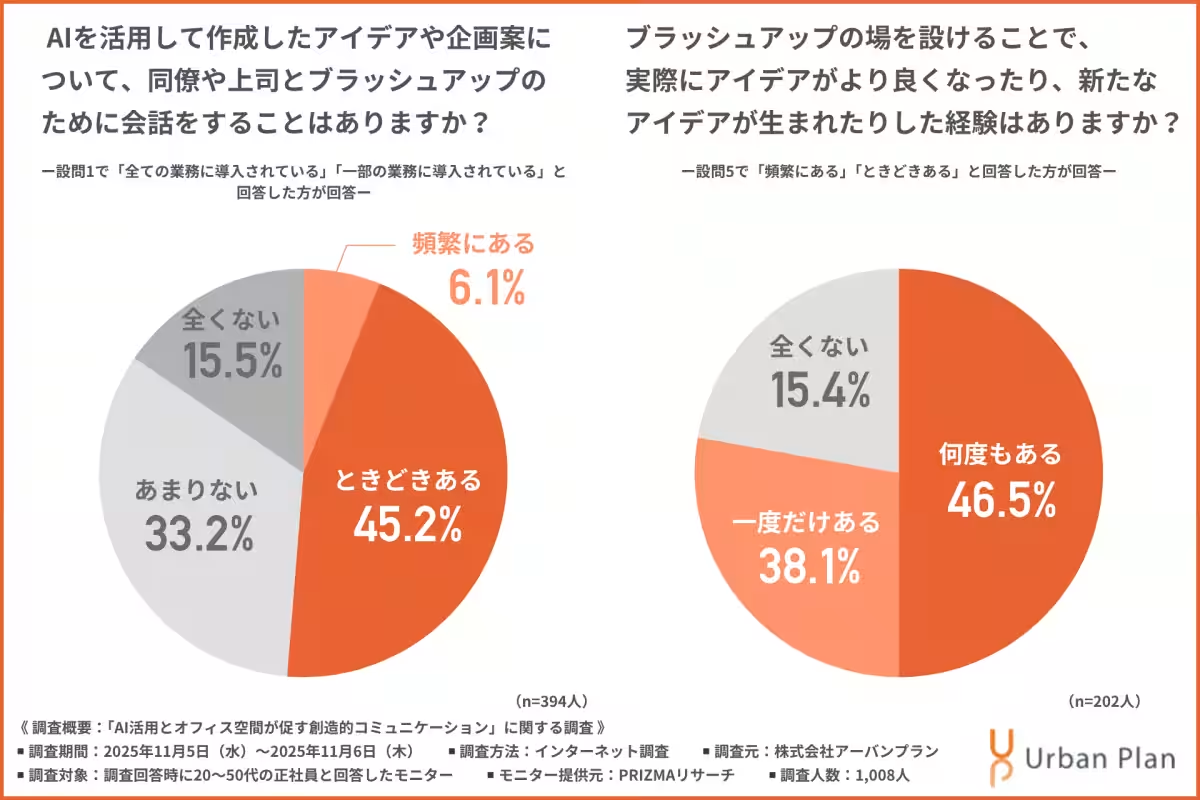
AI has the capability of generating ideas, yet refining these concepts relies heavily on human interaction. The survey explored how often individuals discuss AI-generated proposals with their peers or superiors. Approximately half indicated they frequently or occasionally engage in such discussions, revealing a trend towards collaborative enhancement of AI-driven insights.
Feedback mechanisms played a vital role in developing these ideas. An impressive 84.6% of respondents who engage in conversations about AI-derived ideas reported benefiting from these discussions, indicating that the interplay between AI tools and human creativity is essential for innovative outcomes.
Office Spaces That Foster Creativity
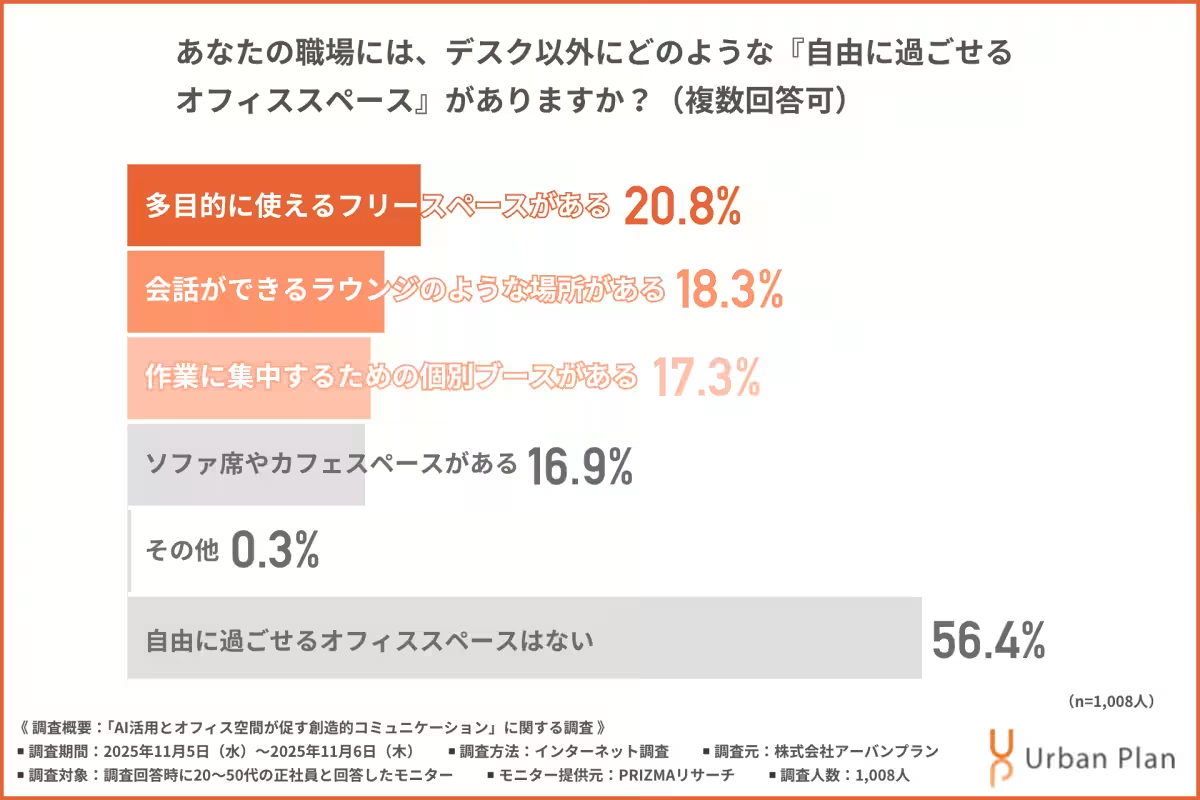
The importance of physical workspace was a key aspect addressed in this research. The survey delved into how accessible creative spaces within an office influence idea generation and teamwork. When inquired about the availability of flexible office spaces, more than half of the participants reported they had no such areas, while around 20.8% mentioned shared multipurpose spaces, and 18.3% noted lounge-like areas for conversation.
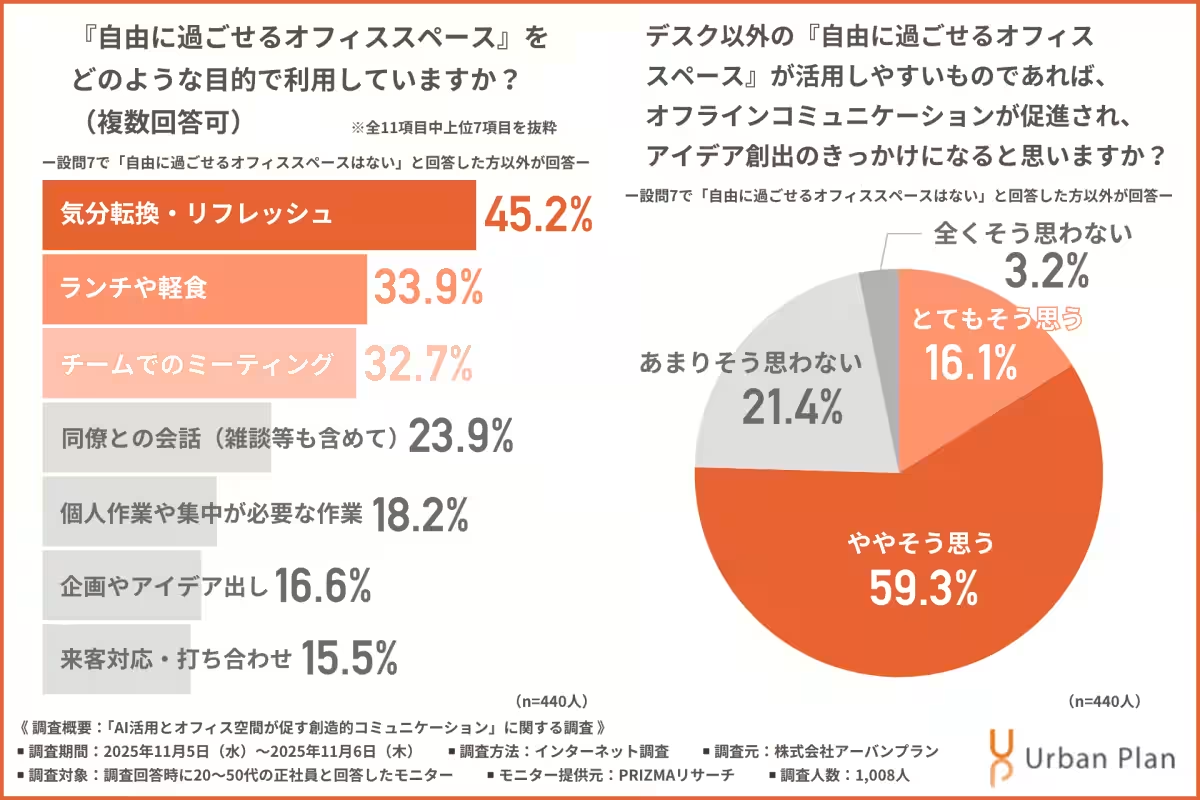
The presence of adaptable office spaces correlates with enhanced creative collaboration. Employees reported using these spaces primarily for relaxation (45.2%) and informal lunches (33.9%), illustrating that offices designed for comfort and relaxation encourage spontaneous communication and brainstorming sessions. Unique features like cafes, gym equipment, or tranquil gardens further enhance the workplace atmosphere by catering to the well-being of employees.
Conclusions: The Need for Human-Centric Offices
The results of Urban Plan's survey highlight an important observation: while AI significantly contributes to workplace efficiency, the cultivation of creativity essential to business development predominantly relies on personal interactions. To capitalize on the time availabilities created by AI, companies must prioritize and design office spaces that facilitate casual meetings and idea exchanges among employees.
In conclusion, the synthesis of AI efficiency and thoughtfully designed office environments can substantially improve artistic productivity and communication. Urban Plan stands ready to assist businesses in navigating the complexities of office design to make these spaces more supportive of creative work, ultimately leading to a more collaborative and dynamic workforce.
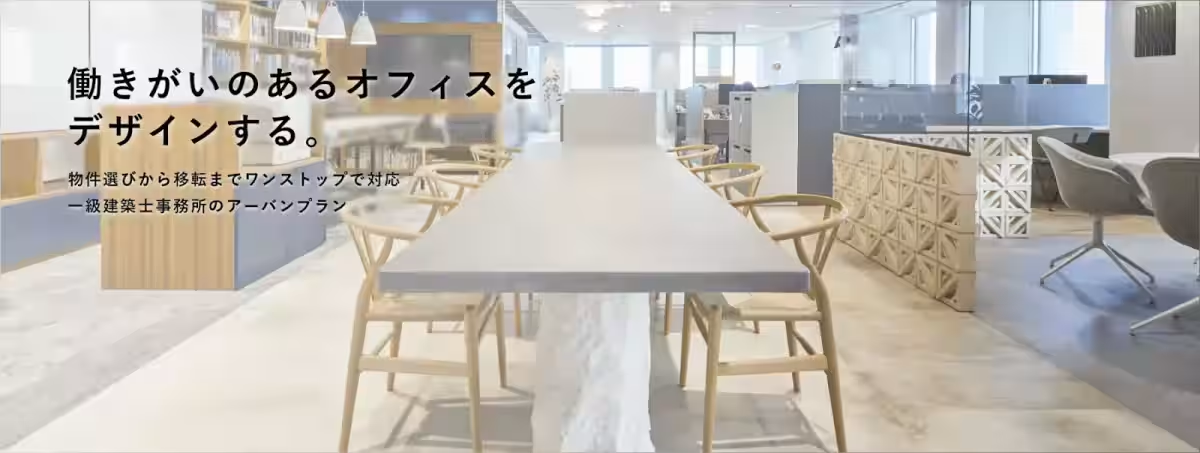
For more insights into designing effective workplace environments that harness both AI efficiency and human creativity contact Urban Plan, which specializes in total office solutions.

Topics Consumer Products & Retail)
【About Using Articles】
You can freely use the title and article content by linking to the page where the article is posted.
※ Images cannot be used.
【About Links】
Links are free to use.