



JMA Holdings Unveils Results of 2025 Sustainability Management Survey
JMA Holdings Unveils Results of the 2025 Sustainability Management Survey
In a significant development, the JMA Holdings Group has revealed the final report of its 2025 Sustainability Management Survey conducted from July to September 2025. The survey was aimed at understanding the status of sustainability management within organizations, identifying key challenges that Japanese companies face in this domain. It represents the third wave of a series designed to track the evolution of sustainability strategies since the first survey in 2022.
Background of the Research
The initial survey conducted in May 2022 aimed to unveil pressing management issues related to sustainability initiatives. At that time, many businesses, especially listed companies, recognized the urgent need to address sustainability, encompassing goals aligned with the Sustainable Development Goals (SDGs) and Environmental, Social, and Governance (ESG) criteria. The insights gleaned from the first study illustrated varying degrees of commitment and innovative strategies being developed by different companies to enhance their sustainability frameworks.
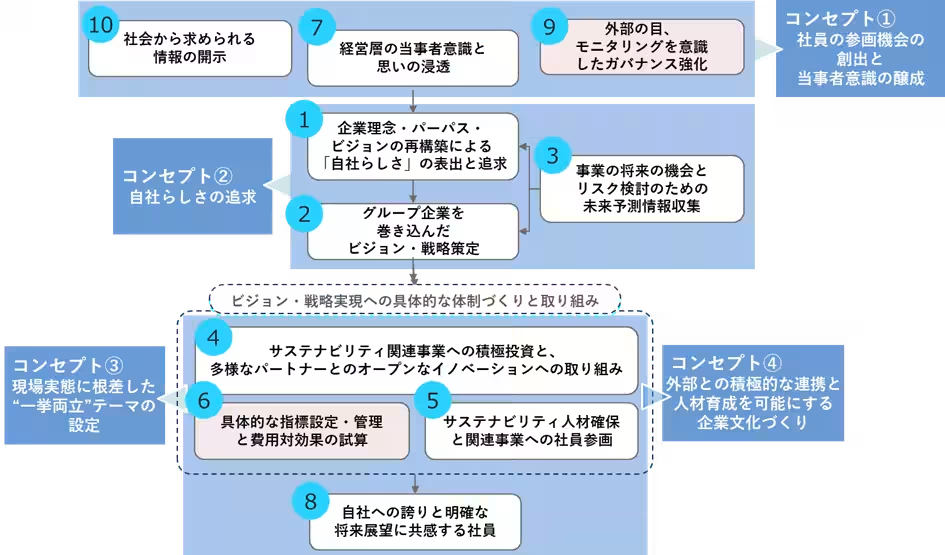
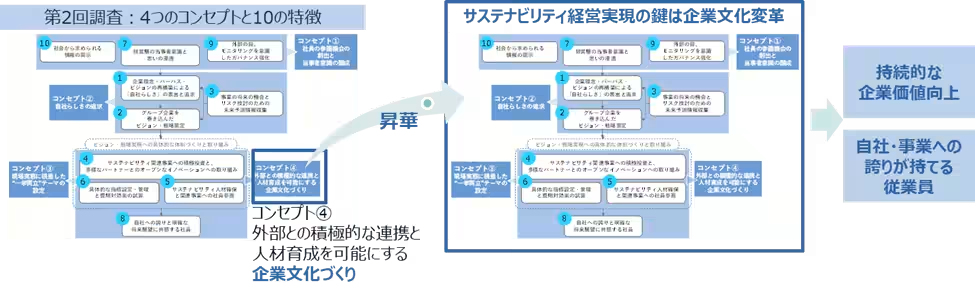
To progress toward a more sustainable future, the report outlined four core concepts for organizations intending to tailor sustainability management to their unique operational styles:
1. Creating opportunities for employee engagement and fostering a sense of ownership.
2. Pursuing a unique corporate identity.
3. Setting themes that address actual workplace conditions and promote dual goals.
4. Cultivating a corporate culture that encourages collaboration and talent development with external partners.
Identifying Key Features
Participants in the survey, which encompassed 115 major domestic enterprises, reported ten significant attributes observed among companies effectively implementing these concepts:
1. Clearly articulating differentiation from competitors in their management policies and redefining corporate philosophies, purposes, and visions.
2. Involving group companies in the formulation of vision and strategy.
3. Collecting future forecasting data to examine business opportunities and risks.
4. Actively investing in sustainability-related ventures and establishing frameworks for open innovation with diverse partners.
5. Progressing in securing sustainability-related management talents with numerous opportunities for employees to contribute.
6. Setting and managing concrete metrics and calculating cost-effectiveness.
7. High awareness of ownership among senior management, resulting in a cultural shift.
8. Noticing that engagement in sustainability management enhances pride in the company and fosters brighter future outlooks for employees.
9. Embracing governance reforms positively.
10. Recognizing the significance of non-financial information.
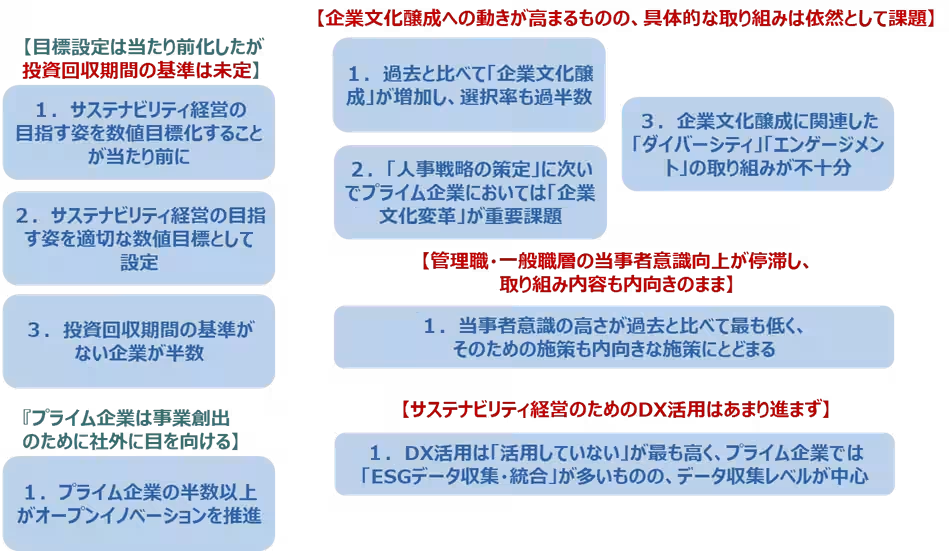
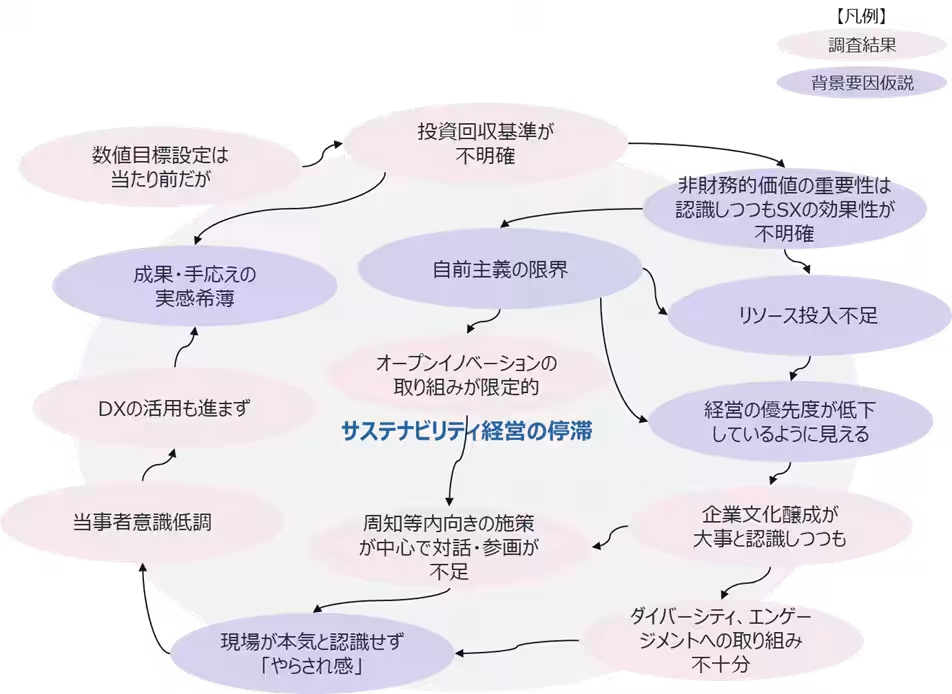
Following this, the second survey was conducted in November 2023, reaffirming the importance of these points. However, the current results of the third survey exhibit a concerning stagnation in the progress toward sustainability management, prompting a closer examination of the original four concepts. Notably, the concept of fostering a corporate culture conducive to external collaboration and talent development has emerged as a pivotal factor for successfully achieving sustainability goals.
Recommendations for Breaking the Stagnation
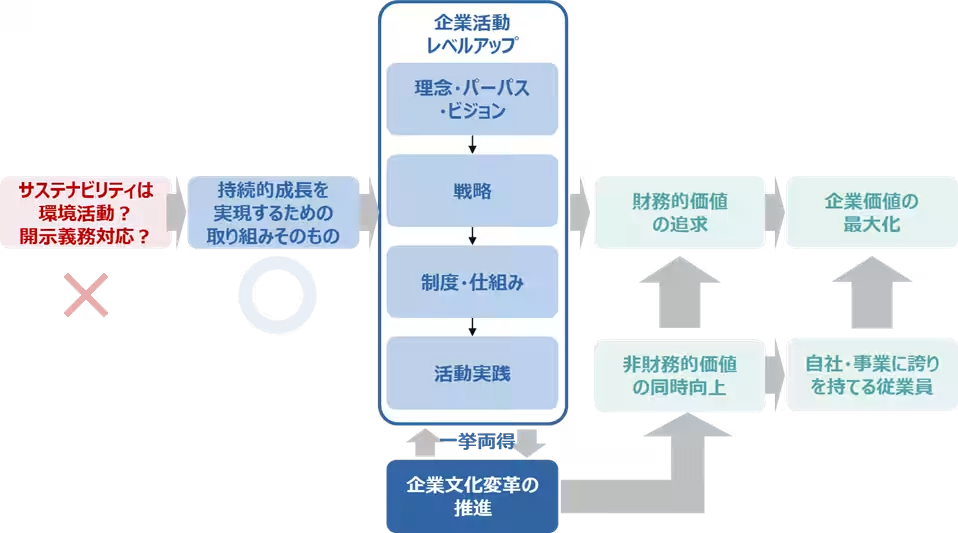
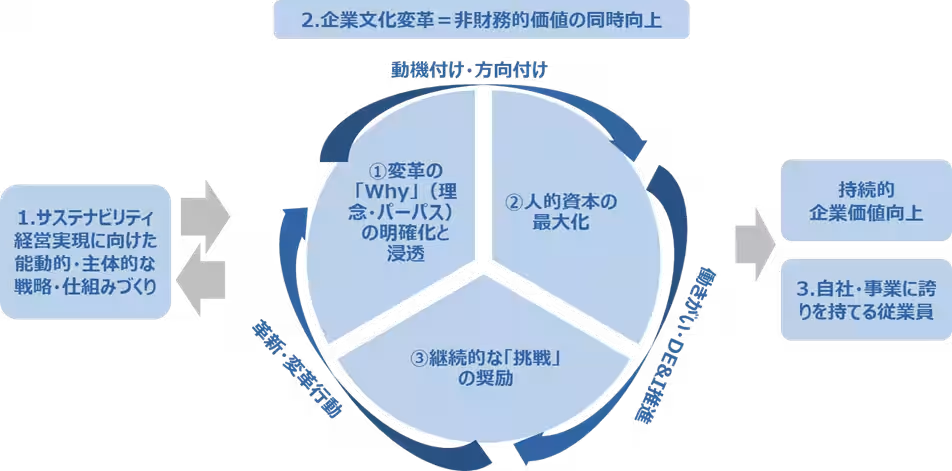
Given the current climate of stagnation, JMA Holdings advocates for transformative approaches to corporate culture as a means to revitalize sustainability management. The essence of sustainability management lies in proactive engagement rather than compliance with reporting obligations. Companies are urged to cultivate a culture that not only embraces sustainability but actively seeks to integrate it into their growth strategies.
The need for robust, values-driven corporate cultures is emphasized. Companies should not only establish effective operational frameworks but also undergo cultural transformations that will position them as leaders in sustainability. Encouraged by this vision, organizations are encouraged to foster an environment where employees take pride in their contributions, which in turn enhances overall productivity and organizational reputation.
Initiatives and Future Directions
As companies reassess their positions and possible paths toward a complete transition into sustainable business practices, JMA Holdings also suggests a deeper dive into identifying the current cultural transformation stage of each organization. Understanding this context will provide the groundwork necessary for evolving corporate culture in alignment with sustainability goals.
Ultimately, successful sustainability management transcends traditional environmental approaches and compliance. Rather, it embodies a proactive stance toward fostering economic, social and environmental longevity, allowing organizations to adapt effectively to changing societal expectations. With this understanding, Japanese companies can leverage their engagement in sustainability as a catalyst for industry-wide change.

Topics Business Technology)
【About Using Articles】
You can freely use the title and article content by linking to the page where the article is posted.
※ Images cannot be used.
【About Links】
Links are free to use.