



Over Half of Consumers Purchase Products After Interacting with AI: Insights from the 2026 Study
AI-Driven Purchasing Behavior Study 2026
The increasing integration of generative AI into daily life is reshaping how consumers make purchasing decisions. In light of this, PLAN-B Marketing Partners conducted the "Purchasing Behavior Study 2026" to investigate how conversations with AI influence the acquisition of products and services.
Study Overview
Conducted from May 11 to May 16, 2026, the research surveyed 500 participants aged between their teens and sixties who regularly use generative AI for information searches. The objective was to explore the extent to which AI-driven discussions are influencing purchasing decisions.
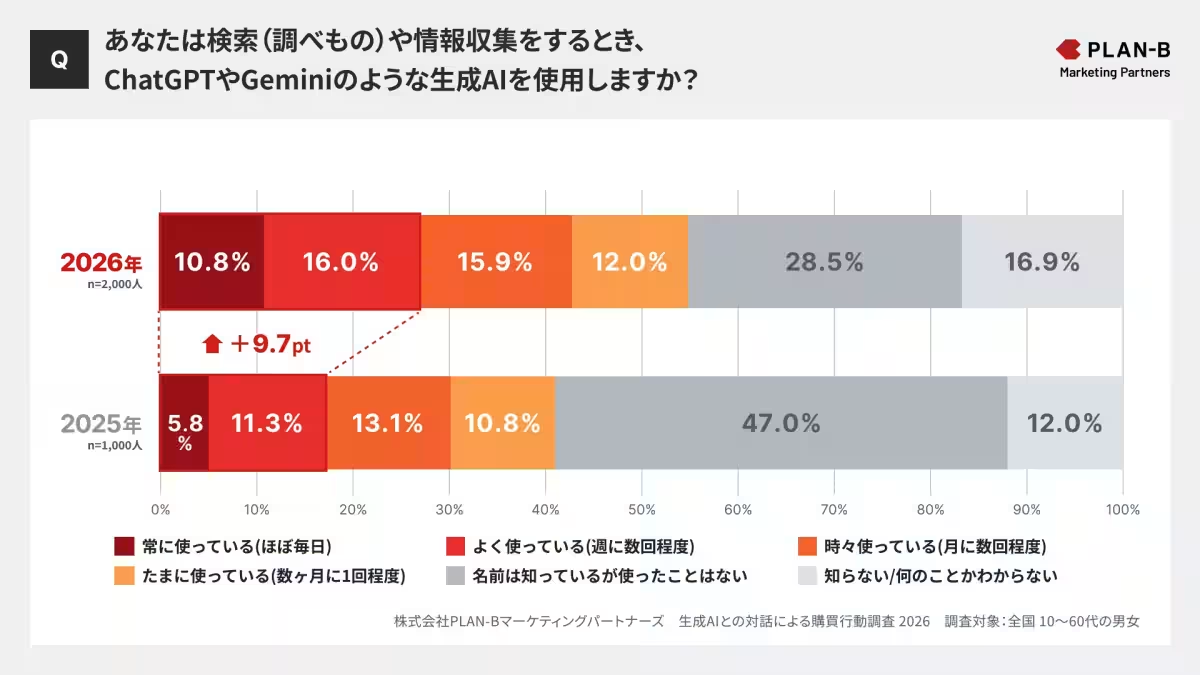
In the previous year, a similar study was conducted, revealing a substantial increase in the use of generative AI. The latest findings suggest a greater reliance on AI, underscoring its role not merely as an information source but as a critical factor in the decision-making process.
Key Findings
The results indicate that conversations with generative AI significantly affect consumer behavior:
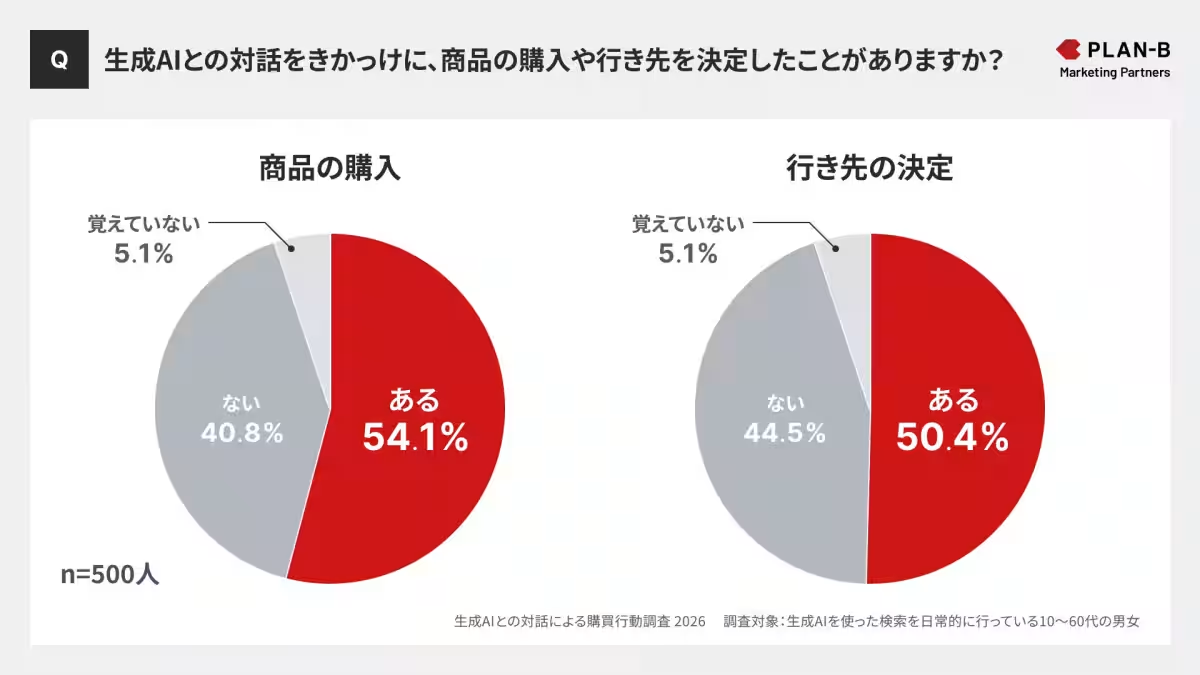
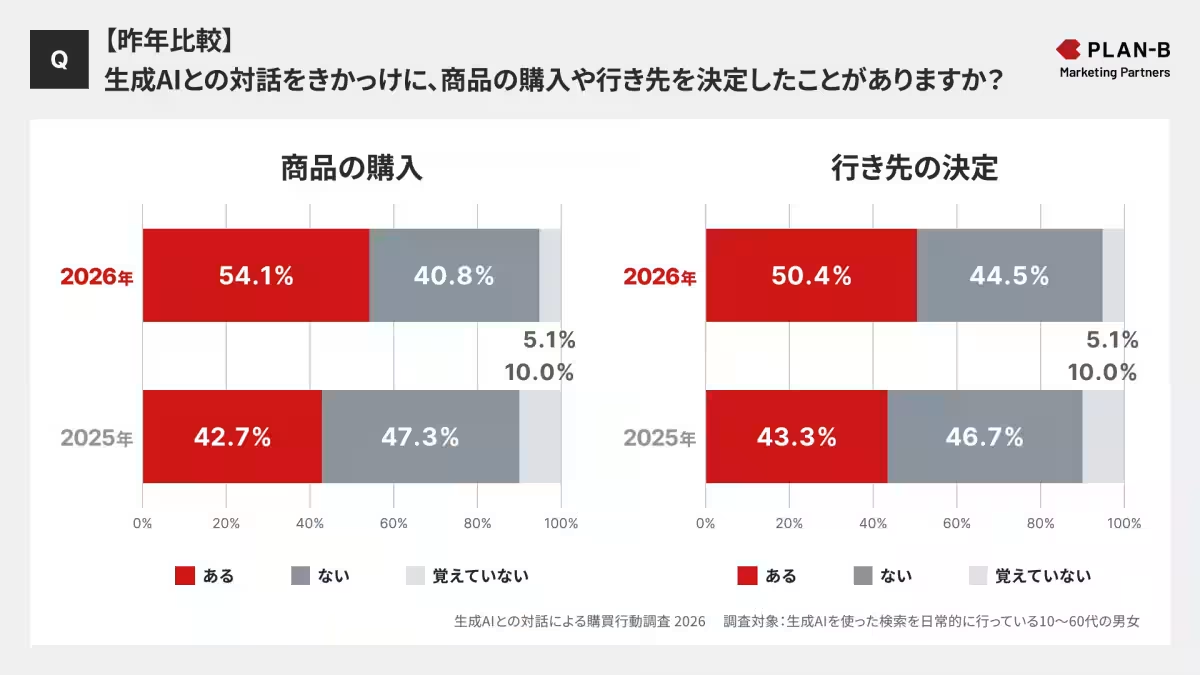
- - Purchasing Influence: 54.1% of respondents reported making purchases based on AI interactions, marking an increase of 11.4 points from last year. Additionally, 50.4% indicated that AI influenced their choice of travel or dining destinations, with a 7.1-point increase from the previous year.
This demonstrates a growing reliance on AI for both tangible goods and experiential decisions, clearly highlighting AI's expanding footprint in everyday life.
Product Categories
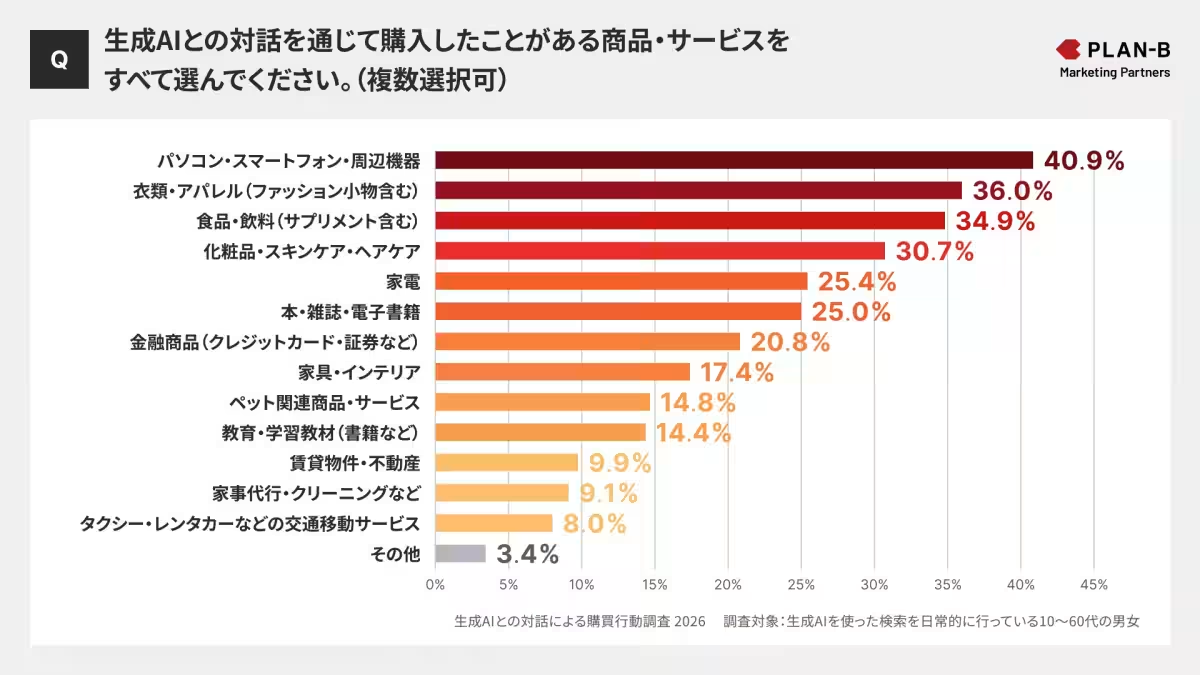
The study also delved into which products were most frequently purchased following AI recommendations:
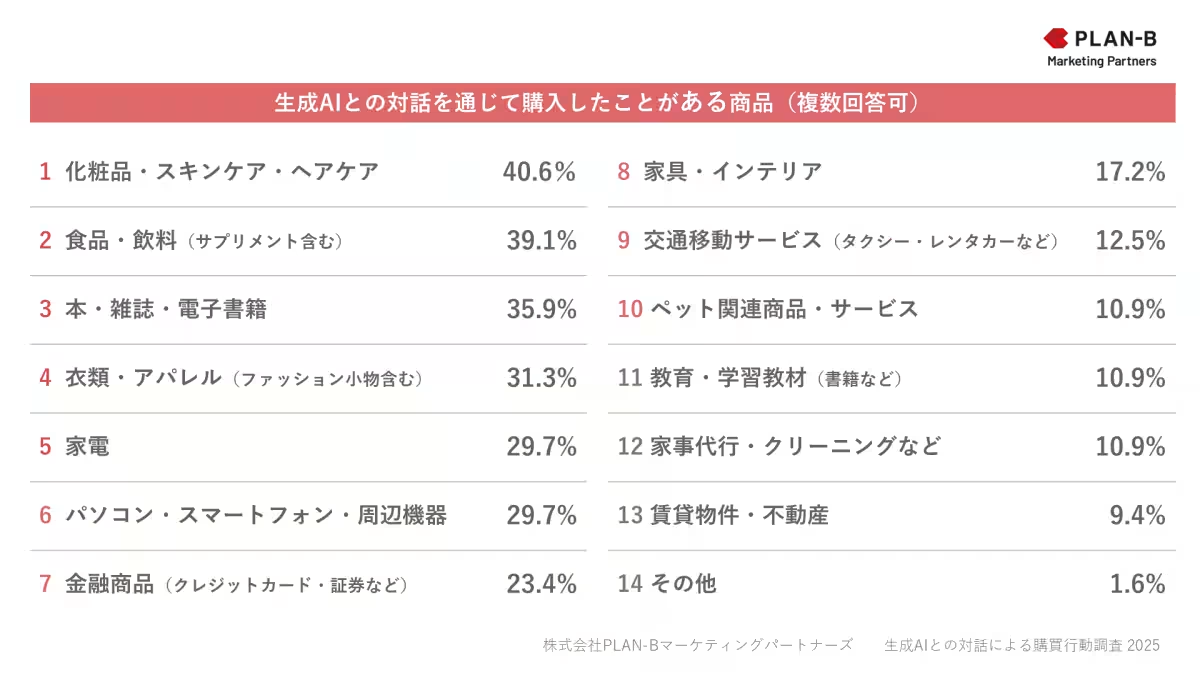
- - Computers and Smartphones: 40.9% of respondents reported purchasing in this category.
- - Apparel: 36.0% indicated purchases related to clothing, including fashion accessories.
- - Food and Beverages: 34.9% of consumers made purchases in this sector.
Other notable mentions include cosmetics (30.7%) and electronics (25.4%), suggesting generative AI is particularly influential in categories that often require extensive research and evaluation.
Decision-Making for Destinations
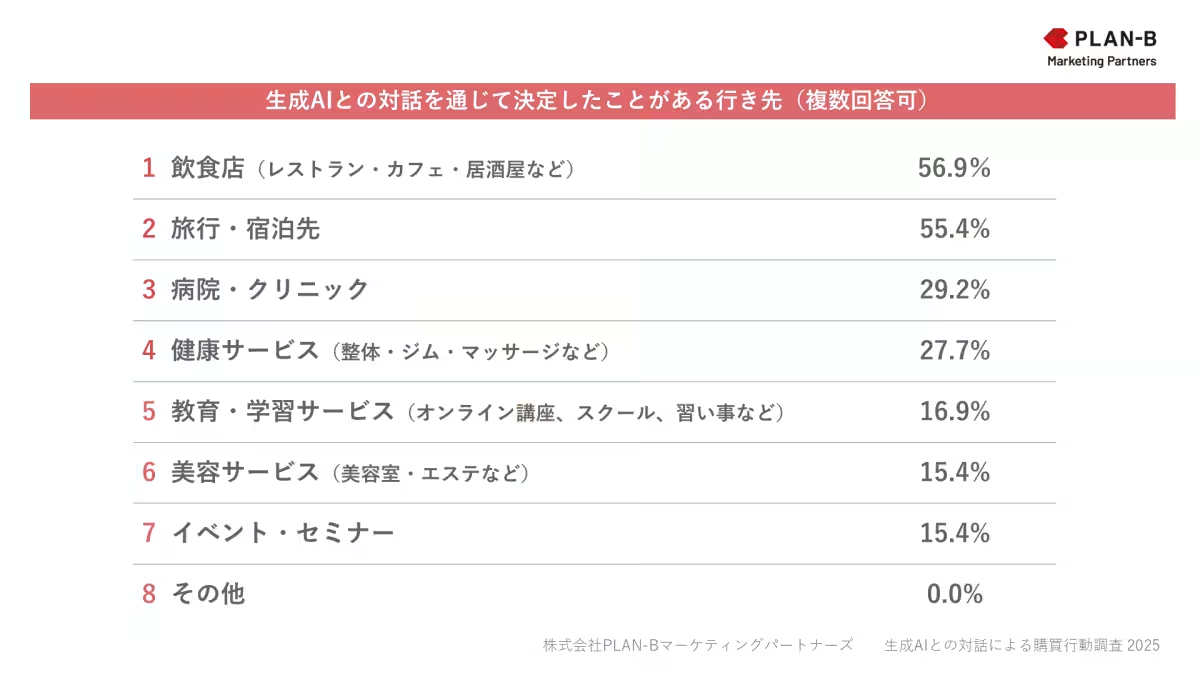
When asked about decisions influenced by AI regarding locations, consumers primarily consulted AI for:
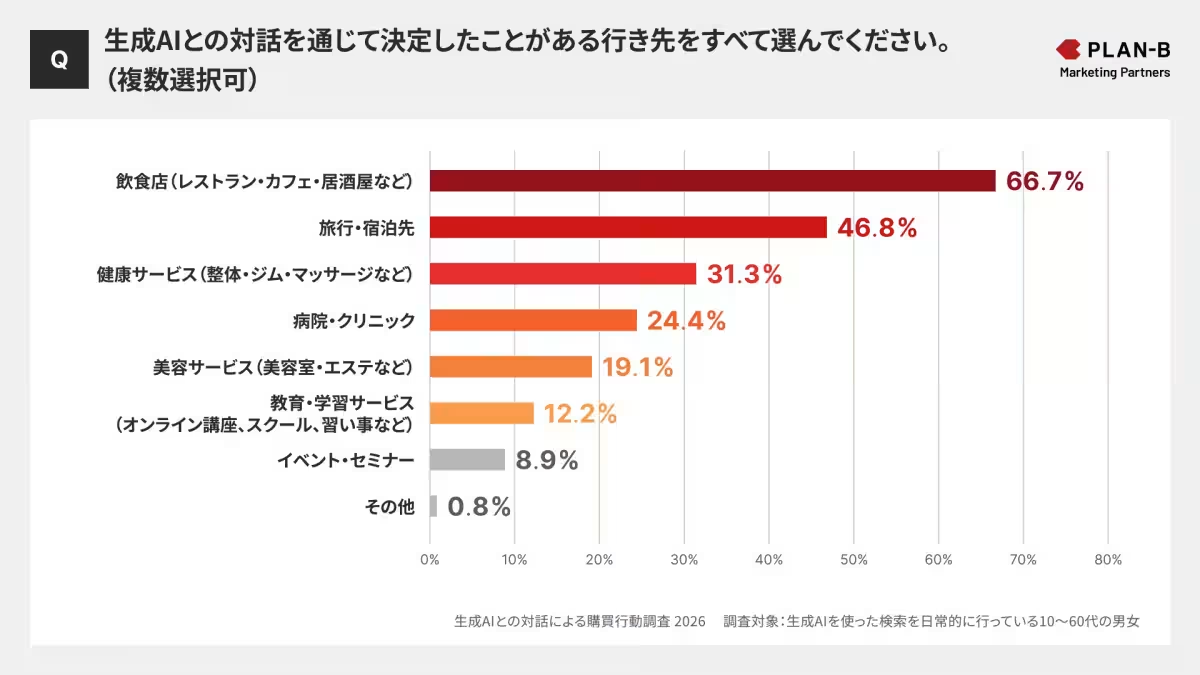
- - Restaurants: 66.7% of participants.
- - Traveling and Stay Options: 46.8% of users reported being influenced by AI for travel planning.
This shows that generative AI is actively assisting users in organizing and comparing various options based on multiple criteria, including location, type of cuisine, and budgets.
Sustained Habit of Verification
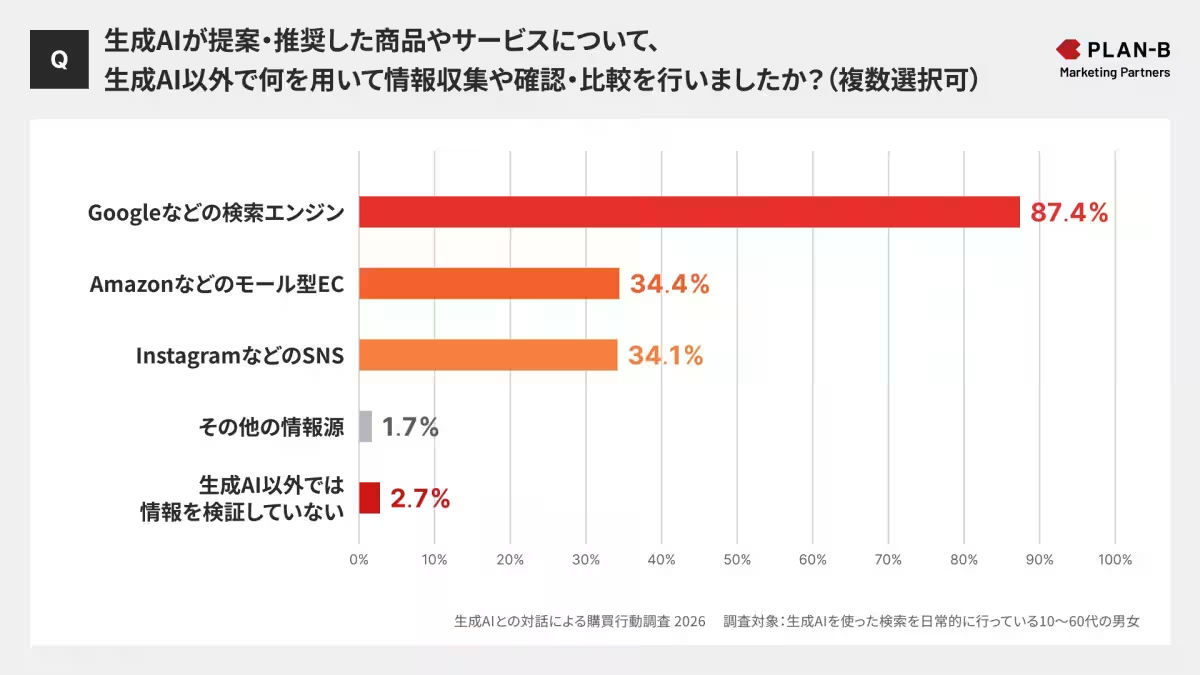
Interestingly, approximately 90% of users confirmed that they continue to verify AI-recommended products or services through additional channels:
- - Search Engines: 87.4% relied on Google and similar engines to cross-check information.
- - E-Commerce Platforms: 34.4% used platforms like Amazon for verification.
- - Social Media: 34.1% of respondents leveraged social media to gather further insights.
Only 2.7% of participants stated they did not verify AI suggestions through other means, indicating that while AI plays a significant role in initial discoveries, trustworthy and comprehensive comparisons are still sought through traditional means.
User Experiences with AI
Participants shared various experiences around using generative AI for purchasing decisions. For example:
- - A male respondent in his 30s described using AI to filter and select stocks based on dividends and performance before verifying the information online.
- - A teenage user detailed how they utilized AI to find lightweight, highly rated luggage, confirming the recommendations before purchasing.
- - A middle-aged man mentioned using AI suggestions for hair care products and verifying them against user reviews before making a physical purchase.
These anecdotes underline the significant role AI is playing in the purchasing journey, often serving as a starting point for further research rather than an endpoint.
Conclusion
The increase in purchasing behavior influenced by AI signifies its evolution from a simple information tool to a dominant force in consumer decision-making. Nonetheless, the persistent habit of validating AI’s recommendations using traditional search methods illustrates the symbiotic relationship between AI and conventional research methods in today’s commerce. This study underscores the necessity for brands to ensure that their digital presence is optimized for both AI and traditional searches to effectively guide consumers in their purchasing journey.
In summary, as generative AI continues to grow and permeate consumer habits, the focus for businesses should shift from merely being recognized by AI to becoming integral to the consumer's entire journey—ultimately leading to seamless purchases through AI-enhanced interaction!


Topics Consumer Products & Retail)
【About Using Articles】
You can freely use the title and article content by linking to the page where the article is posted.
※ Images cannot be used.
【About Links】
Links are free to use.