



The Future of Checkout: Self-Service vs. Assisted Checkout in Convenience Stores
Introduction
In recent years, the advent of self-checkout systems has significantly transformed the retail experience in supermarkets and convenience stores. StorePro, located in Minato City, Tokyo, conducted an insightful survey targeting individuals aged 20 to 60 who frequently utilize supermarkets and convenience stores with self-checkout facilities. This initiative aimed to investigate consumer behavior and psychology surrounding the choice between self-service and assisted checkout methods.
The Choice Between Self-Service and Assisted Checkout
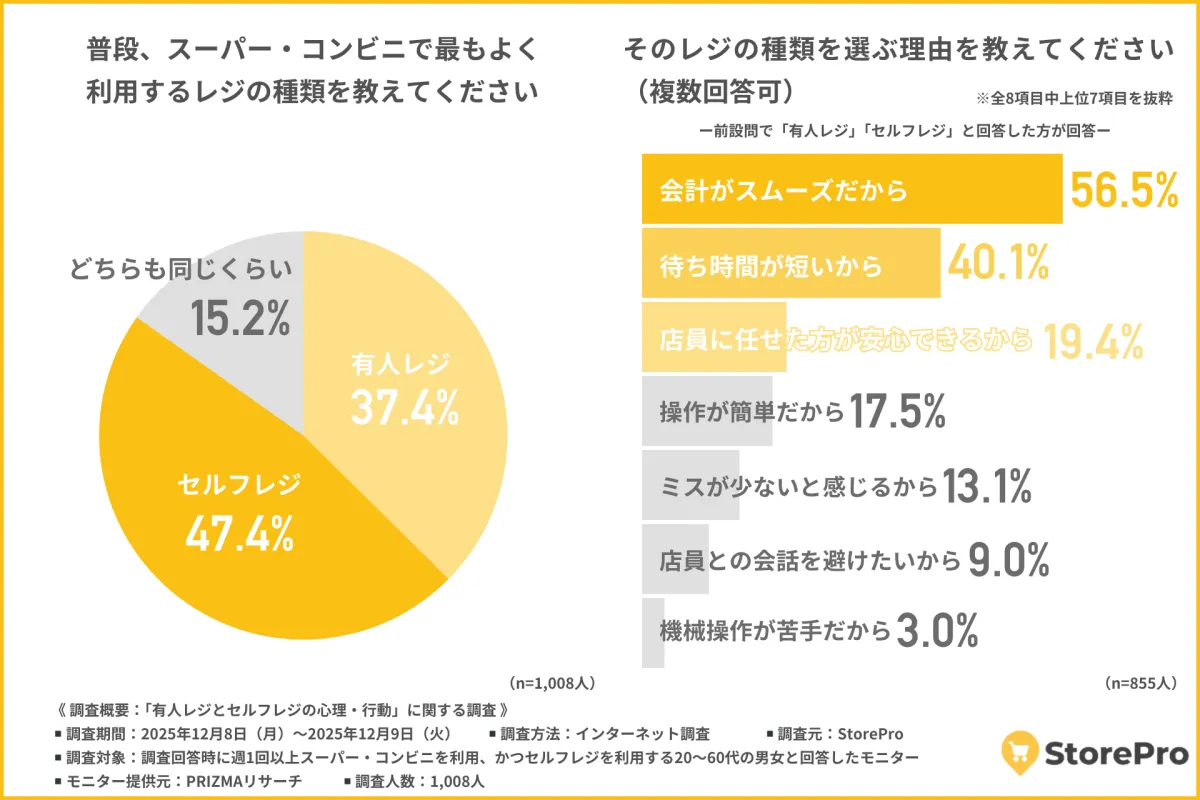
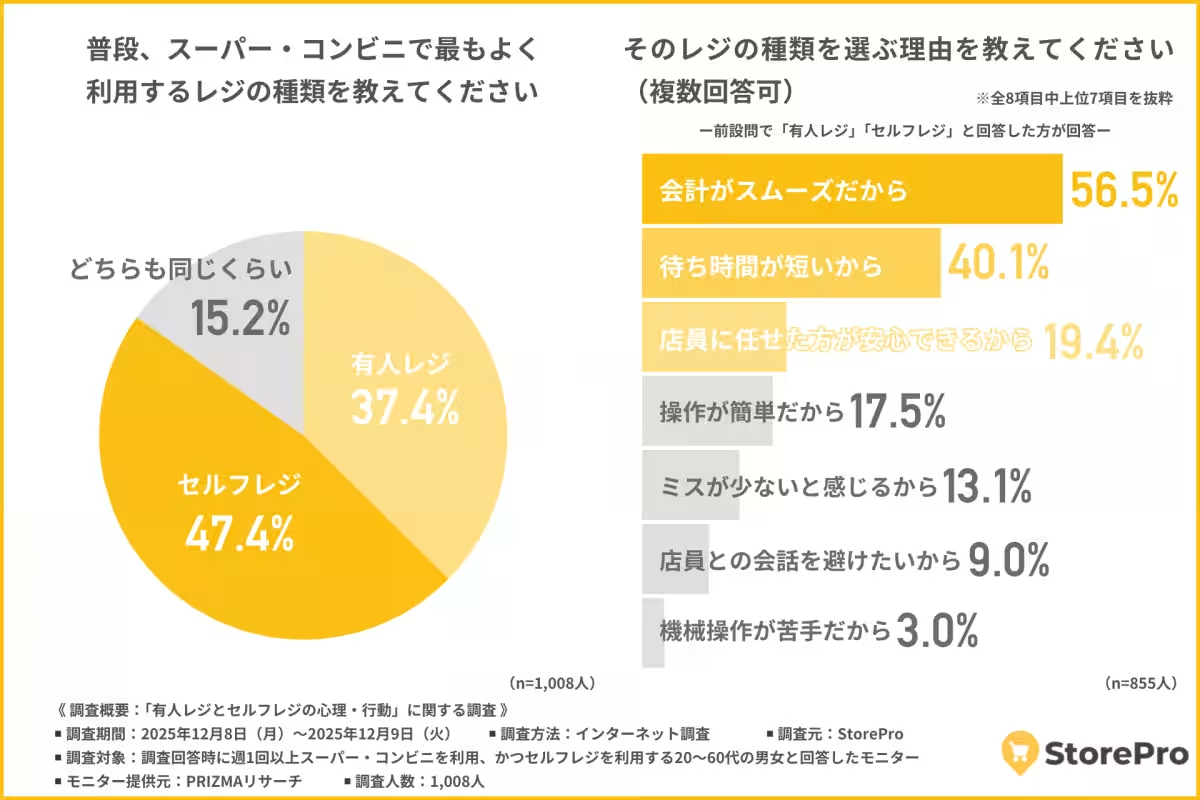
As self-checkout systems gain popularity, many consumers still opt for traditional cashier services. StorePro's survey revealed the following statistics regarding the preferred checkout options of consumers:
- - Assisted Checkout: 37.4%
- - Self-Service Checkout: 47.4%
- - Both Equally: 15.2%
These statistics indicate that nearly half of the surveyed consumers favor self-service checkouts, primarily due to the desire for more efficient purchasing experiences. Survey results further explore the underlying reasons for checkout method preferences, emphasizing not only the convenience and speed of transactions but also psychological factors. For many customers, the unease associated with machine operations, concerns about privacy regarding purchased items, and the peace of mind provided by interactions with cashiers are critical factors that influence their choices.
Factors Influencing Checkout Preferences
When participants were asked, "What motivates your choice of checkout method?", the results were telling:
- - Efficiency in Transactions: 56.5%
- - Shorter Wait Times: 40.1%
- - Comfort with Cashiers' Assistance: 19.4%
The overwhelming emphasis on transaction efficiency suggests that consumers prioritize how quickly they can complete their purchase, especially during busy shopping periods.
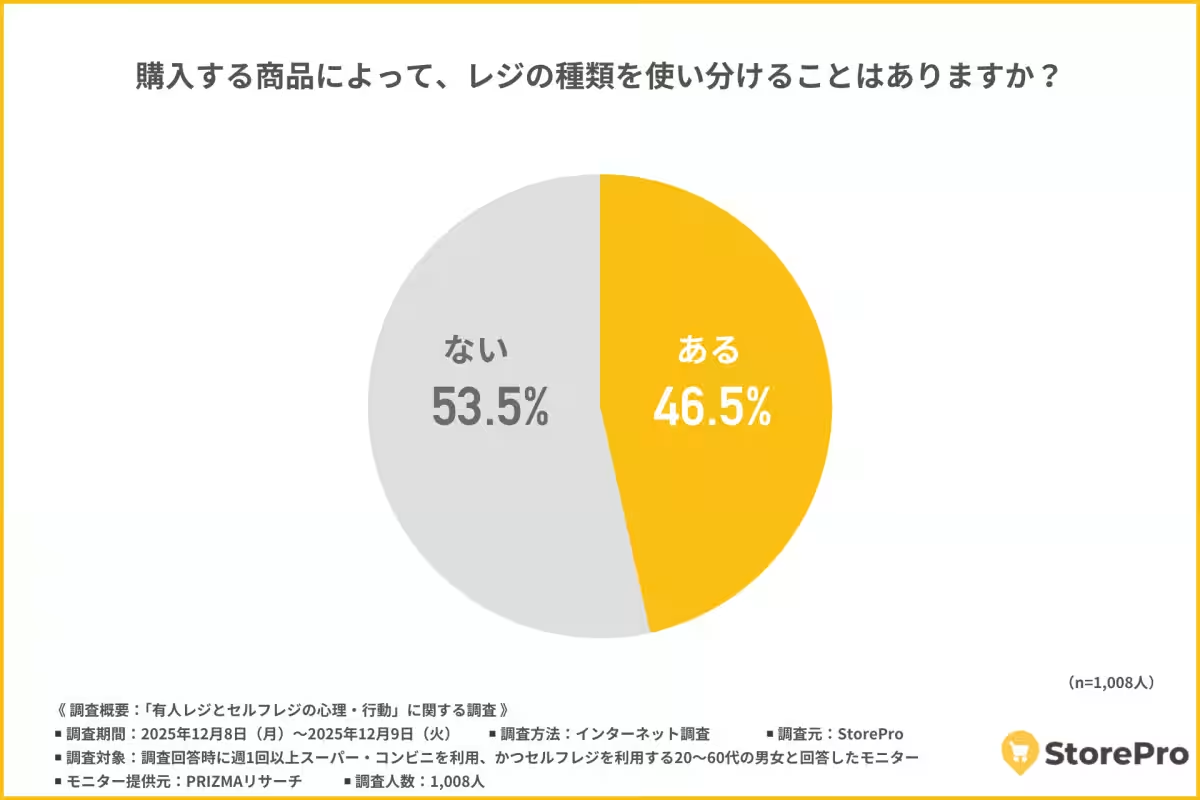
Interestingly, nearly half of the participants indicated that they choose their checkout method based on the items being purchased. The feedback included:
- - Yes, I choose based on items: 46.5%
- - No, I do not: 53.5%
This statistic hints at a level of complexity and flexibility in consumer behavior where personal comfort and perceived privacy are also key considerations.
Privacy Considerations in Checkout Selection
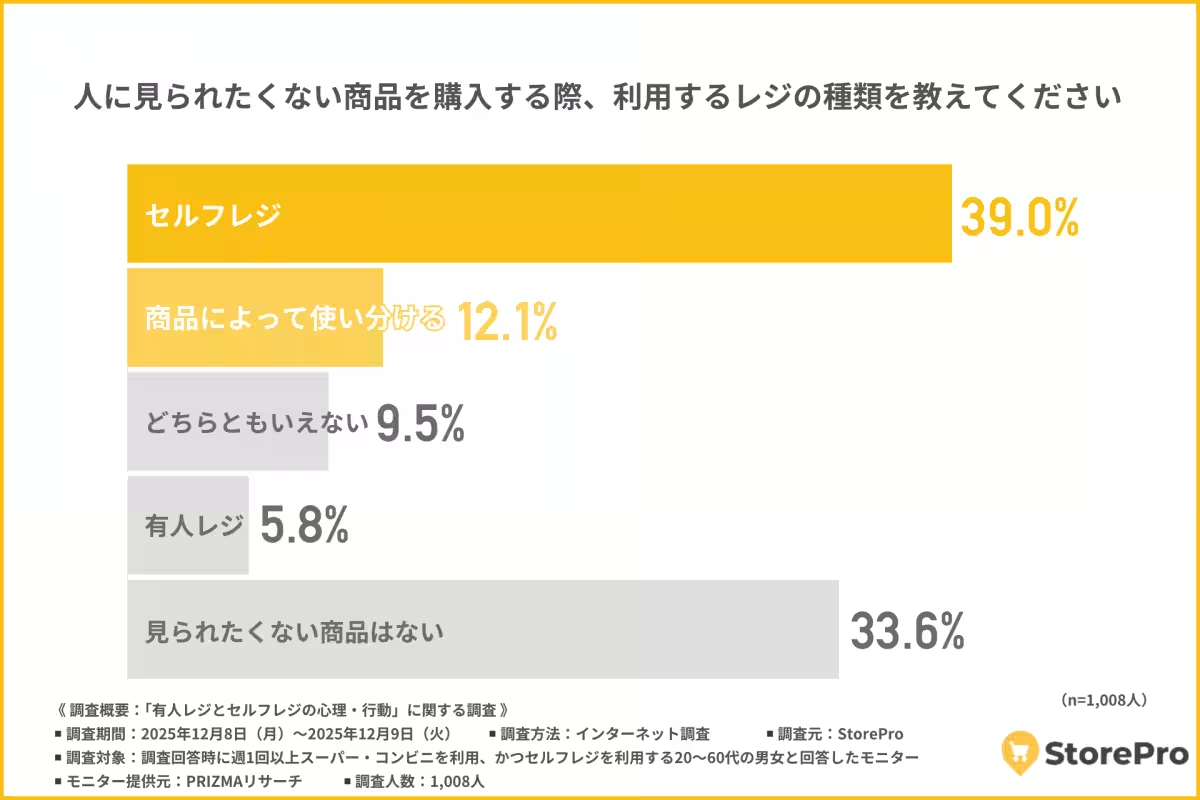
The survey further probed participants about their preferences when purchasing sensitive items. Most respondents indicated that they prefer self-checkout for purchasing products they do not want others to see:
- - Self-Service Checkout: 39.0%
- - It Depends on the Product: 12.1%
This trend shows a strong psychological need among consumers to maintain privacy, which becomes a driving force behind their checkout method choices. Respondents' sentiments reflect the delicate balance of privacy assurance and the desire for anonymity in their retail experiences.
Identifying Stress Points in Checkout Experiences
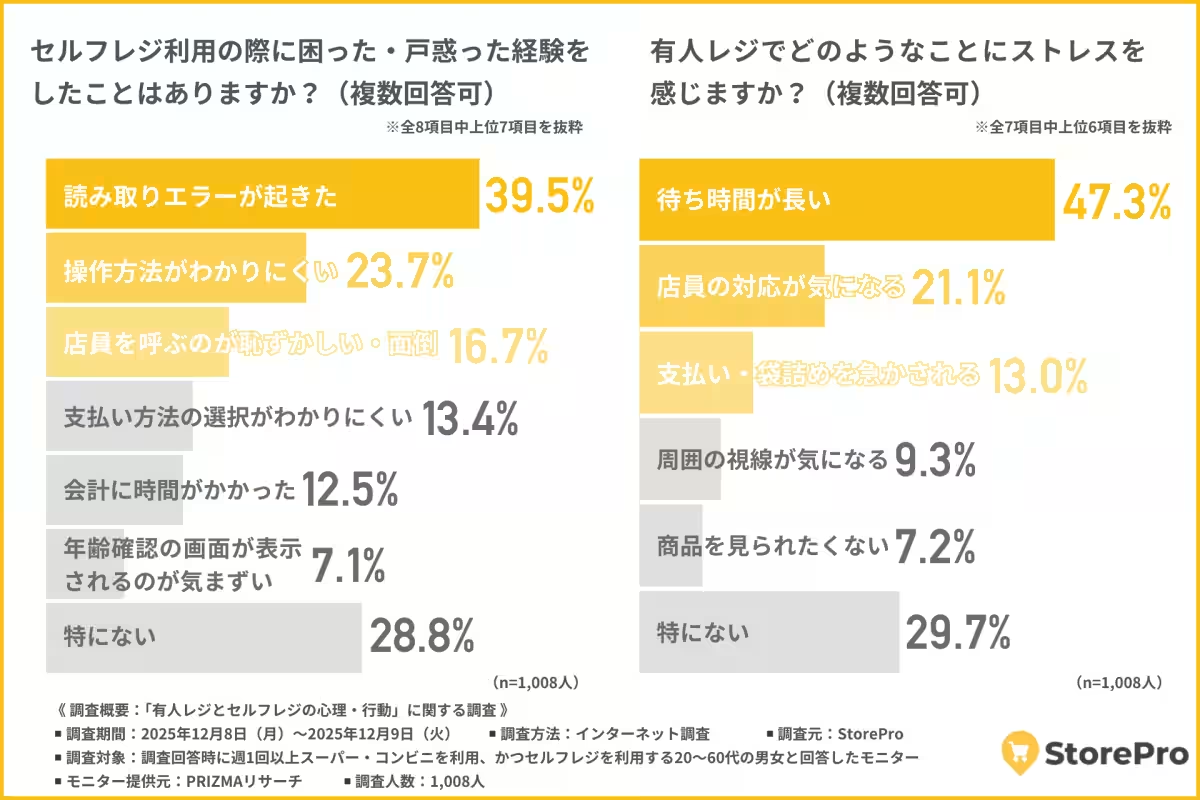
The study uncovered notable stress points associated with both checkout methods. Participants reported:
For Self-Service Checkouts:
- - Scanning Errors: 39.5%
- - Unclear Operations: 23.7%
- - Embarrassment or Hassle of Summoning Cashiers: 16.7%
These challenges highlight a need for stores to enhance the usability and reliability of self-checkout systems, minimizing potential errors and user frustrations.
For Assisted Checkouts:
- - Long Wait Times: 47.3%
- - Concerns About Employee Interaction: 21.1%
- - Feeling Rushed by Cashiers: 13.0%
The predominant concern here seemed to stem from the prolonged waits and the pressure some customers feel during the interaction with cashiers. These stressors could influence their future choices regarding checkout systems.
The Preferred Future of Checkout Systems
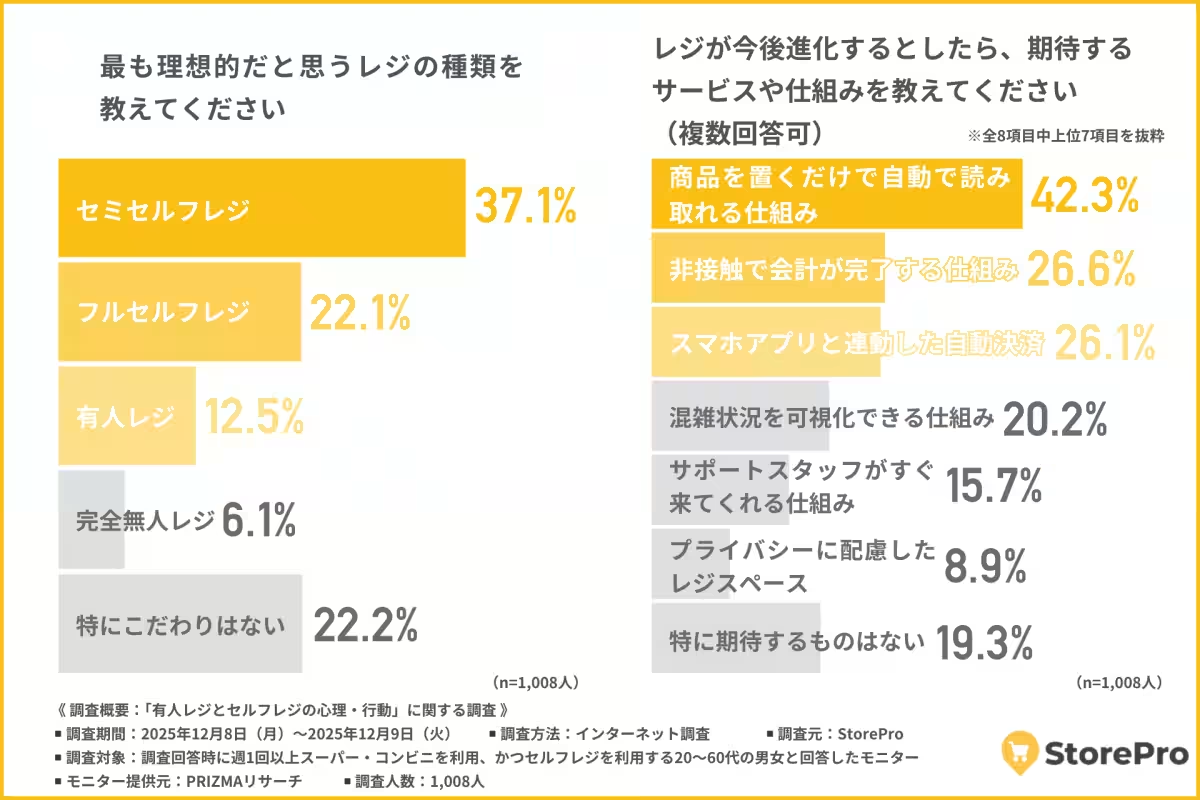
Interestingly, the survey indicated a longing for an ideal hybrid model. When asked about their preferred checkout system:
- - Semi-Self Checkout (Staff scans products, customer handles payment): 37.1%
- - Full Self Checkout (Entire process managed by customers): 22.1%
- - Assisted Checkout: 12.5%
The desire for semi-self checkout setups doubles down on the need for speed accompanied by operational ease, aiming to lessen the concerns surrounding mistakes and ensuring a swift checkout experience.
Anticipated Innovations in Checkout Technology
The survey also indicated consumers' wishes for future advancements:
- - Automatic Scanning Systems (Item scans as placed): 42.3%
- - Non-Contact Payment Solutions: 26.6%
- - Smartphone Integrated Payment Systems: 26.1%
These anticipated innovations show a clear direction towards heightened convenience and technological integration in consumer retail experiences.
Conclusion
In summary, StorePro's survey reveals that consumer preferences in checkout options go beyond mere efficiency and speed. Factors like emotional comfort and privacy play a pivotal role in decision-making. Consumers tend to favor self-service options for the speed it offers while simultaneously valuing the reassurance brought by cashier interactions, showcasing a spectrum of needs and preferences. Retailers are encouraged to create checkout environments that address these diverse psychological factors to enhance customer satisfaction. Future advancements in checkout technologies appear to be a promising direction towards meeting these evolving consumer expectations.

Topics Consumer Products & Retail)
【About Using Articles】
You can freely use the title and article content by linking to the page where the article is posted.
※ Images cannot be used.
【About Links】
Links are free to use.