



Mid-Career Job Changes: Insights from Professionals Aged 45 to 50
Insights into Mid-Career Job Changes
In recent years, the landscape for job changes among mid-career professionals, particularly those aged 45 and older, has seen significant evolution. The HR Research Institute of Professional Bank conducted an extensive survey that focused on individuals in their 45 to 50s who have experienced job transitions or are currently seeking new employment opportunities. This survey, which received responses from 331 participants, sheds light on their motivations, challenges, and the overall market perceptions influencing their career decisions.
Growing Number of Mid-Career Job Seekers
According to data from the Ministry of Internal Affairs and Communications, there has been a noticeable increase in job changes among mid-career professionals in their 45 to 50 age range. This trend raises questions about the motivations behind these career moves as well as how the perception of such transitions has shifted since the so-called "35-year career limit" discourse gained traction a few years ago.
Key Findings from the Survey
The survey revealed several insightful findings regarding the factors driving mid-career professionals towards job changes:
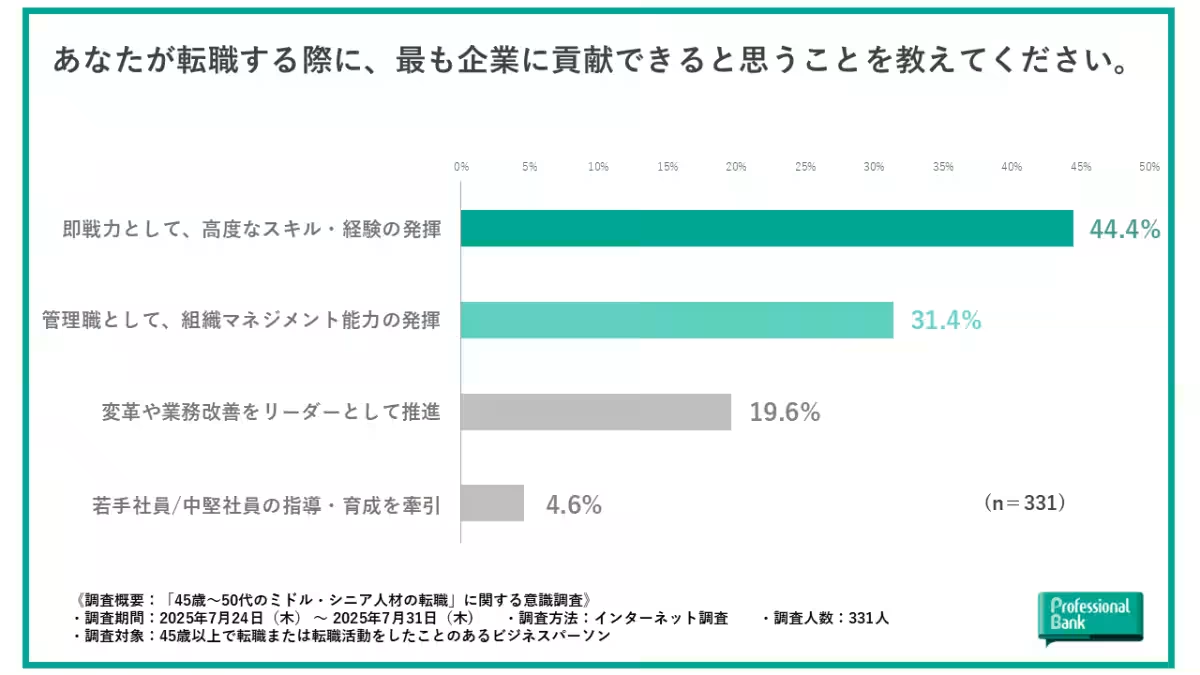
- - Contribution and Value: A significant portion of respondents highlighted their readiness to contribute effectively to enterprises as an immediate asset, emphasizing the need for advanced skills and experiences. Specifically, 44.4% noted that their primary contribution lies in demonstrating high-level skills/experience as immediate value to organizations.
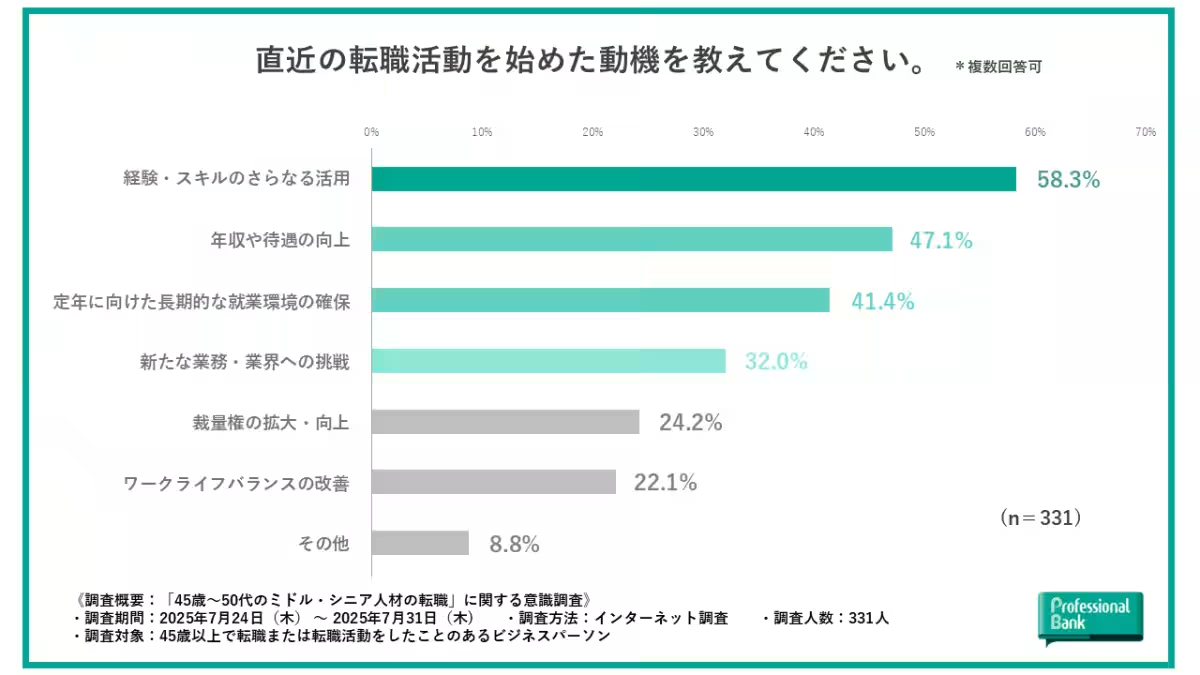
- - Motivations for Job Change: Approximately 58.3% of respondents cited the desire to further utilize their existing skills and experience as the main motivation for their job search, followed closely by seeking improved salary and benefits (47.1%). Other notable motivations included the need for a long-term employment environment to secure stability as they approach retirement.
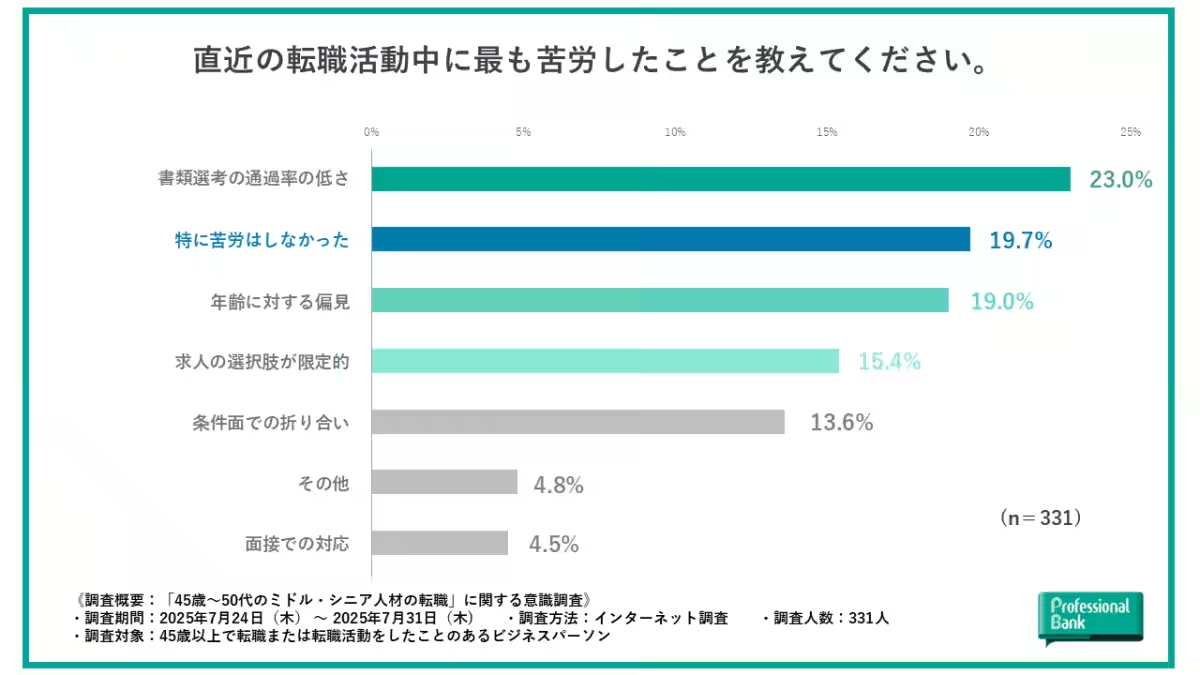
- - Initial Challenges but Unexpected Positivity: The survey identified that mid-career professionals face challenges during the initial phases of their job search, with a notable struggle reported regarding the low success rate in document screenings. However, it was surprising to discover that 19.7% of respondents reported not facing significant difficulties at all, indicating a shift in the narrative surrounding mid-career transitions.
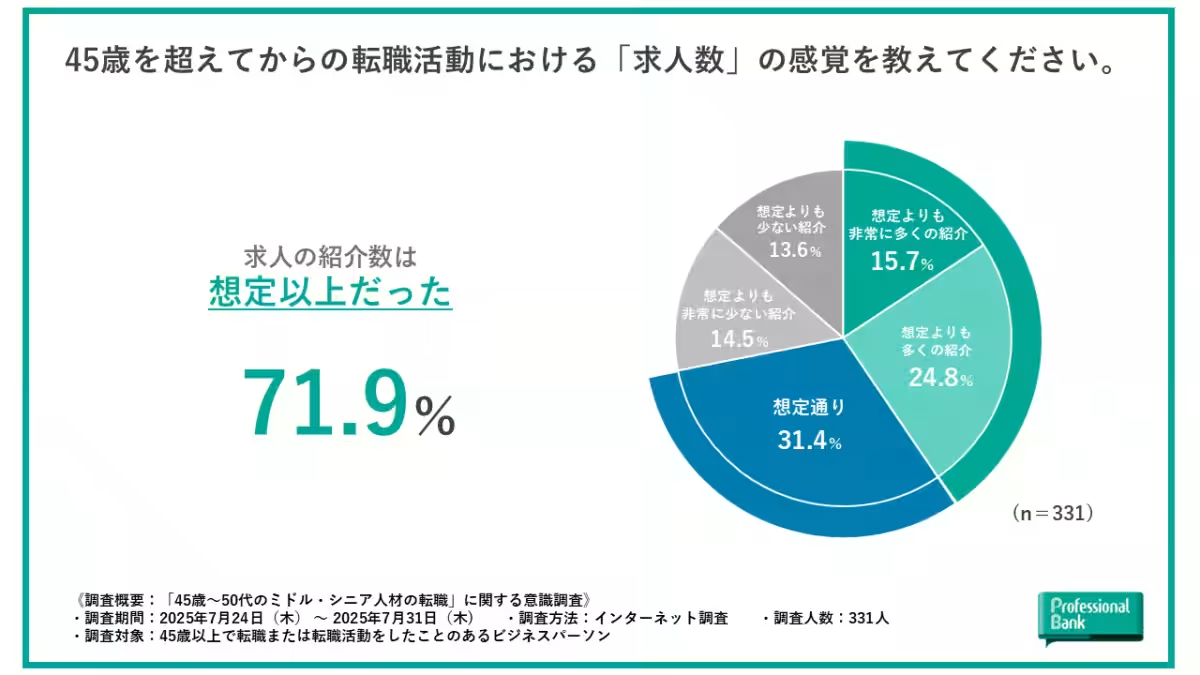
Additionally, over 70% of participants indicated they were introduced to more job opportunities than they initially expected, showcasing an encouraging trend of increasing demand for experienced professionals in the job market.
Positive Employer Feedback
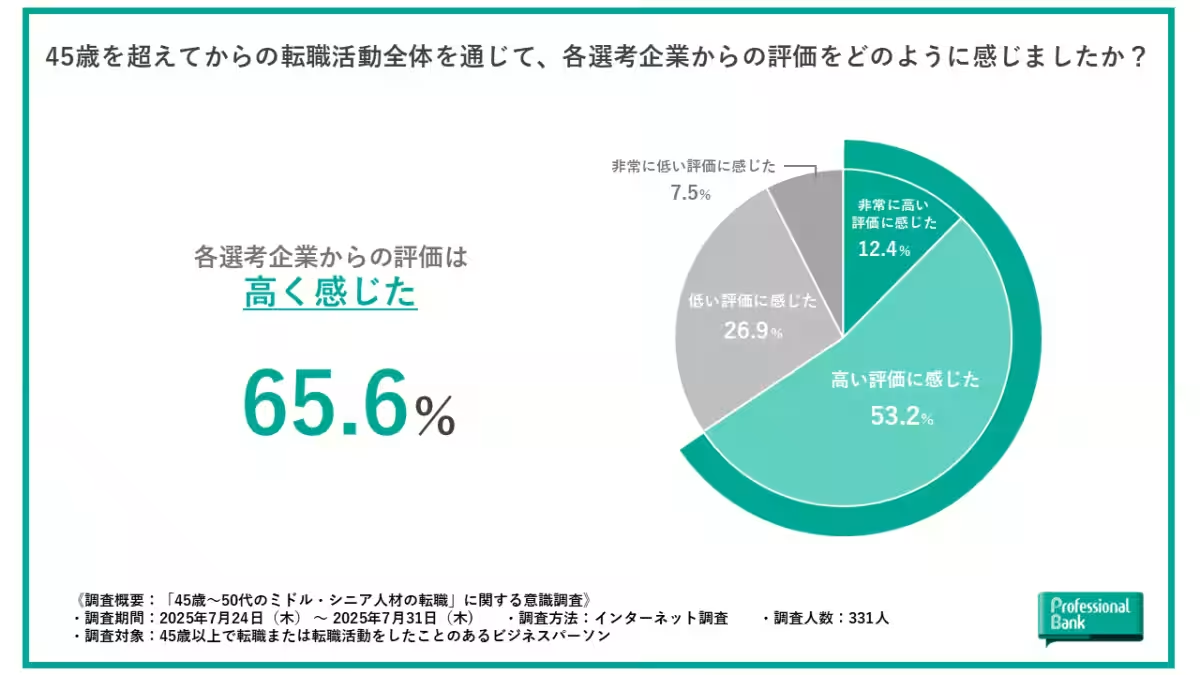
Furthermore, when asked about their experiences with potential employers during their job search, more than 60% of respondents felt they received a favorable evaluation from companies. Specifically, 53.2% mentioned that they perceived a high level of acknowledgment from the firms reviewing their applications.
Financial Impacts of Job Switching
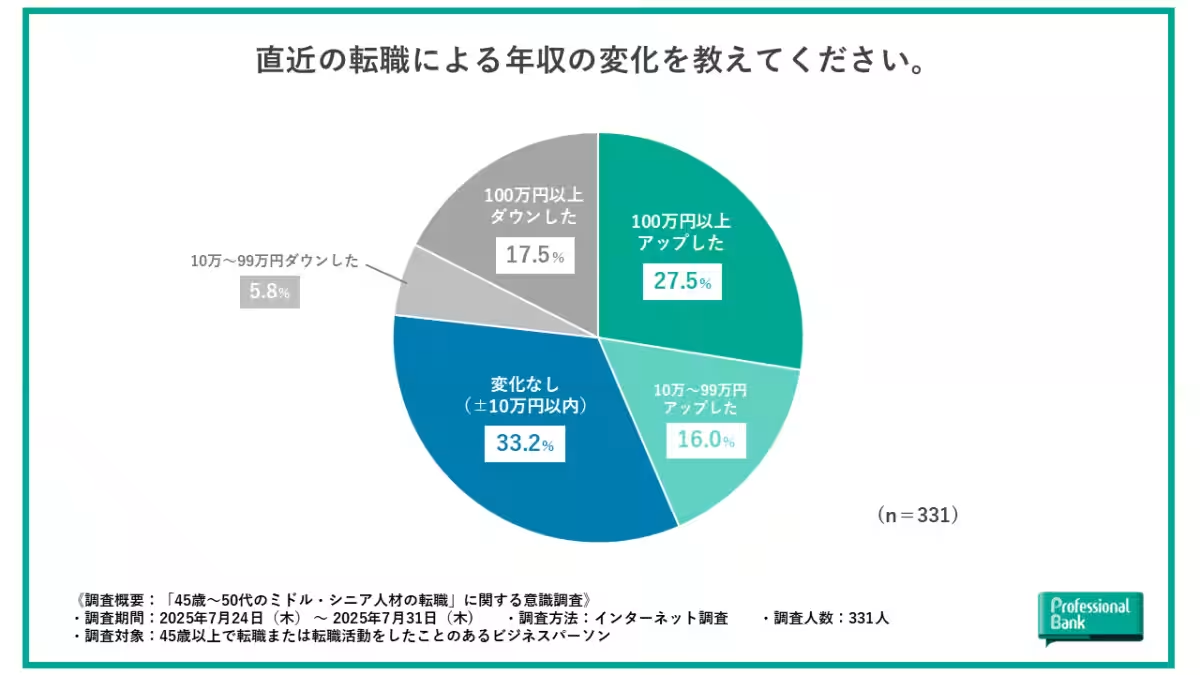
Exploring the financial outcomes of their career transitions, 43.5% of respondents reported that their annual income increased after switching jobs, while about 23.3% faced a decrease in earnings. Interestingly, over a third indicated no significant changes in salary, reflecting the broader market variations in compensation as professionals navigate their next steps.
Strong Desire for New Opportunities
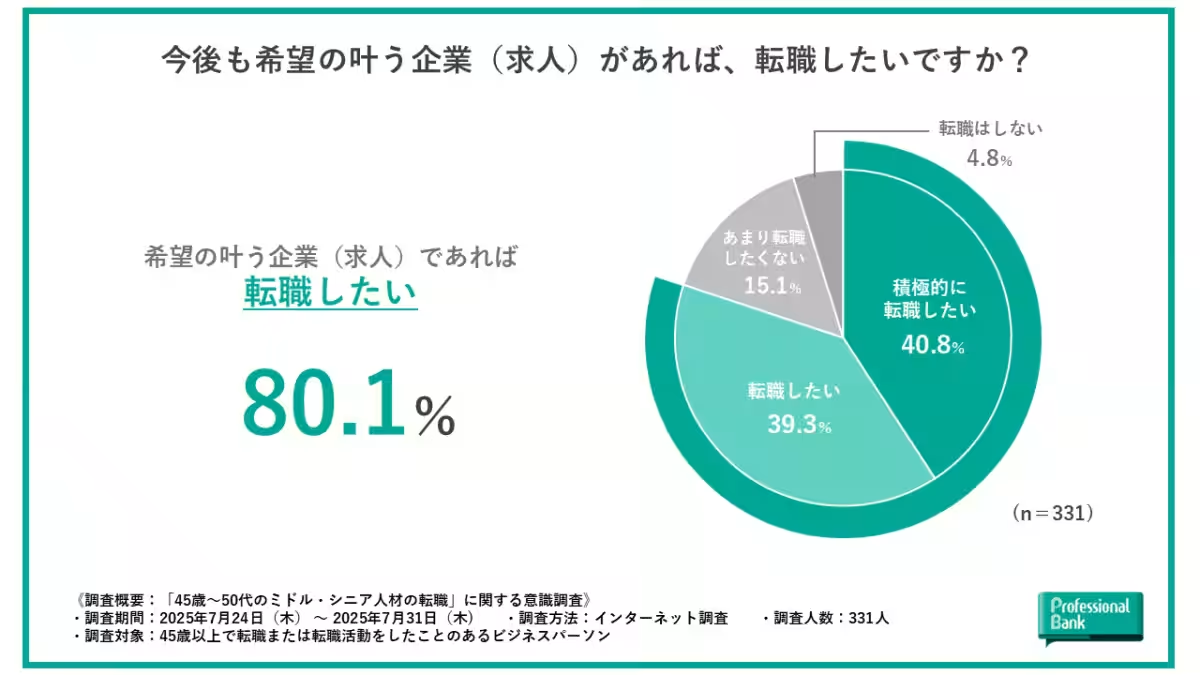
Lastly, the desire to switch jobs remains high. About 80% of the participants expressed a willingness to change jobs if presented with desirable opportunities, indicating a robust and active job-seeking mindset among this demographic. This contrasts sharply with older narratives suggesting that age would hinder career mobility.
Conclusion
The survey results illustrate an evolving perspective on mid-career job changes, showcasing a proactive approach among older professionals to pursue career growth and fulfillment. As the employment landscape continues to change, especially in the context of an aging workforce, it’s vital for companies to adapt their hiring practices to embrace the wealth of experience that mid-career professionals bring.
To further understand the dynamics of this trend, future comparisons with hiring practices and perspectives from employers targeting mid-career talent may provide deeper insights into the current state and future of job transitions among this age group.
About Professional Bank
Established in 2004, Professional Bank is dedicated to creating a prosperous future through its workforce, specializing in headhunting for various industries. Their commitment to facilitating job transitions has positioned them as a crucial player in the evolving job market.
About the HR Research Institute
The HR Research Institute of Professional Bank focuses on disseminating vital information about human resource themes, particularly as businesses navigate increasingly complex hiring landscapes.
Topics Business Technology)
【About Using Articles】
You can freely use the title and article content by linking to the page where the article is posted.
※ Images cannot be used.
【About Links】
Links are free to use.