



Over 90% of Haulers Unable to Fully Pass Fuel Costs Amid Middle East Turmoil
Rising Fuel Costs and Transport Industry Challenges
A significant survey conducted by CUBE-LINX, a company specializing in the support of electric vehicle (EV) and related infrastructure adoption, has revealed alarming insights into the transport industry amid ongoing instability in the Middle East. The survey focused on transport company executives aged between 20 and 60, aiming to investigate the impacts of rising fuel costs caused by geopolitical crises.
Background
The recent instability in the Middle East has triggered a surge in fuel prices, profoundly affecting domestic economic activities, particularly in the logistics sector. While initiatives are underway to ensure fair pricing for transport services, many transport companies face challenges in negotiating price adjustments with clients, leaving them unable to fully pass these increased costs onto their transportation fees. This situation raises concerns regarding their operational viability and potential declines in transportation capacity in the future.
To maintain a sustainable logistics infrastructure, it's essential not only to ensure appropriate cost transfers to client companies but also to reform the mindset of end-users who often expect 'free shipping.' Addressing this issue requires a collective societal approach. However, objective data illustrating the extent of fuel price increases driven by international events and their localized impacts on transport companies are inadequate. This gap in information prompted CUBE-LINX to conduct their detailed survey.
Survey Summary
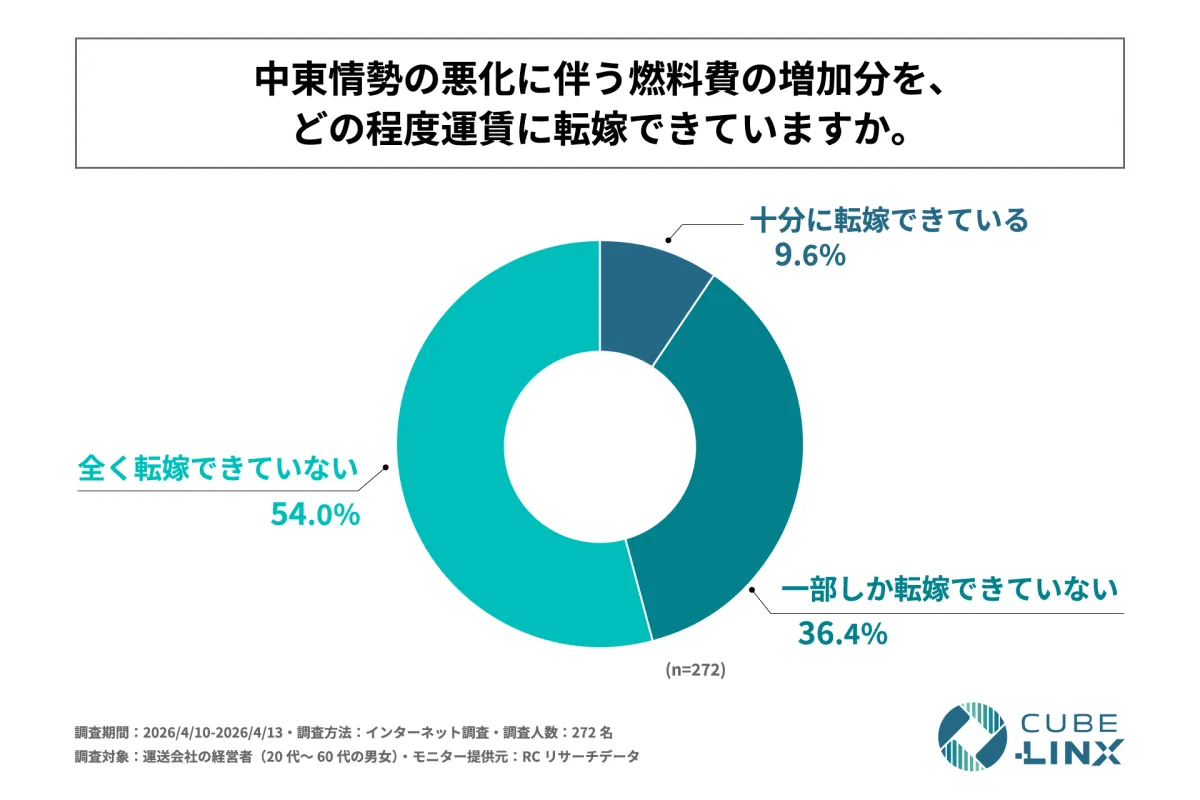
- - Inability to Transfer Costs: Over 90% of transport company executives reported they could not fully transfer the costs associated with rising fuel prices due to instability in the Middle East.
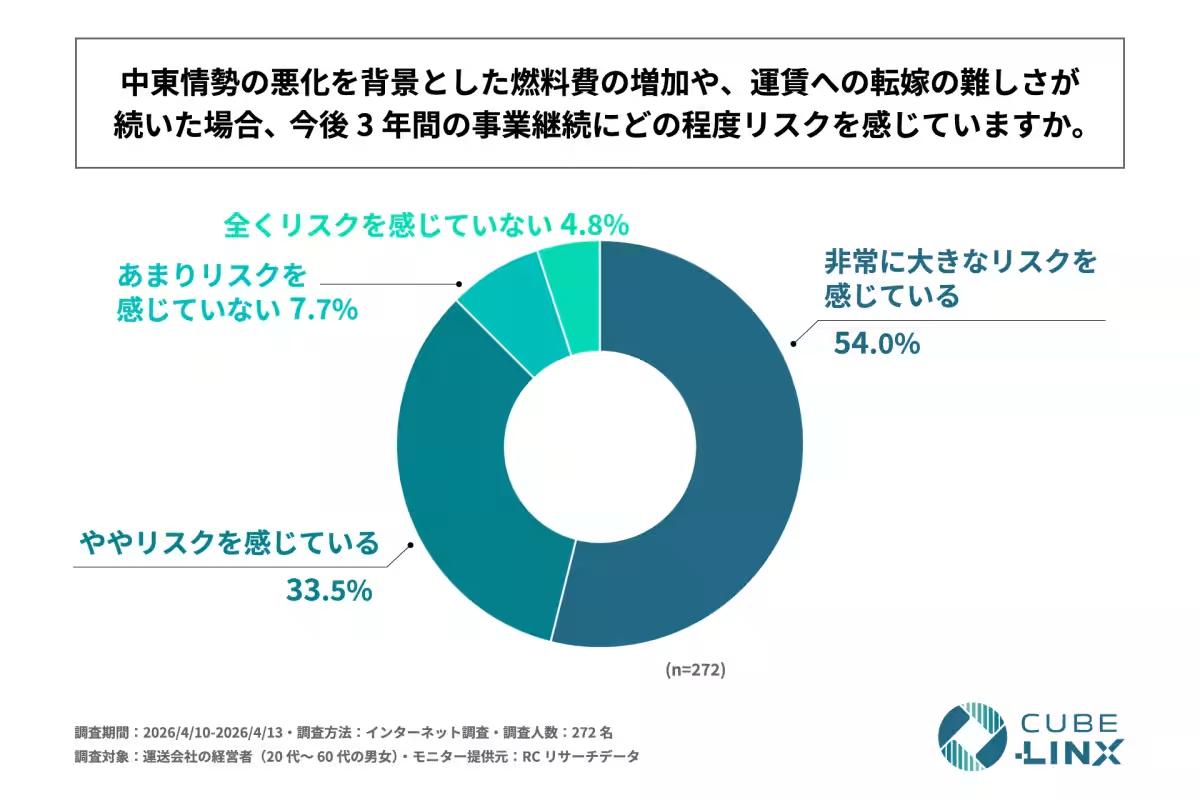
- - Business Continuity Risks: Approximately 90% of those surveyed expressed concern for their sustainability over the next three years if the situation continues, with 54% identifying it as a significant risk.
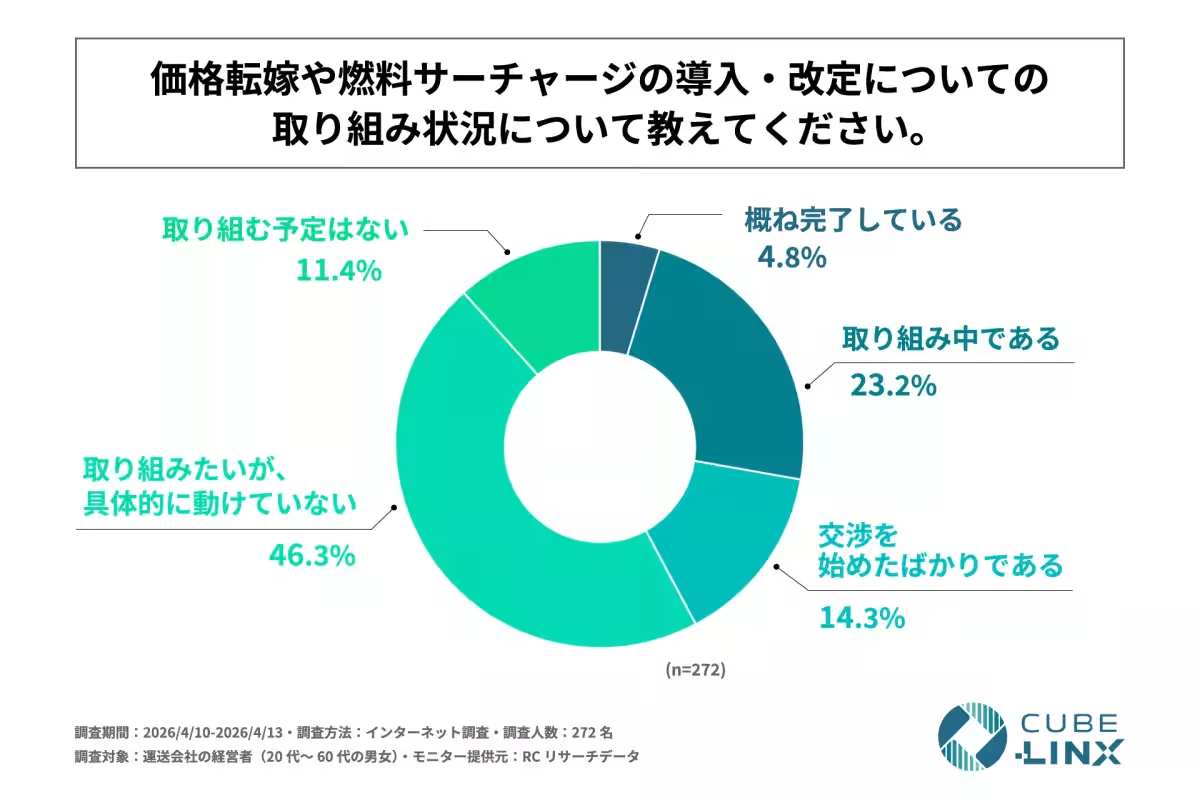
- - Desire but Inaction: Almost half of the executives (46.3%) indicated they wanted to implement price adjustments and fuel surcharges but were unable to take concrete steps.
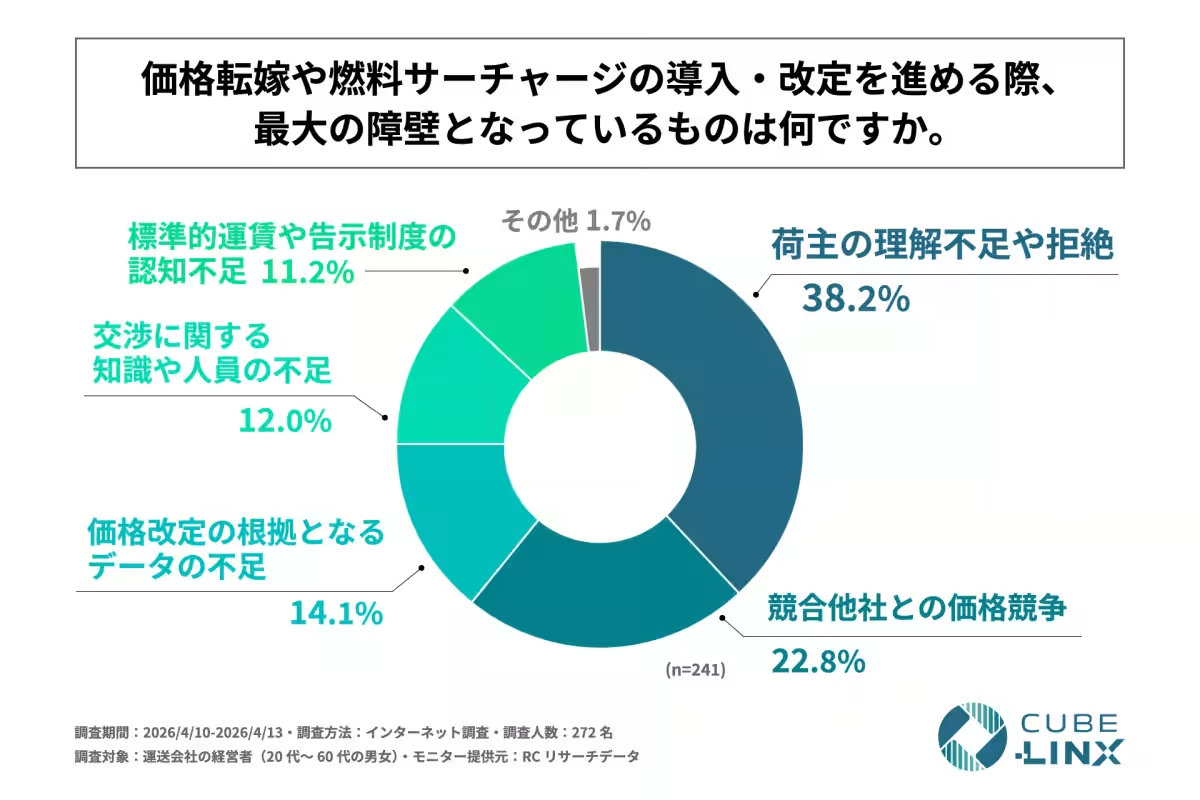
- - Major Barriers: A lack of understanding and resistance from clients emerged as the primary obstacles to implementing pricing changes.
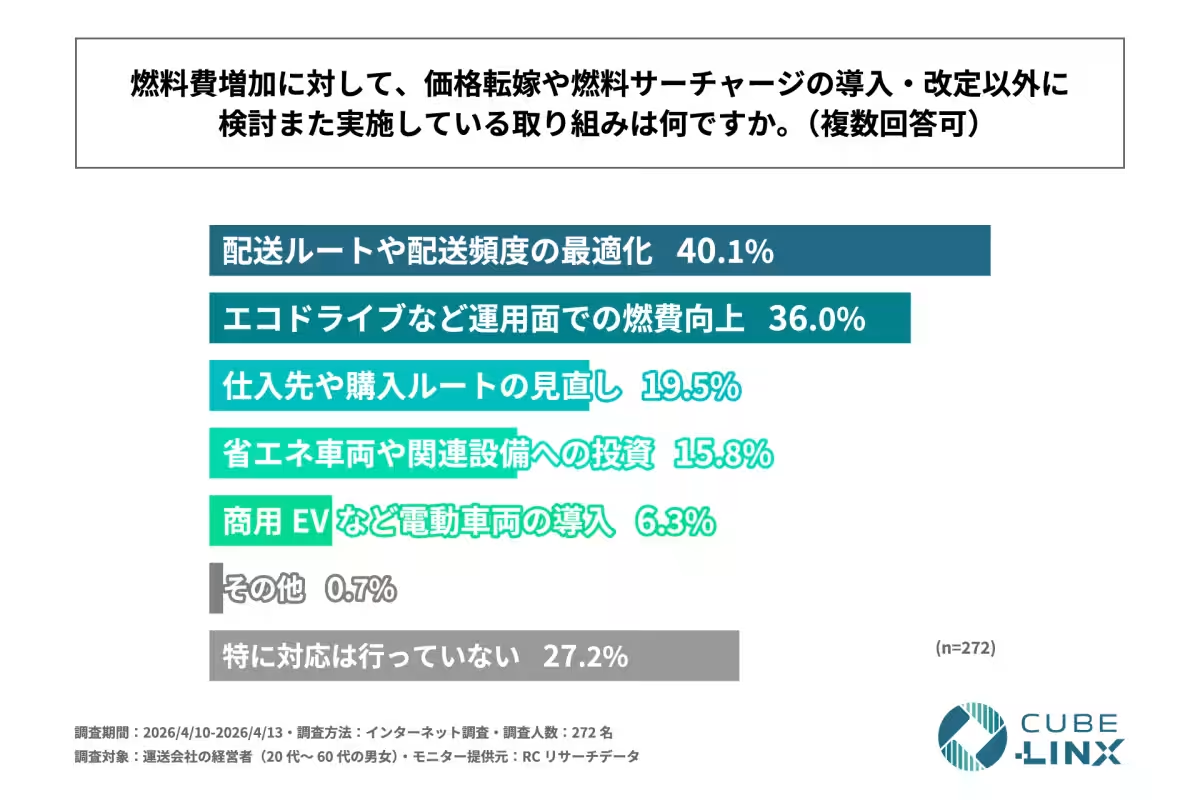
- - Alternative Strategies: As an alternative to raising rates, initiatives such as optimizing delivery routes and enhancing fuel efficiency through ecological driving were frequently cited.
Detailed Findings
In response to the question regarding the transfer of increased fuel costs to transport fees, the most common response was, “not at all” (54%), followed by “only partially” (36.4%), and “sufficiently” (9.6%). Collectively, these indicate that more than 90% are unable to mitigate these rising costs through price adjustments.
Regarding concerns about business sustainability, 54% expressed they feel a “very large risk,” while 33.5% felt “some risk.” This statistic illuminates the significant apprehension among transport company leaders regarding their future viability amid escalating fuel costs and the difficulties in transferring these to their services.
When exploring efforts to adjust pricing or introduce fuel surcharges, 46.3% admitted they aspire to act yet haven't progressed beyond intention. This reveals a gap between desire and action that could severely impact their operations.
One of the major barriers identified was the “lack of understanding or rejection by clients,” holding a significant weight in the challenges faced regarding price modifications (38.2%). In addition, internal issues like competition and insufficient data on which to base cost adjustments were also highlighted.
In terms of alternative strategies to combat rising fuel costs, 40.1% of executives are focusing on optimizing delivery routes, and 36.0% are considering eco-friendly driving practices as a means of improving operational efficiency. Around 27.2% mentioned they are not implementing any specific measures.
Conclusion
The findings of this survey reveal the urgent need for a reevaluation of operational strategies within the transport sector as they face the dual challenges of rising fuel prices and client hesitation towards necessary price adjustments. With a significant proportion of transport companies grappling with their ability to pass on increased fuel costs and navigate future business risks, CUBE-LINX's commitment to facilitating the transition to electric commercial vehicles stands out as a proactive measure for cost reduction and sustainability in logistics.
CUBE-LINX offers a comprehensive support service for commercial EV and charging infrastructure, aiming to reduce operational expenses and foster a more sustainable logistics framework. This service assists in planning, applying for subsidies, and managing energy systems for efficient EV deployment, addressing pressing societal challenges regarding fuel dependence.
For more information, CUBE-LINX invites interested parties to explore their Commercial EV and Charging Support Service.
About CUBE-LINX
CUBE-LINX is headquartered in Hino City, Tokyo, and specializes in consulting services for electric vehicles and related infrastructure. Their offerings include integrated management services for vehicle and charging equipment, as well as optimizing energy usage management. More details can be found at CUBE-LINX Website.

Topics Consumer Products & Retail)
【About Using Articles】
You can freely use the title and article content by linking to the page where the article is posted.
※ Images cannot be used.
【About Links】
Links are free to use.