



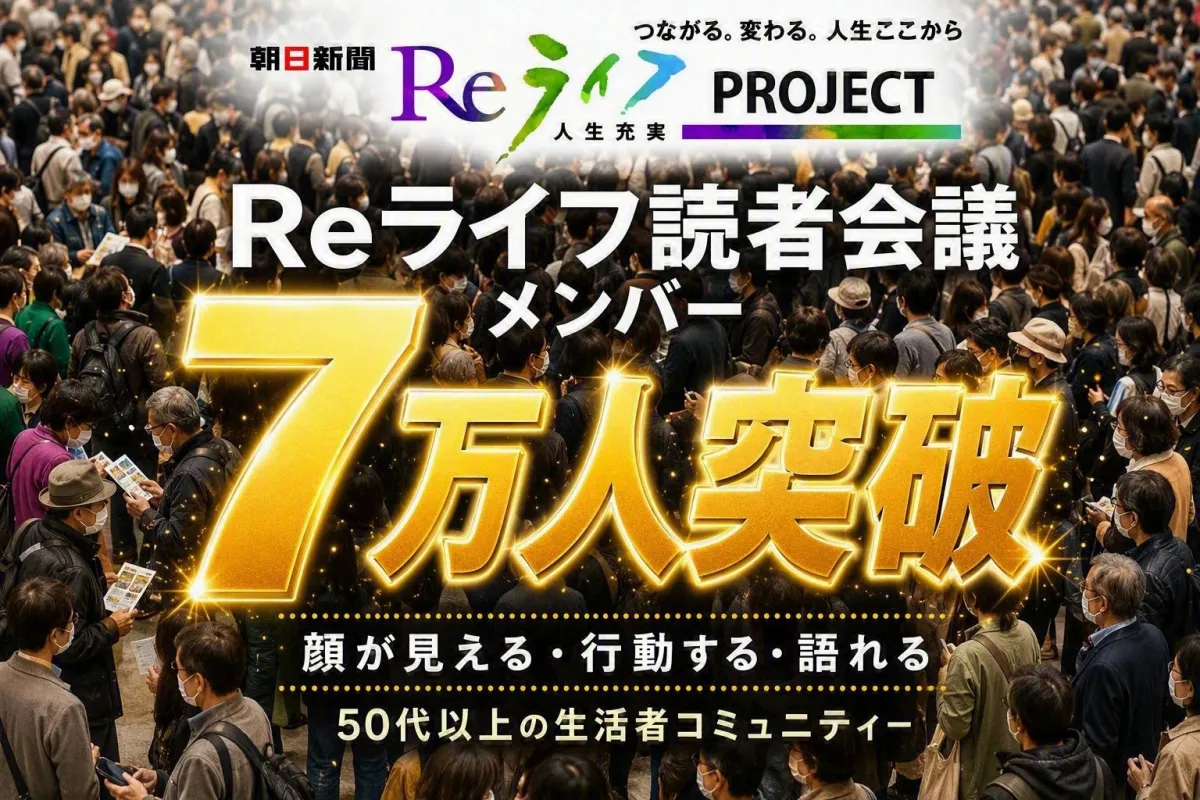
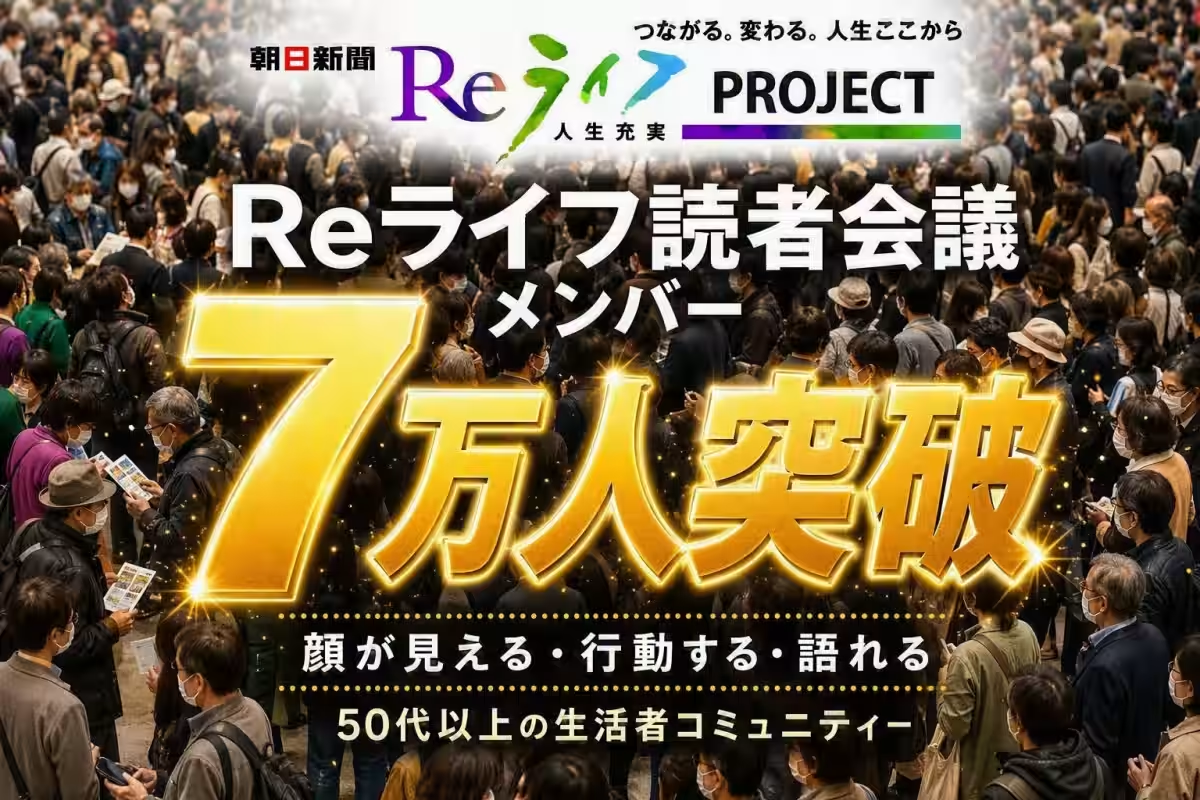
Asahi Shimbun's ReLife Project Surpasses 70,000 Members in Reader Conference
Asahi Shimbun's ReLife Reader Conference Surpasses 70,000 Members
As the aging population grows, initiatives that cater to the unique needs of older adults have become increasingly crucial. One such leader in this field is the ReLife Project by Asahi Shimbun, which has successfully crossed a significant milestone: more than 70,000 members in its Reader Conference as of August 2026. This achievement is a testament to the project’s rising popularity and its commitment to enriching the lives of individuals aged 50 and above.
Growth and Participation in the Community
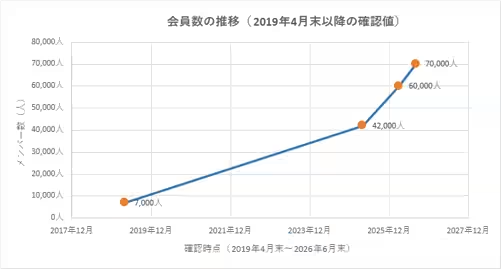
Launched in 2014, the ReLife Project focuses on creating a vibrant community for those in their later years, encouraging them to live fulfilling lives. The concept has steadily gained traction, resulting in a remarkable increase in membership. Notably, over the past year alone, about 28,000 new members have joined, reflecting the growing interest in leading an active life during one’s later years. The membership numbers have increased tenfold since 2019, highlighting a strong demand for resources and community engagement.
The demographic breakdown of the members showcases a balanced participation with 22% in their 50s, 35% in their 60s, and 28% in their 70s. Particularly notable is the growing interest among those in their 50s, driven by factors such as extended work-life and diverse career paths. This changing landscape signifies a shift in how individuals in this age group approach their second chapter of life.
Active Engagement and Events
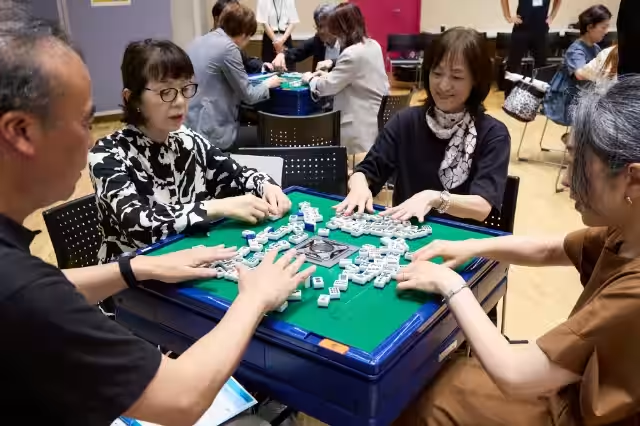
Members are not just passive participants; they actively engage in various community events and discussions. The ReLife Project regularly organizes small-group events covering topics like health, hobbies, finances, and end-of-life planning. Approximately 33,000 active members engaged in at least one event, survey, or campaign in 2025, indicating a remarkable rate of participation. In fact, around 11,000 members have taken part in events multiple times, demonstrating a commitment to community and personal growth.
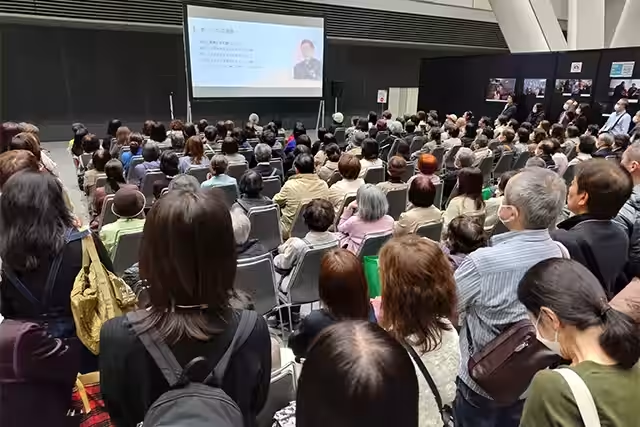
A highlight of the project was the ReLife Festival 2026, held at the Tokyo International Forum, which attracted around 8,000 attendees. The festival featured popular sessions that received over 20 times the number of applicants than seats available, clearly showcasing public enthusiasm. Additionally, the project’s promotional campaigns garnered over 10,000 applications at times, further signifying an engaged membership base.
Collaborative Opportunities and Insights
Among the members are individuals possessing excellent communication skills, capable of articulating their experiences and perspectives regarding societal issues. The free-text responses collected in surveys often reveal genuine insights into consumer behavior and personal values that traditional market research might overlook. This wealth of qualitative data enables the ReLife community to identify emerging trends and behaviors that could shape future products and services.
Given the high participation of socially conscious members, the surveys conducted often yield results that diverge from conventional statistics. This variance provides valuable insights into potential future customer profiles and societal changes, offering companies a glimpse into evolving consumer needs.
Partnering with Organizations
The ReLife Reader Conference has positioned itself as a collaborative platform for businesses, local governments, and various organizations. This includes life-style research, insight gathering, product development, organizing monitoring projects, and crafting collaborative content for articles—both in print and online. An example of this collaboration includes a focus on health-related topics, such as a dialogue among members concerning gut health, which resonated well with the audience.
Moreover, readers keen on travel have contributed their opinions for developing the ideal travel bag, showcasing how collaborative insights can lead to consumer-driven products.
Conclusion
The ReLife Project and its Reader Conference stand as a beacon for active engagement and community building among older adults in Japan. By consistently maintaining an interconnected and informed population, the ReLife initiative promotes not just advocacy for elderly lifestyles but also participation in shaping their future, thus allowing members to live richer lives. With initiatives like the ReLife Reader Conference, the path forward looks promising for fostering a community that values the wisdom and experiences of its members.

Topics People & Culture)
【About Using Articles】
You can freely use the title and article content by linking to the page where the article is posted.
※ Images cannot be used.
【About Links】
Links are free to use.