



The Growing Use of Freelancers in Marketing: A 2025 Survey Reveals Talent Shortage in Corporations
The Growing Demand for Marketing Freelancers
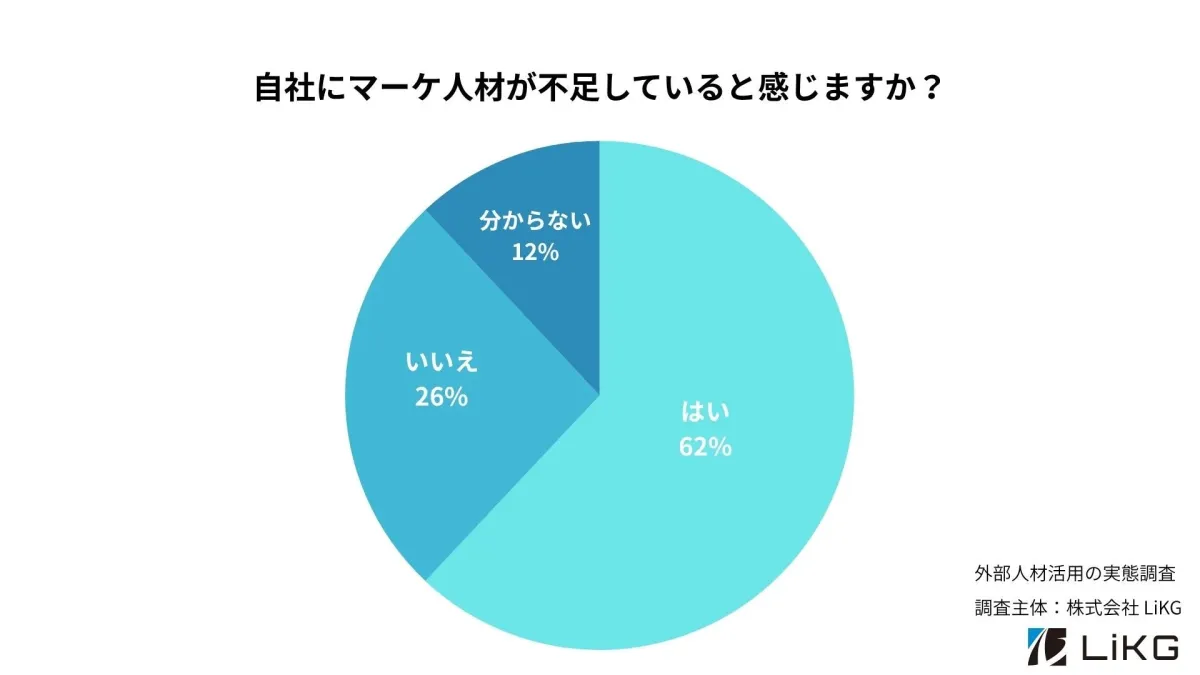
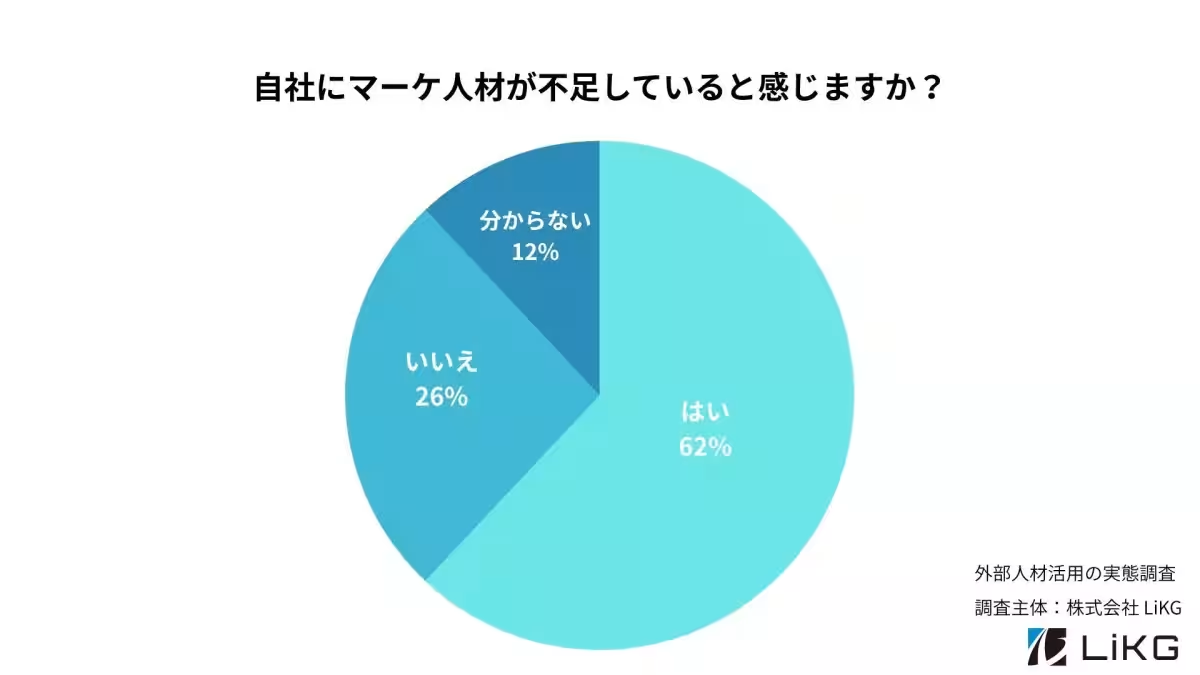
A new survey conducted by LiKG, a Tokyo-based company, highlights a critical finding in the business landscape: 62% of companies report a shortage of marketing personnel. This alarming statistic reflects the growing need for skilled marketing talent amid rapid changes in technology and consumer behavior.
The Survey and Its Implications
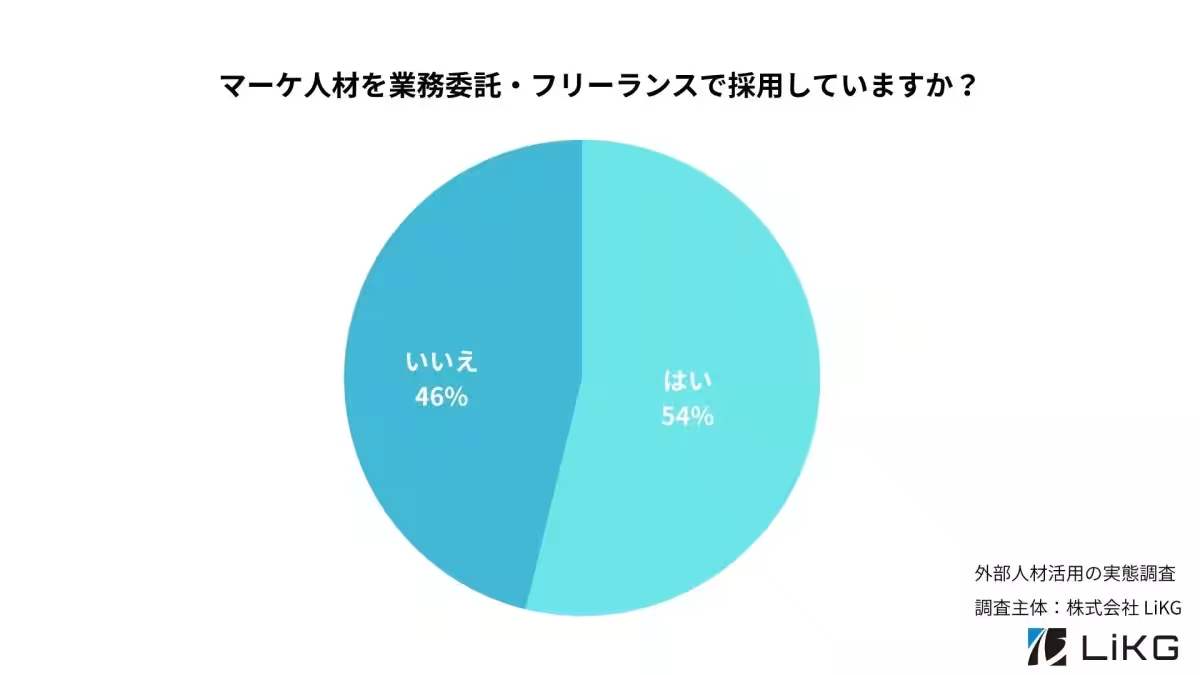
LiKG surveyed 300 professionals working in marketing departments across various industries as part of their "Freelancer Utilization in Marketing Departments 2025" study. The results demonstrated that many businesses are actively seeking external support due to the escalating demand for specialized skills. Over half of the companies surveyed are leveraging freelancers, illustrating a significant shift from traditional outsourcing methods, like using advertising agencies, to hiring independent professionals with specific expertise.
Key Findings: Talent Shortage
The survey starkly illuminates the talent gaps within organizations. Out of the 300 respondents, 210 expressed concerns regarding insufficient marketing resources within their firms. Notably, this sentiment is prevalent across companies of varying sizes, including those with over 100 employees, where about 60% acknowledged their struggles in maintaining adequate in-house marketing teams. This data challenges the conventional belief that large corporations can easily attract ample talent, showcasing a universal issue across business sizes.
Freelance Utilization on the Rise
The results also indicated that 161 respondents confirmed utilizing outsourced or freelance services. The usage of freelancers is expanding beyond mere project assistance; firms are increasingly including these professionals in critical roles, particularly in marketing strategy consultation and digital marketing management. The shift suggests that businesses are recognizing the importance of integrating specialized skills from freelancers to enhance their operational capabilities.
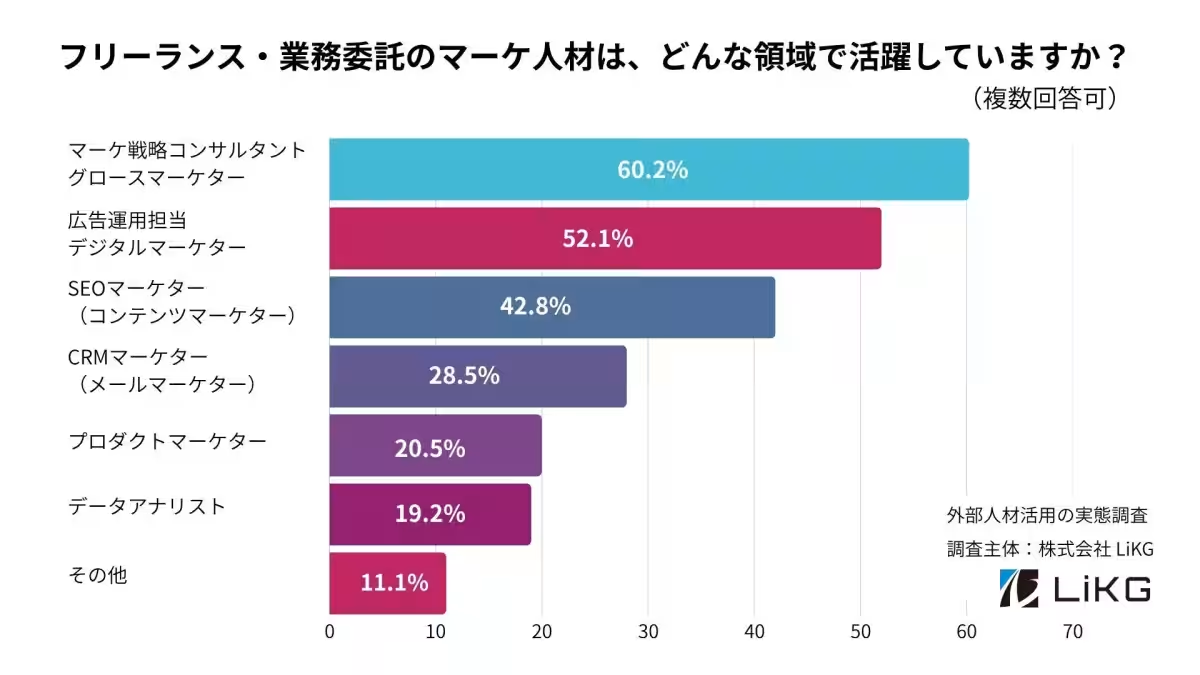
Among the fields where freelancers are making their mark, the survey revealed that the most frequent roles being filled are strategic consultants and growth marketers (60.3%), followed closely by advertisement operators and digital marketers (52.2%), and SEO experts (42.9%). This trend signifies a movement towards utilizing freelancers for roles that shape strategy and drive business decisions, thus improving competitive advantage.
Benefits and Challenges of Freelance Engagement
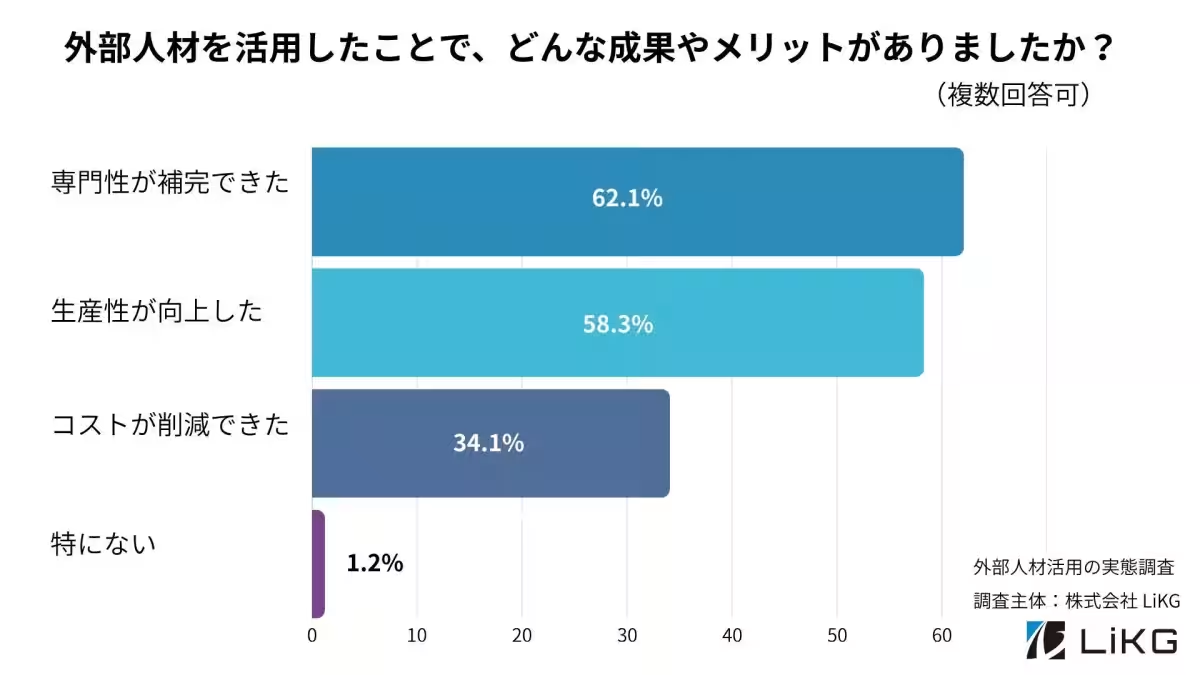
Companies employing freelancers cited numerous advantages, such as filling expertise gaps (62%) and boosting overall productivity (58%). Additionally, 34% of respondents reported experiencing cost savings through this model, indicating that hiring freelancers can lead to more flexible and effective resource allocation compared to traditional full-time hires.
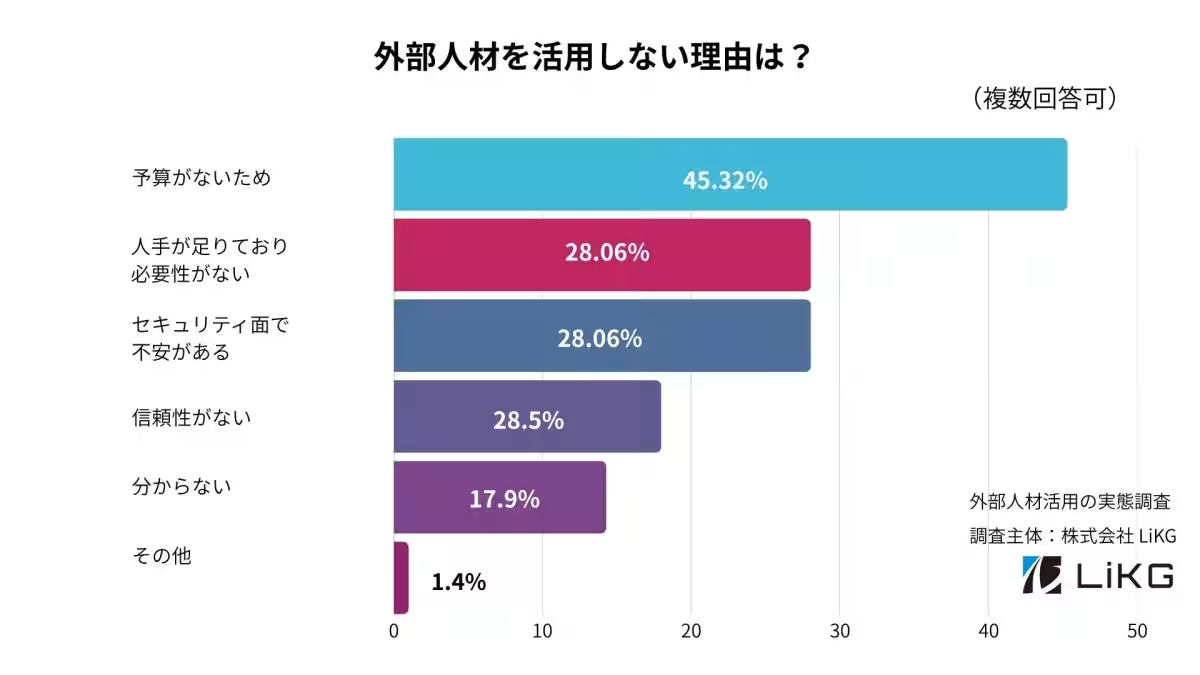
However, this reliance on freelancers also surfaces various challenges. For 46.3% of companies not engaging freelancers, the primary concern lies in budget constraints (45.3%). Other reasons include feeling adequately staffed (28.1%) and worries regarding security (28.1%). These concerns underline the necessity for firms to evaluate their staffing strategies and the associated risks of integrating freelance resources, particularly in the face of increasing remote work dynamics.
Communication and Collaboration: Areas for Improvement
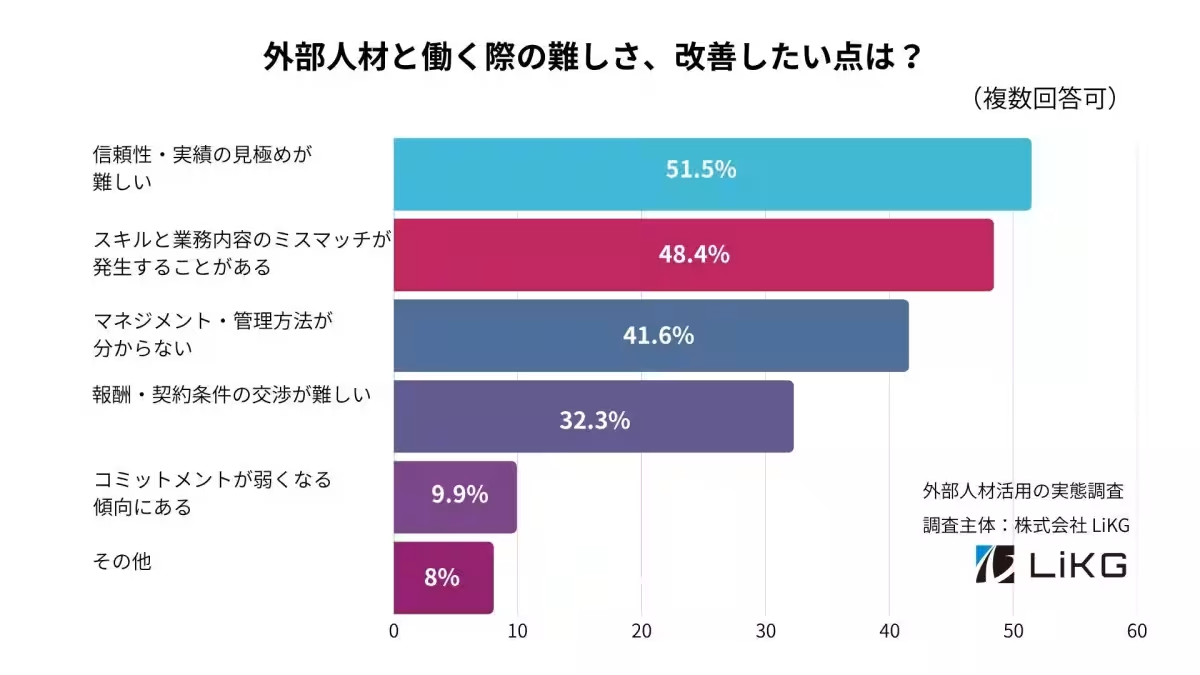
When probing into the challenges of collaborating with freelancers, communication emerged as the most significant hurdle (27%). Other noted challenges included unclear ROI related to costs (19%) and rigid contract terms (15%). These insights emphasize the importance of establishing robust frameworks for measuring success and creating efficient communication protocols when working with external talent.
The Path Forward: Addressing Freelance Integration
The survey unearthed valuable opinions from respondents about aspects they'd like to see improved when working with freelancers. Suggestions focused on enhancing communication practices, improving the transparency of outcomes, refining cost structures, and ensuring that the chosen freelancers possess the requisite expertise. As the prevalence of freelancers grows, the challenge for companies will be to develop internal processes that seamlessly integrate external talents while aligning them with company objectives.
In summary, the findings from LiKG's study highlight the increasing demand for freelance marketing professionals amid a notable talent shortage within organizations. Companies must now prioritize enhancing their frameworks for engaging freelancers to better manage collaboration, expectations, and outcomes effectively. By doing so, they can optimize their marketing strategies and remain competitive in a rapidly evolving market.
About LiKG
LiKG is committed to maximizing intrinsic human potential through its comprehensive services in web marketing and web production. Recognizing the importance of effective communication and outcome visibility when utilizing freelance talent, LiKG provides continuous support to companies looking to integrate freelancers effectively while addressing organizational structure challenges.
For companies struggling with freelance integration or talent shortages, please visit LiKG's website for more information.
Topics Consumer Products & Retail)
【About Using Articles】
You can freely use the title and article content by linking to the page where the article is posted.
※ Images cannot be used.
【About Links】
Links are free to use.