



Understanding Management Perceptions and Dynamics from Leaders: Key Insights from Research
Insights into Managerial Perceptions and Their State of Management
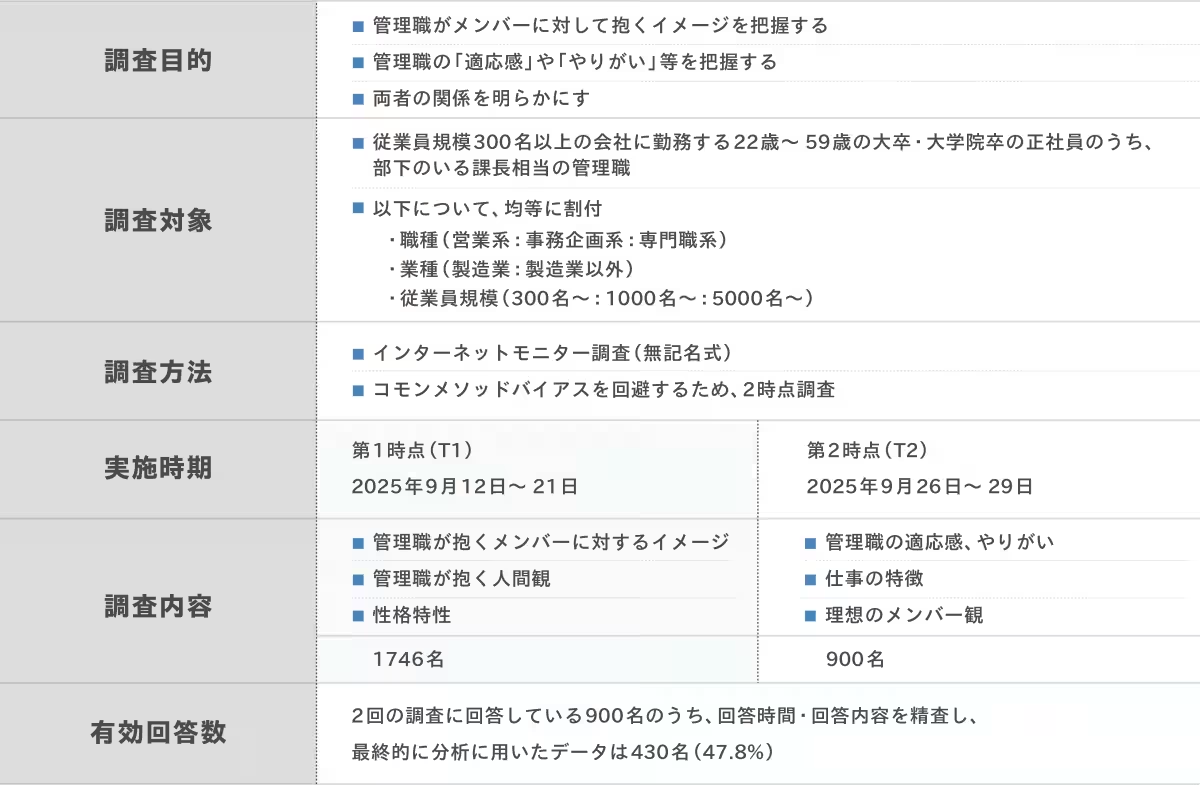
Recruit Management Solutions, a leading company based in Tokyo, Japan, recently published findings from their survey titled "Management Perceptions of Team Members and State of Management." This important study aimed to analyze the perceptions and adaptability of managers while focusing on their sense of purpose within their roles, the pressures they face, and their relationships with team members.
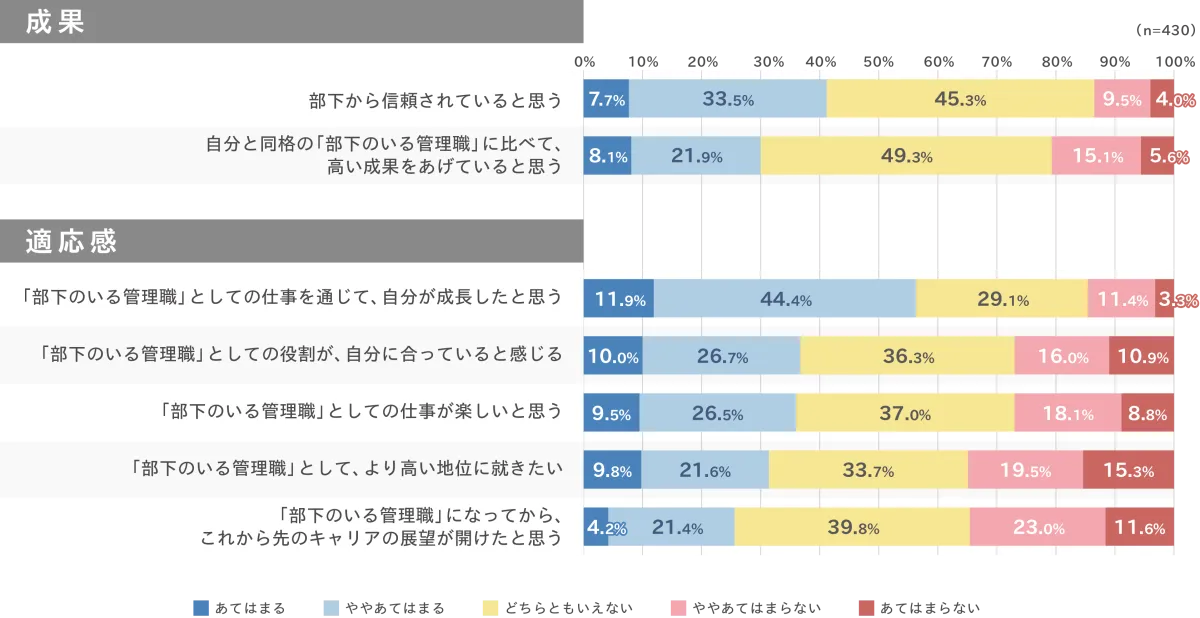
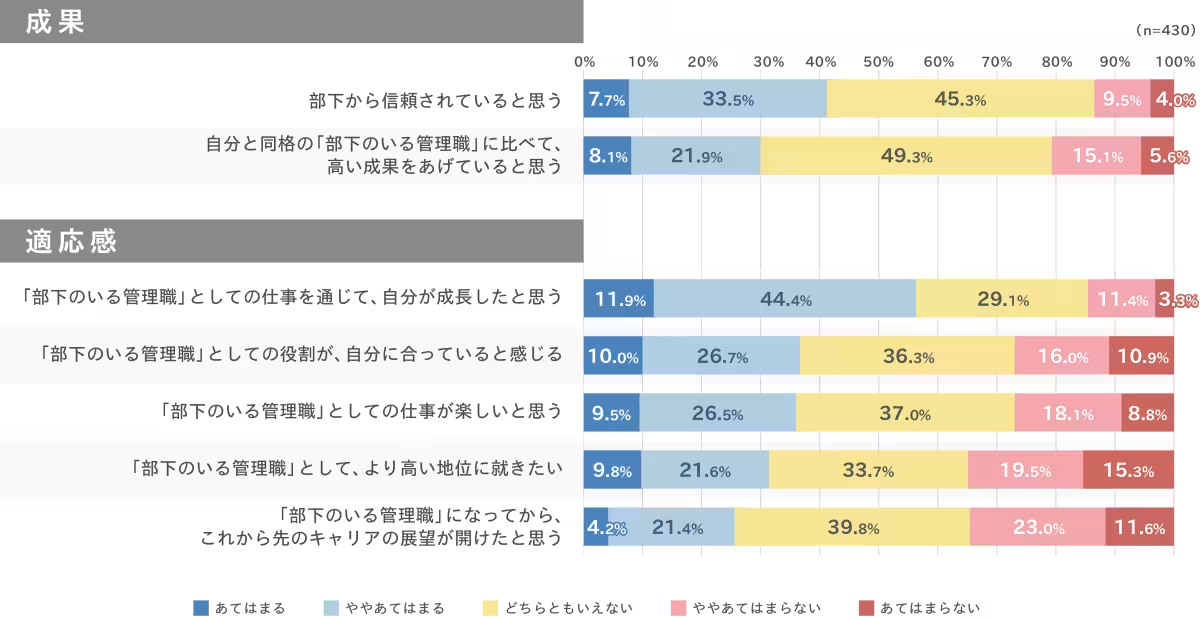
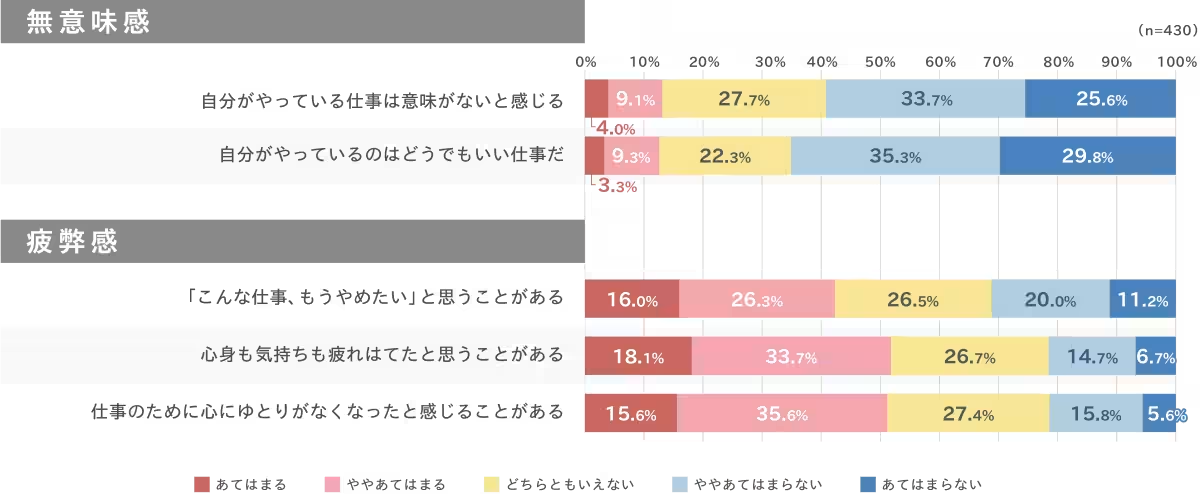
The research reveals a nuanced reality for managers, illustrating that while they experience a sense of professional growth, they also contend with feelings of urgency and fatigue. This duality suggests that managerial experiences often encompass both positive and negative elements, highlighting the complex nature of their roles.
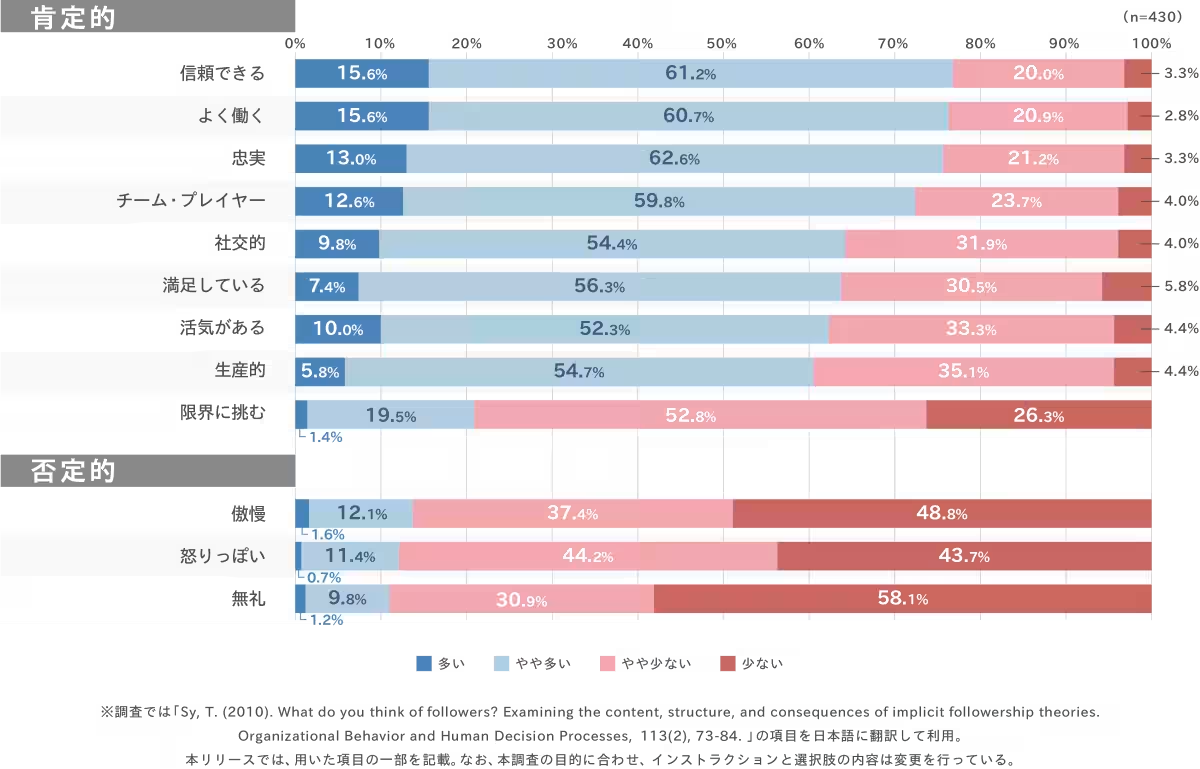
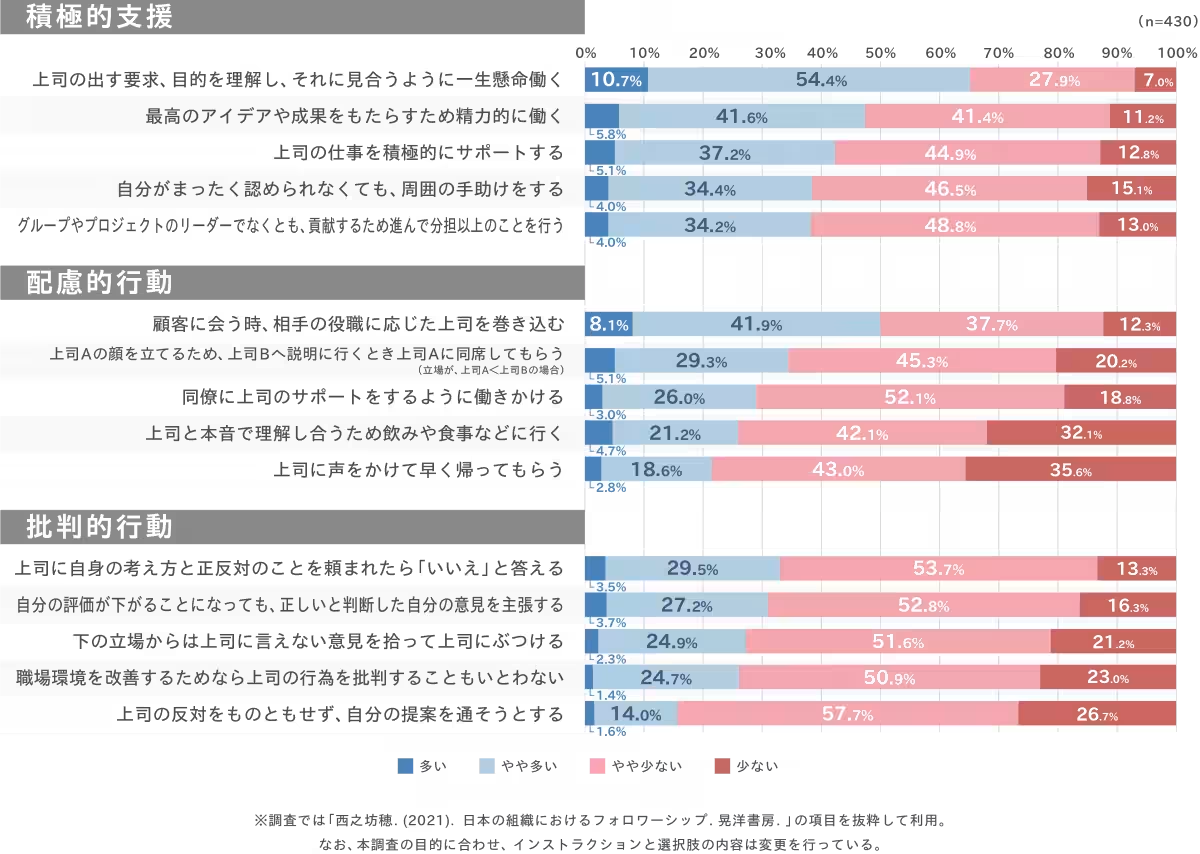
Additionally, the study found that managers tend to hold positive views of their team members, with many recognizing them as trustworthy and effective team players. However, there are notable discrepancies when it comes to acknowledging proactive follower behaviors among team members. Not all managers believe that the support and initiative they desire from their teams are plentiful, indicating a gap in mutual perception.
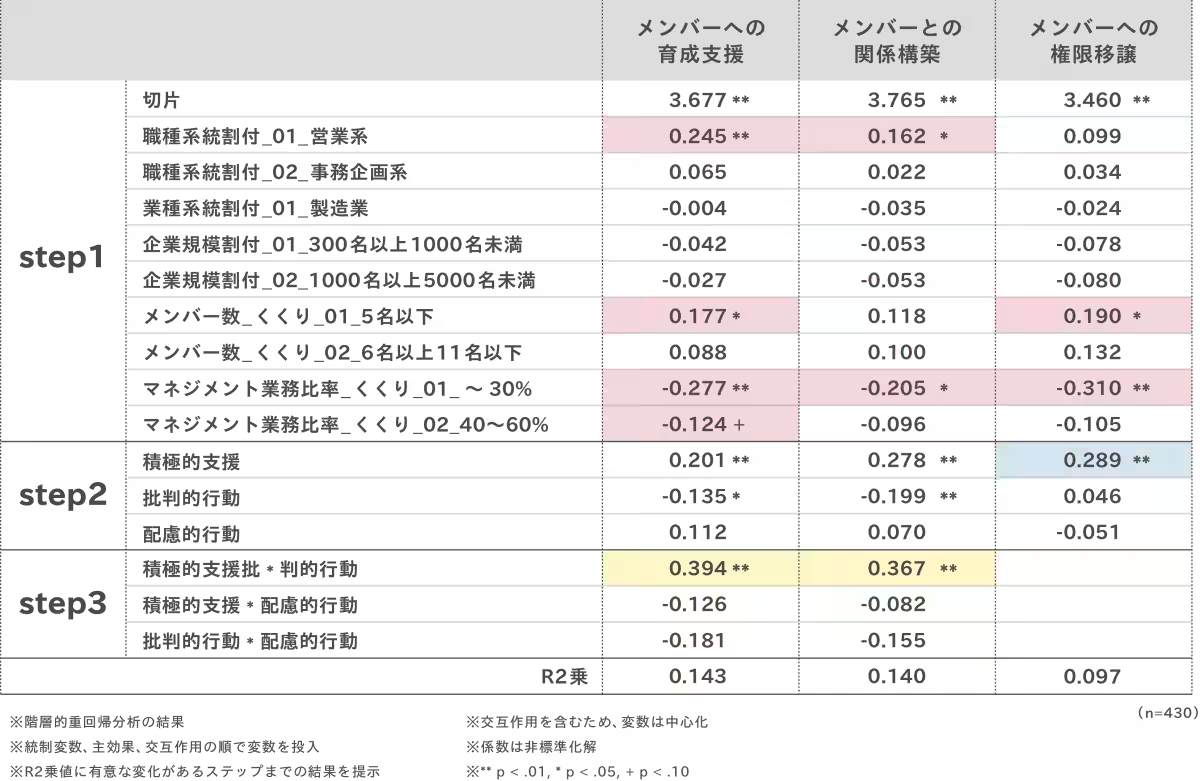
In further analyses, it became evident that the way managers perceive their teams correlates with their own sense of engagement and fulfillment in their managerial roles. Specifically, managers who believe that their teams consist of supportive members report feeling more dedication to fostering strong relationships and developmental support, crucial elements of effective management behavior.
The study points to an interesting finding: when managers perceive a higher number of supportive team members, it may also lead to their belief that many team members engage in constructive criticism. Conversely, if a manager feels that there are fewer supportive team members, even positive criticism from those team members can diminish their motivation and positive feelings, showcasing the influence of these perceptions on managerial satisfaction.
From this study, it becomes clear that a manager's sense of engagement and positivity in their role can be shaped significantly by how they recognize the behaviors and attitudes of their team members. Therefore, it is critical not only to focus on the personal development of managers but also to enhance follower behaviors among team members. Improving the quality of interactions within teams to foster positive perceptions will significantly contribute to managerial effectiveness.
Overall, the findings from this research could provide a foundational framework for supporting managers and rethinking team dynamics in contemporary organizational settings.
Executive Summary:
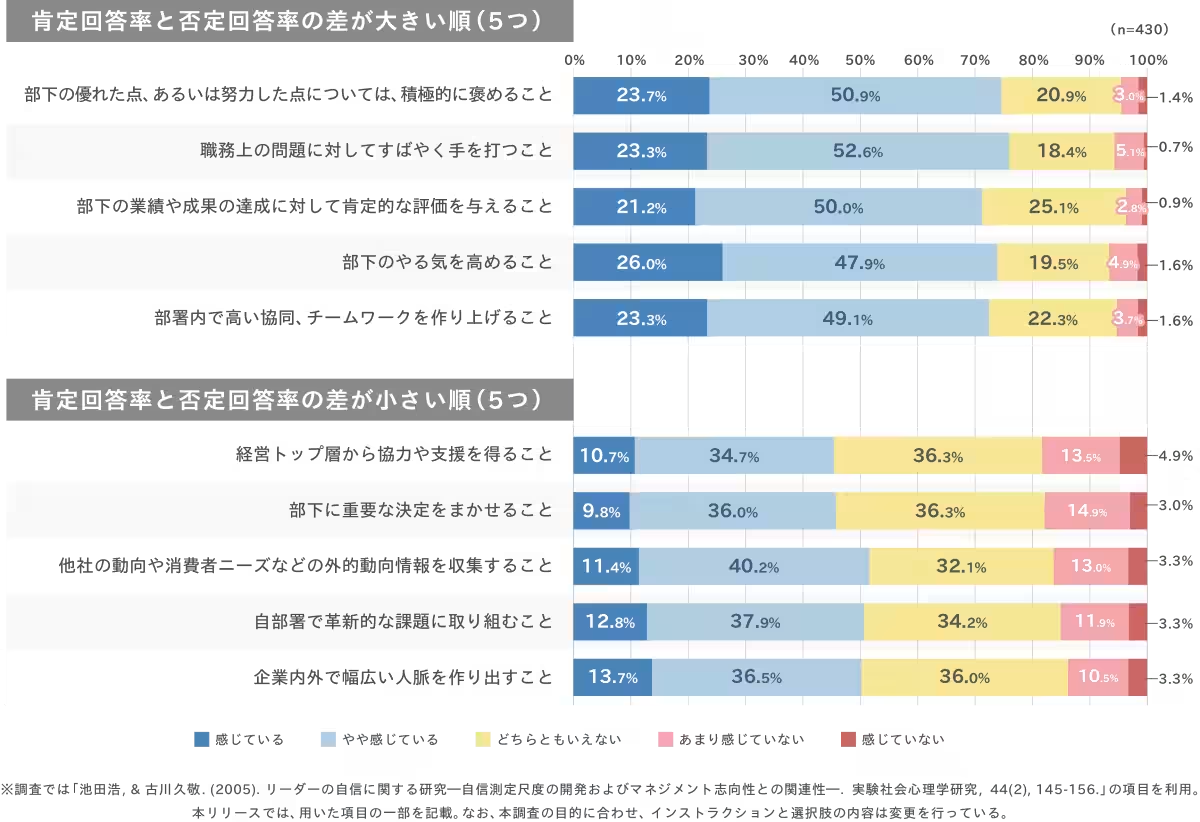
- - Managers experience both a sense of purpose and urgency, feeling pressure and fatigue in their roles.
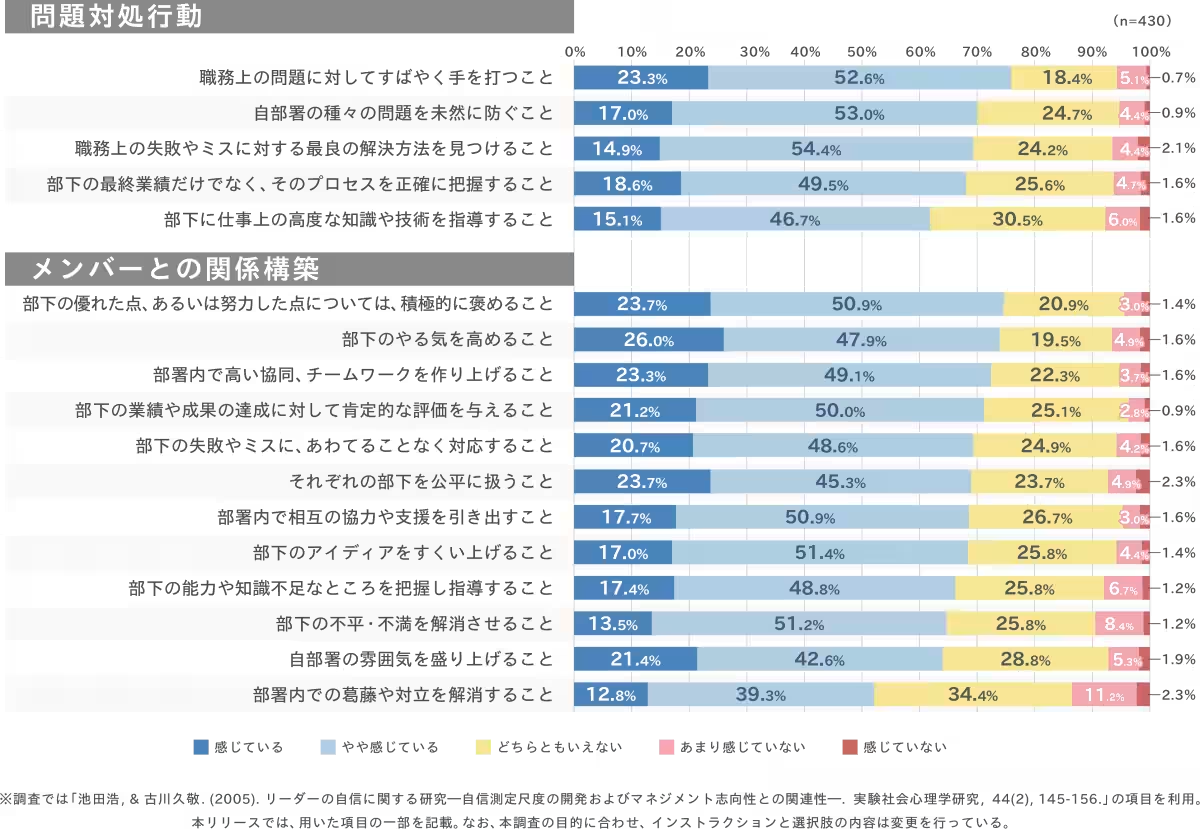
- - While they derive satisfaction from core management activities like team development and goal setting, they find less engagement in actions that drive innovation, particularly involving external collaboration.
- - There’s a predominant perception among managers that their team members are reliable and productive; however, they do not perceive a strong presence of proactive follower behavior, especially in terms of constructive feedback.
- - Managers who perceive a greater number of supportive members tend to report higher management efficacy and adaptability.
Study Overview:
The survey by Recruit Management Solutions explored how managers perceive their team members and how those views relate to their own management behaviors and psychological states. The implications of these findings suggest a need for organizations to foster environments where managerial and team interactions can thrive, ultimately enhancing overall workplace management.
Recruit Management Solutions, established in 1963, provides comprehensive solutions addressing various organizational issues, focusing on individual and organizational development. Their platform supports effective assessment, training, and consulting services dedicated to improving business and human resource outcomes.

Topics People & Culture)
【About Using Articles】
You can freely use the title and article content by linking to the page where the article is posted.
※ Images cannot be used.
【About Links】
Links are free to use.