



Over 22,000 Participants Take the National Self-Care Examination: Results Revealed
National Self-Care Examination: Results Overview
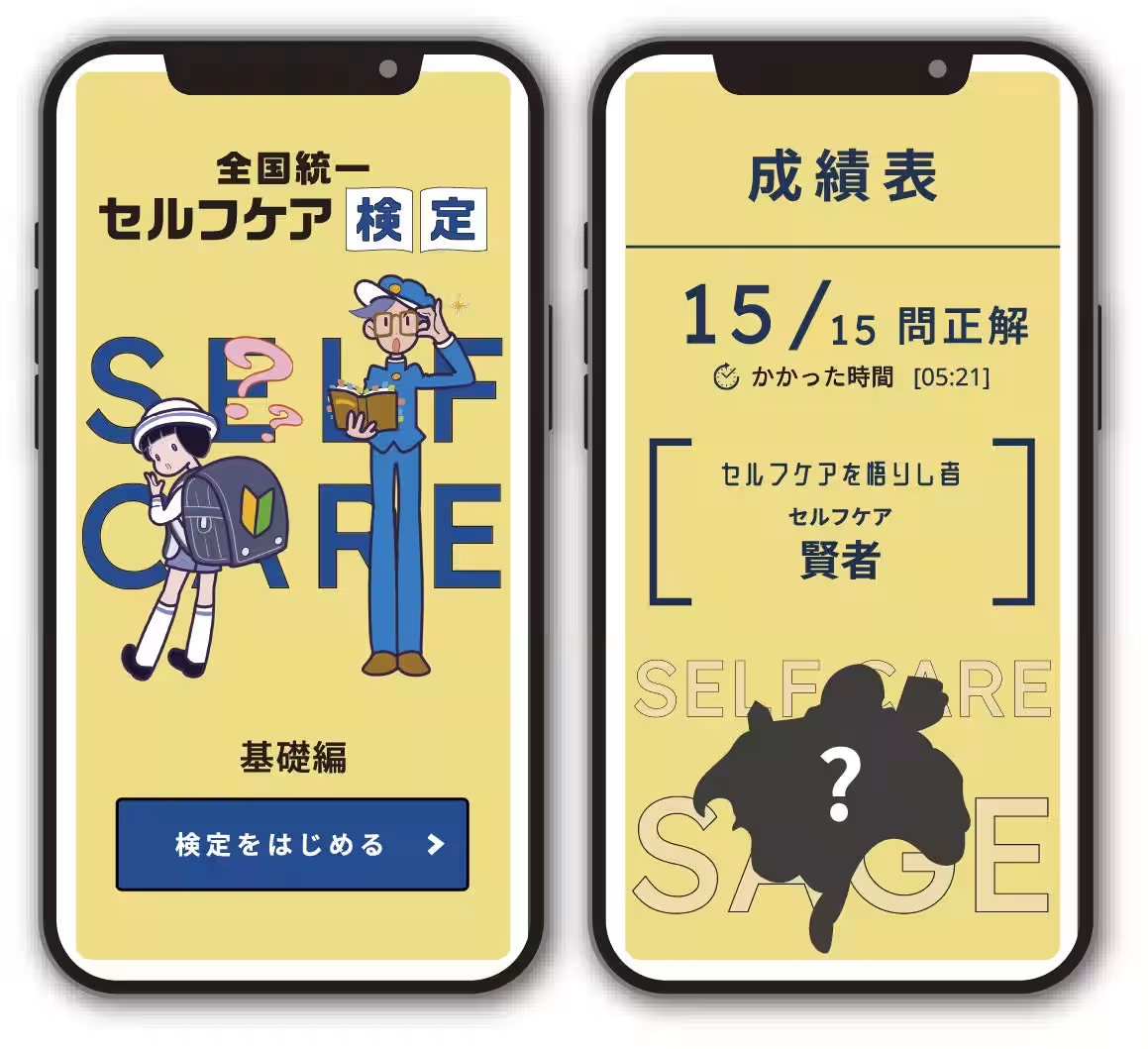
Daiichi Sankyo Healthcare Co., Ltd., headquartered in Chuo City, Tokyo, has embarked on a journey towards sustainability, aiming for a future where people, society, and the planet remain healthy for another century. As part of its efforts to tackle health issues, the company has launched the "Self-Care Academy," with a focus on improving health literacy. One of its key initiatives is the National Self-Care Examination, a web-based content aiming to educate users on correct health knowledge in an engaging quiz format.
Launched in October 2025, this examination has rapidly gained popularity, amassing more than 22,000 participants across different generations and regions within just three months of its introduction. This article presents a summary of the results from this innovative examination, shedding light on the current state of self-care knowledge among the participants.
Exam Participation and Performance
1. Overview of Participation
The National Self-Care Examination has attracted a diverse participant base, with an average completion time of about three minutes. The examination's structure allows for easy completion during daily breaks, making it accessible for everyone.
2. High Scores Indicate Strong Basic Self-Care Knowledge
Nearly 20% of participants achieved a perfect score, with approximately 18.4% securing full marks out of a possible 15 points. The average score was an impressive 12.6, indicating a solid foundational understanding of self-care principles among the participants.
Exploring Self-Care Realities Through Results
3. High Correct Answer Rates in Lifestyle Questions
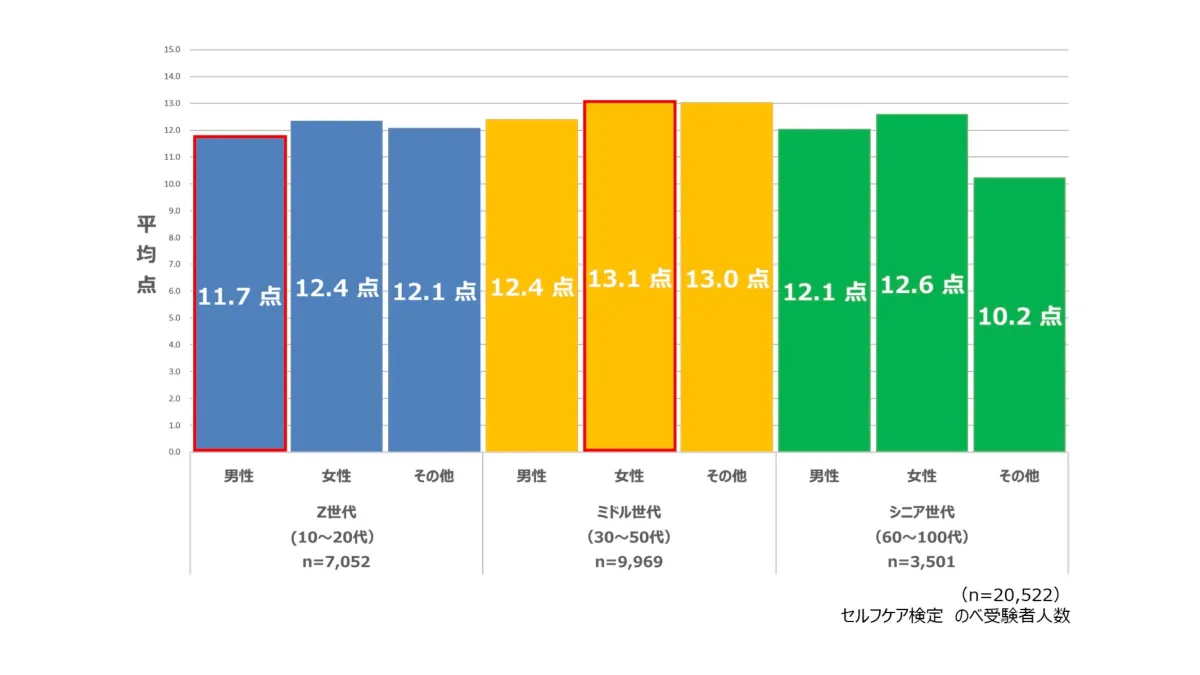
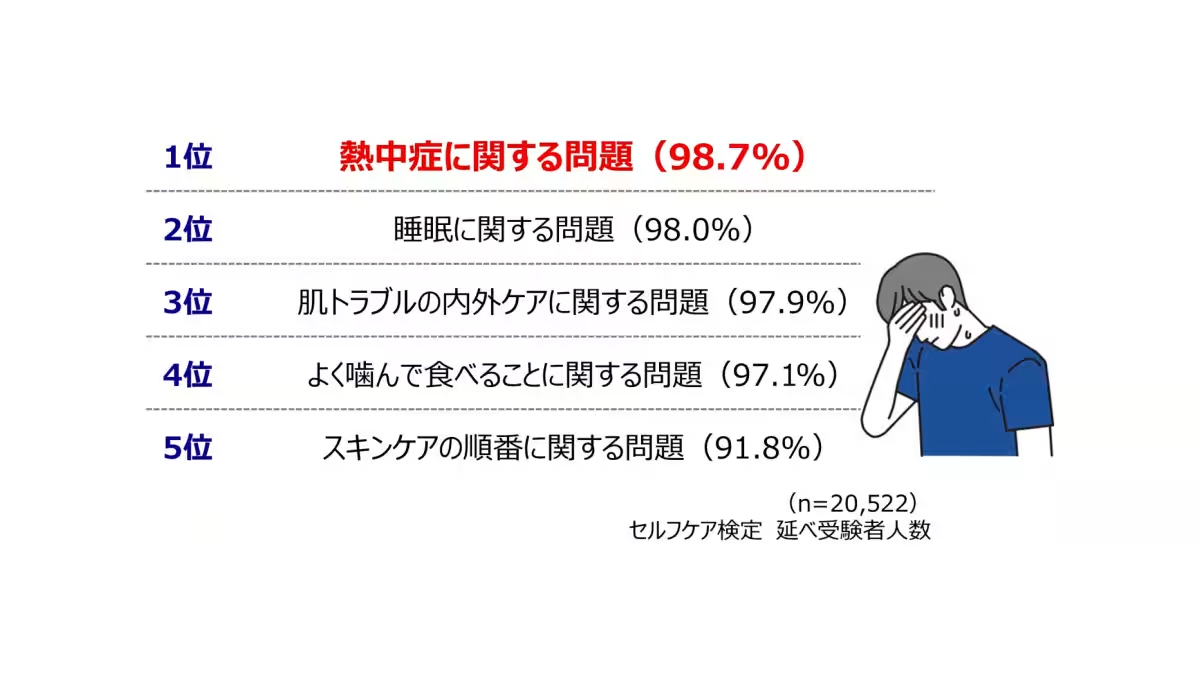
Results revealed that participants exhibited a profound understanding of lifestyle-related questions, achieving a correct response rate exceeding 97%. Topics such as heatstroke prevention and sleep hygiene showcased high levels of awareness that cut across all generations. However, the scores varied slightly with women in their 30s to 50s averaging 13.1 points, compared to Z-generation males who averaged 11.7 points.
4. Knowledge Gaps Concerning Medication
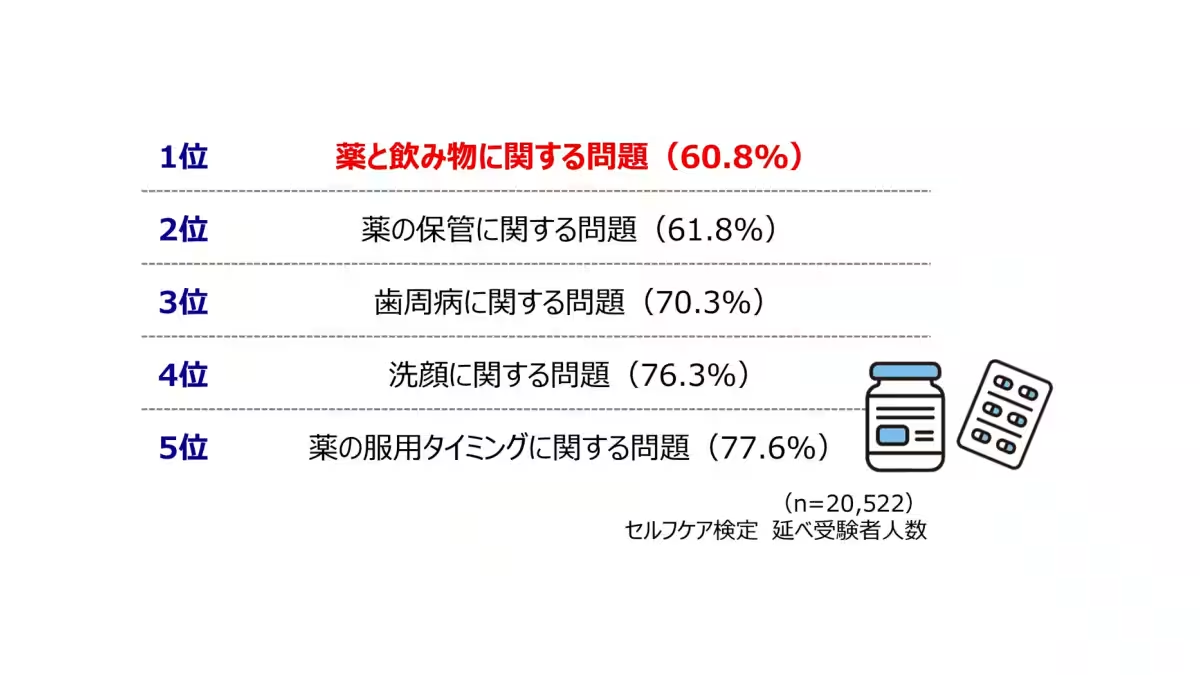
Conversely, the examination highlighted significant gaps in knowledge regarding medications. Correct response rates for questions related to medications and their interactions were considerably lower, typically ranging from 60% to 70%. This shows the prevalence of misinformation and lack of access to accurate information concerning self-care in pharmacology.
5. Z-Generation's Lack of Medication Literacy
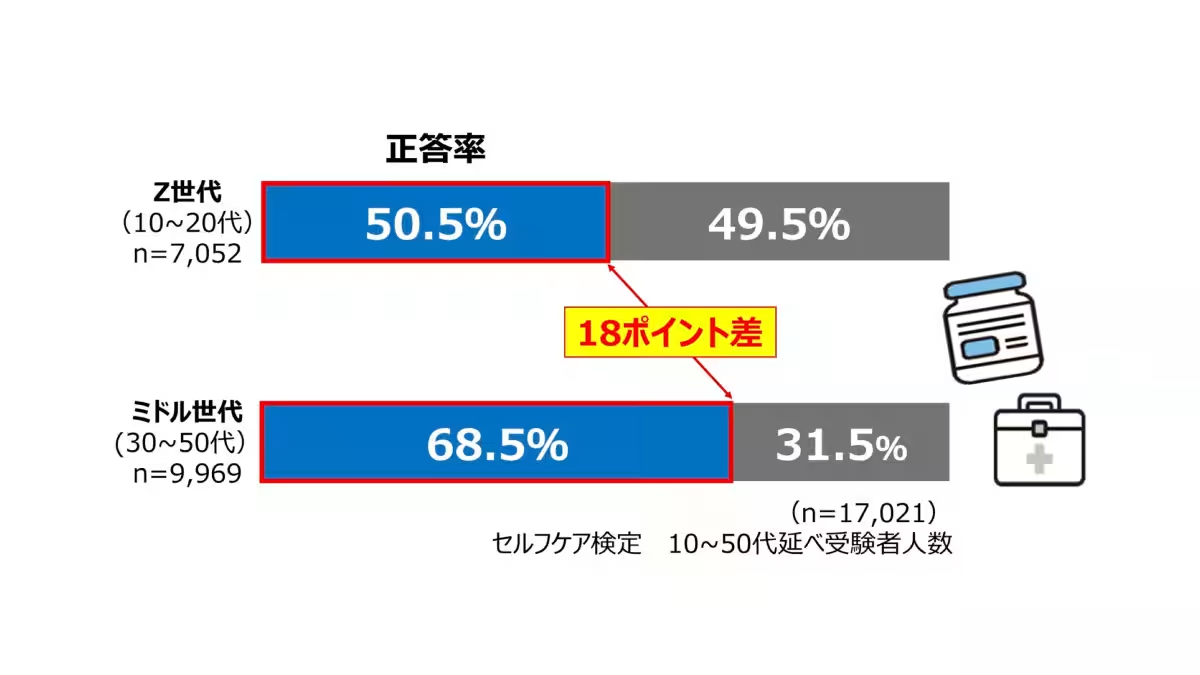
Data indicated that the Z-generation displayed a concerning deficiency in medication literacy. For instance, in a question regarding medication storage, only 50.5% of Z-generation respondents answered correctly, compared to 68.5% of the middle generation, generating an 18-point gap.
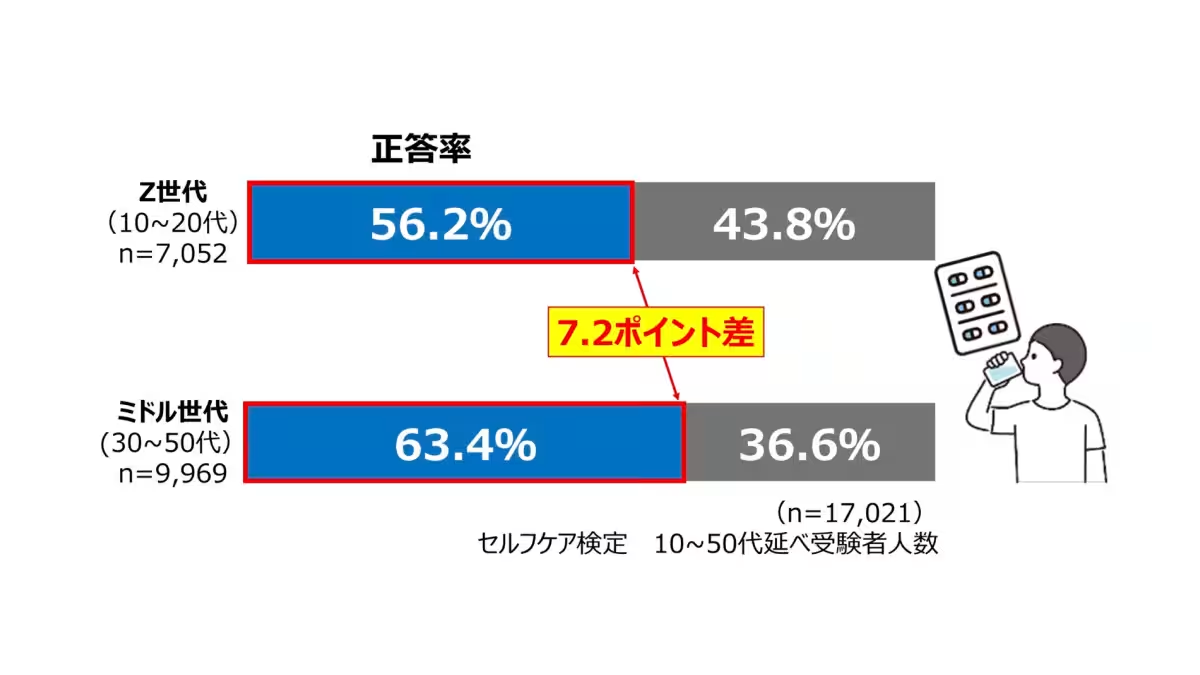
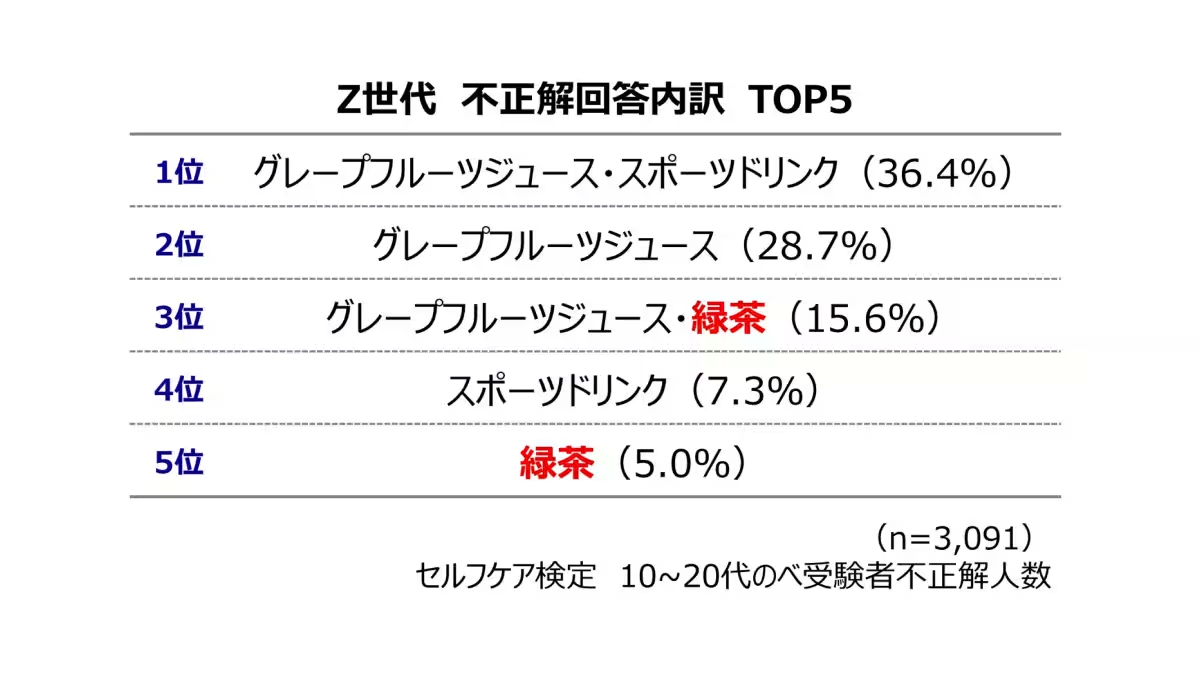
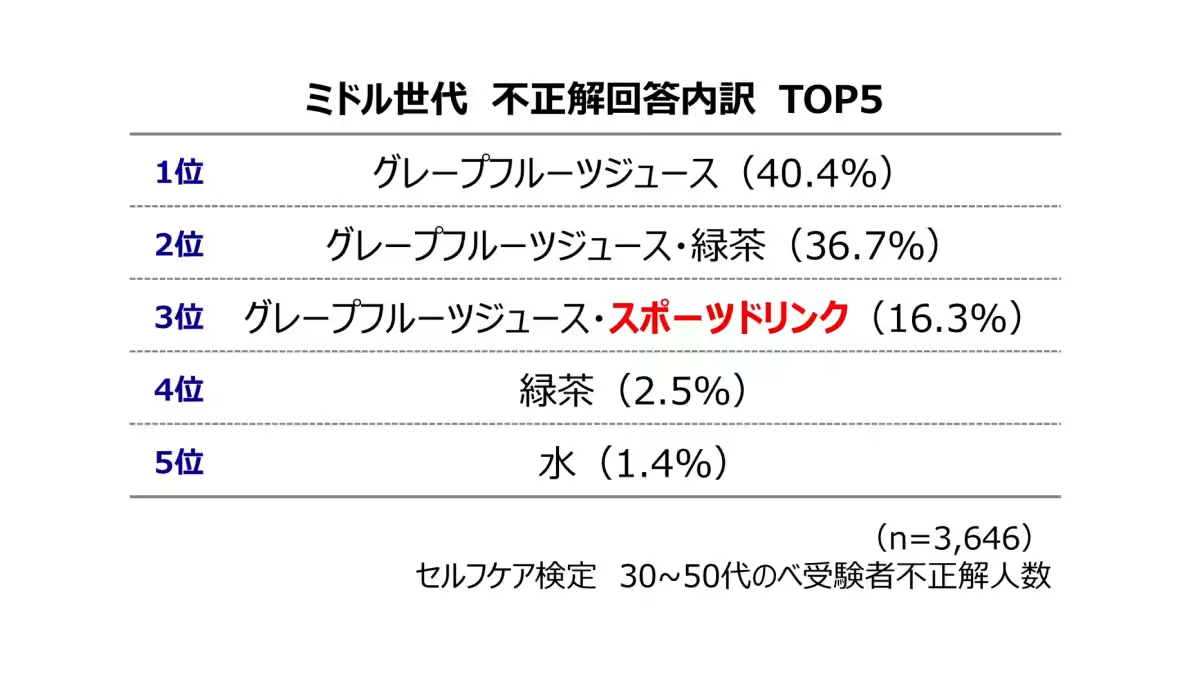
This pattern was also observed with questions about beverages and medications, where Z-generation participants demonstrated a lower understanding than their middle-generation counterparts.
Understanding Medication Literacy Through a Specific Problem
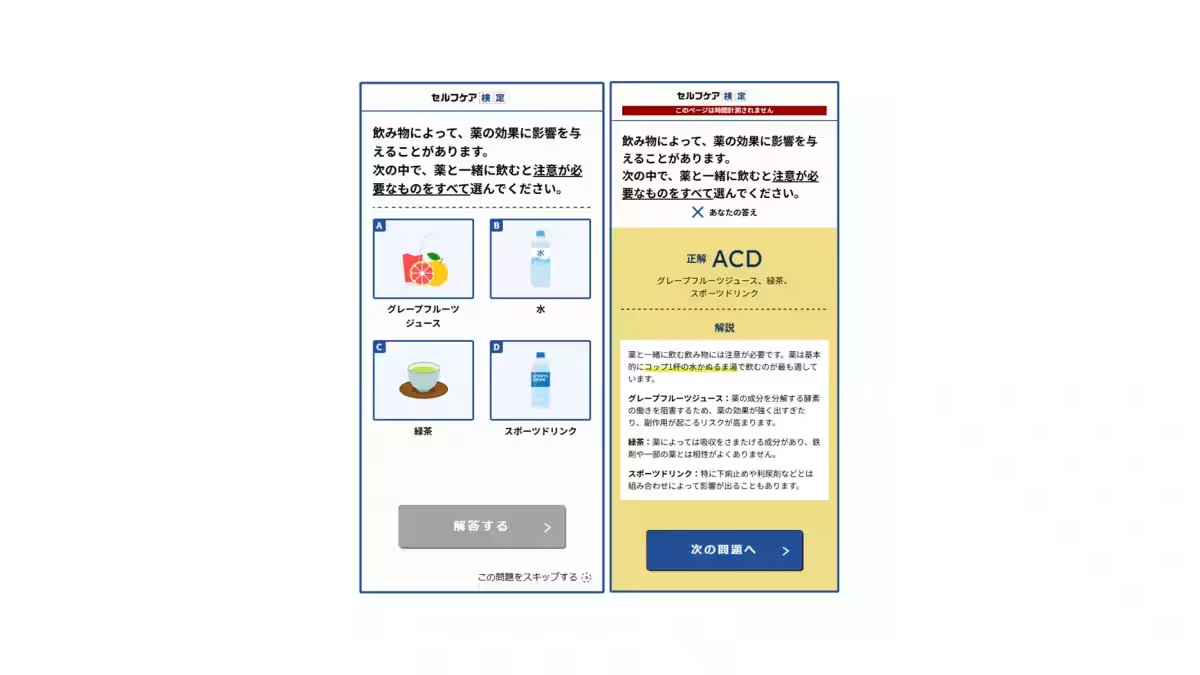
One of the most challenging questions concerned the interaction between medications and beverages, where participants had to identify which drinks could adversely affect medication efficacy. The correct answers included grapefruit juice, green tea, and sports drinks, which are commonly consumed but may inadvertently jeopardize health when taken with medication. This illustrates how unawareness about everyday choices can impact medication safety and effectiveness.
The insights gained from this examination stress the importance of enhancing health literacy, particularly for younger generations. In a society where misinformation can easily circulate, it is crucial for individuals to possess accurate knowledge, enabling them to make informed decisions about their health.
Conclusion
As spring heralds a new season of growth, it serves as an opportunity for young people to take their first steps toward self-care independence. The National Self-Care Examination not only evaluates basic understanding but also fosters critical discussions around health literacy, emphasizing the importance of educated self-management in health matters. For anyone looking to improve their health knowledge, the National Self-Care Examination offers a unique platform worth exploring.
For further detail about the results, please visit the Daiichi Sankyo Self-Care Examination website.
About Daiichi Sankyo Healthcare
Daiichi Sankyo Healthcare is committed to responding to diverse medical needs and promotes self-care practices to create a healthier society. The company focuses on OTC medicines but is rapidly expanding into areas like functional skincare and oral care, embodying the ethos of being a partner in fostering a healthy lifestyle.
Topics Health)
【About Using Articles】
You can freely use the title and article content by linking to the page where the article is posted.
※ Images cannot be used.
【About Links】
Links are free to use.