



Empowering Gender Equality in Public Communication: Tokyo's Training Initiative
Tokyo's Initiative for Gender Equality in Public Communication
In July 2023, Tokyo revised its comprehensive plan for promoting gender equality, aiming to establish a society where individuals can choose their paths free from gender bias. This plan encompasses various initiatives, including the creation of guidelines to foster appropriate gender representation in public communications made by city officials.
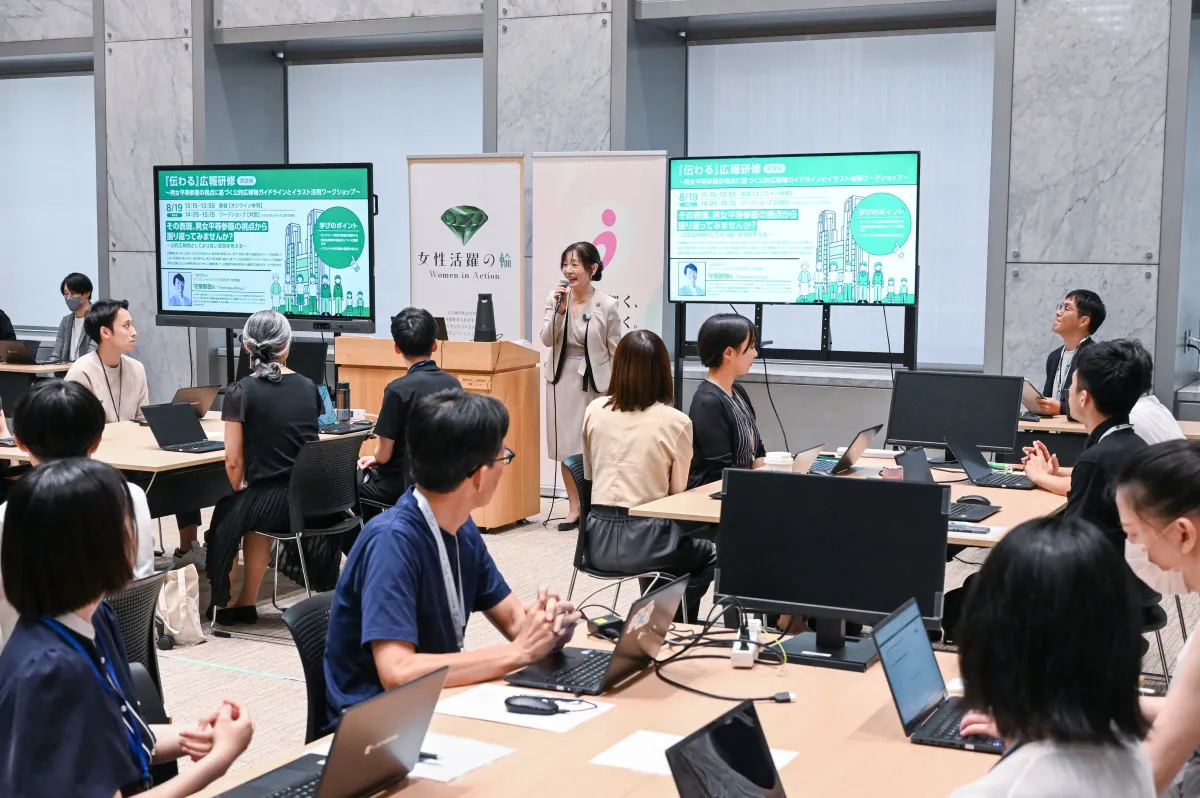
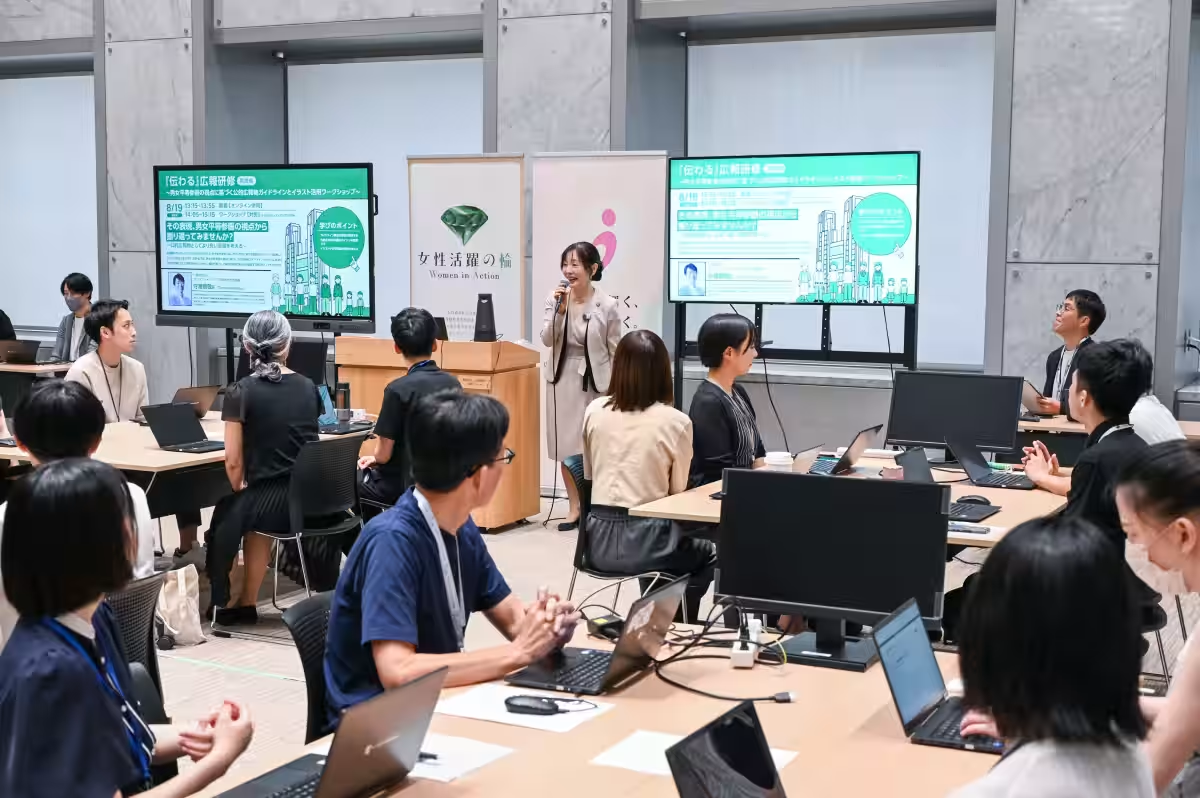
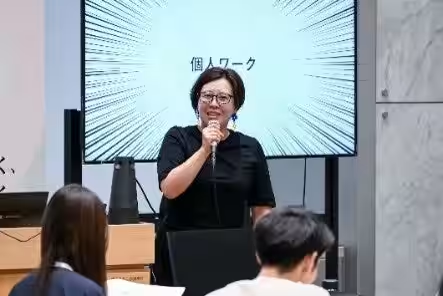
The guidelines, titled "Public Communication Guidelines Based on Gender Equality Perspectives," serve as a resource for city employees when producing promotional materials. These documents aim to encourage thoughtful consideration of expressions based on context and objectives. To facilitate this, a practical training session titled "Effective Communication Training" was held on August 19, 2023. Participants, both online and in-person, worked collaboratively to understand and apply these guidelines through hands-on workshops, with attendance reaching 270 city officials.
The surveys conducted by the Tokyo government reveal a troubling trend: about half of the respondents reported encountering stereotypical gender representations in media such as TV, radio, and print. High school students echoed similar sentiments, with around 40% indicating exposure to such stereotypes through internet and social media platforms. This reinforces the notion that fixed gender imagery can significantly impact decision-making regarding future career paths.
During the opening remarks, Akiko Matsumoto, the Gender Equality Promotion Manager, emphasized, "The promotional materials produced by the government are not only communication tools; they also shape public consciousness and values." She further encouraged participants to leverage their new insights in their daily communication practices.
Understanding Gender Equality Perspectives in Public Communication
The training featured insights from Tomotake Moriya, the director of the Unconscious Bias Research Institute, who contributed to the guideline's development. Moriya explained that the guidelines aim to avoid perpetuating fixed gender roles and stereotypes through public communications, serving instead as a framework for reconsidering expressions based on the intended message and context. The training emphasized evaluating visual and textual representations in terms of fairness, representation, and alignment with the guidelines.
Moriya pointed out the significance of being cautious about conveying stereotyped messages in public communications, particularly in fields where one gender may prevail statistically. He urged participants not to assume their perspectives are sufficient, recommending they utilize the guideline's checkpoints collaboratively for more effective and inclusive communication.
Engaging Workshops Utilizing Guidelines and Illustrations
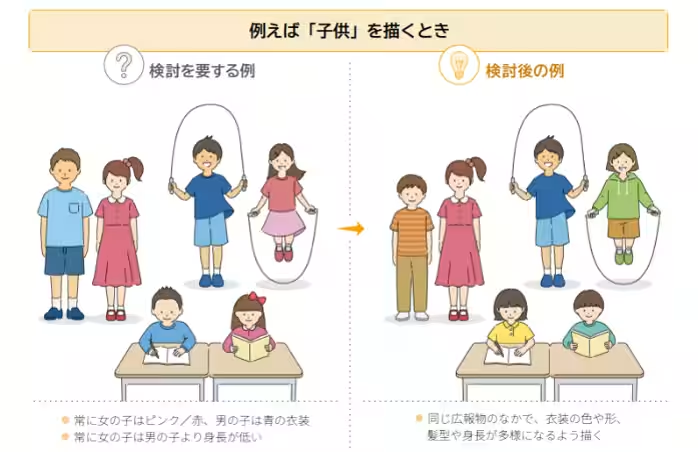
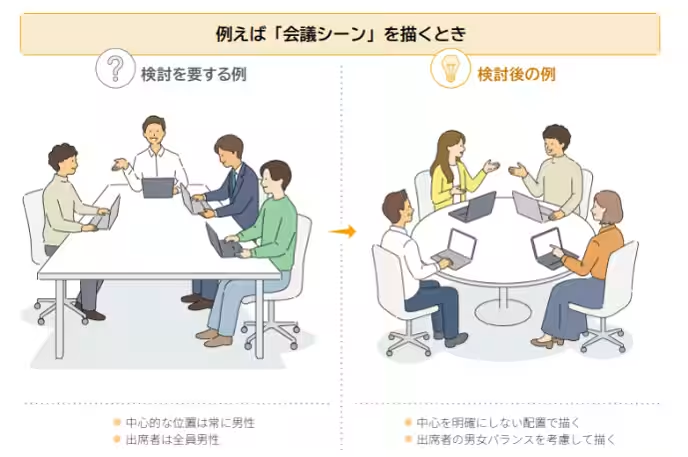
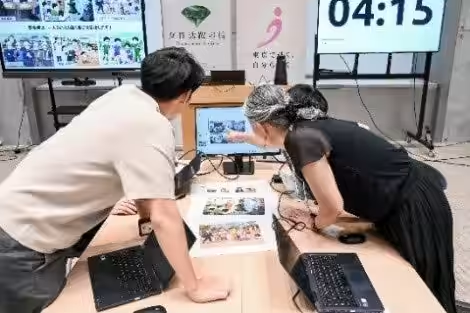
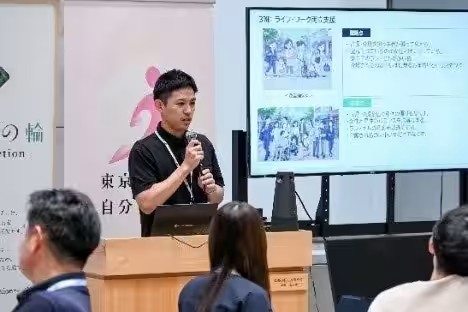
As part of the training, city employees participated in a workshop centered around illustration critiques. Participants collaborated in groups to assess provided illustrations against the guidelines, discussing potential reinforcement of gender stereotypes and sharing suggested revisions. Utilizing AI, they created amended illustrations and presented their proposals, focusing on achieving balanced gender representation.
Discussions led to valuable suggestions like achieving an equitable representation of male and female characters in illustrations, ensuring diversity in physical traits, and rectifying spatial distribution of gender roles. Following the presentations, fellow participants offered constructive feedback, emphasizing the importance of inclusive portrayal, such as ensuring that scenes featuring childcare depicted both genders.
The workshop also included media professionals, facilitating dynamic discussions among various stakeholders regarding effective communication and the integration of multiple perspectives to foster greater understanding of gender representation.
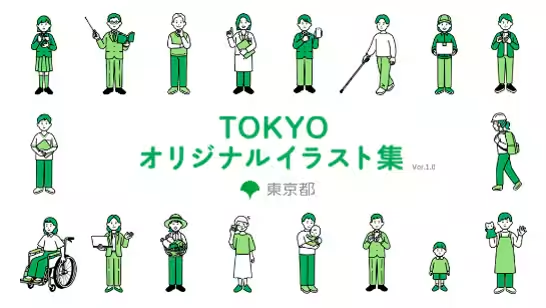
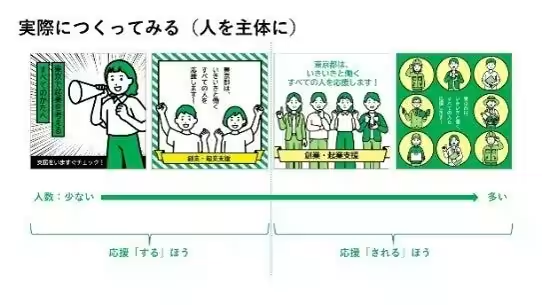
Personal exercises seized upon the "Tokyo Original Illustration Collection," allowing attendees to explore banner designs and best practices in gender representation. Theing question crafting methods encouraged participants to ponder beyond mere gender swaps in illustrations, considering overall representation concepts to convey messages creatively.
Concluding Reflections and Participant Insights
In the closing remarks, Moriya urged attendees to remain critically reflective about their choices in representation, especially concerning future generations. Participants echoed the importance of considering how their communications are received among diverse audiences, affirming a commitment to harnessing these learnings in their future projects.
Feedback from participants highlighted significant personal revelations, such as recognizing unconscious biases in representation. Many noted that reflecting on their practices would lead to more inclusive and mindful communication efforts in their respective roles.
Event Overview
- - Date: August 19, 2023
- - Location: Tokyo Metropolitan Government, Main Building 5F
- - Speakers: Akiko Matsumoto, Tomotake Moriya
- - Attendance: 270 city officials (246 online, 24 in-person)
For more resources, you can engage with the detailed guidelines and illustrations:
The Unconscious Bias Research Institute aims to foster a society that embraces diverse possibilities for everyone through various educational initiatives and workshops.

Topics People & Culture)
【About Using Articles】
You can freely use the title and article content by linking to the page where the article is posted.
※ Images cannot be used.
【About Links】
Links are free to use.