



JAF Reports Alarming Rise in Lock-In Incidents Involving Kids and Pets
Alarming Statistics from JAF on Key Lock-In Incidents
The Japan Automobile Federation (JAF) has raised a significant alarm regarding the safety of children and pets in vehicles, particularly during the sweltering summer months. On July 14, 2025, they announced that in the month of August alone last year, there were 194 recorded instances nationwide of key lock-in scenarios where children or pets were left inside cars. This staggering number signals an urgent need for awareness and preventive measures.
Key Lock-In: A Growing Concern
These incidents usually occur when a driver, perhaps momentarily distracted, inadvertently locks the car with the keys still inside. Common situations include a scenario where a child is placed in a car seat, and during the brief moment the driver walks around to the front, the door locks, trapping both the keys and child inside. Additionally, there have been cases where pets, particularly dogs, accidentally activate the central locking system.
Given the prevalence of smart keys, many wonder why these incidents continue to occur. Even with advancements in technology, human error remains a critical factor. JAF underscores that a moment’s distraction can lead to dangerous situations, emphasizing that no matter how brief the absence, children and pets should never be left alone in a car.
The Dangers of Heatstroke
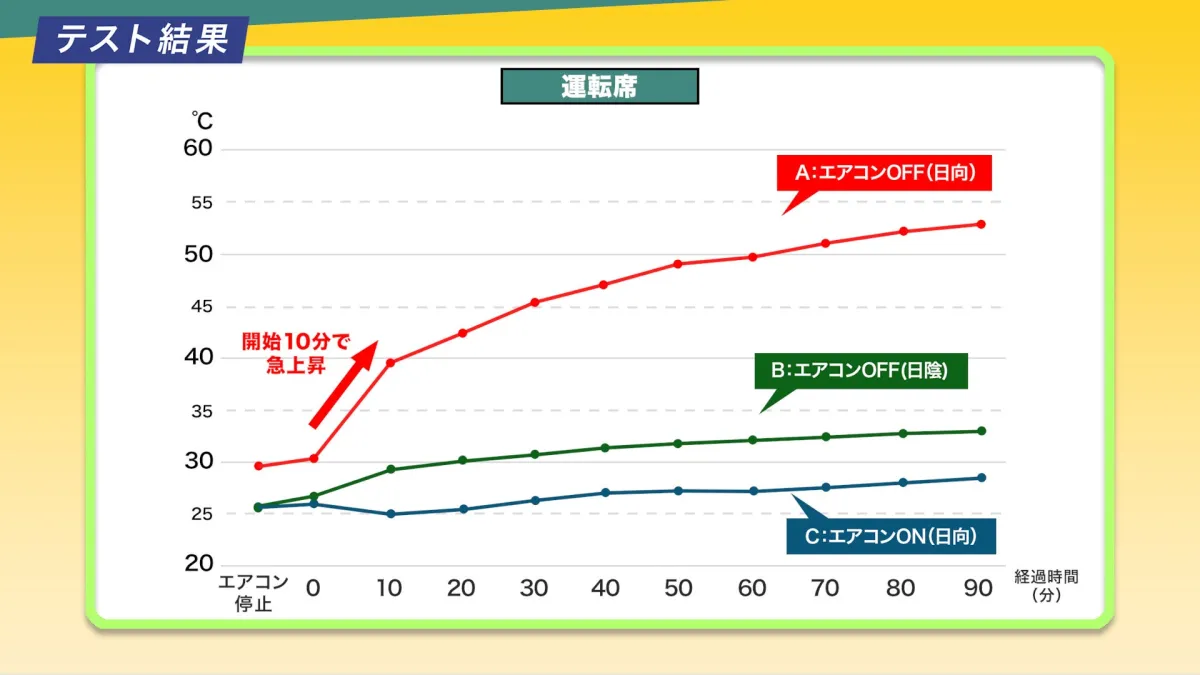
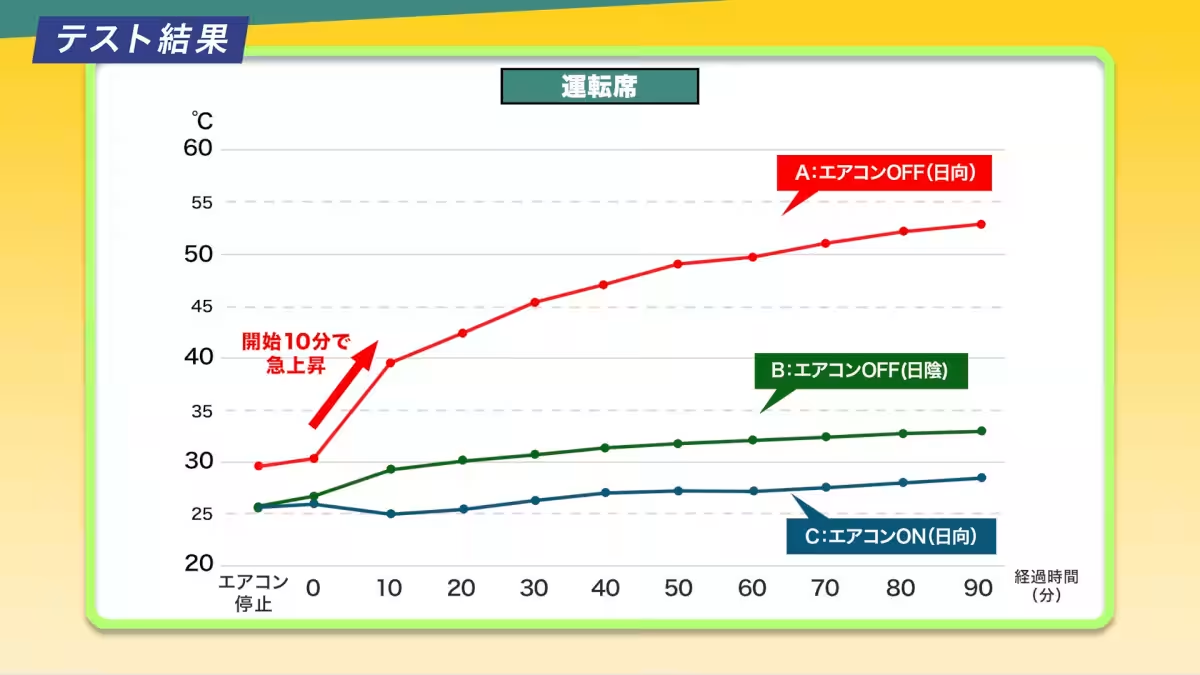
The heat generated in parked cars can be astronomically dangerous. A JAF study conducted in September 2025 highlighted alarming temperature measurements. When parked in direct sunlight, the vehicle's interior temperature can soar to 38°C just five minutes after the air conditioning is turned off, hitting an astounding 53°C after 90 minutes. This temperature far surpasses the danger levels for heat exposure, making the risks to children and pets abundantly clear.
JAF further elaborates that even with a few minutes spent away from the vehicle, the risk of heat-related illnesses, specifically heatstroke, is ever-present. Factors such as outdoor temperature, humidity, and even the use of air conditioning contribute significantly to the heat conditions inside a car. Hence, the mandate remains clear: under no circumstances should children or pets be left unattended in vehicles, irrespective of the condition outside.
Collaborative Efforts for Safety
In addition to rising awareness of these serious risks, JAF has partnered with the Japan Meteorological Society to promote the 'Heatstroke Zero' initiative, an effort aimed at mitigating the dangers posed by extreme temperatures during the summer months. The meteorological forecasts for July to September predict warmer than average temperatures, setting the stage for potential health crises if preventative measures are not taken.
Insights from Experts
Tomoko Kubo, a meteorologist with the Japan Meteorological Society, warns that the upcoming summer will pose significant heat challenges. Following the end of the rainy season, the Pacific High will intensify, leading to extreme temperature days, especially in Eastern and Western Japan, where temperatures could exceed 40°C. With this in mind, staying adequately hydrated and taking frequent breaks during outdoor and indoor activities will be vital to prevent heatstroke.
Understanding Key Lock-Ins
Key lock-ins occur when the car key is inadvertently left inside the vehicle, leading to a scenario where the driver no longer has access to unlock the car. This issue, often referred to as 'inlock' or 'inkey,' remains one of the top reasons for service requests to JAF's roadside assistance. The data from their 2025 service operations reveal that this troubling phenomenon continues to impact many, making it a top priority for public awareness and prevention.
A Call for Vigilance
As the summer heats up, it is crucial for all vehicle owners to remain vigilant and mindful of the potential risks associated with leaving children or pets unattended in vehicles. JAF's findings serve as a stark reminder of the potential dangers that can arise from seemingly innocuous decisions. One moment of oversight can result in catastrophic consequences; therefore, it’s imperative to prioritize safety and awareness in all vehicle interactions, especially within the hot summer months.
Topics Other)
【About Using Articles】
You can freely use the title and article content by linking to the page where the article is posted.
※ Images cannot be used.
【About Links】
Links are free to use.