



Understanding the First Car Choices of Generation Z in Japan: Insights from KINTO's Recent Survey
Understanding the First Car Choices of Generation Z in Japan
In an insightful new study conducted by KINTO, the preferences and concerns of Generation Z (aged 18-25) regarding their first car choice have been unveiled. This survey engaged 201 respondents residing in Tokyo and 200 from rural areas without designated major cities, providing a comprehensive view of their experiences and considerations when acquiring their first vehicles.
Survey Overview
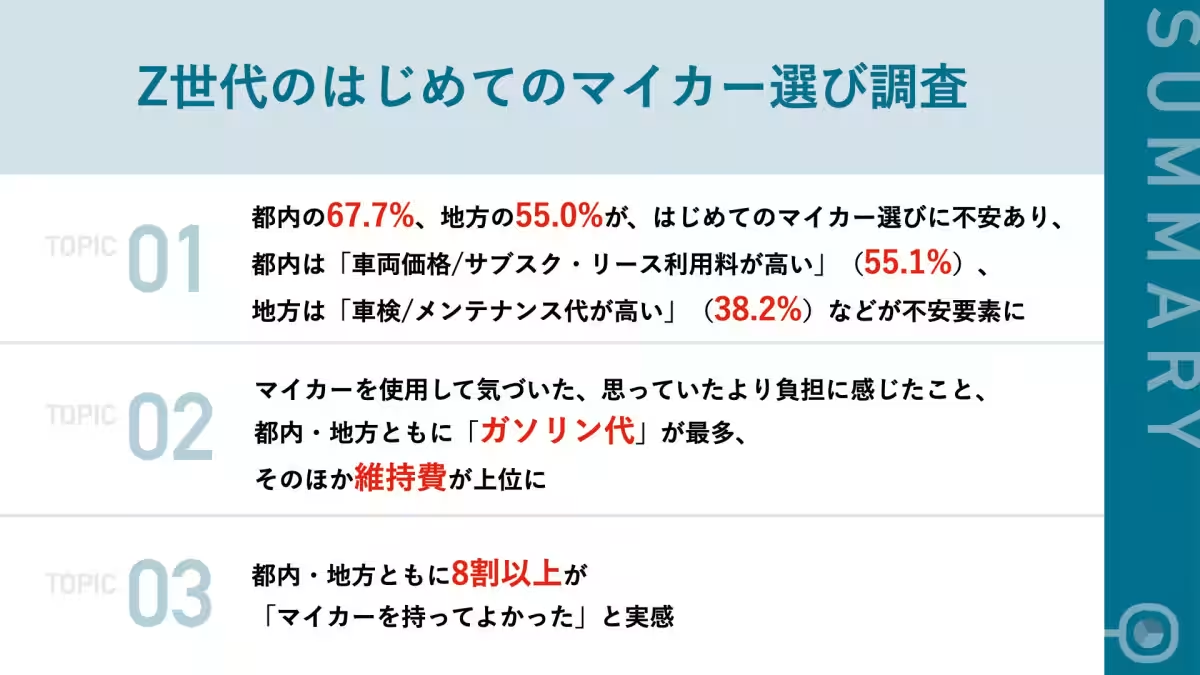
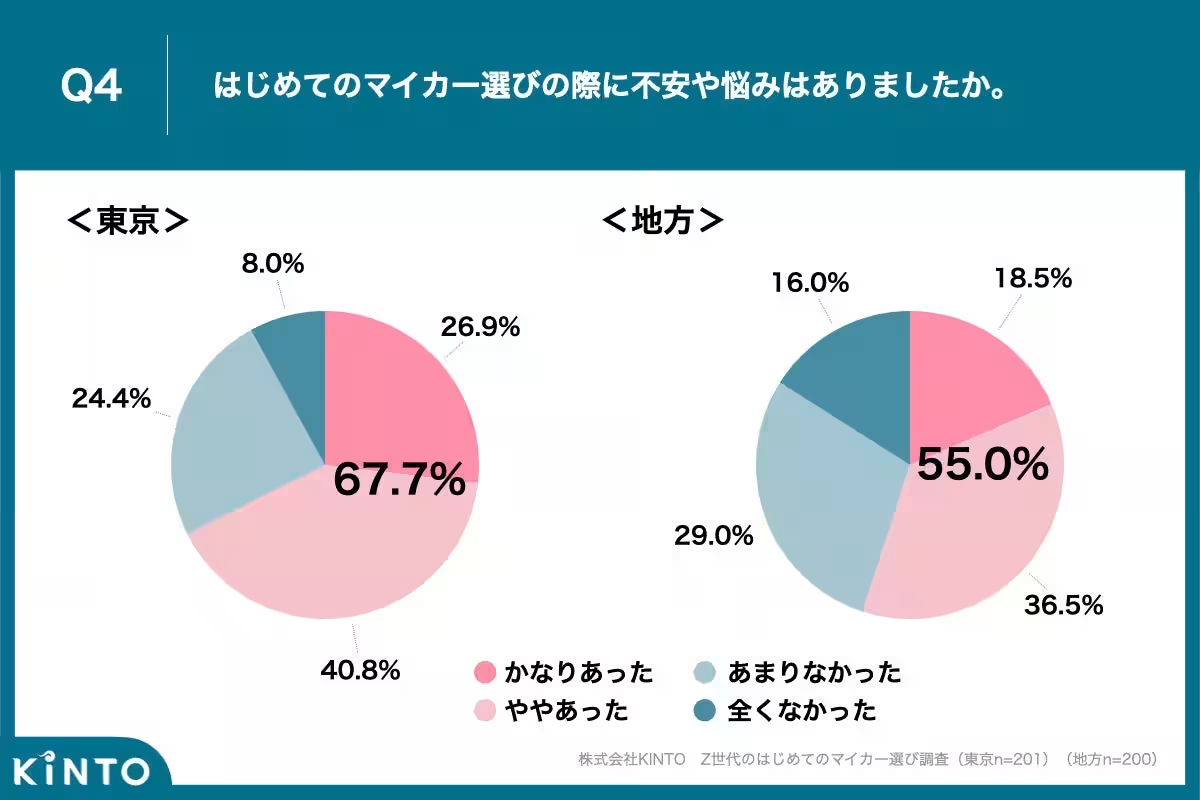
The survey was conducted online between May 8 and May 13, 2025, using the comprehensive market research platform IDEATECH's service. The findings reveal that, despite varying landscapes, unique challenges faced this demographic when selecting their first cars. Notably, 67.7% of Tokyo respondents expressed feeling anxious about their car choices, compared to 55.0% from rural areas. The primary concerns highlighted include high vehicle prices and maintenance costs.
Key Findings
1. Concerns About Affordability
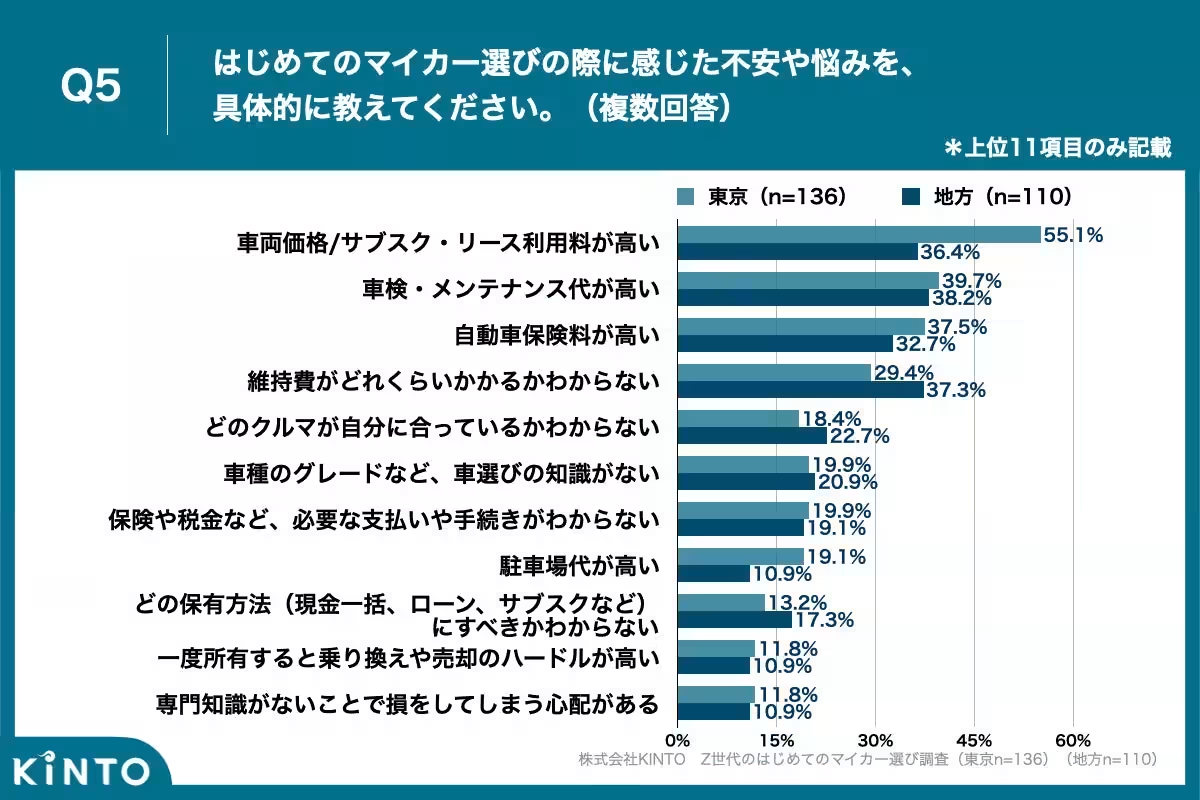
Specific concerns differ by region: Tokyo respondents worried primarily about the high costs associated with vehicle price or subscription services (55.1%), while rural participants were more concerned about maintenance and inspection fees (38.2%). This suggests a significant awareness of the ongoing financial obligations that come with car ownership.
2. Usage Realization
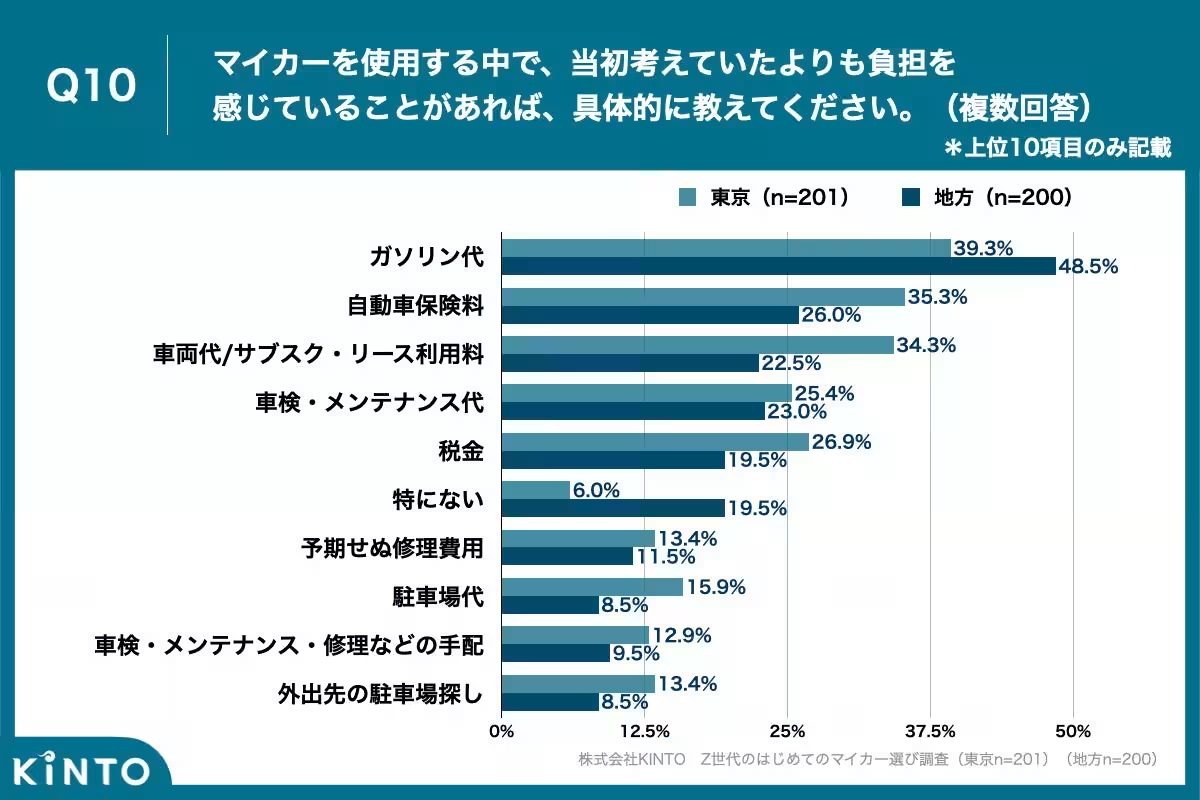
Once they owned their cars, many realized the substantial burden of fuel costs. Both regions reported gasoline expenses as unexpected financial challenges, indicating a lack of initial awareness of variable maintenance costs that arise from car ownership.
3. Widespread Satisfaction
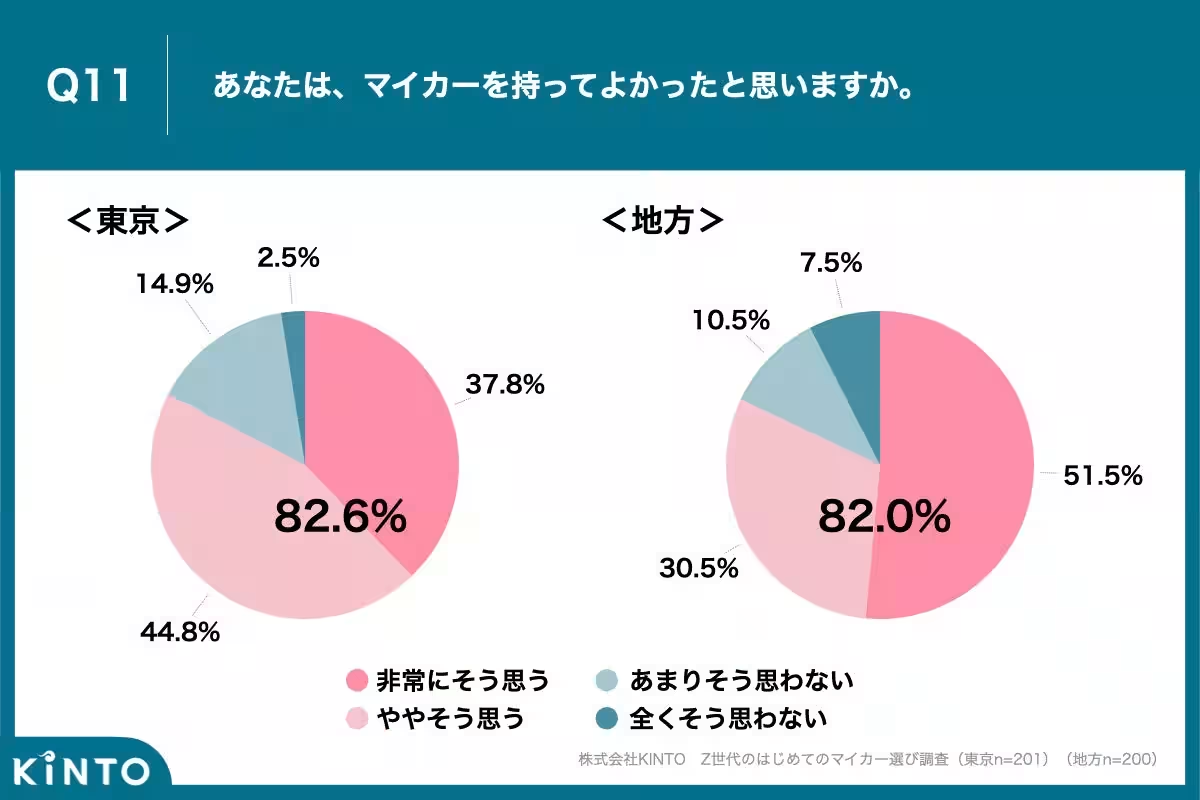
Regardless of these financial concerns, an overwhelming majority, over 80% in both areas, expressed satisfaction with their decision to own a car, stating they felt it positively impacted their lives.
Choosing the First Car
In terms of vehicle type selection, results revealed significant differences:
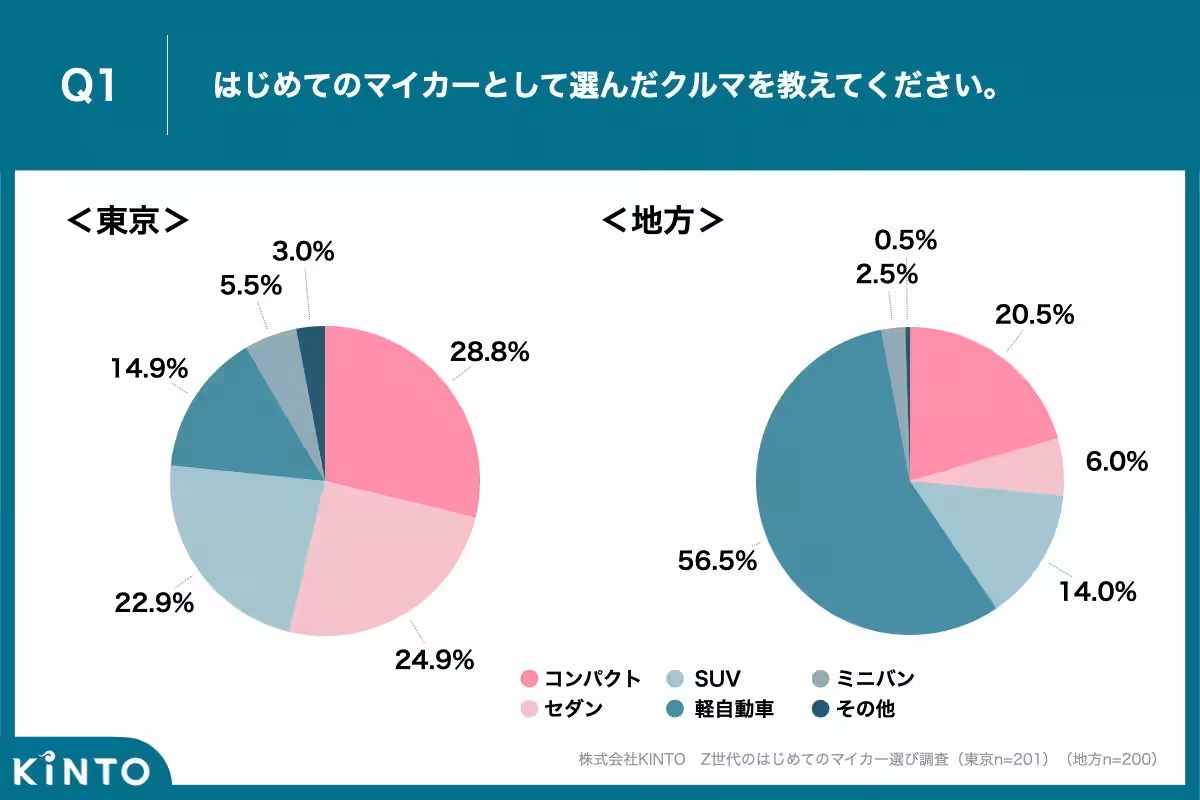
- - In Tokyo: Preferences were almost equally divided among compact cars (28.8%), sedans (24.9%), and SUVs (22.9%).
- - In Rural Areas: A striking 56.5% opted for light vehicles, streamlining their choices based on distinct local needs.
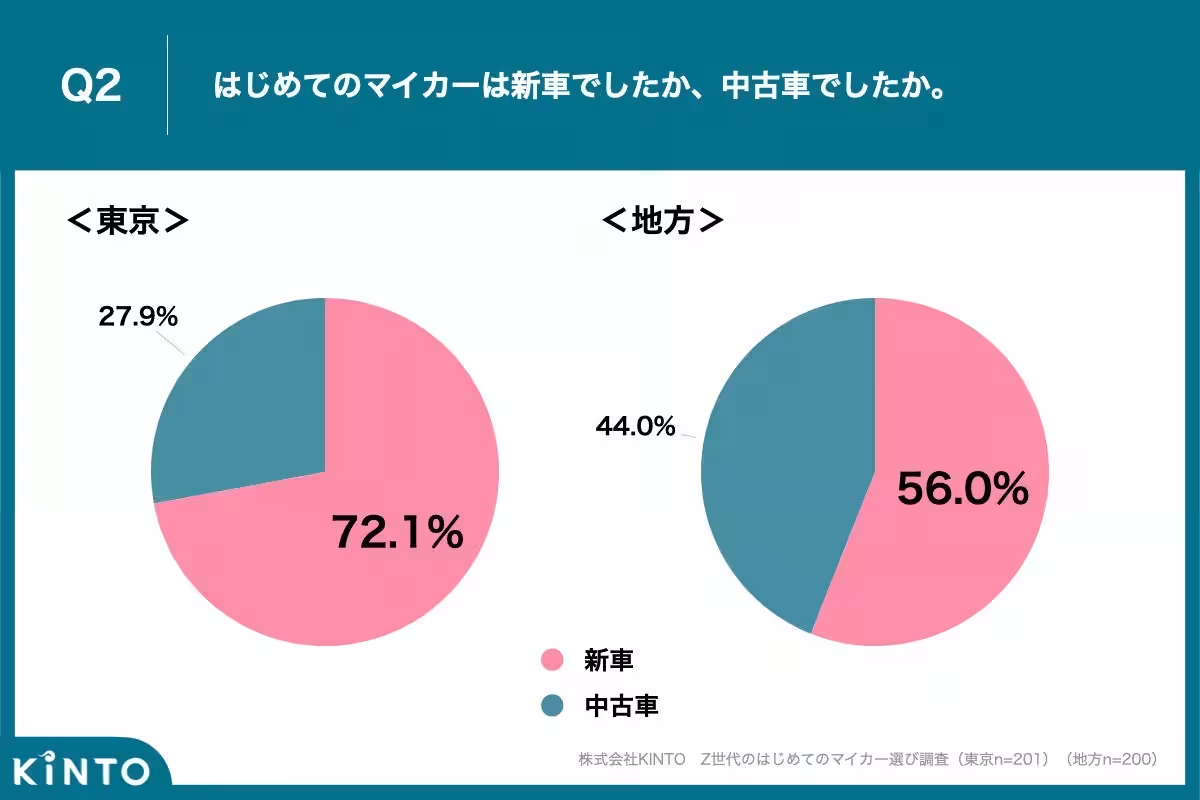
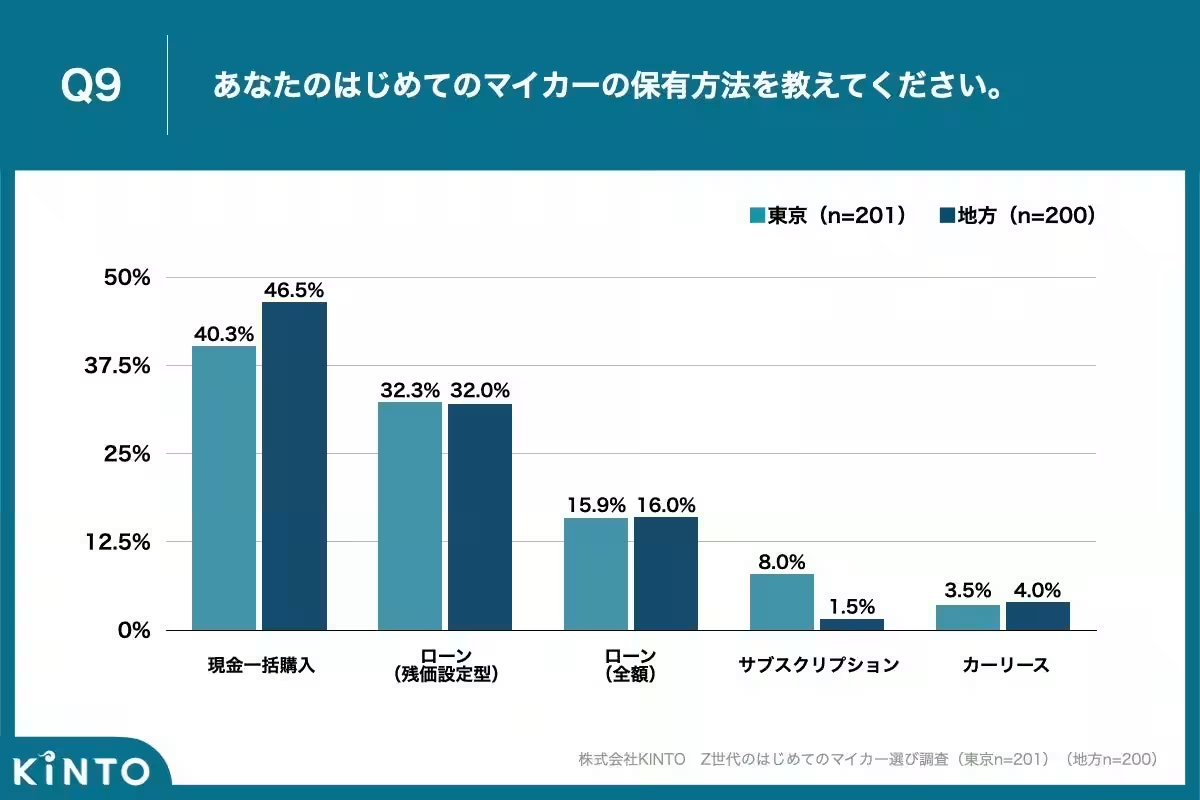
Additionally, when asked whether their first cars were new or used, a substantial 72.1% of urban youths selected new vehicles, outperforming their rural counterparts by 16.1 points, suggesting economic differences in their buying power.
Reasons Behind Car Ownership
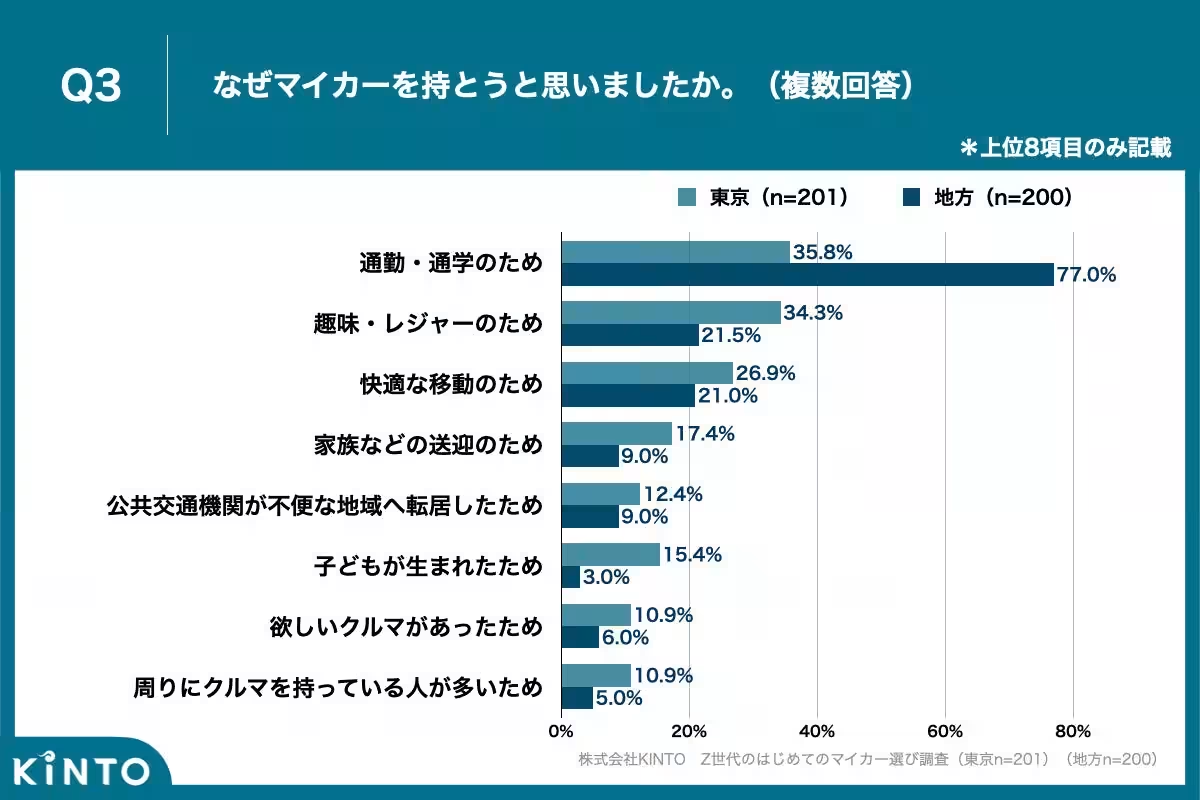
The main motivation to own a car was consistent across both regions. A substantial 35.8% of Tokyo respondents cited reasons related to commuting or education, while 77.0% in rural areas emphasized this necessity, reaffirming the vehicle's role in facilitating essential life activities in less urban settings.
Family Influence
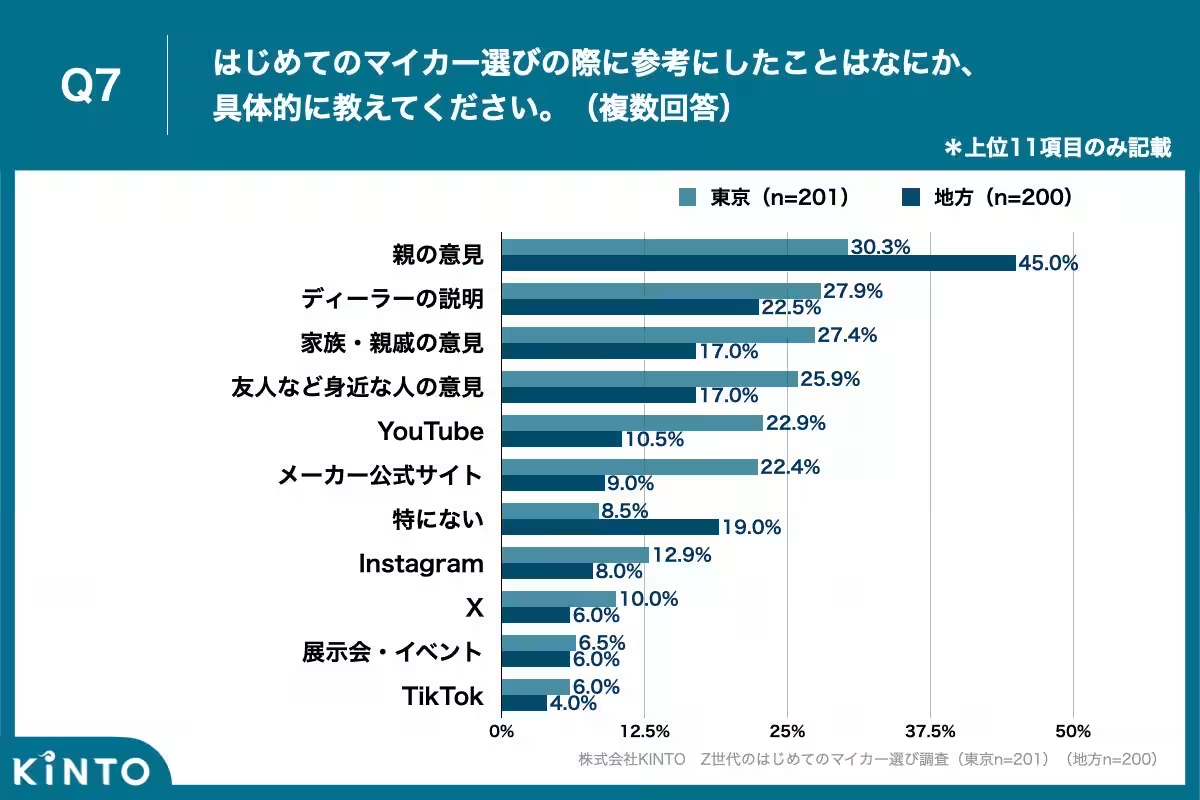
Family opinions played a leading role in the car selection process, with 30.3% from Tokyo and 45.0% from rural areas relying heavily on parental guidance. Such trends highlight the importance of familial support in navigating first-time car purchases and owning experiences.
Financial Assistance
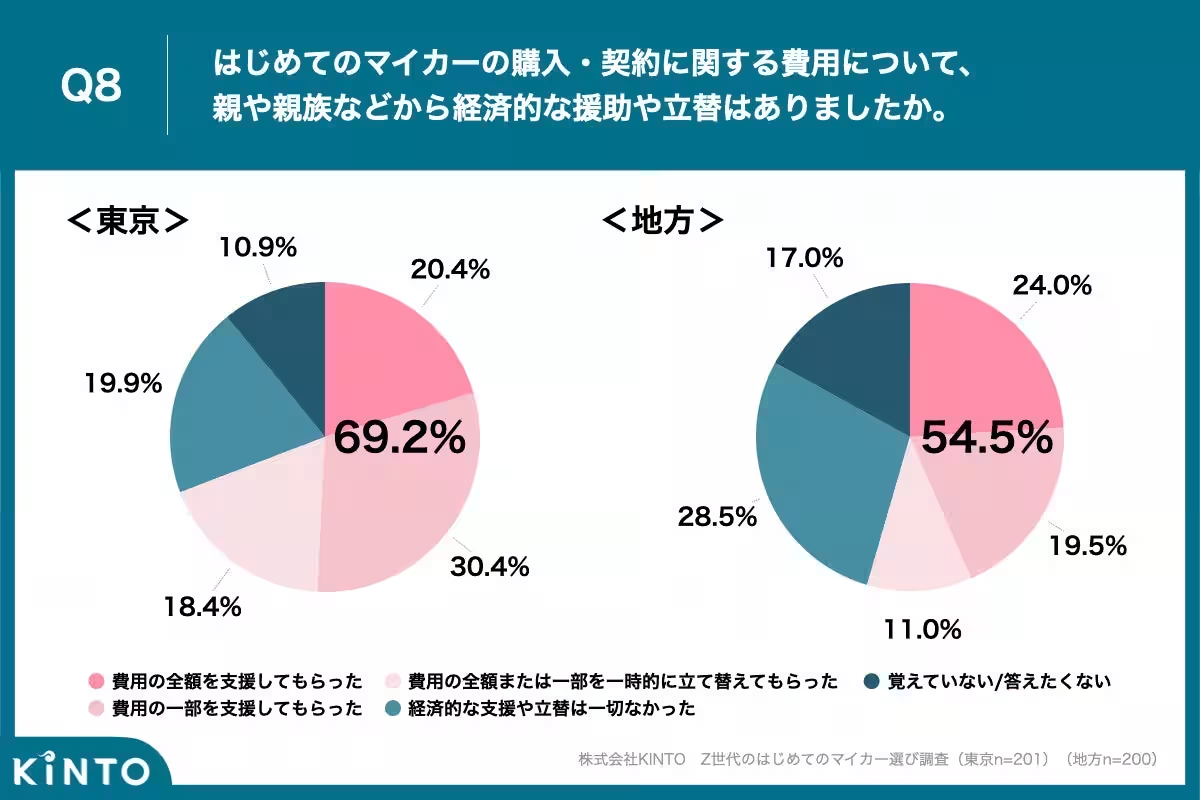
Funds for initial vehicle purchases varied quite a bit, where 69.2% of urban respondents noted receiving financial support, compared to 54.5% in rural areas. This points to a reliance on family networks for facilitating major financial decisions among younger demographics.
Decision-Making Challenges
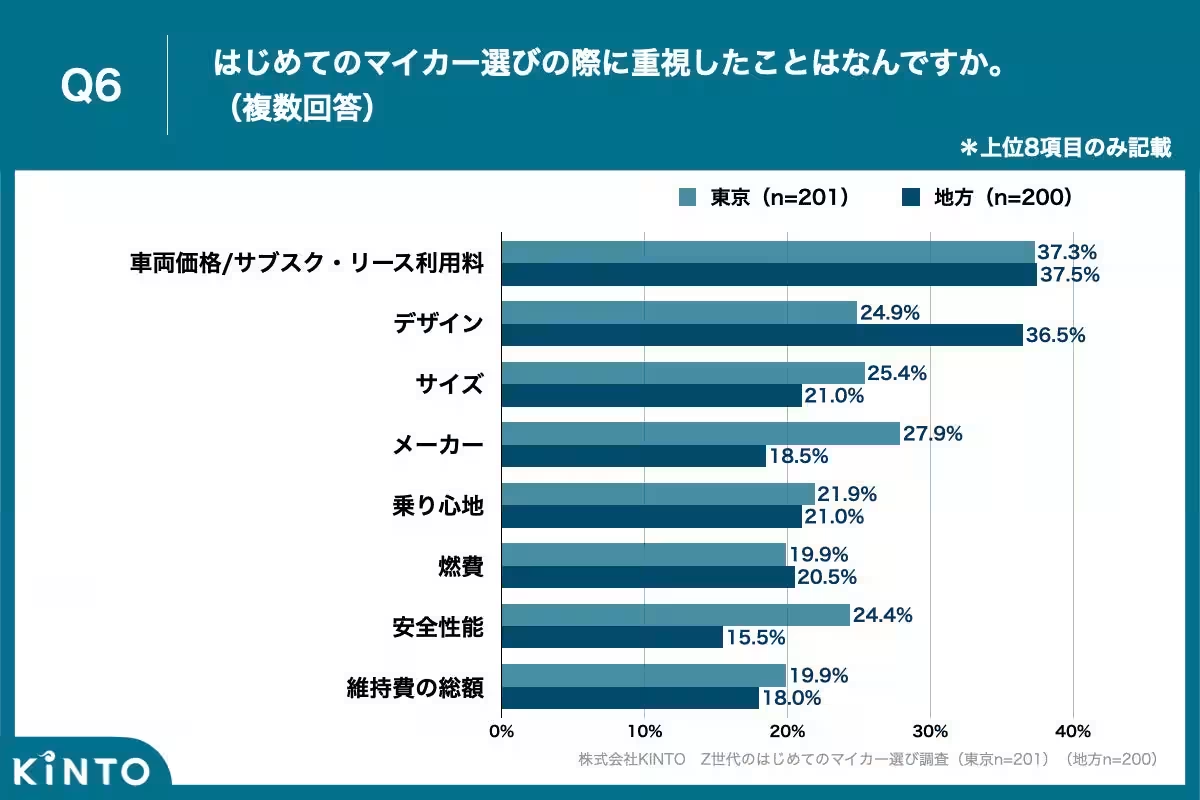
The survey revealed key areas where voters struggled when making their initial selections. In a joint concern, both segments prioritized vehicle pricing and the nuances of subscription and leasing fees.
Looking Ahead
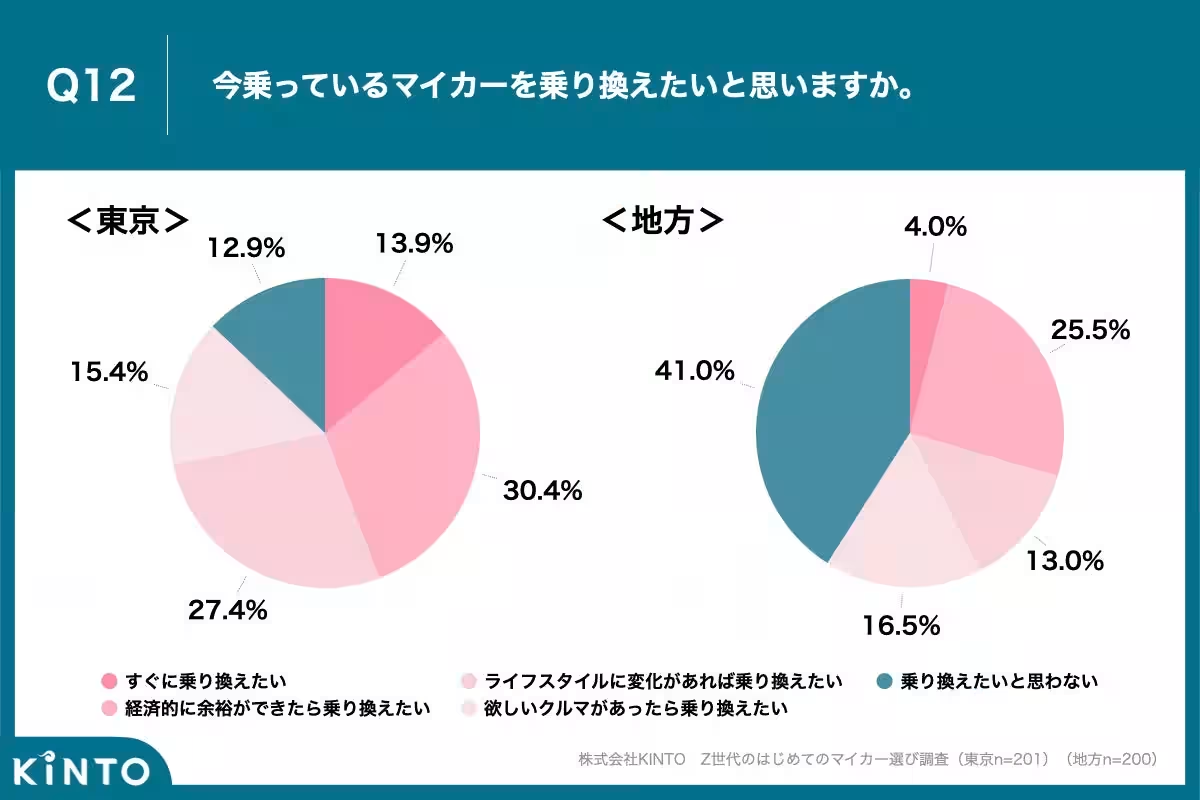
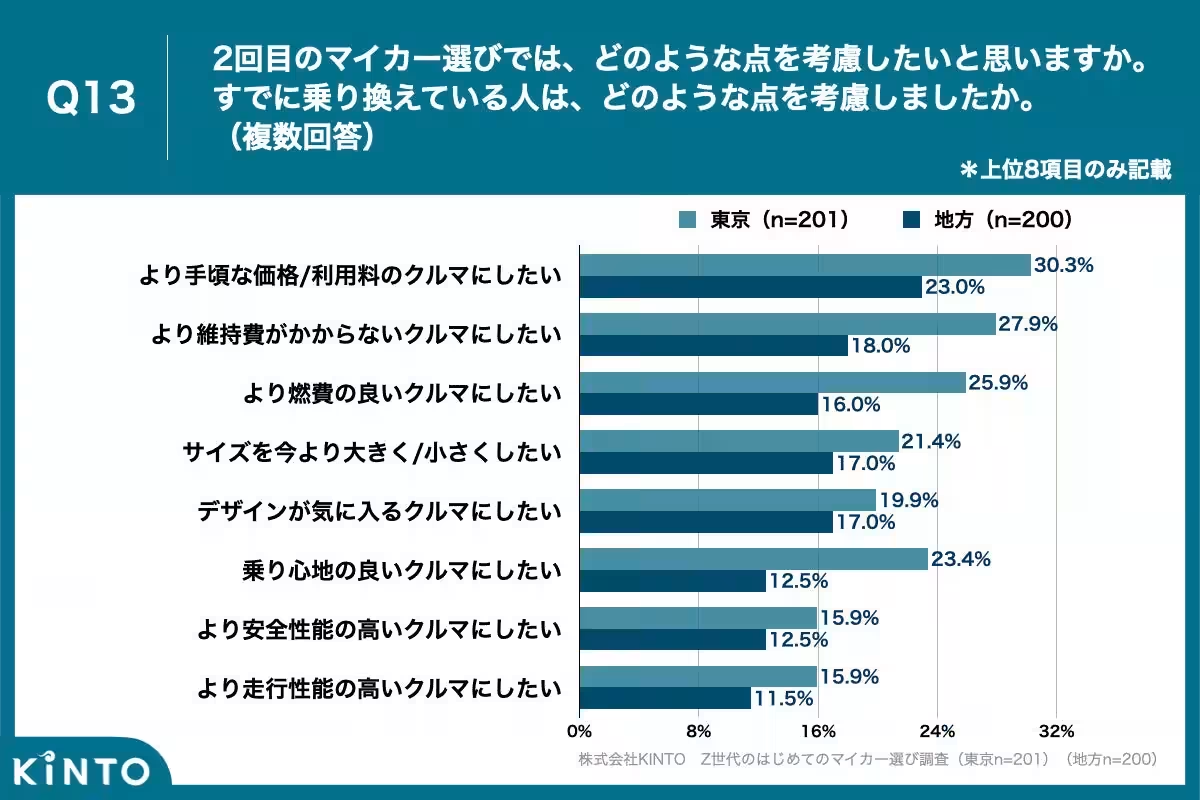
When asked about considerations for a second car, of utmost importance were demands for more affordable vehicles with fewer maintenance costs. The repeated emphasis on budgeting in vehicle selection shows a shift towards financial deliberation among younger generations recognizing past ownership challenges.
Conclusion
This recent survey by KINTO shines a light on the evolving dynamics of personal transport choices for Generation Z in Japan, illustrating how unique urban and rural perspectives shape their travel experiences. Despite various apprehensions about financial expectations, the vast majority reflect positively on their ownership journey, implying that addressing these challenges could further enhance their engagement with driving and car ownership overall. The general sentiment points towards a potential paradigm shift, where introducing solutions that alleviate financial strains could empower this generation to embrace more automotive experiences.
Special Initiative: U29 Support Campaign
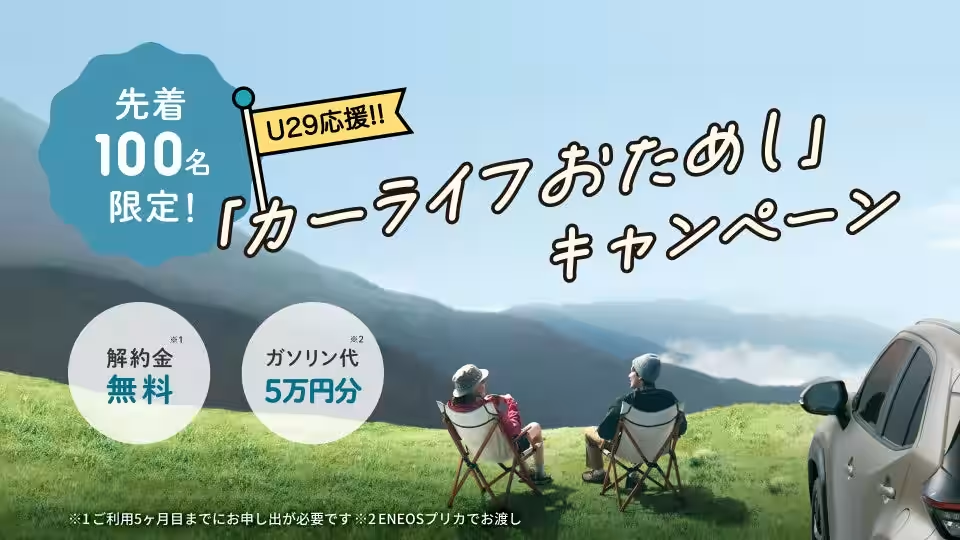
As part of efforts to support young drivers, KINTO is hosting the U29 Support Car Life Trial Campaign, aimed at giving those under 29 exclusive access to a subsidized experience with the latest vehicles, allowing them to enjoy the benefits of car ownership without the immediate financial burden.
For more information, visit: KINTO Japan

Topics Consumer Products & Retail)



【About Using Articles】
You can freely use the title and article content by linking to the page where the article is posted.
※ Images cannot be used.
【About Links】
Links are free to use.