



Understanding Ageism: Insights from a Recent Survey on Attitudes Towards Age and Challenges Faced
Ageism in Society: A Closer Look
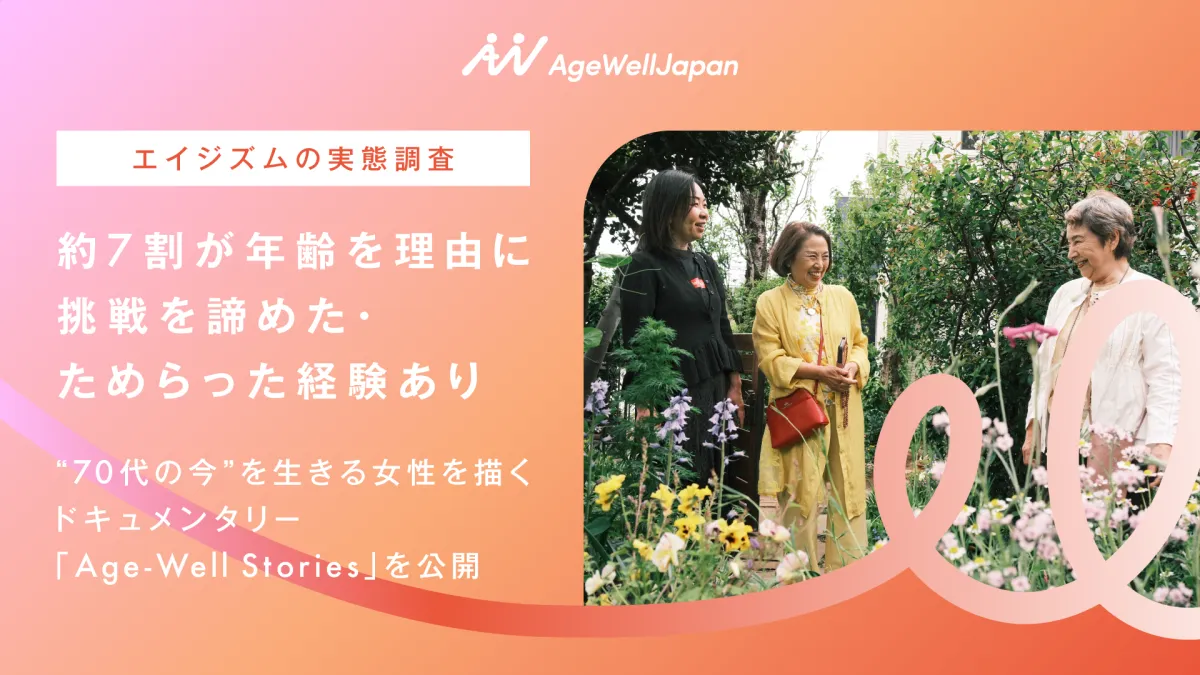
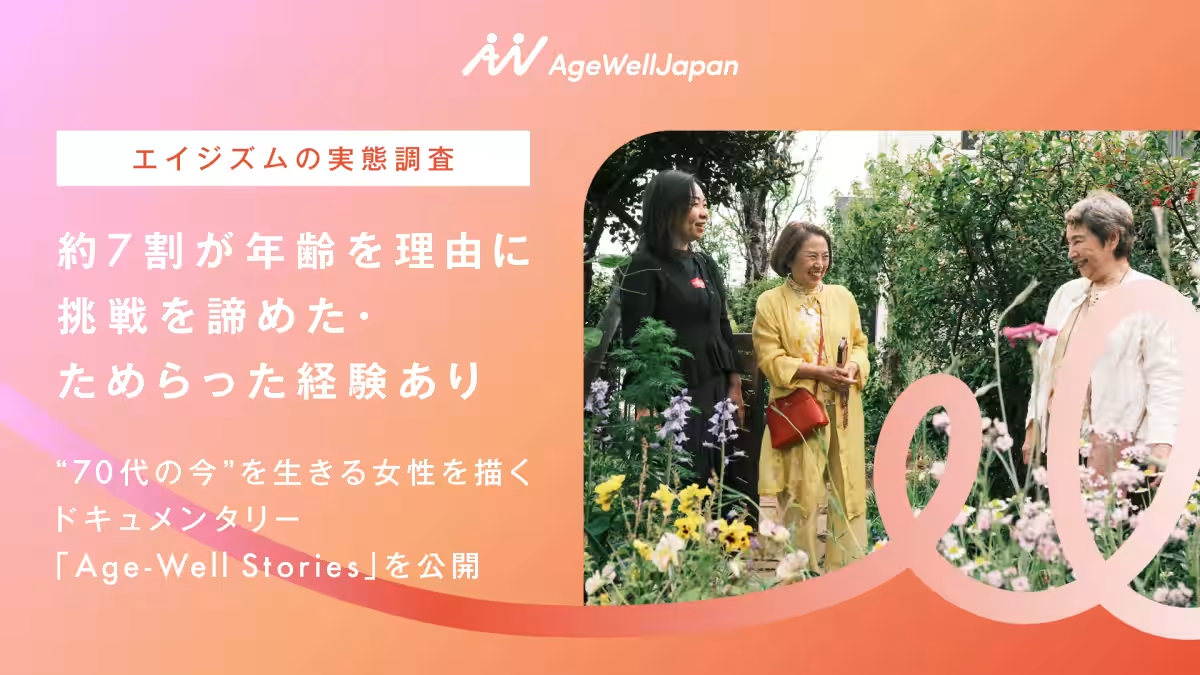
In a revealing new study by AgeWellJapan, a company focused on promoting intergenerational connections, about 70% of respondents reported having hesitated or given up on challenges due to their age. The survey highlights the pervasive nature of ageism in society, often manifesting through unwelcome phrases such as "You’re too old for that" or "Act your age."
Understanding Ageism
Japan stands as one of the longest-living societies globally, yet the cultural perception of aging can stifle personal ambition and choices. AgeWellJapan's mission includes dissecting the hidden constraints imposed by age-related biases, known as ageism, and showcasing individuals who live beyond these norms—encouraging society to rethink its attitudes towards aging. To this end, the insights gained from this survey come alongside a powerful documentary video focusing on women embracing their identities regardless of age.
Survey Overview
The survey encompassed two distinct groups:
1. General Population Survey
- Period: June 2-7, 2026
- Conducted by: JustSystems' Fastask
- Participants: 554 individuals, aged 60 and above, residing in Kanto (Saitama, Chiba, Tokyo, Kanagawa).
- Method: Online questionnaire
- Focus Areas: Attitudes towards aging, experiences of hesitation or defeat due to age, perceptions of societal comments, and relationships across generations.
2. Service Users Survey
- Period: June 5-30, 2026
- Conducted by: AgeWellJapan
- Participants: 55 individuals aged 60 and above, users of AgeWellJapan's services.
- Method: Direct distribution via Google Forms.
- Focus Areas: Similar to the general survey, with a specific focus on the impact of services provided.
Key Findings
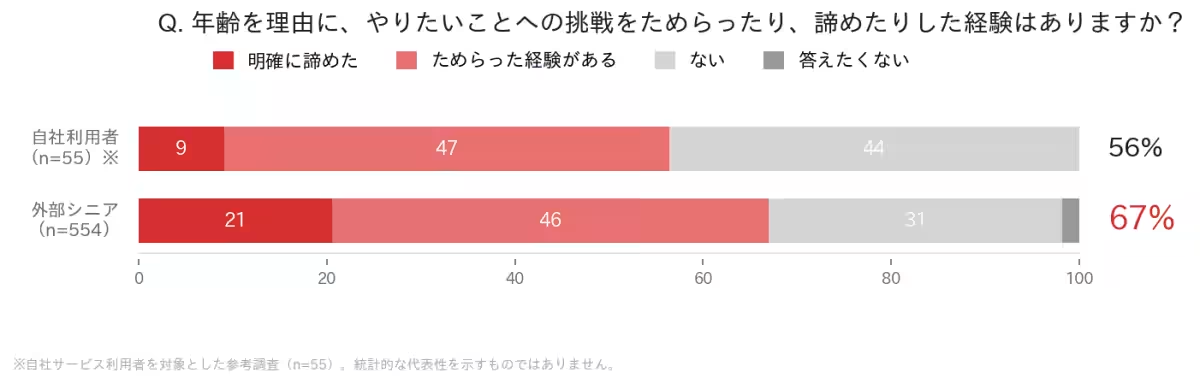
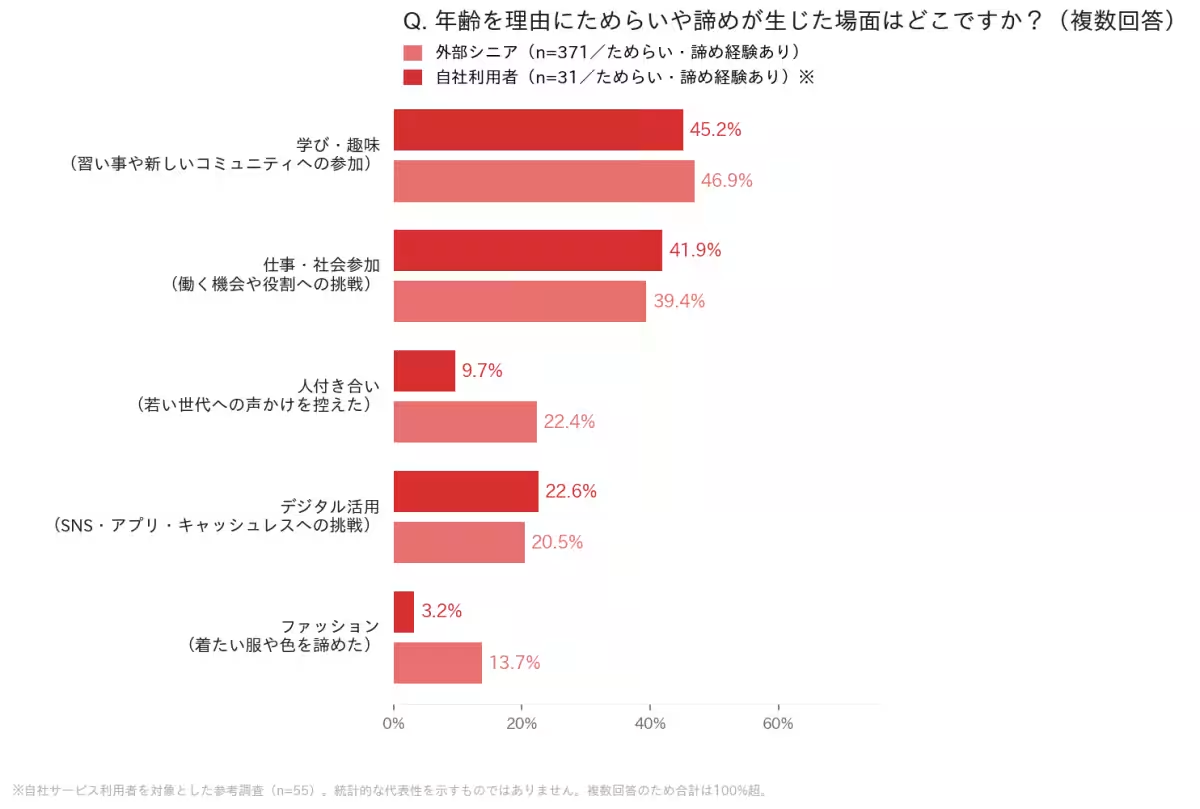
The findings reflected an alarming trend: nearly 67% of the general population reported experiencing hesitation in pursuing desires simply due to their age. The most affected areas included hobbies, work participation, and social engagements. While both survey groups experienced these hesitations, those who fully gave up on their pursuits were significantly lower among AgeWellJapan service users.
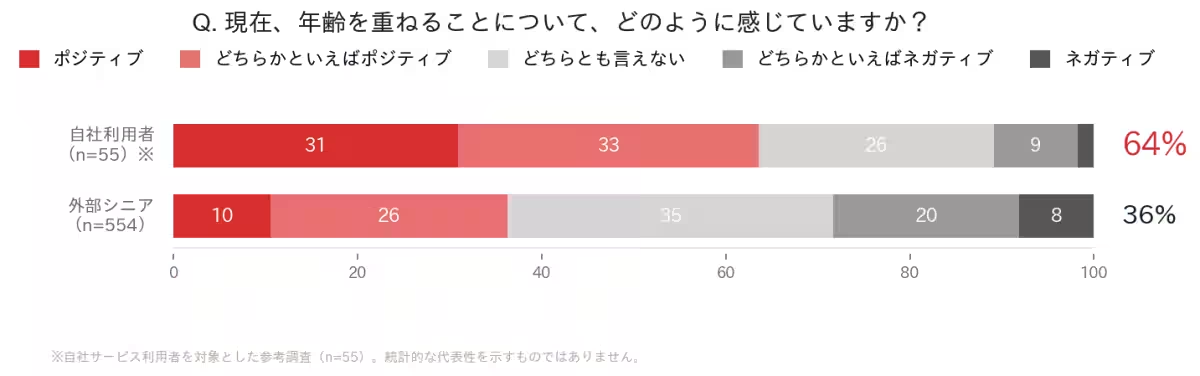
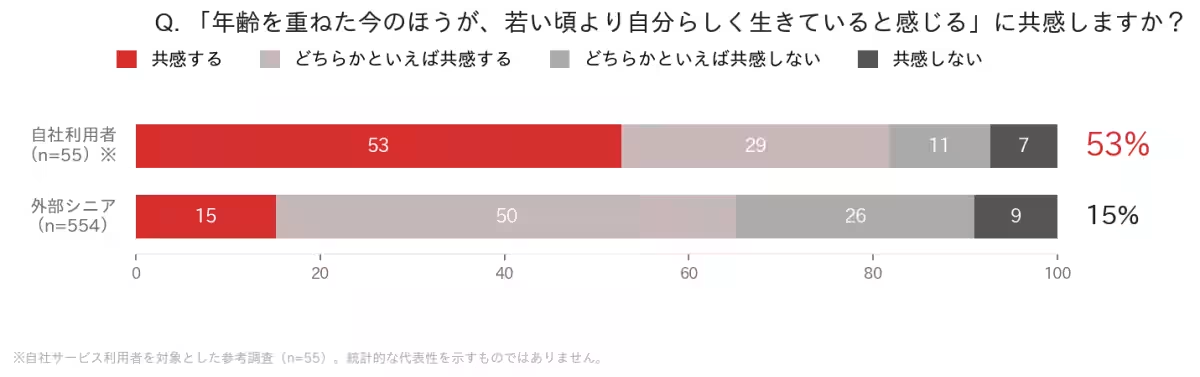
Furthermore, the study highlighted a disparity in perceptions of aging. Participants in AgeWellJapan's services reported being more positive and proactive about aging, with 63.6% accepting it positively compared to only 36.3% in the general group. Additionally, those who believed they lived authentically at their current age were three times more likely amongst service users than in the general population, indicating the empowering effect of supportive environments.
Complex Emotional Reactions
Interestingly, about 40% of both groups experienced complex emotions toward phrases like "Take it easy" or "Don’t overdo it," suggesting a disconnect between well-meaning sentiments from others and the individual's desire to thrive.
The Role of Intergenerational Relationships
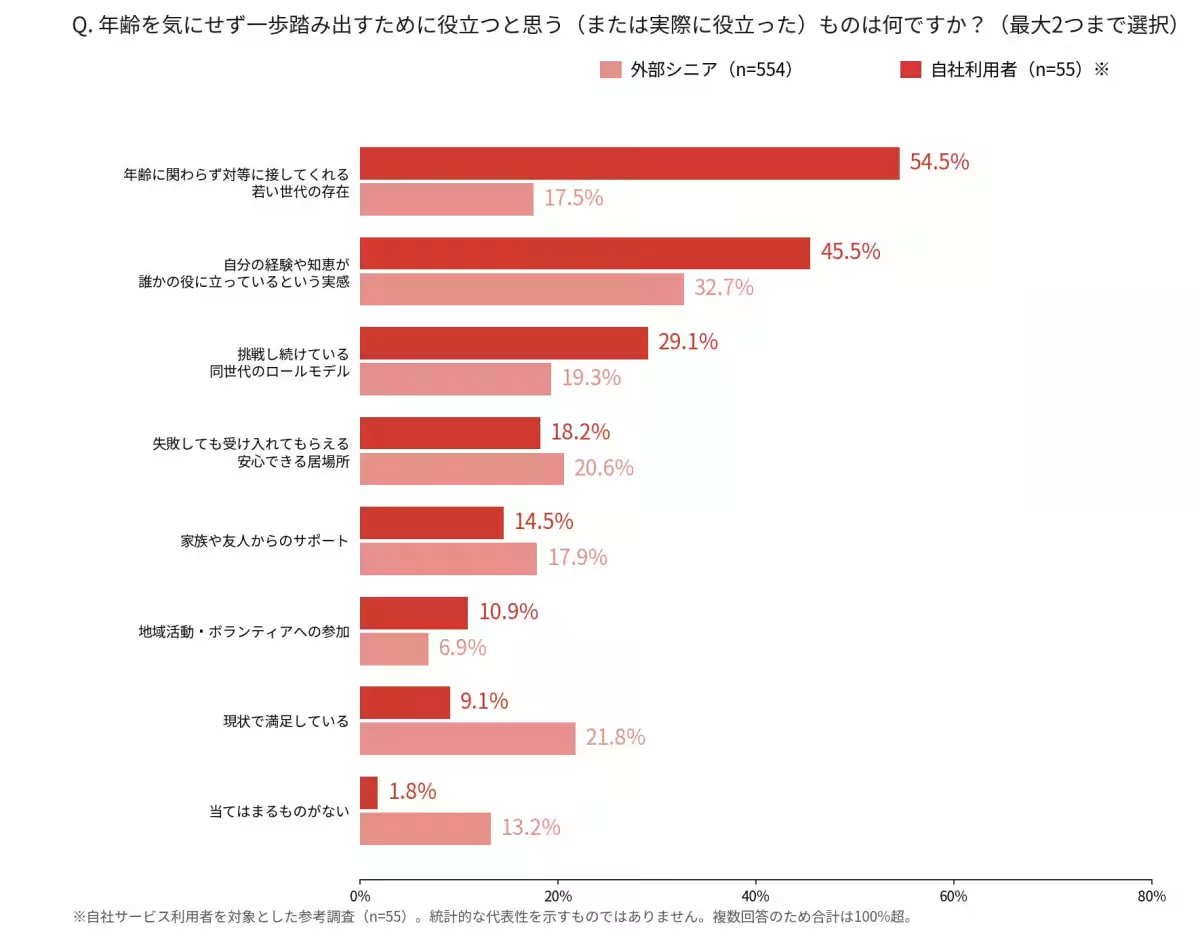
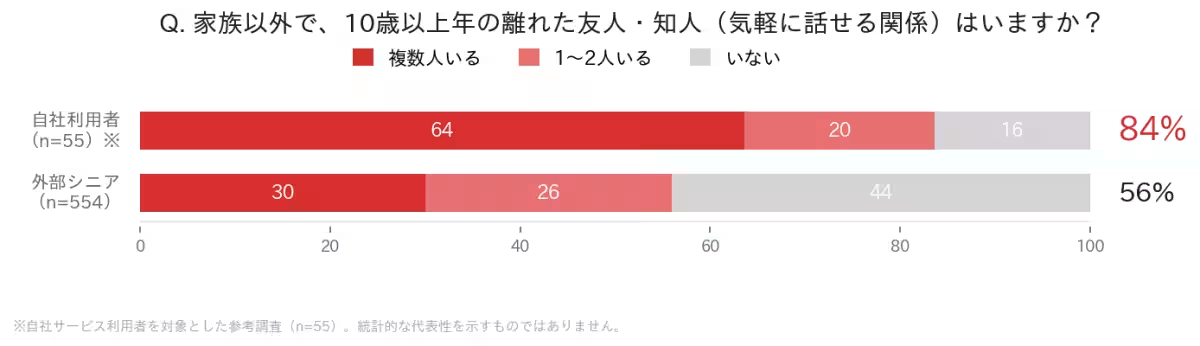
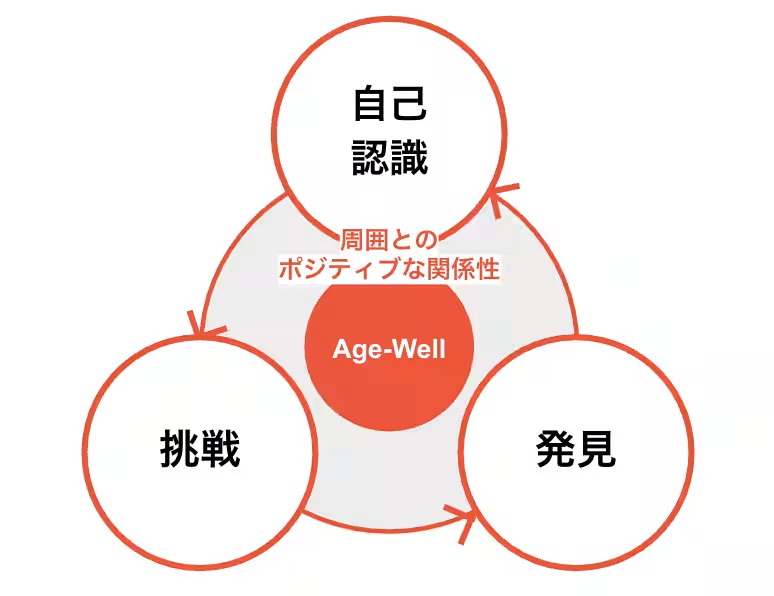
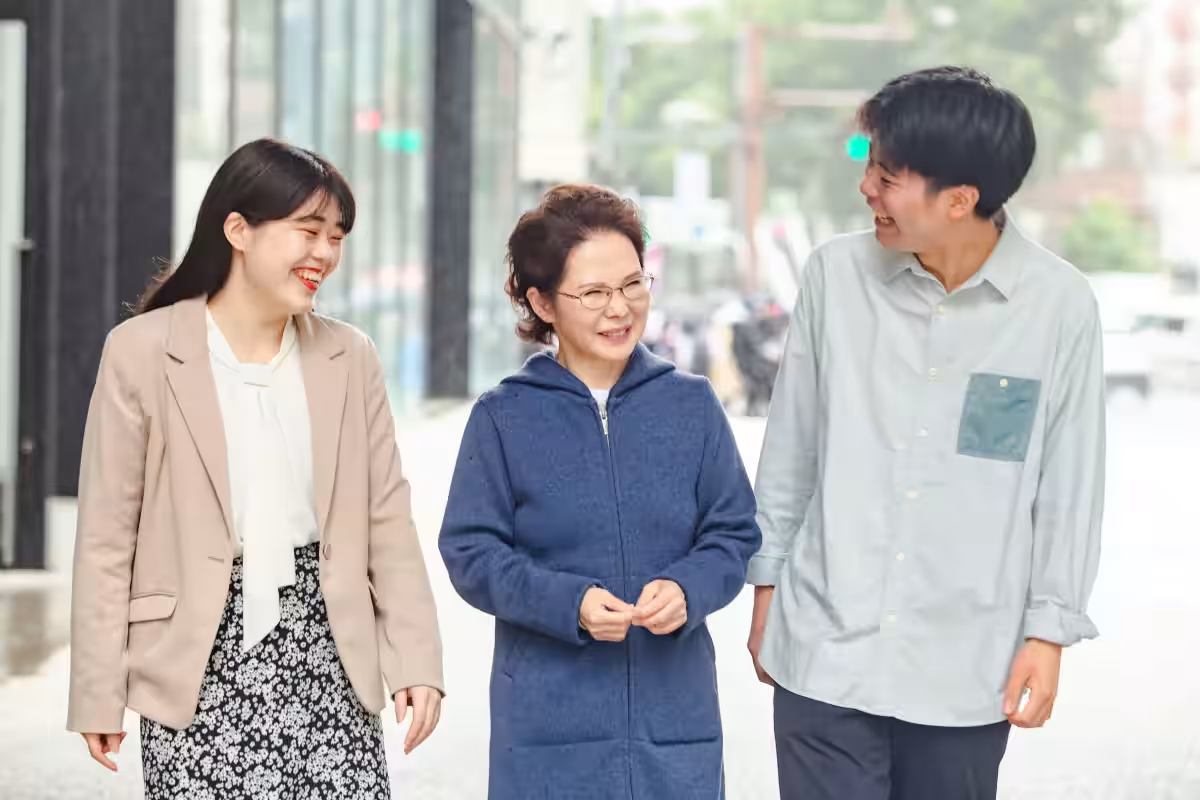
The research underscored that supportive intergenerational relationships play a pivotal role in overcoming age-related hesitations. In AgeWellJapan’s service users, the presence of young partners embracing equality was noted as a primary factor positively influencing their willingness to take on new challenges. The survey revealed that 63.6% of users had multiple friends more than ten years younger, a stark contrast to only 30% in the general population.
The Future: Building Positive Awareness
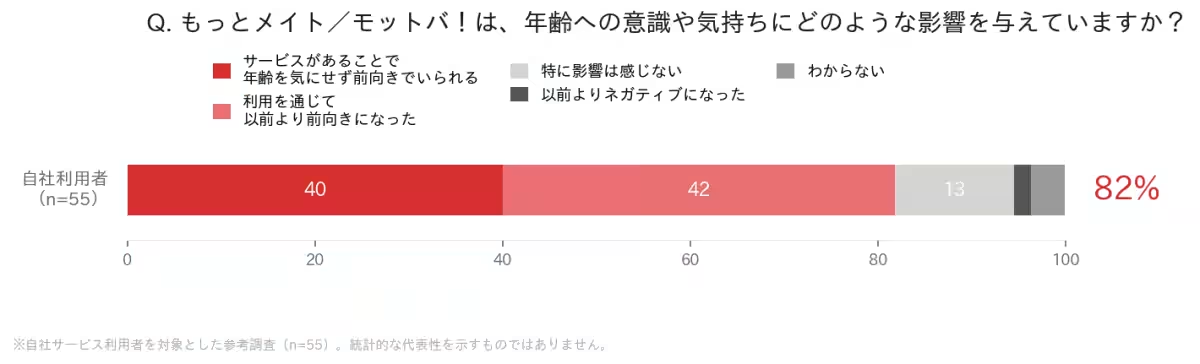
The AgeWellJapan service users felt a noticeable positive shift in their perceptions about age due to their engagement with the platform. Approximately 81.8% reported feeling more optimistic about aging thanks to the supportive services.
Moving Forward
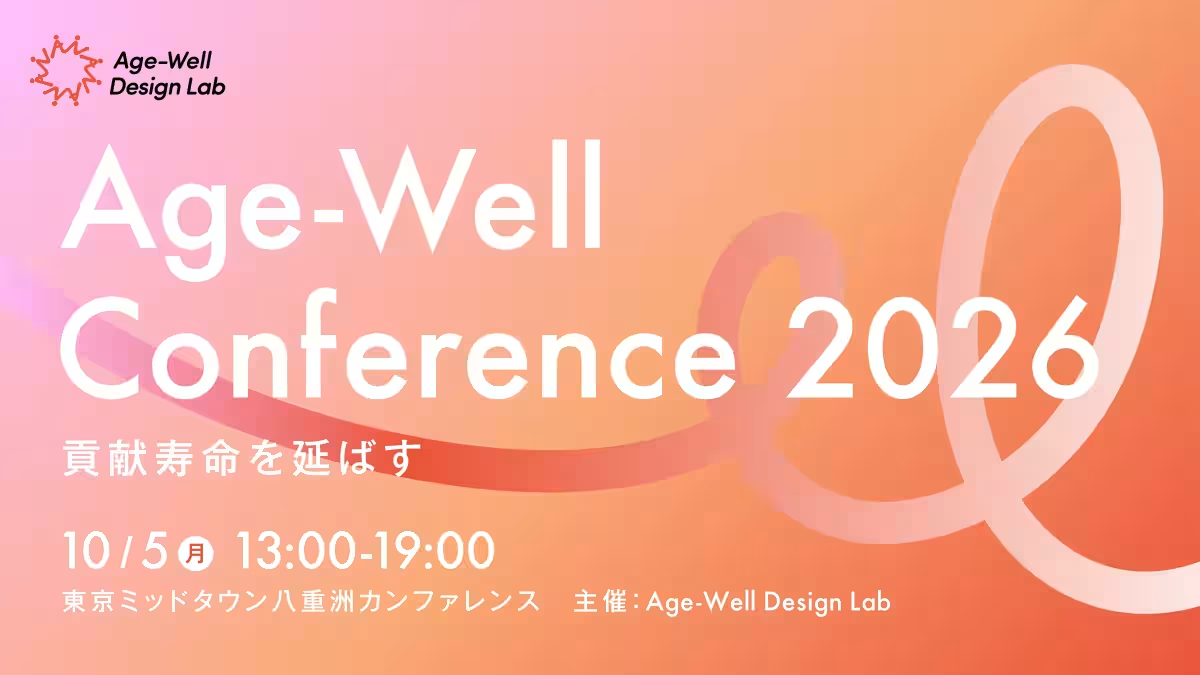
In light of these findings, AgeWellJapan aims to foster an ecosystem of shared generational learning and growth. The upcoming Age-Well Conference 2026, scheduled for October 5, 2026, will focus on expanding dialogues around contributing longevity while showcasing successful intergenerational practices. This platform aims to deepen the understanding of ageism and work towards dismantling the preconceptions that fuel it.
For those interested in exploring the implications of ageism further or getting involved, visit AgeWellJapan. The documentary "Age-Well Stories: Living Authentically" featuring a vibrant 70-year-old participant elaborates on the power of personal stories in challenging age biases and can be viewed here.
This study isn't just a statistic; it's a call to action for a society that cherishes and nurtures the contributions of all its members, regardless of age.

Topics People & Culture)


【About Using Articles】
You can freely use the title and article content by linking to the page where the article is posted.
※ Images cannot be used.
【About Links】
Links are free to use.