



Exploring Online Learning Methods for English Conversation Improvement
In a world where proficiency in English increasingly opens doors to personal and professional realms, many individuals are searching for effective methods to improve their conversational skills. EnglishSearch, operated by Digital Trends Corporation, recently conducted a survey involving 300 English learners across the nation, shedding light on the nuances of current learning preferences and challenges. The following insights gathered from the survey are instrumental for both beginners and ongoing learners, addressing the motivations, tools, and strategies employed by different age groups in their pursuit of knowledge.
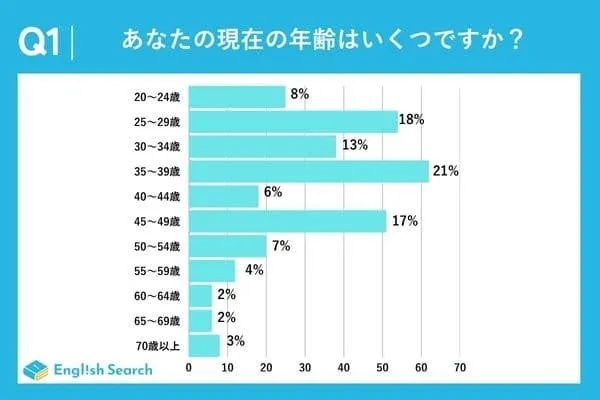
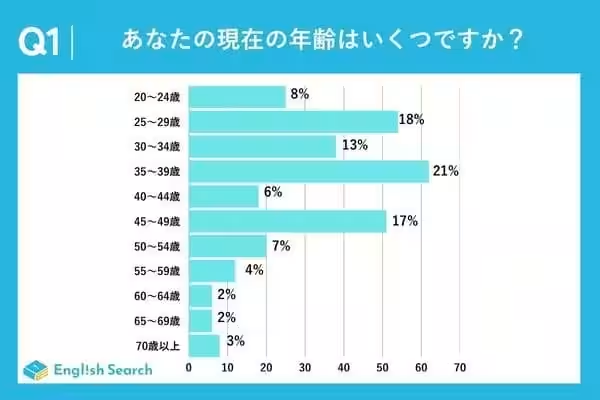
The survey asked participants about their current age, revealing a diverse spectrum of learners ranging from their 20s through their 70s and beyond. Particularly notable is the concentration of learners aged 30 to 40, hinting at a demographic that views English language skills as a vital investment in career development and future prospects.
This age group is often burdened with responsibilities yet seeks efficient learning methods that fit into tightly scheduled lives, gravitating towards tools that accommodate their time limitations, such as English learning apps and online platforms. Interestingly, learners over 50 also comprise a significant portion of the population, with motivations tied to enhancing their lives through travel, hobbies, and personal fulfillment during their later years.
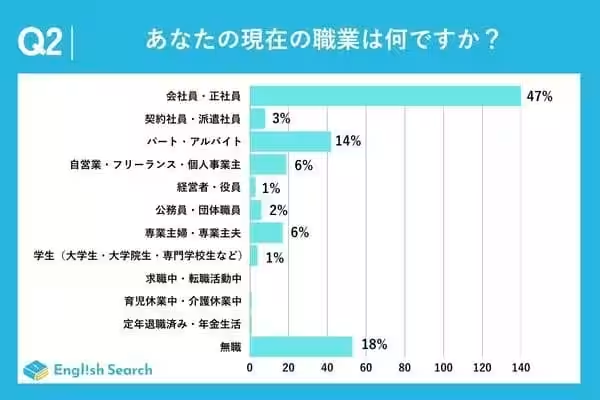
The survey also gathered insights into the employment backgrounds of respondents, with a majority being full-time employees reflecting the rising demand for English proficiency in business contexts. This trend indicates a growing recognition among professionals that mastering English can facilitate career advancements and open new opportunities.
Moreover, a variety of learners, including part-timers, freelancers, and stay-at-home parents, also engage in English studies. With the surge in remote work and globalization, many freelancers are now required to enhance their language skills, highlighting a significant shift toward self-improvement and lifelong learning.
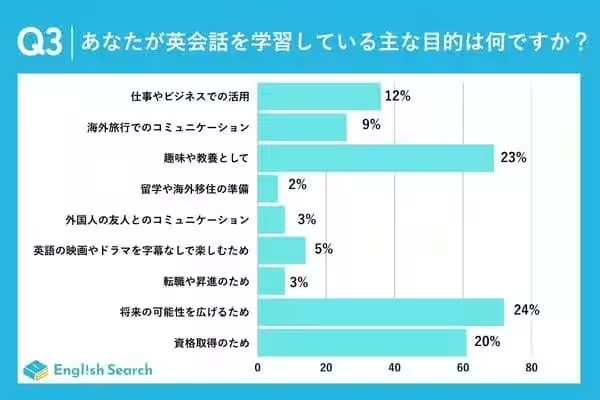
When questioned about their primary motivations for learning English, respondents cited desires such as expanding future possibilities and engaging in personal interests. While many learners do not set explicit goals initially, they share a common feeling that possessing English skills can significantly broaden their horizons.
Conversely, a subset of individuals pursue English for career-specific advancements, job transitions, or to fulfill practical goals, especially among those aged 30 to 40. Furthermore, experiential motivations such as wanting to enjoy travel more fully, watch movies without subtitles, or converse freely with foreign friends are equally prevalent, demonstrating that learning English transcends mere professional utility.
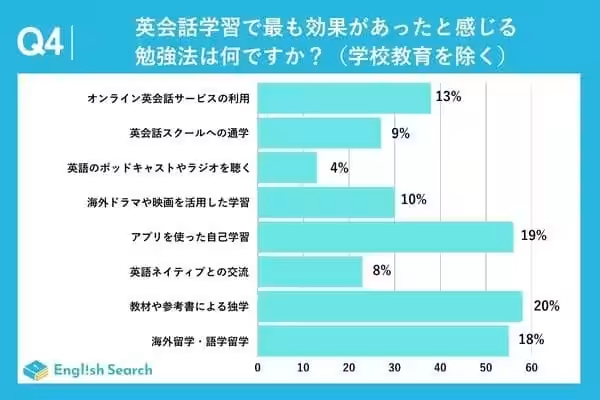
Participants were asked to identify the methods that have proven most effective in their English learning journeys, excluding traditional classroom education. Not surprisingly, numerous learners affirmed that self-study using apps and textbooks is highly beneficial. The accessibility of mobile apps has made learning convenient, allowing individuals to fit it into their busy lives easily.
In addition, traditional print materials remain popular among learners who favor structured learning approaches. Notably, online conversation services provide valuable opportunities to apply speaking and listening skills in real-world contexts.
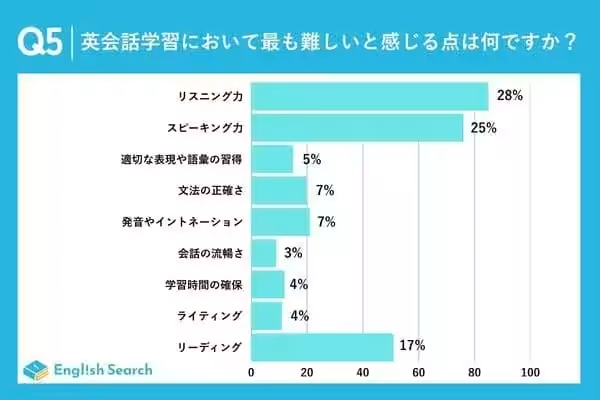
Despite the enthusiasm, many respondents expressed common difficulties, particularly in listening comprehension and speaking fluency. Both skills are essential for effective communication but often lack focus in conventional education frameworks, necessitating a shift towards practical, conversation-heavy learning environments.
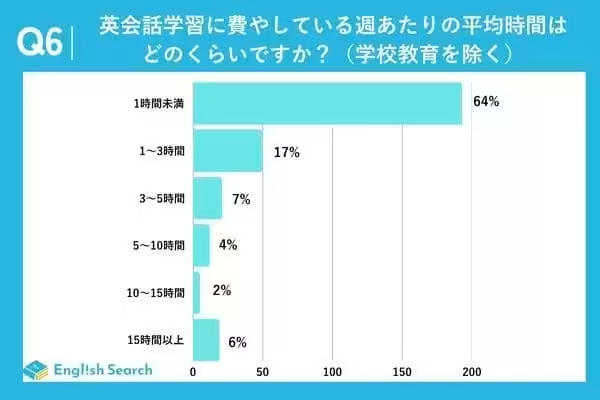
When asked about the average time spent studying English each week, a surprising number of learners reported committing less than one hour. This finding highlights the reality of modern life where lengthy study sessions are often impractical. It reinforces the idea that even short, concentrated bursts of study can be effective and suggests the need for well-structured, engaging learning resources.
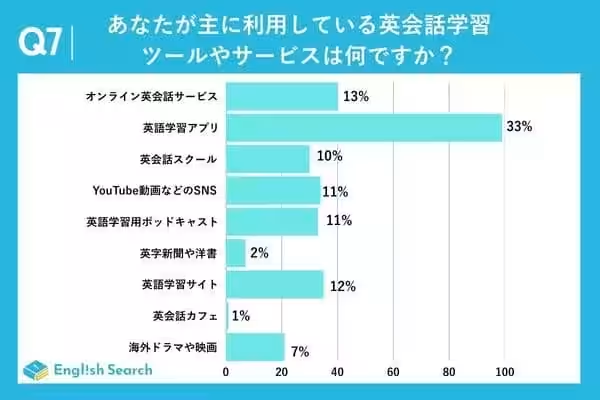
Survey participants shared their favored learning tools, with mobile apps and free online content ranking highest. Online English conversation lessons also gained traction, indicating a robust interest in interactive learning experiences. Moreover, learners are increasingly turning to films, music, and news articles to enhance their language skills in enjoyable ways, showcasing the flexibility of modern learners in choosing resources that align with their lifestyles.
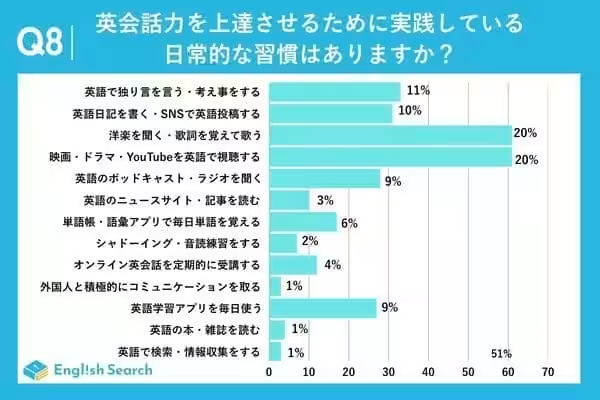
Another insightful question explored whether learners have established routines to practice English regularly. Many share habits such as listening to English music, watching videos in English, or even talking to themselves in English, paving the way for consistent language exposure in their everyday lives.
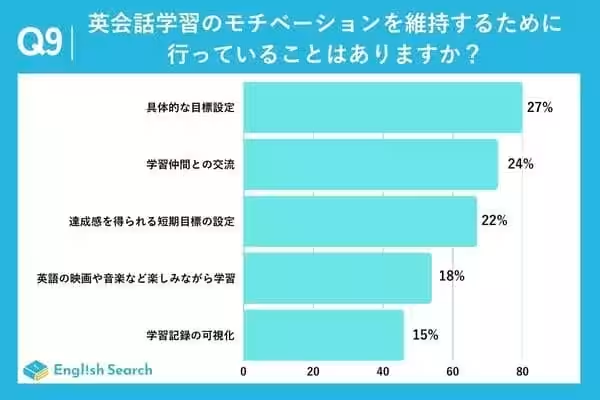
When discussing ways to sustain motivation, respondents noted the importance of engaging with peers, enjoying relatable content, and setting achievable certification goals. The sense of shared progress and tangible achievements can significantly boost perseverance in language learning.
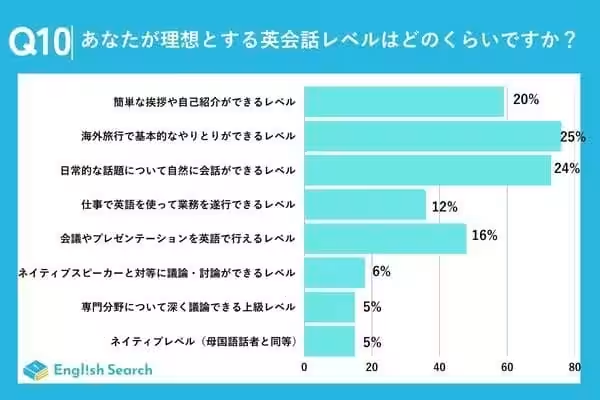
An enlightening question about their ideal level of English proficiency revealed that many participants aspire to achieve natural fluency in everyday conversation. While some aim for business-level English or even aspire to native competence, a realistic and pragmatic approach seems to dominate, focusing on functional English for real-life applications.
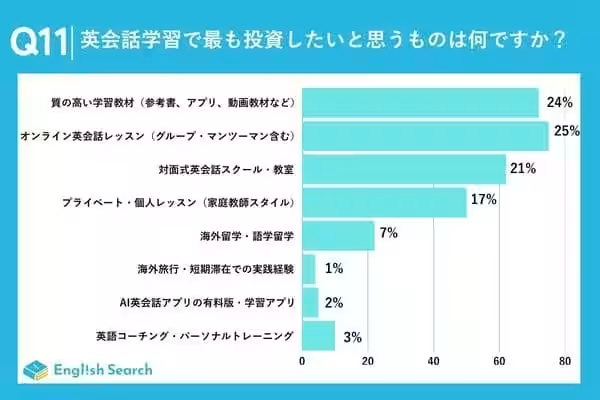
When exploring what aspects of English study learners were willing to invest in, online conversation lessons emerged as the most appealing option. The ability to practice speaking flexibly and the convenience of choosing lesson times and locations make this method very attractive. Additional investment preferences included high-quality materials and immersive learning experiences.
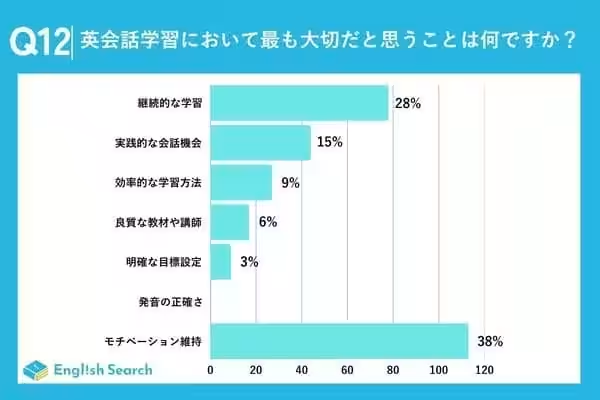
Finally, when asked what they deemed critical for successful English language learning, the responses centered on the importance of consistency and maintaining motivation. This highlights a broader understanding that effective learning is less about finding the perfect method and more about creating a sustainable learning journey that matches one's personal goals and lifestyle.
In summary, this survey underscores the notion that there is no one-size-fits-all approach to English learning. Each learner must navigate their unique path, integrating language practice into everyday life in a way that feels both organic and manageable. By fostering an environment of consistent engagement and utilizing fun and accessible resources, individuals can uncover their potential to speak English confidently.
Age Demographics of English Learners
The survey asked participants about their current age, revealing a diverse spectrum of learners ranging from their 20s through their 70s and beyond. Particularly notable is the concentration of learners aged 30 to 40, hinting at a demographic that views English language skills as a vital investment in career development and future prospects.
This age group is often burdened with responsibilities yet seeks efficient learning methods that fit into tightly scheduled lives, gravitating towards tools that accommodate their time limitations, such as English learning apps and online platforms. Interestingly, learners over 50 also comprise a significant portion of the population, with motivations tied to enhancing their lives through travel, hobbies, and personal fulfillment during their later years.
Occupational Landscape Among English Learners
The survey also gathered insights into the employment backgrounds of respondents, with a majority being full-time employees reflecting the rising demand for English proficiency in business contexts. This trend indicates a growing recognition among professionals that mastering English can facilitate career advancements and open new opportunities.
Moreover, a variety of learners, including part-timers, freelancers, and stay-at-home parents, also engage in English studies. With the surge in remote work and globalization, many freelancers are now required to enhance their language skills, highlighting a significant shift toward self-improvement and lifelong learning.
Reasons for Learning English Conversation
When questioned about their primary motivations for learning English, respondents cited desires such as expanding future possibilities and engaging in personal interests. While many learners do not set explicit goals initially, they share a common feeling that possessing English skills can significantly broaden their horizons.
Conversely, a subset of individuals pursue English for career-specific advancements, job transitions, or to fulfill practical goals, especially among those aged 30 to 40. Furthermore, experiential motivations such as wanting to enjoy travel more fully, watch movies without subtitles, or converse freely with foreign friends are equally prevalent, demonstrating that learning English transcends mere professional utility.
Most Effective Learning Methods
Participants were asked to identify the methods that have proven most effective in their English learning journeys, excluding traditional classroom education. Not surprisingly, numerous learners affirmed that self-study using apps and textbooks is highly beneficial. The accessibility of mobile apps has made learning convenient, allowing individuals to fit it into their busy lives easily.
In addition, traditional print materials remain popular among learners who favor structured learning approaches. Notably, online conversation services provide valuable opportunities to apply speaking and listening skills in real-world contexts.
Challenges Faced in Learning English Conversation
Despite the enthusiasm, many respondents expressed common difficulties, particularly in listening comprehension and speaking fluency. Both skills are essential for effective communication but often lack focus in conventional education frameworks, necessitating a shift towards practical, conversation-heavy learning environments.
Weekly Study Time Commitment
When asked about the average time spent studying English each week, a surprising number of learners reported committing less than one hour. This finding highlights the reality of modern life where lengthy study sessions are often impractical. It reinforces the idea that even short, concentrated bursts of study can be effective and suggests the need for well-structured, engaging learning resources.
Preferences in Learning Tools
Survey participants shared their favored learning tools, with mobile apps and free online content ranking highest. Online English conversation lessons also gained traction, indicating a robust interest in interactive learning experiences. Moreover, learners are increasingly turning to films, music, and news articles to enhance their language skills in enjoyable ways, showcasing the flexibility of modern learners in choosing resources that align with their lifestyles.
Daily Practices to Enhance English Skills
Another insightful question explored whether learners have established routines to practice English regularly. Many share habits such as listening to English music, watching videos in English, or even talking to themselves in English, paving the way for consistent language exposure in their everyday lives.
Strategies for Maintaining Motivation
When discussing ways to sustain motivation, respondents noted the importance of engaging with peers, enjoying relatable content, and setting achievable certification goals. The sense of shared progress and tangible achievements can significantly boost perseverance in language learning.
Desired English Conversation Proficiency
An enlightening question about their ideal level of English proficiency revealed that many participants aspire to achieve natural fluency in everyday conversation. While some aim for business-level English or even aspire to native competence, a realistic and pragmatic approach seems to dominate, focusing on functional English for real-life applications.
Investment Preferences in Learning
When exploring what aspects of English study learners were willing to invest in, online conversation lessons emerged as the most appealing option. The ability to practice speaking flexibly and the convenience of choosing lesson times and locations make this method very attractive. Additional investment preferences included high-quality materials and immersive learning experiences.
Essential Factors for Success
Finally, when asked what they deemed critical for successful English language learning, the responses centered on the importance of consistency and maintaining motivation. This highlights a broader understanding that effective learning is less about finding the perfect method and more about creating a sustainable learning journey that matches one's personal goals and lifestyle.
In summary, this survey underscores the notion that there is no one-size-fits-all approach to English learning. Each learner must navigate their unique path, integrating language practice into everyday life in a way that feels both organic and manageable. By fostering an environment of consistent engagement and utilizing fun and accessible resources, individuals can uncover their potential to speak English confidently.
- ---
Survey Overview
- - Target Audience: 300 English learners nationwide
- - Method: Online survey
- - Conducting Agency: Cross Marketing Corporation
- - Survey Date: June 2025
Company Overview
- - Company Name: Digital Trends Corporation
- - Location: 5th Floor, Shinjuku Hanazono MJ Building, 5-16-15 Shinjuku, Shinjuku-ku, Tokyo
- - Business Activities: SEO support, advertisement management, social media assistance, web production, in-house media management
- - EnglishSearch: Visit Here
- - Article Reference: Read More
Topics Other)
【About Using Articles】
You can freely use the title and article content by linking to the page where the article is posted.
※ Images cannot be used.
【About Links】
Links are free to use.