



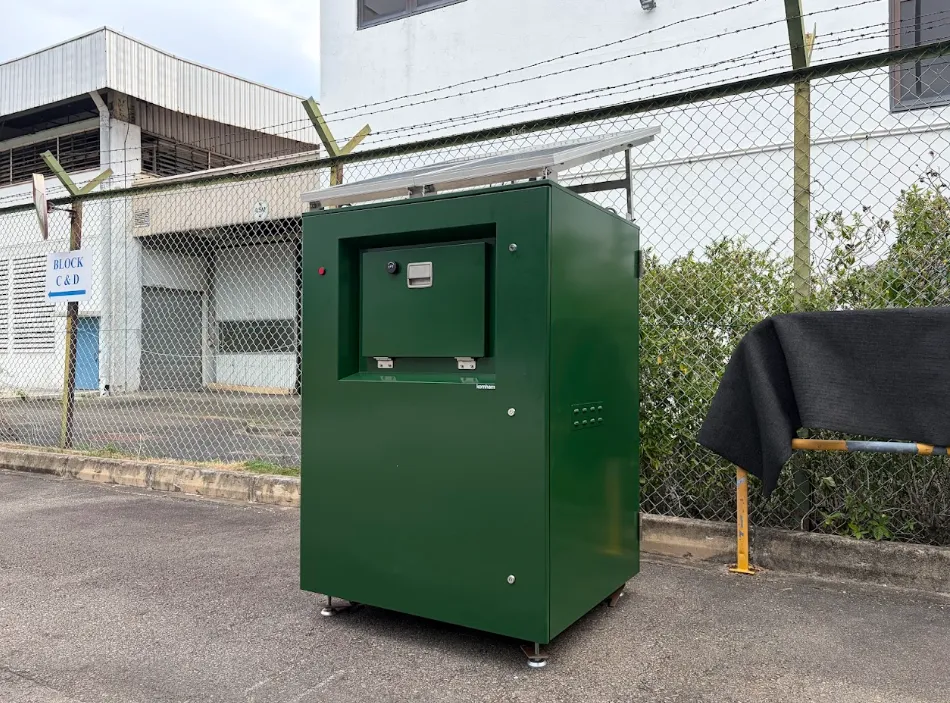
Komham Launches Resource Recycling Business in Southeast Asia, Harnessing Microbial Technology
Introduction
Komham, a company based in Sapporo, Japan, is taking significant steps to expand its resource recycling endeavors in Southeast Asia. This initiative harnesses proprietary microbial technologies developed in Japan, aiming to address the increasing volume of organic waste present in the region. Currently, almost all Southeast Asian countries face a dilemma: they generate far more organic waste than can be managed through available incineration and landfill systems. The need for efficient resource recycling infrastructure has never been more urgent.
The Importance of Southeast Asia for Resource Recycling
Southeast Asia is experiencing rapid economic growth and urbanization, leading to an exponential rise in organic waste generation. Meanwhile, many areas within the region still lack adequate infrastructure, such as incinerators or landfills, to handle this waste consistently. As a result, the demand for effective waste processing and resource recycling solutions is escalating. Moreover, the need to reduce greenhouse gas emissions associated with organic waste disposal has emerged as a critical challenge in attaining a carbon-neutral society.
Strategic Collaborations
Recognizing Southeast Asia as a pivotal market for growth, Komham has embarked on a project supported by Tokyo's 'Global South GX Experimental Subsidy' to conduct technical demonstrations in Thailand and Singapore. Collaborations have been established with major conglomerates, royal enterprises from Thailand, and prominent Japanese electronics manufacturers. The goal is to validate the efficacy of Komham's unique microbial strain, known as 'Komham,' proving its ability to provide stable decomposition performance in high-temperature and humid environments, not unlike those encountered in Southeast Asian climates.
Achievements and Proof of Concept
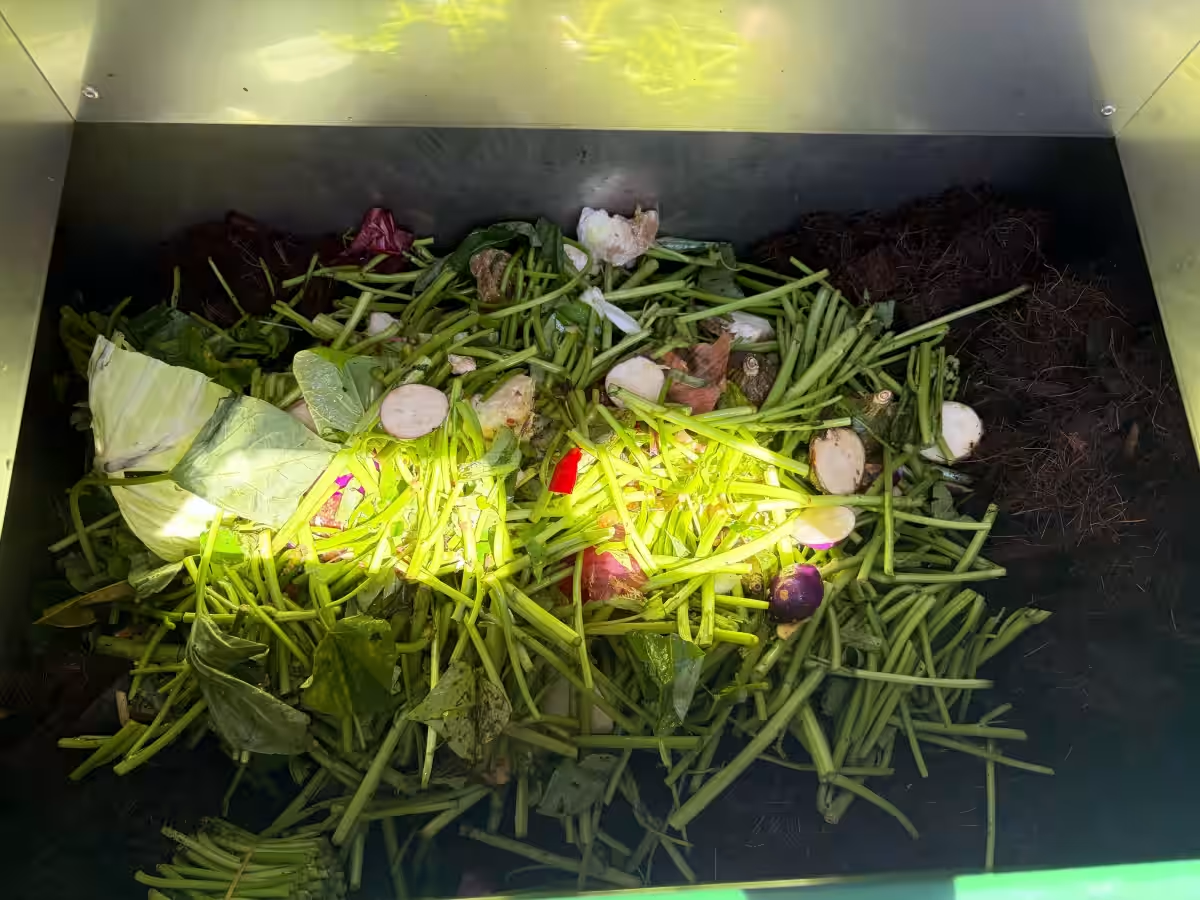
During the demonstrations in Southeast Asia, the Komham microbial group exhibited impressive waste decomposition results, even when faced with the region’s specific organic waste compositions. Such evidence solidified the adaptability of Japanese microbial technology within local environments, paving the way for significant commercial opportunities. Alongside technological validation, assessments regarding local operational frameworks and logistics are also underway to craft a solid foundation for business establishment.
Promoting Sustainable Resource Recycling Solutions
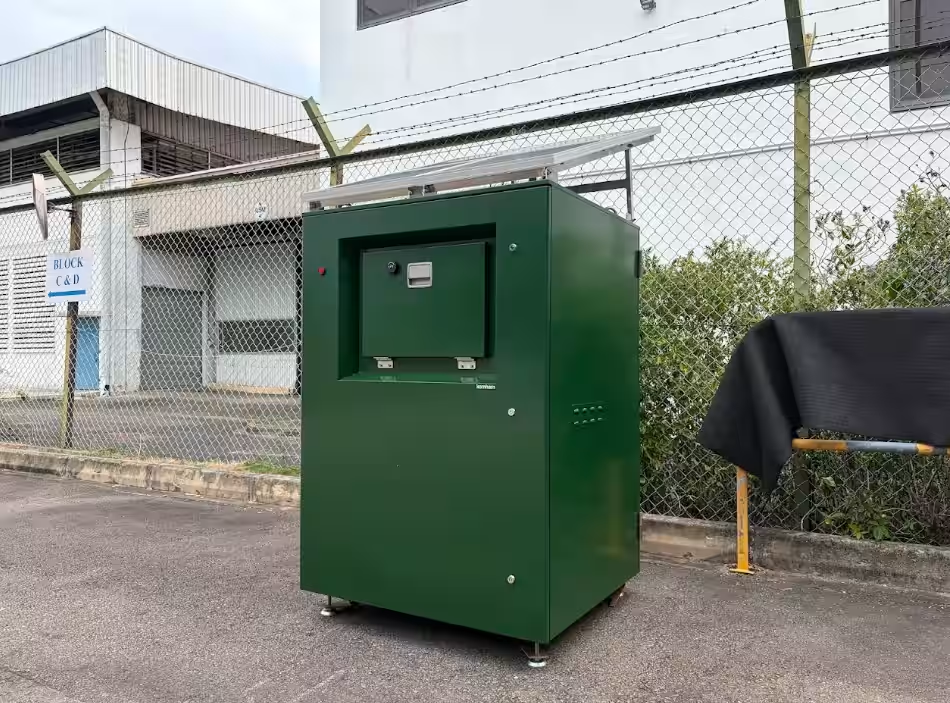
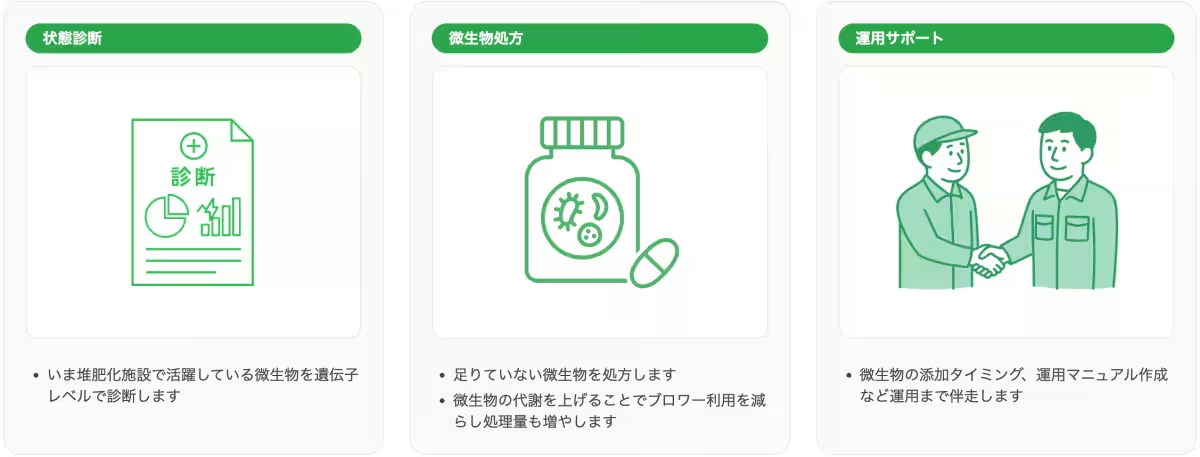
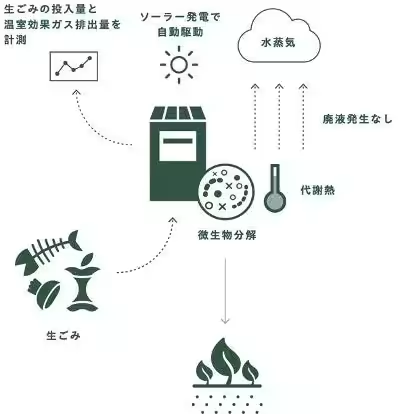
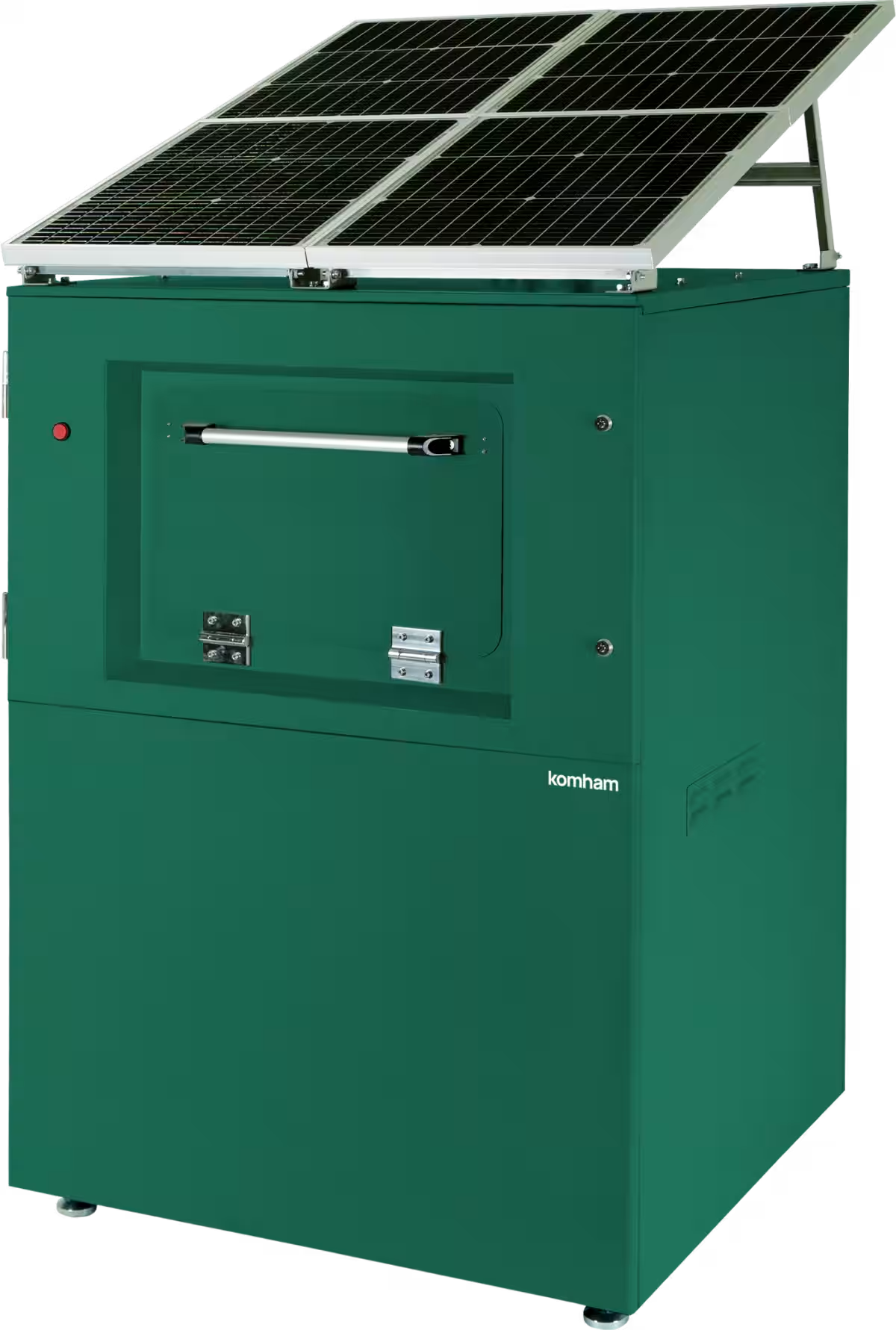
Building on these achievements, Komham plans to fully implement resource recycling solutions anchored in its microbial technologies: 'Komham,' 'Smart Compost®,' and 'MICROBOOST®.' The long-term vision includes developing an integrated resource recycling platform that combines microbiological technologies, waste processing machinery, and microorganism diagnostics, aiming to adapt resource recycling models according to the specific regional characteristics and ultimately defining new global standards.
Future Directions
Looking ahead, Komham is working to extend the applications of its microbial technologies by amalgamating 'Komham,' 'Smart Compost,' and 'MICROBOOST' into wider social implementations, starting from Thailand. The company has set the sights on replicating its successful business model throughout Southeast Asia. Furthermore, it seeks to establish a resource recycling platform that accommodates diverse climatic conditions and waste characteristics, thereby presenting optimal resource recycling solutions across various regions. Geographical expansion into other overseas markets, including the Middle East, is also planned, leveraging the knowledge gained from Southeast Asia.
Seeking Partnerships for Local Development
Komham is currently seeking partner companies in Southeast Asia, particularly in Thailand, to join its journey of sustainable development. The company welcomes alliances with sales agencies, trading firms, waste management contractors, food businesses, and enterprises operating in environmental and resource recycling sectors eager to adopt these transformative technologies.
Through collaborative efforts that go beyond mere product sales, Komham aims to construct localized resource recycling models and foster overall business development. By bridging ties with entities that possess established networks and distribution channels in the region, Komham is committed to advancing a sustainable resource recycling model in Southeast Asia.
About Komham
Founded on January 29, 2020, Komham is dedicated to enhancing living environments using microbial technologies. The company conducts research on high-performance decomposing microorganisms and is engaged in the development of biomass recycling systems. By innovating new services and products, Komham aims to create infrastructure that allows individuals to live environmentally friendly lives without conscious effort.
Conclusion
With its innovative approach and strategic expansion plans, Komham is poised to make a substantial impact in Southeast Asia’s environmental landscape, providing vital solutions to one of the region's pressing problems—organic waste management. Those interested in collaborating with Komham for sustainable development initiatives can reach out via their official contact page: Contact Komham.
Topics Environment)

【About Using Articles】
You can freely use the title and article content by linking to the page where the article is posted.
※ Images cannot be used.
【About Links】
Links are free to use.