



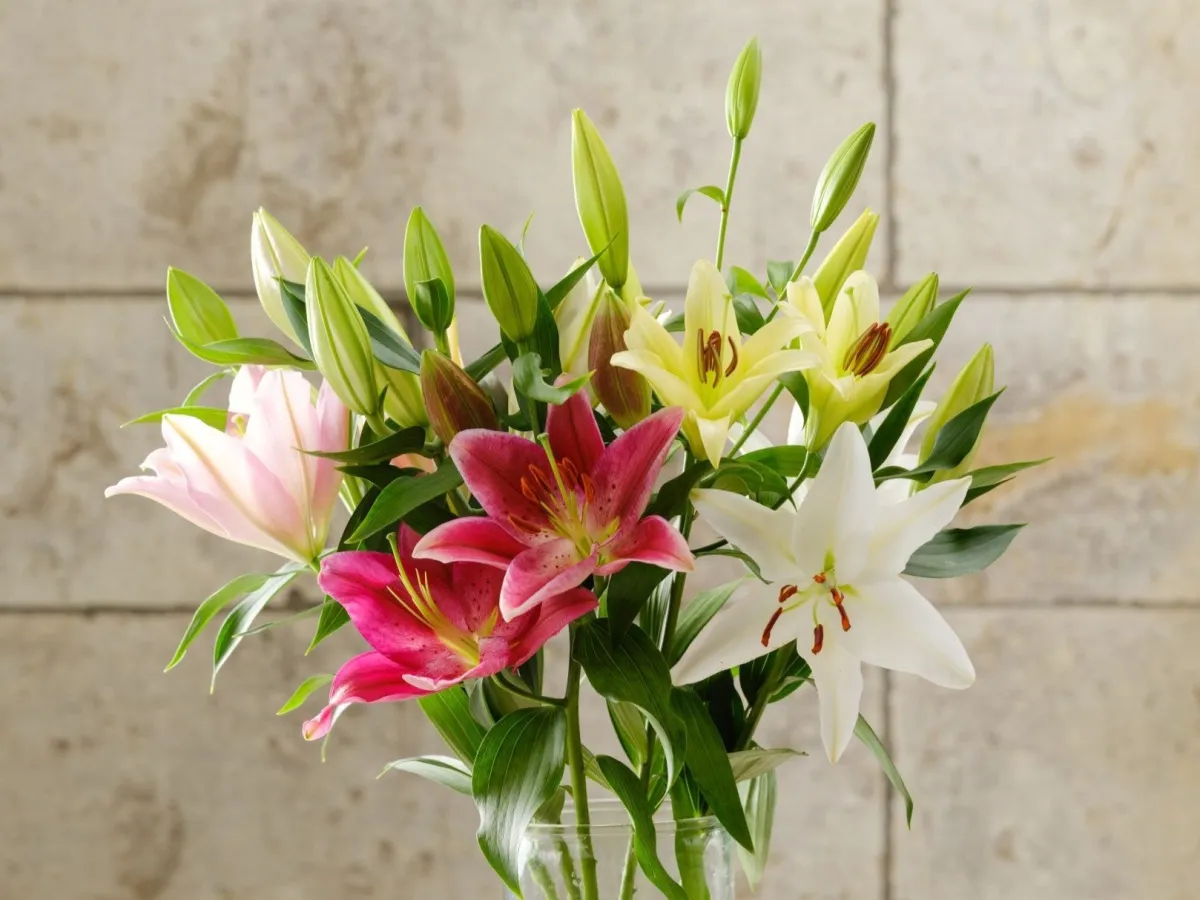
Innovative Biochar Utilization in Sustainable Lily Cultivation Achieves New Heights
Sustainable Flower Production Takes Flight with Sora-Tan
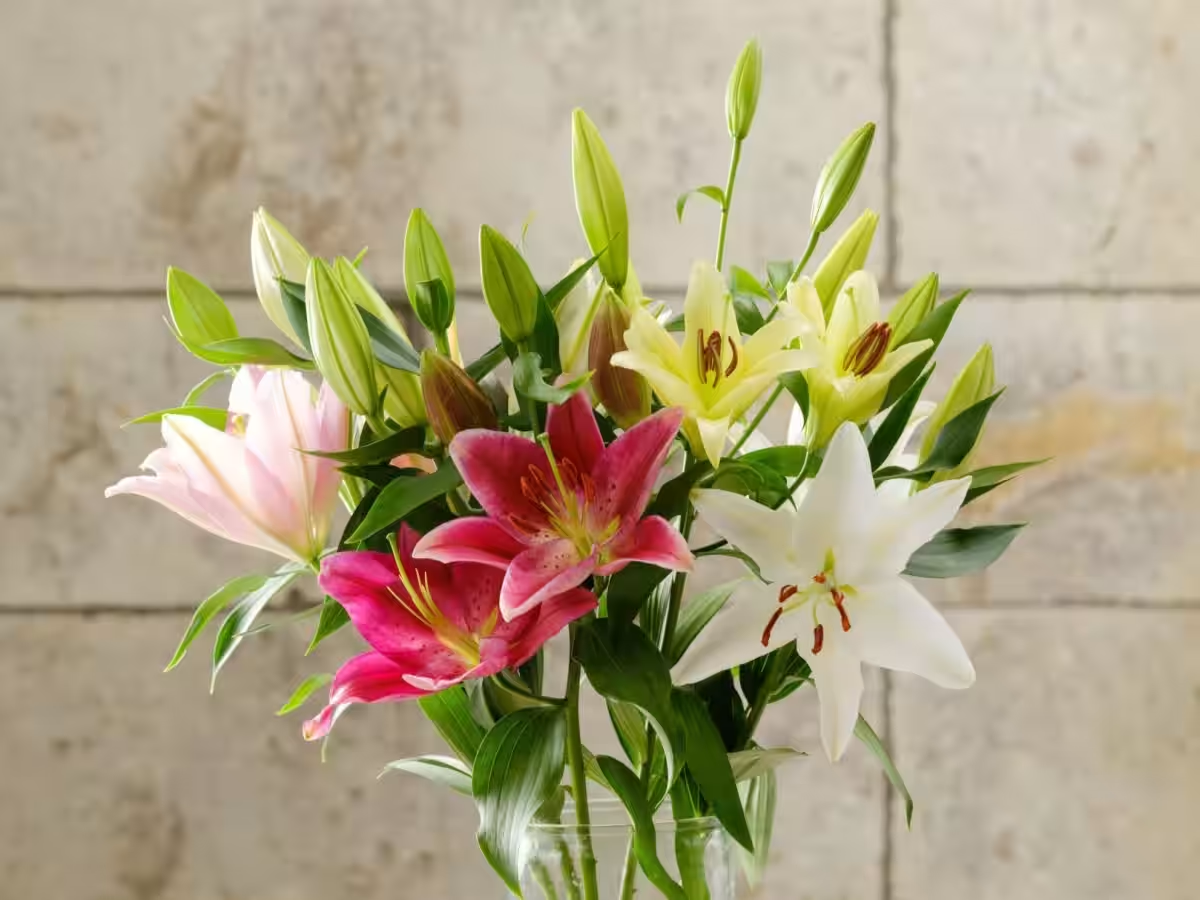
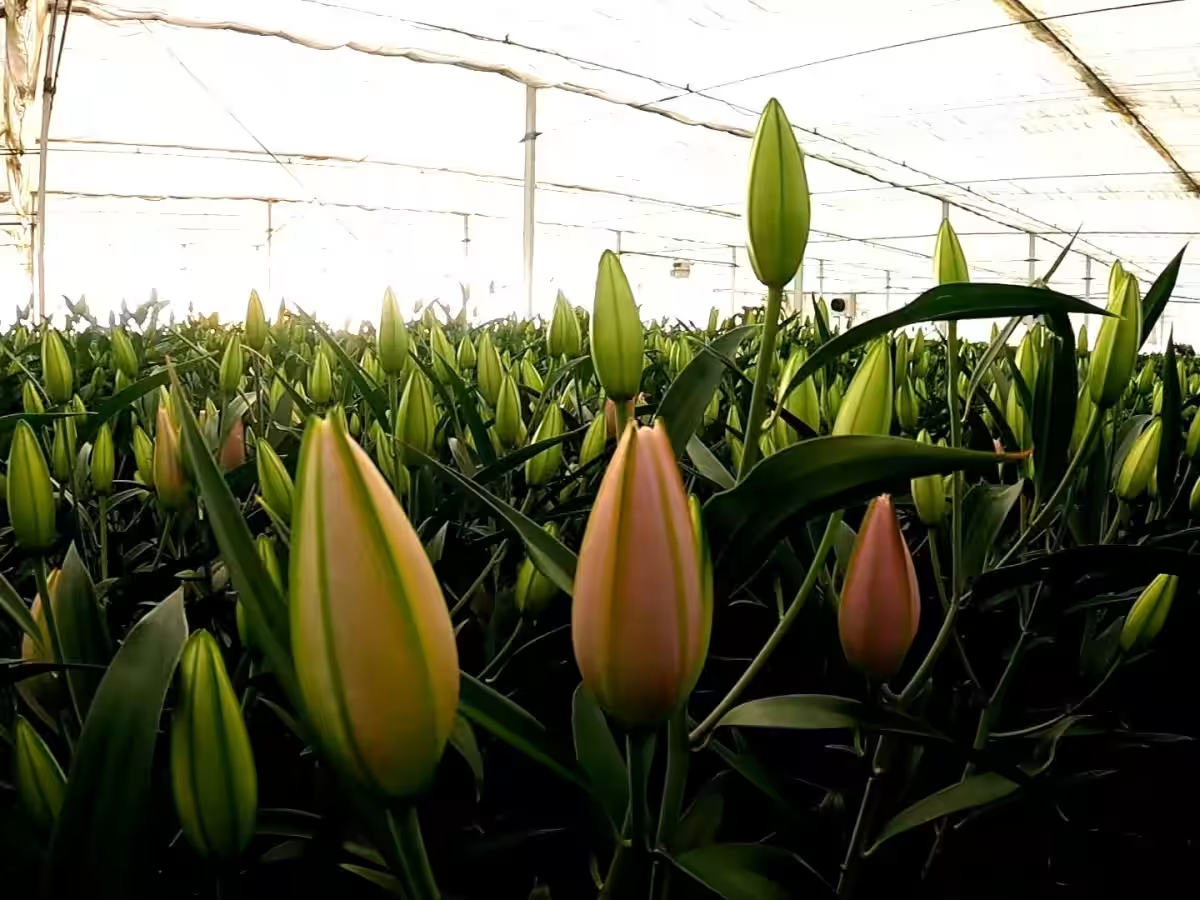
In an impressive collaboration between Hibiyakadan and TOWING, a sustainable revolution in flower production has taken shape. This groundbreaking initiative employs Sora-Tan, a high-performance biochar, to cultivate lilies in Tochigi Prefecture, marking a significant step toward environmentally friendly floriculture. Beginning March 2, 2026, these sustainably grown lilies will see their debut in select Hibiyakadan stores in the Kanto region, inviting consumers to engage with a new wave of flower purchasing that emphasizes ecological responsibility.
The Power of Sora-Tan
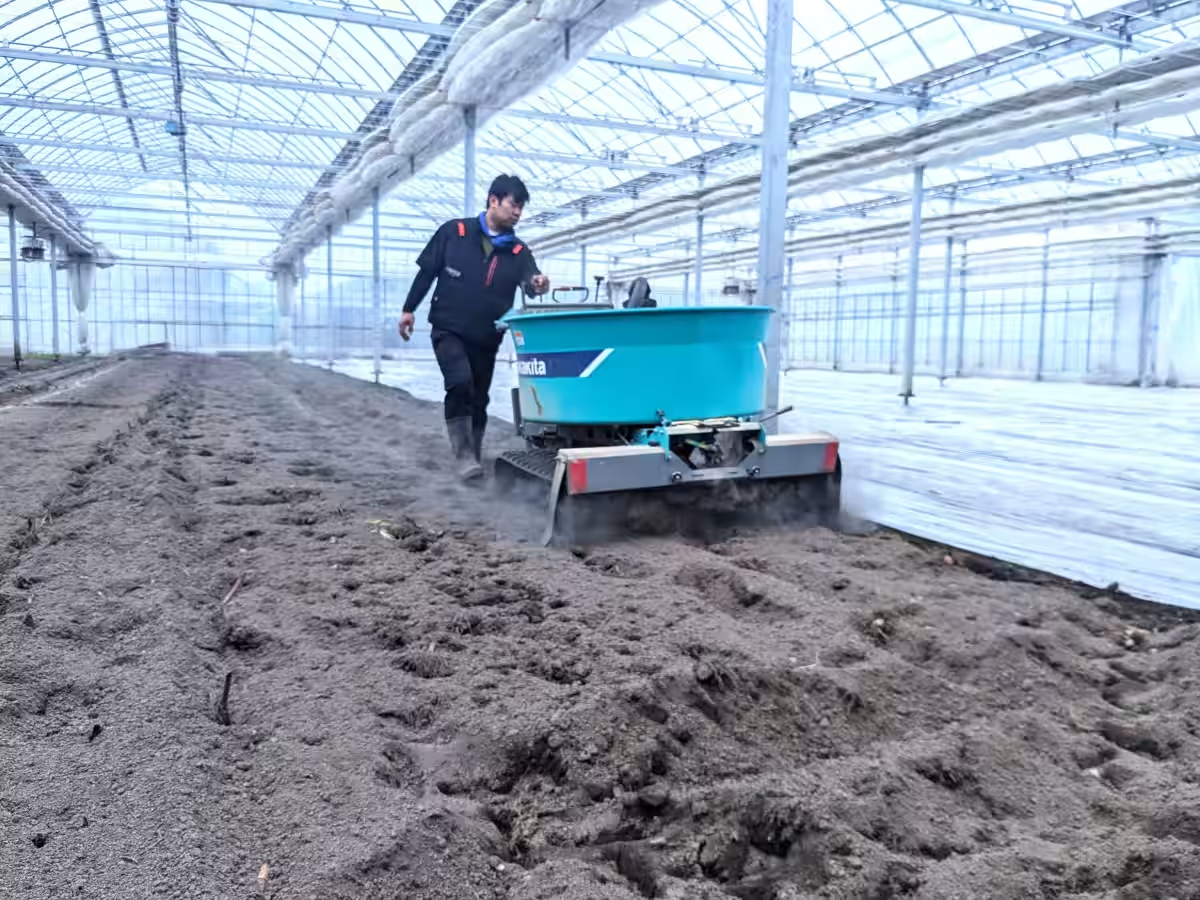
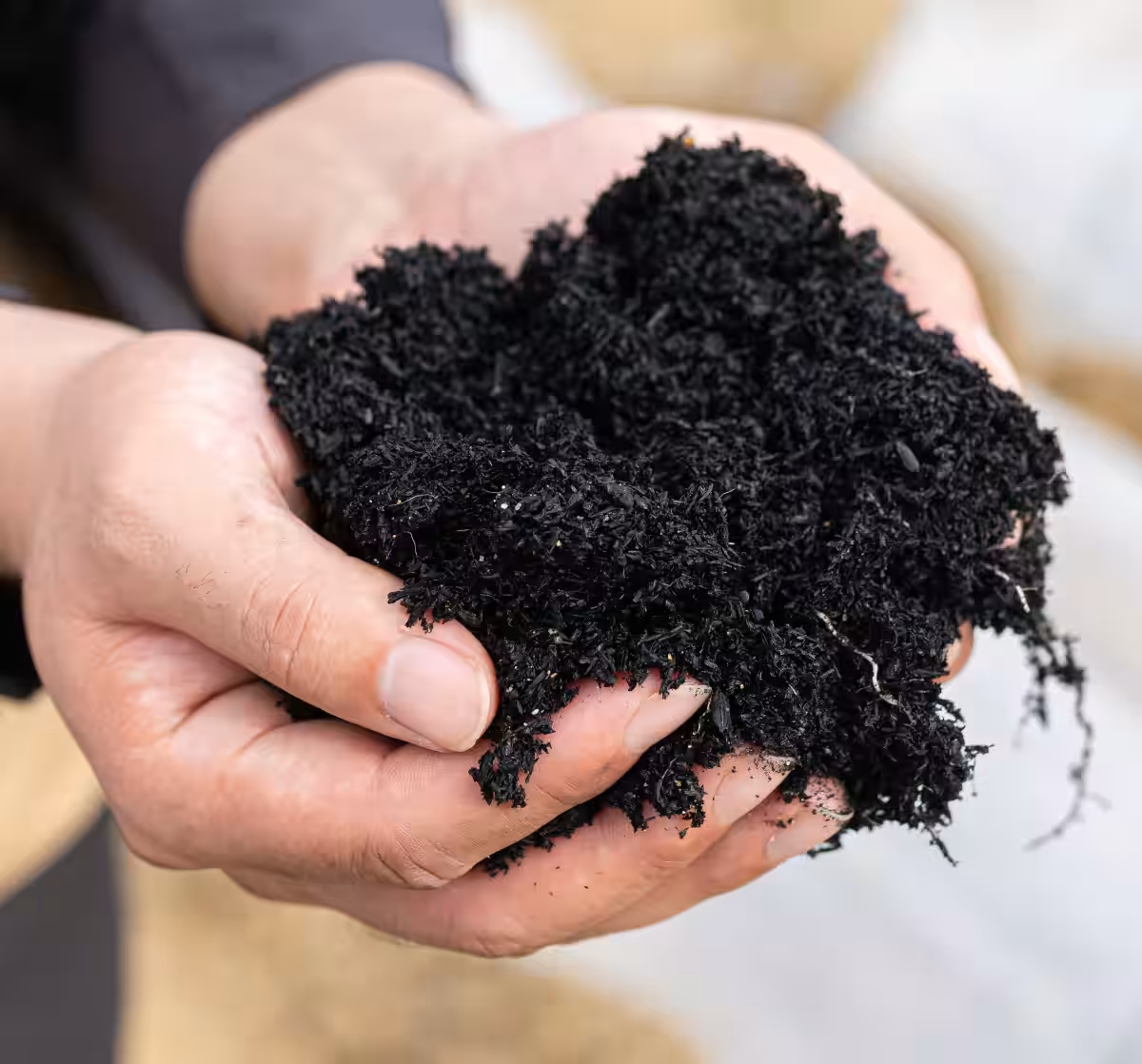
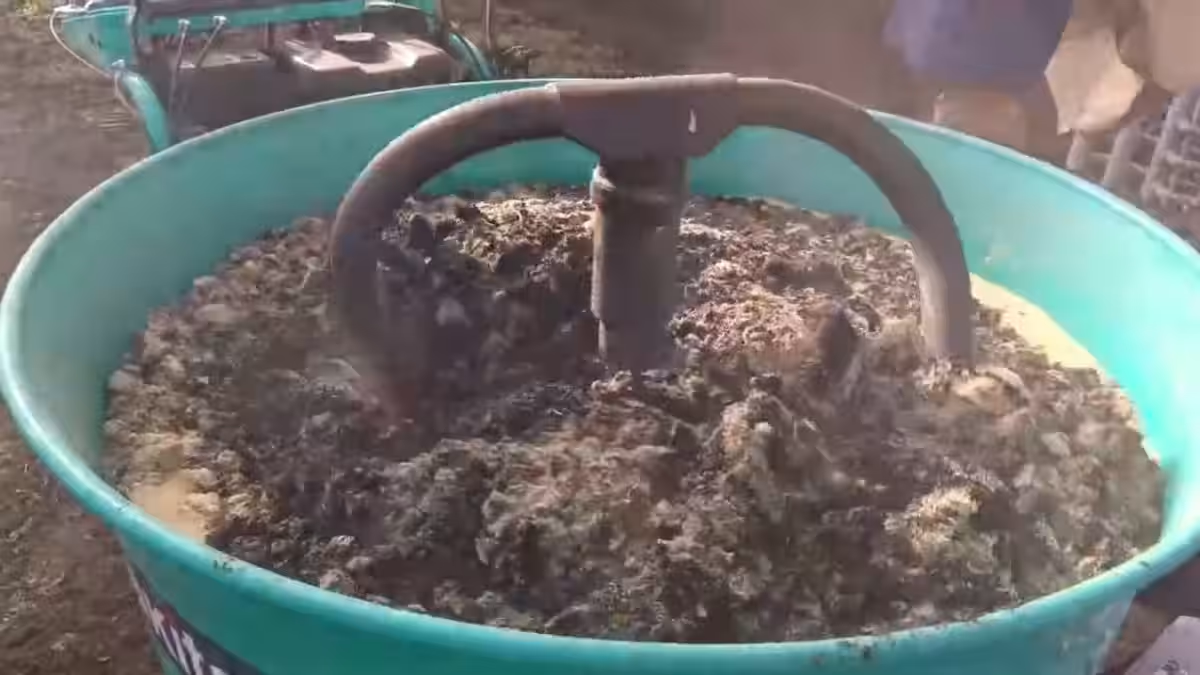
Sora-Tan, developed through TOWING’s innovative pre-treatment methods and microbial cultivation techniques, integrates advanced research from the National Agricultural and Food Research Organization. This unique biochar not only enhances soil health but also reduces reliance on chemical fertilizers, paving the way for organic transformation in agriculture. By improving the quality and yield of crops, Sora-Tan supports farmers' operational efficiency while contributing to CO2 reduction via carbon fixation in agricultural land.
Addressing Environmental Challenges in the Flower Industry
The flower industry faces significant energy consumption challenges, particularly during the production phase. The following are pressing issues that hinder the decarbonization process within flower cultivation:
- - Production Stage: Dependency on fossil fuels for heating in winter flower cultivation, especially for lilies and roses, is prevalent. Most heating apparatuses utilize heavy oil or kerosene, leading to substantial CO2 emissions during the production process. Transitioning to alternative energy sources and energy-saving technologies is imperative.
- - Soil and Material Stage: The production and usage of chemical fertilizers result in greenhouse gas emissions, while the disposal of soil and plastic materials during planting operations pose additional environmental burdens.
How Sora-Tan Provides Solutions
Sora-Tan offers tangible solutions to these environmental hurdles:
- - Mitigating CO2 Emissions during Production: By incorporating Sora-Tan into the soil, farmers can offset some of the CO2 emissions produced through necessary winter heating. This innovation integrates carbon retention into the cultivation process, ultimately reducing the overall carbon footprint of flower production.
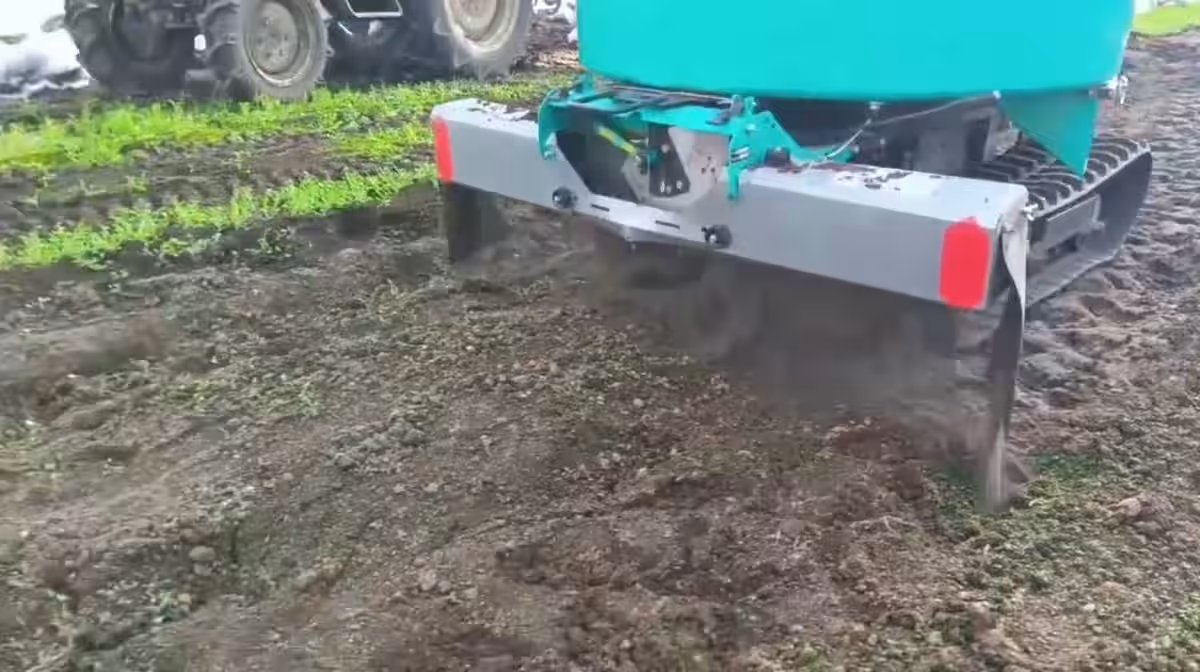
- - Soil Improvement and Reduction of Chemical Fertilizers: Sora-Tan’s application promotes the retention of carbon within the soil versus returning it to the atmosphere as CO2. This, combined with beneficial microbial activity, enhances soil health and boosts the growth of the cultivated lilies, leading to a decreased dependence on energy-intensive chemical fertilizers.
Collaboration with FF Hiraide
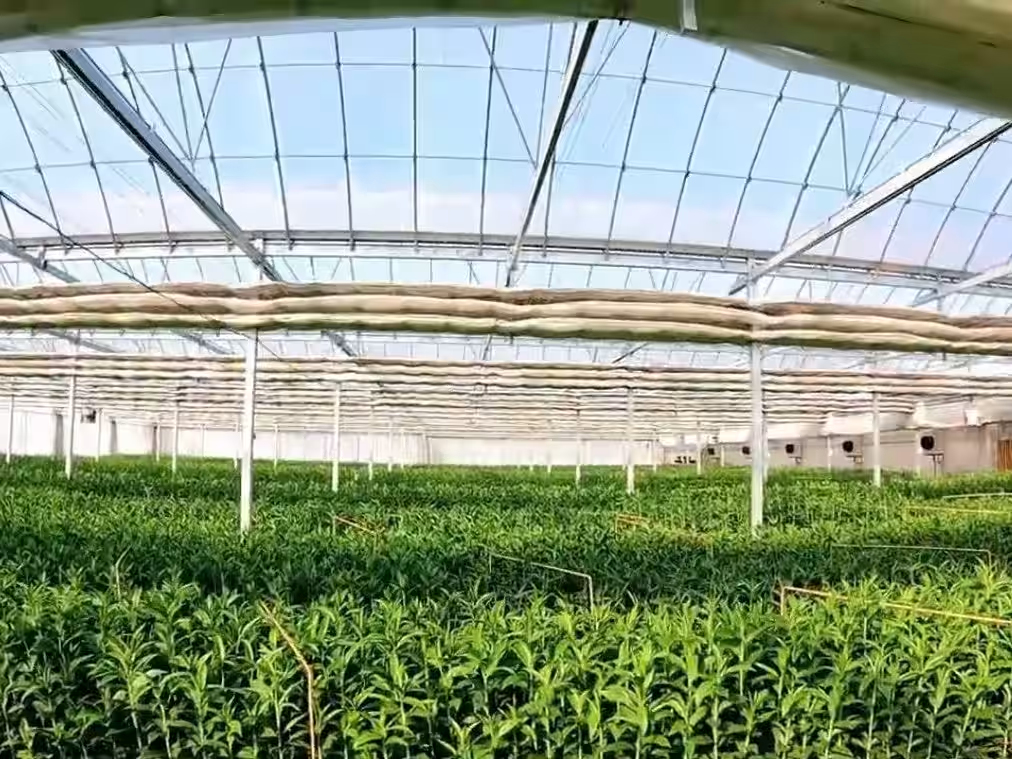
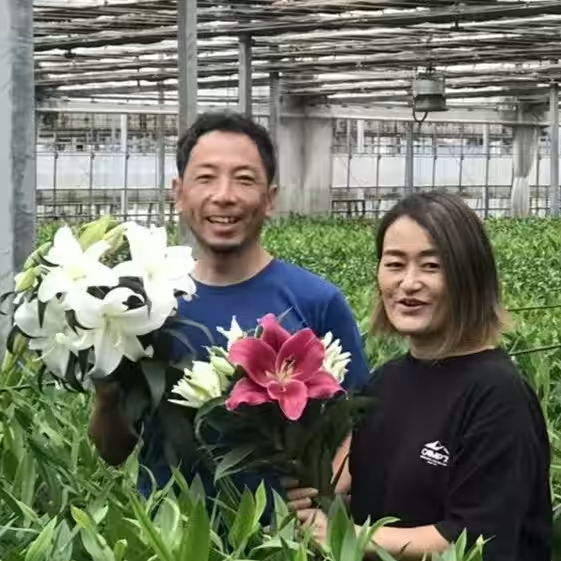
Since announcing their partnership in August 2025, Hibiyakadan and TOWING have been diligently working alongside FF Hiraide, a renowned lily producer in Tochigi Prefecture. Their collaboration has included test cultivation in real-world farming conditions, successfully examining both the quality and the reduction of environmental impact. The fusion of Sora-Tan’s capabilities with FF Hiraide’s superior cultivation techniques enables a stable supply of high-quality lilies imbued with environmental value.
FF Hiraide's Commitment to Sustainability
Led by Kenji Hirade, FF Hiraide has a longstanding commitment to sustainable flower production. Their focus on soil health through non-chemical sterilization methods and reduced fuel consumption has earned them top environmental certifications, including an A ranking from the international flower industry environmental certification system, MPS-ABC. With the introduction of Sora-Tan, they aim to shorten soil preparation times, minimize chemical fertilizer usage, and enhance carbon fixation in the soil. Current results show a promising growth trend since Sora-Tan’s application in October and December 2025.
CO2 Reduction Impact
Utilizing approximately 2,080 liters of Sora-Tan and biochar, this innovative approach is projected to reduce CO2 emissions by around 208 kg for a cultivation scale of approximately 18,000 lilies. This equates to about 11.6 grams of CO2 reduction per flower — roughly the amount emitted by charging a smartphone twice.
Fostering Consumer Engagement
This partnership aims to imbue the everyday act of gifting and displaying flowers with a novel ecological value. By purchasing these lilies from Hibiyakadan, consumers will directly support carbon retention at the production level, contributing positively to environmental conservation.
Hibiyakadan and TOWING envision expanding this sustainable cultivation model beyond lilies to various key crops, thus providing year-round access to environmentally considerate products. They are also committed to sharing knowledge and supporting other producers in implementing Sora-Tan, fostering an industry-wide shift towards environmentally sustainable practices. The release of these sustainably produced lilies signifies just the beginning, as their ongoing efforts will facilitate a vibrant, flower-centric lifestyle that harmonizes beauty with ecological stewardship.


Topics Consumer Technology)

【About Using Articles】
You can freely use the title and article content by linking to the page where the article is posted.
※ Images cannot be used.
【About Links】
Links are free to use.