



Innovative Project for Recycling Abandoned Fishing Nets in Izu's Marine Environment
Izu's Project for Recycling Fishing Nets
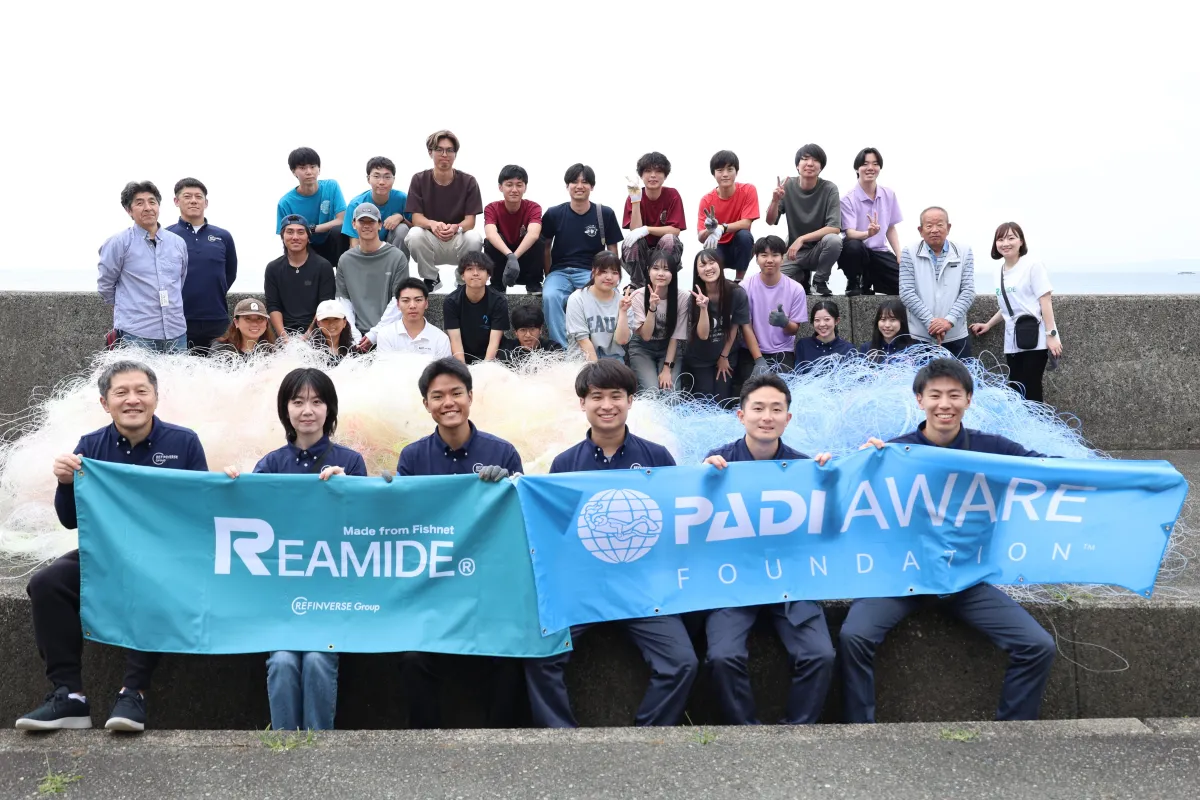
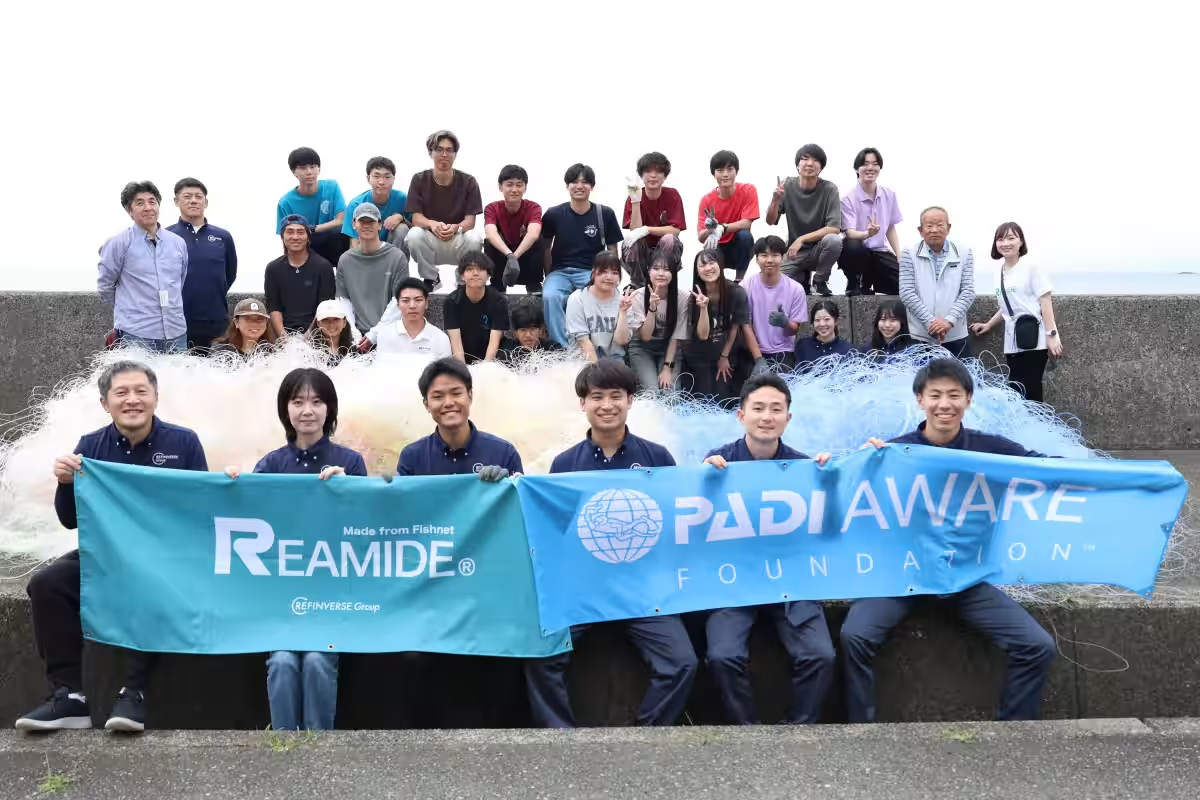
In a significant initiative addressing the rising issue of marine plastic pollution, the Refineverse Group held a project focused on the recovery and recycling of abandoned fishing nets in Izu, Japan. This event took place on June 7, during the period of 'Marine Waste Zero Week' from May 30 to June 8, 2025. Collaborating with PADI Japan, the event was hosted at the Ito Marine Sports Center in Higashiizu, gathering the participation of 34 students and professionals eager to contribute to ocean conservation.
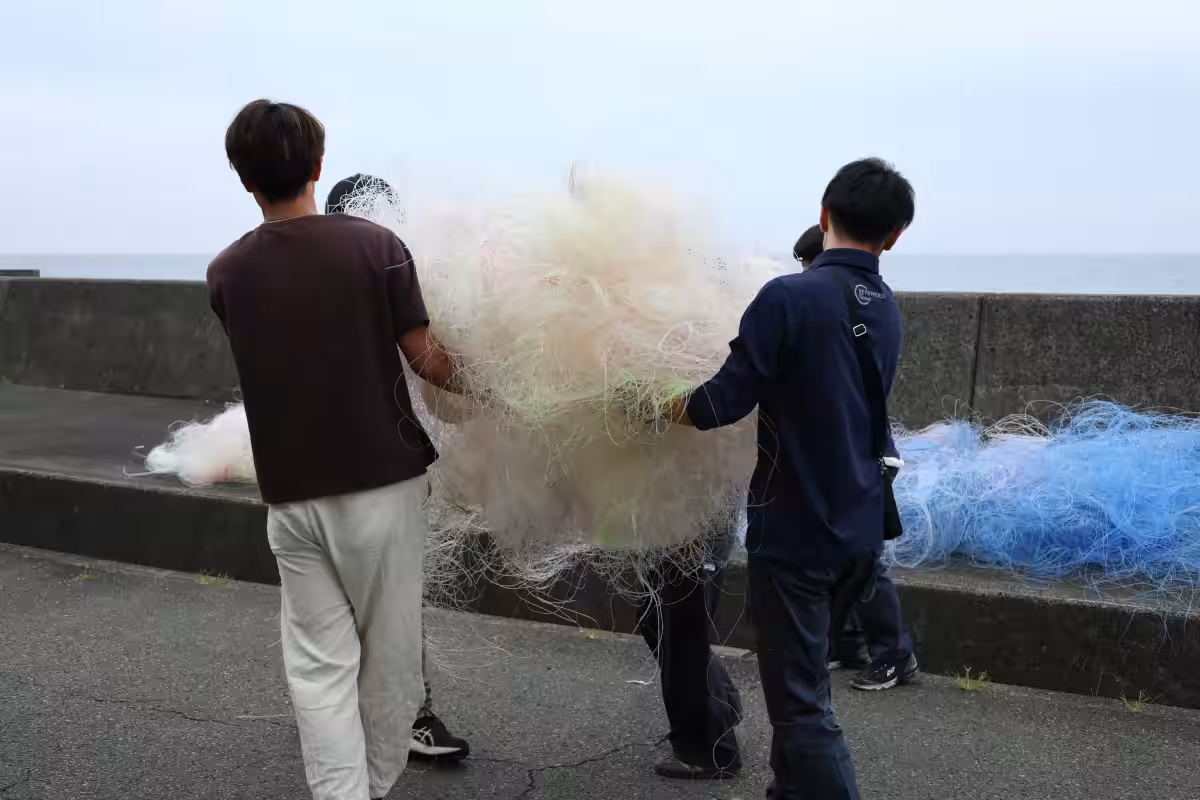
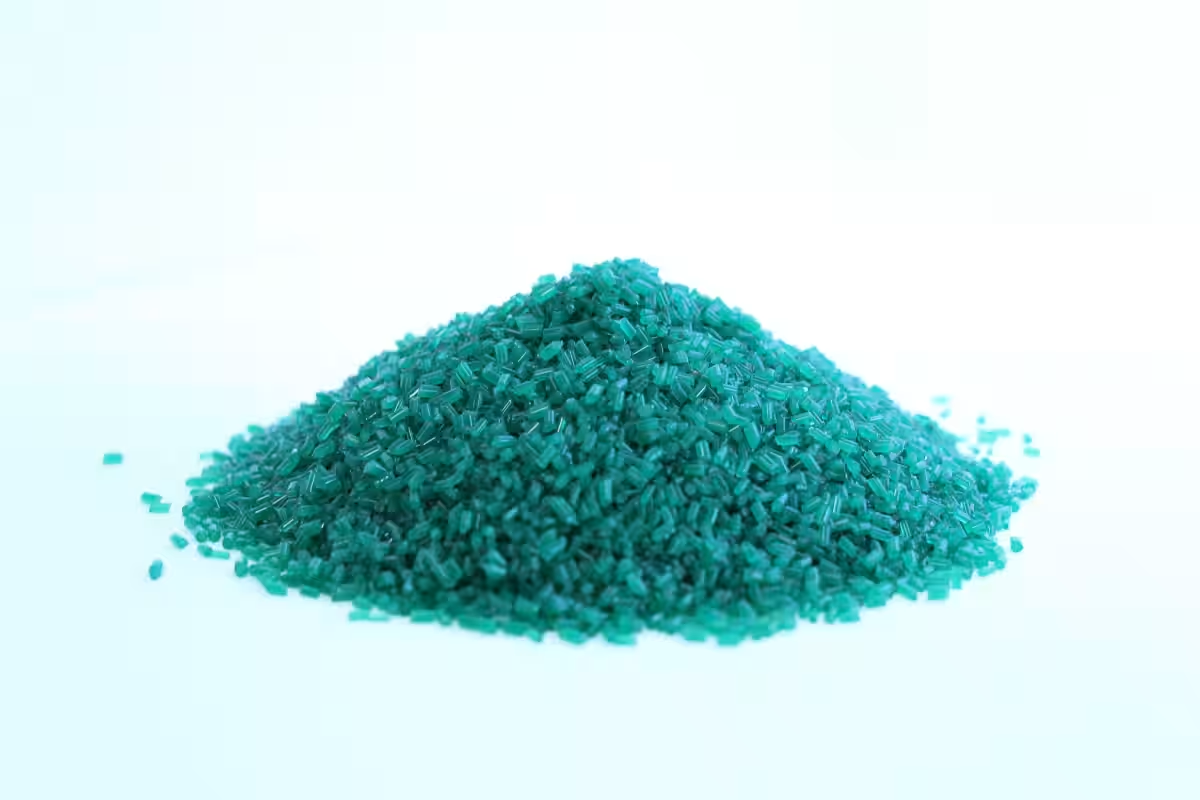
The project specifically aimed at sorting fishing nets used in Kinmedai fishing. The recovered nets are set to be upcycled into high-quality recycled nylon pellets known as 'REAMIDEⓇ', which are used in various applications, including apparel and office furniture, thereby closing the loop on waste.
Background of the Project
Marine pollution has emerged as a pressing global issue, with the accumulation of plastic waste threatening marine ecosystems. Among the more insidious elements of this problem are 'ghost gears'—abandoned fishing nets and lines that continue to harm marine life. Aware of this dire situation, PADI Japan and Refineverse Group have joined forces to combat ghost gear issues through their annual initiatives centered around Izu's coastal areas, promoting coexistence between marine conservation and local fisheries.
The intricate process of recycling fishing nets involves meticulously removing metal components such as hooks, which is no easy task. Since around 2023, PADI Japan and Refineverse Group initiated experiential volunteering projects with students and corporate groups to broaden awareness about ocean debris and ghost gear issues. This initiative not only educates participants about the recycling process but also underscores the importance of resource circulation.
Project Report
In its fourth iteration, the project welcomed participation from Yoshihisa Suzuki, the Deputy Mayor of Higashiizu, who contributed insights about the traditional Kinmedai fishing methods practiced in the region.
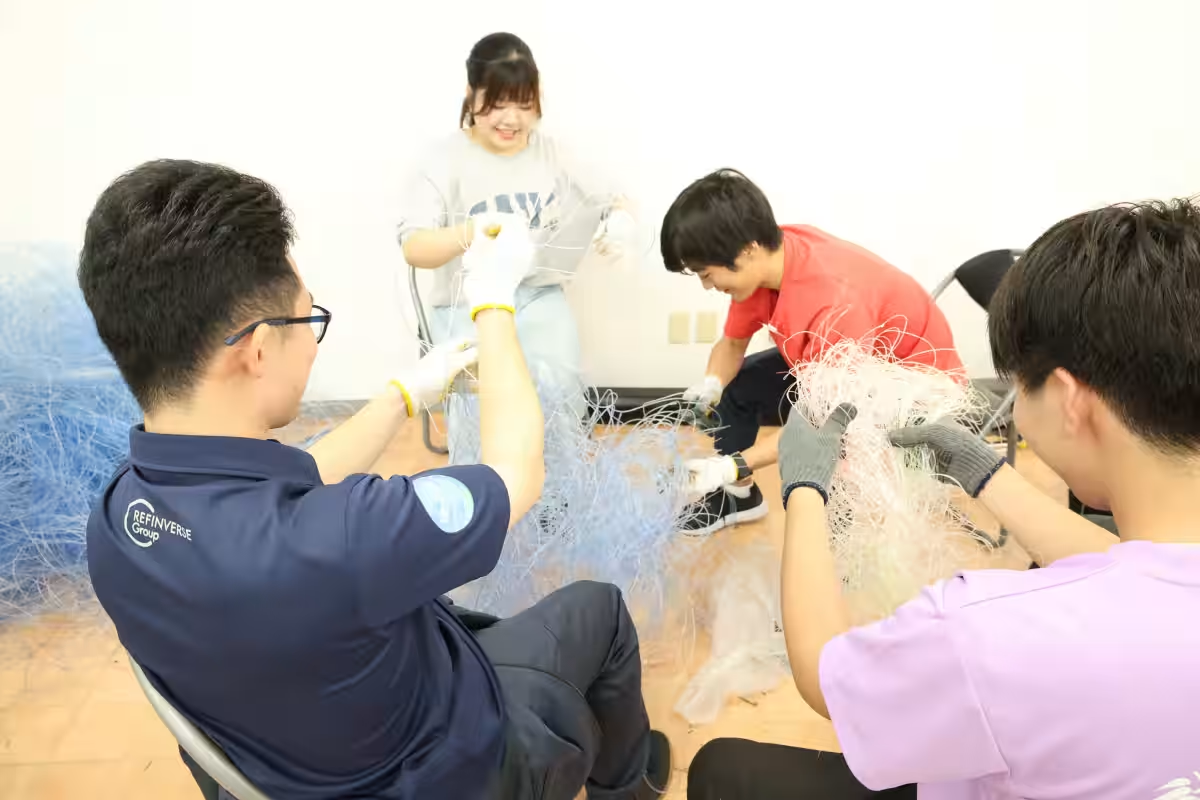
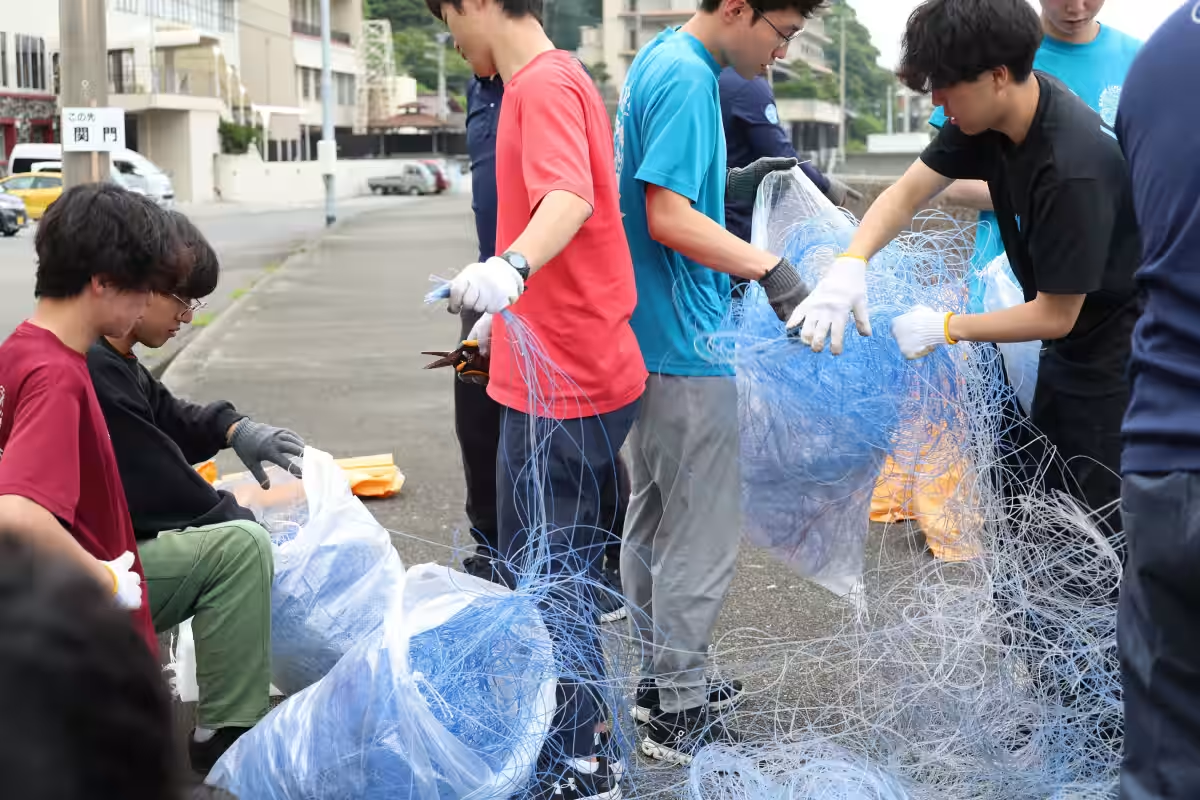
The atmosphere was lively as students from Doshisha University and the University of Tokyo's Marine Exploration Club came together for the sorting activities. In addition to focusing on the Kinmedai fishing nets, participants also sorted nets used in tuna fishing.
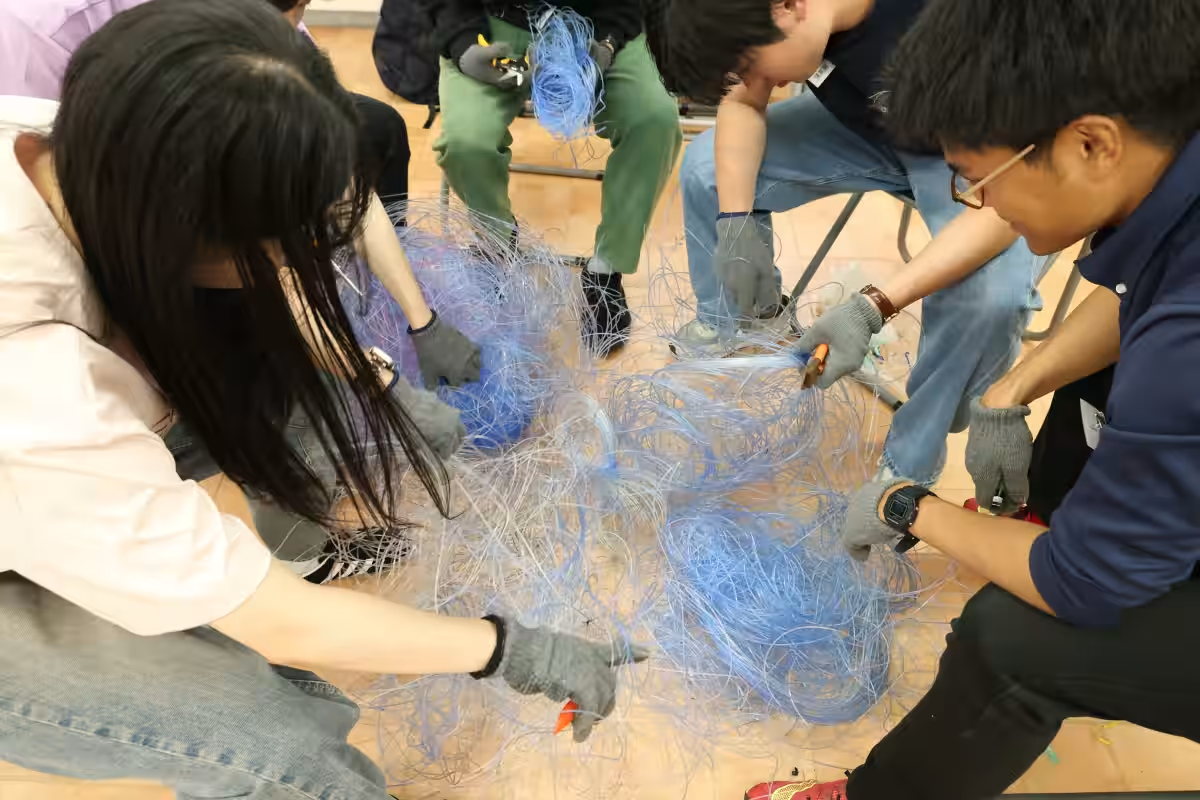
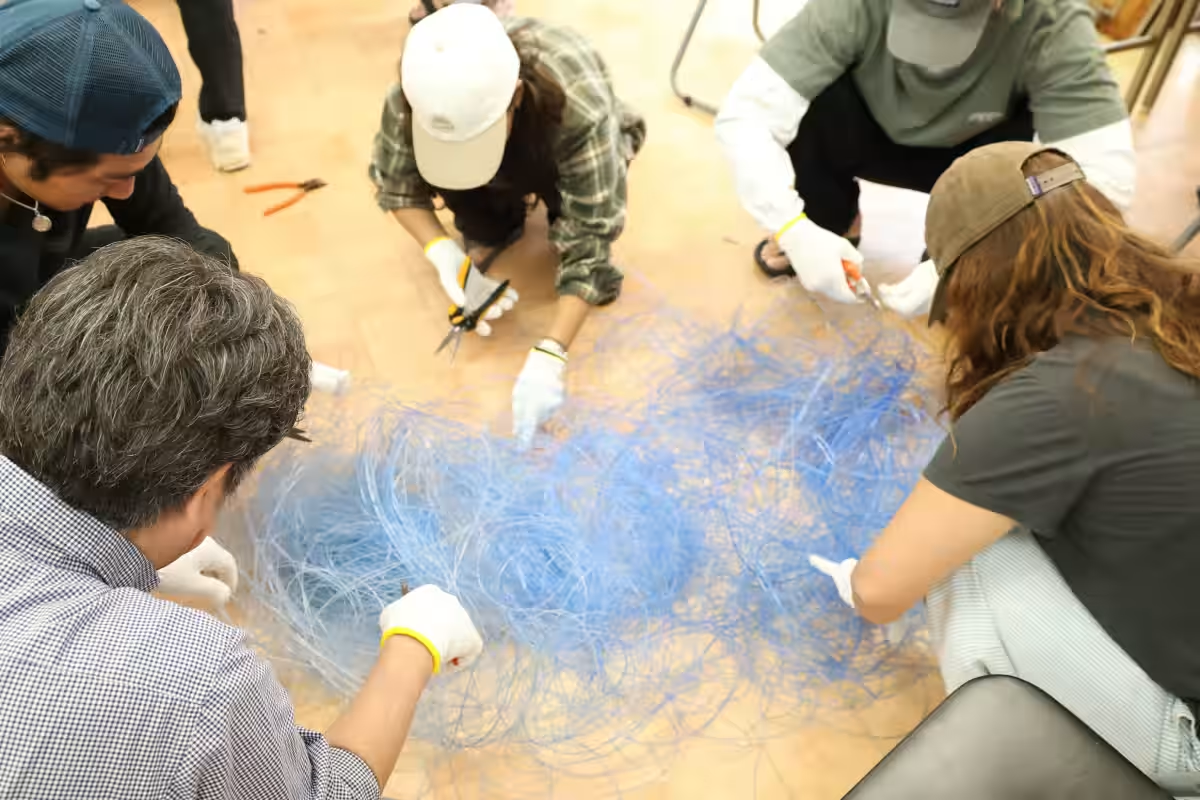
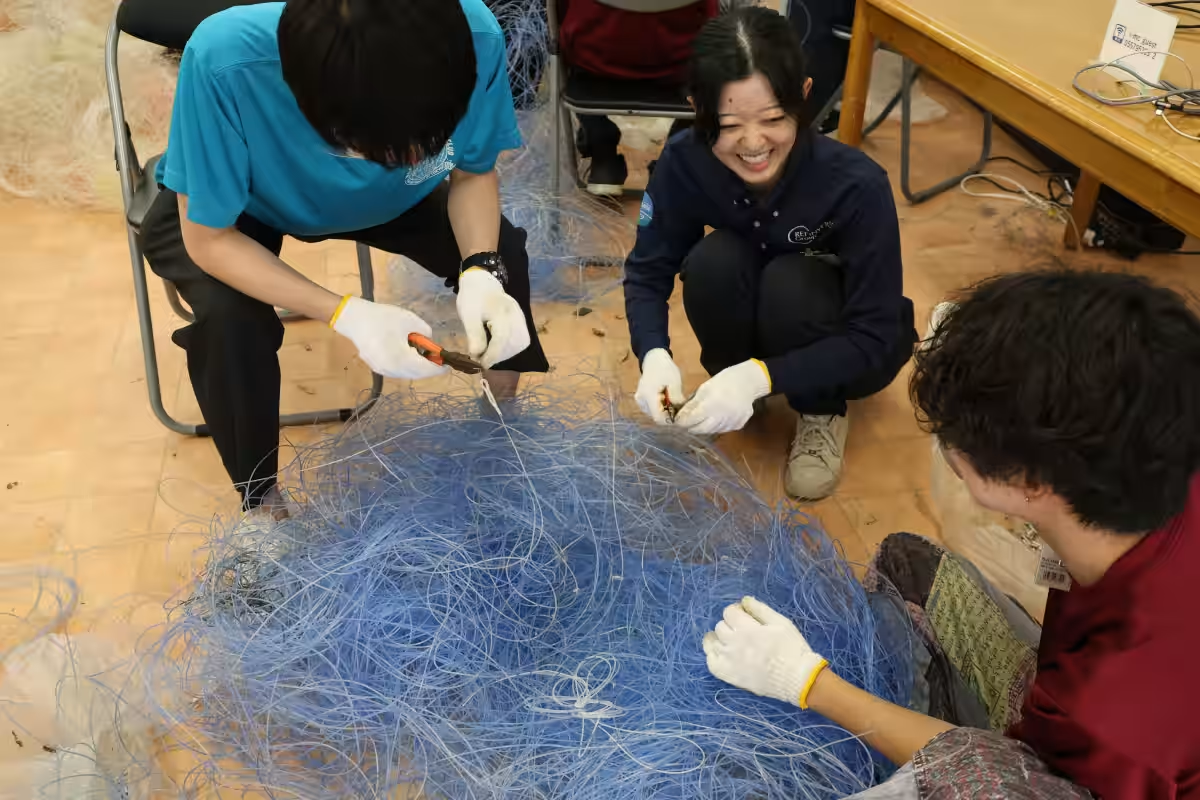
For approximately two hours, volunteers engaged in the careful removal of metal pieces and hooks with scissors. For many participants, this marked their first experience handling fishing nets. Initially struggling to distinguish between nets used for Kinmedai and tuna, by the end of the session, they could confidently identify the types, enthusiastically proclaiming, “This one is for tuna fishing!” The teamwork was palpable, with participants fully engaged in the task while enjoying light conversation.
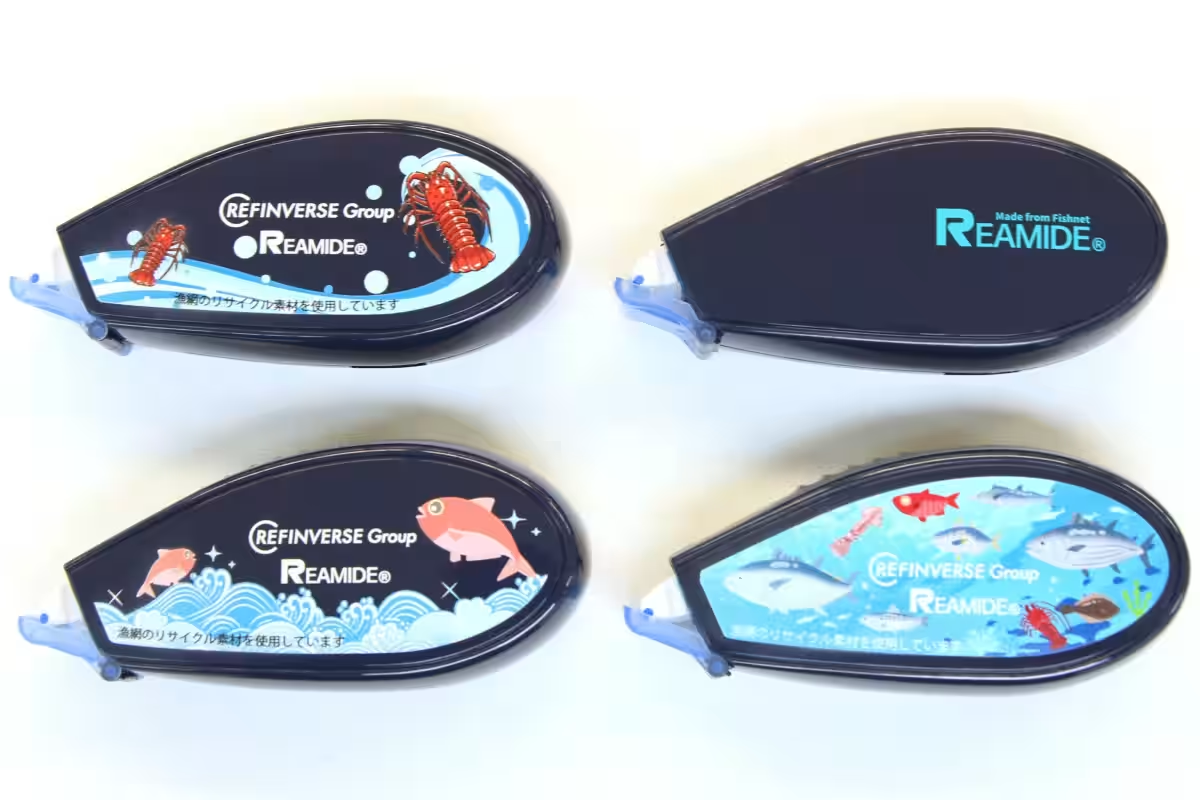
Upon concluding the sorting activities, participants were rewarded with promotional items made from REAMIDEⓇ, the high-quality nylon pellets derived from the recycled fishing nets.
About REAMIDEⓇ
The journey of the used fishing nets culminates in their transformation into high-quality nylon pellets, REAMIDEⓇ, after the meticulous removal of foreign materials.
The nets collected during this project will ultimately be recycled and contribute to the creation of various consumer products, perpetuating a cycle of sustainability in resource utilization.
As organizations work collaboratively towards a cleaner ocean through projects like this, their efforts highlight the profound impact that community involvement and innovative recycling can have on marine ecosystems and local economies. The future of our oceans depends on the collective action and dedication toward environmental preservation showcased at this engaging and educational event.
Topics Environment)
【About Using Articles】
You can freely use the title and article content by linking to the page where the article is posted.
※ Images cannot be used.
【About Links】
Links are free to use.