



Understanding the Growing Threat of SNS Phishing Scams Targeting Businesses
Unraveling the Realities of SNS Phishing Scams
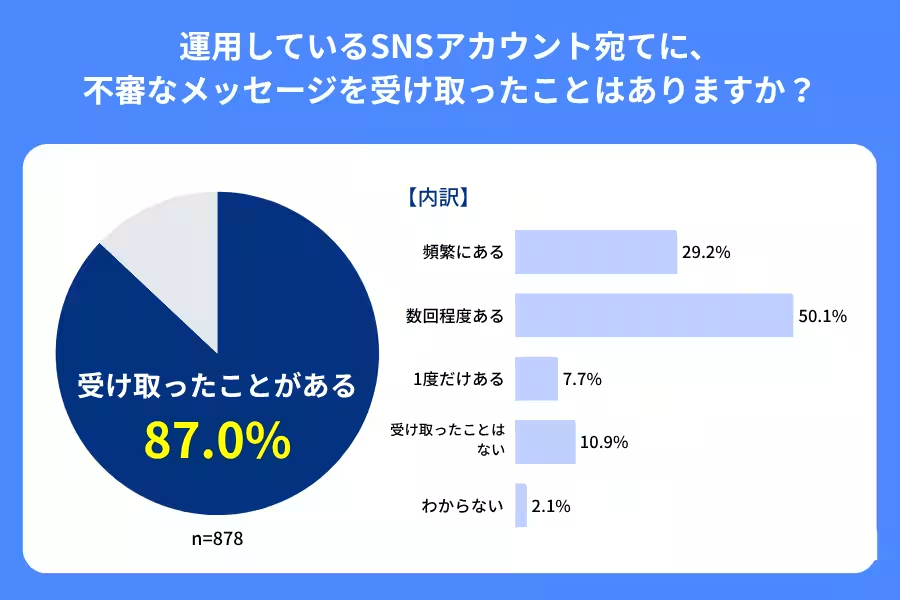
In a recent investigation conducted by Dashboard Inc. (headquartered in Shibuya, Tokyo) aimed at social media managers within companies, alarming data emerged regarding the growing phenomenon of SNS (social media) phishing scams. Approximately 87% of respondents reported having received suspicious messages to their corporate accounts, particularly on platforms such as X (formerly Twitter), Facebook, and Instagram. This pervasive issue poses significant risks, not only to the integrity of corporate accounts but also to overall business operations and customer trust.
A Closer Look at the Survey Findings
The survey revealed that the tactics employed by scammers are becoming increasingly sophisticated, as they exploit corporate accounts and impersonate legitimate outreach efforts. Notably, many victims received messages masquerading as verification prompts, login requests, or even false collaboration inquiries. The data paints a clear picture of a threat that organizations can no longer afford to overlook, underscoring the need for effective, proactive measures.
Key Survey Results:
- - 87% of social media managers reported receiving suspicious messages.
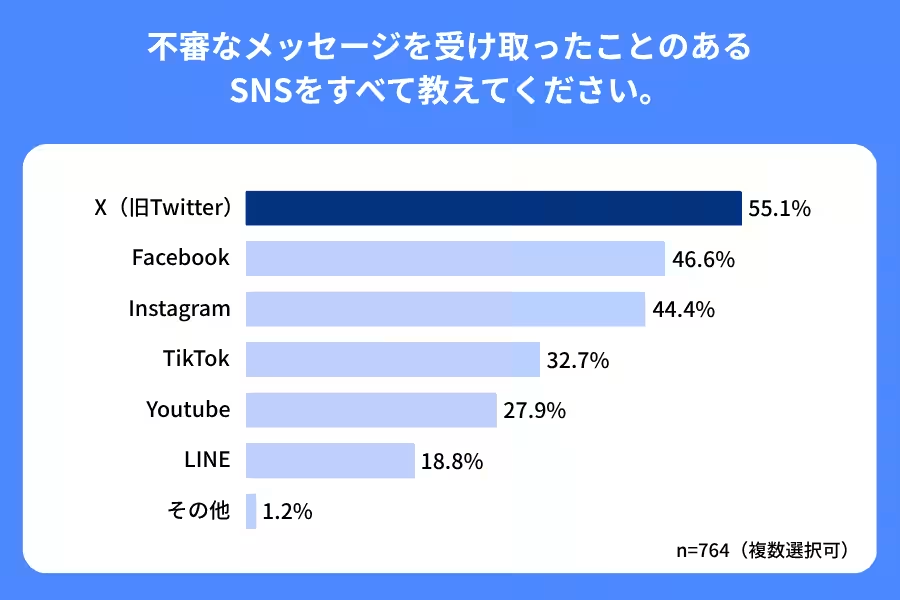
- - 55.1% reported receiving such messages via X, followed by 46.6% on Facebook and 44.4% on Instagram.
- - The most common phishing tactics included:
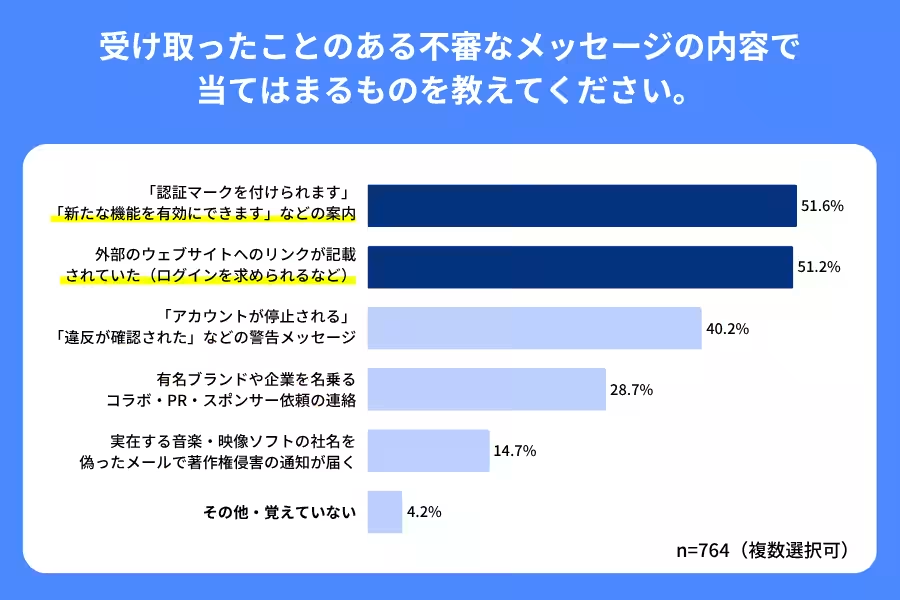
- Links that encouraged users to log in (51.2%)
- Warnings disguised as account suspension alerts (40.2%)
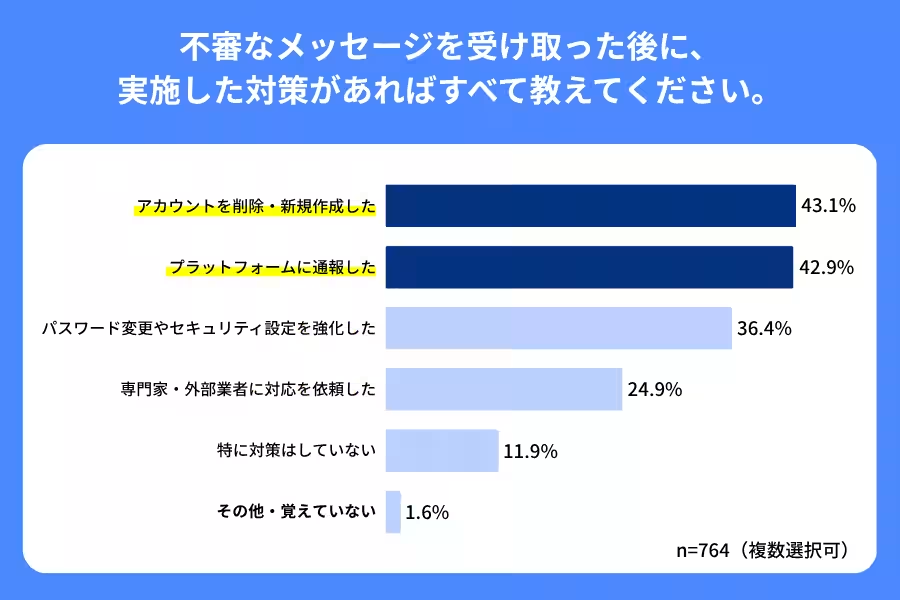
- - Response measures included deleting accounts or recreating them (43.1%), reporting to the platform (42.9%), and changing passwords (36.4%).
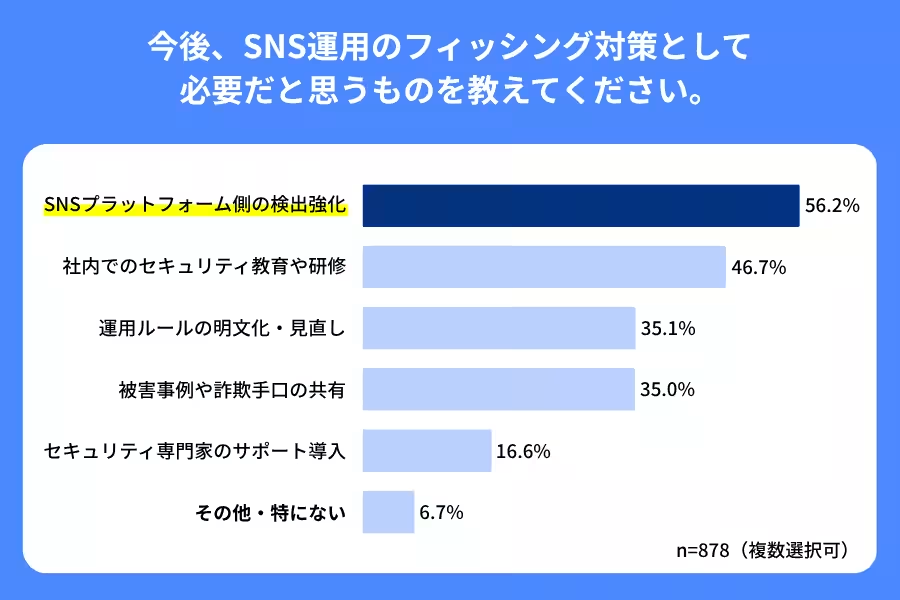
- - Respondents indicated a strong demand for measures such as enhanced detection from platforms (56.2%) and increased internal security training (46.7%).
The Growing Threat Component
Over 80% of social media managers indicated they had encountered suspicious messages, with 29.2% reporting frequent experiences. This prevalence escalates the risk of improper responses or even data breaches. Consequently, companies must establish clear initial response protocols and conduct regular training to mitigate such risks effectively.
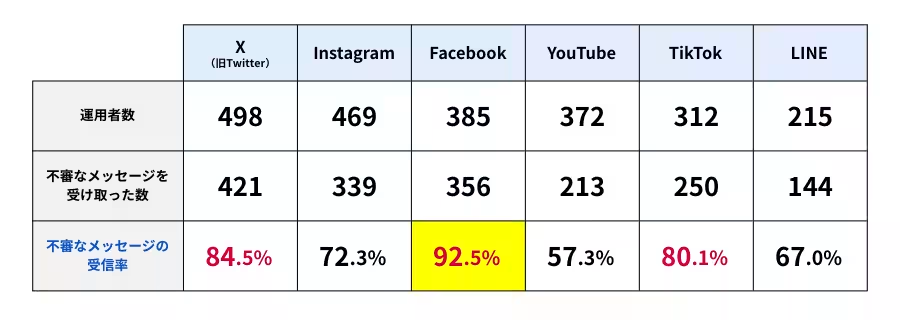
The majority of encounters originate from X, with significant interactions reported across Facebook and Instagram as well. However, analyzing the data against user bases indicates that Facebook has an even higher acquisition rate, with 92.5% of managers encountering suspicious communications on the platform.
Evolving Phishing Techniques
The survey shed light on the common tactics used in these scams, predominantly involving deceptive messages that appear legitimate. Examples include messages falsely claiming to grant verification, prompting users to follow links, or warning them of account suspensions. Such tactics rely on visual cues designed to engender trust. Therefore, organizations must emphasize link verification checks, enforce two-factor authentication, and share suspicious messaging internally to enhance collective vigilance.
Addressing the Impact on Operations
Responding to these phishing attempts frequently strains resources. Actions taken by social media managers include account deletion, reporting incidents to platforms, and changing passwords, each of which diverts attention from essential duties. Hence, organizations are encouraged to develop business continuity plans (BCPs) designed to manage these situations, ensuring adequate resources for swift customer communication and alternative account operations that do not jeopardize safety.
A Call for Stronger Security Protocols
Looking ahead, the consensus among survey participants emphasizes the almost urgent necessity for stronger detection capabilities from platforms and an increase in internal security education. The call for necessary actions is clear, demanding advancements in both technological (automated detection) and human-centric strategies (training and procedural clarifications).
Conclusion
The recent findings highlight an alarming issue: as phishing techniques grow more intricate, the burden on operational teams intensifies. Major social media enterprises are currently implementing reporting functionalities and automated detection systems, along with enhanced verification for advertisers. However, the rapidly evolving nature of scams, leveraging fabricated URLs and AI-generated content, complicates preventative measures, making it crucial for users, particularly businesses and operational managers, to maintain a proactive approach.
To address this challenge, compliance with best practices such as regular password changes, the adoption of two-factor authentication, enhanced internal education, and streamlined response protocols is essential to effectively defend against these threats.
Ongoing Security Solutions
In response to these pressing issues, Dashboard Inc. is set to partner with Cyberzeal, headquartered in Minato, Tokyo, to offer Viettel SOC Edge, a cutting-edge security solution starting September 2025. This service combines continuous software monitoring with expert intervention, providing a seamless solution from detection to containment and recovery, available 24/7.
For companies interested in advancing their cybersecurity measures, we invite inquiries for comprehensive solutions tailored to your needs.
Company Overview
Dashboard Inc. is a distinguished advertising agency with a robust Web marketing practice. Holding a rare Meta Business Partner Badge, we boast extensive experience across various platforms, including Facebook, Instagram, Google, TikTok, Yahoo!, and LINE. We offer a full-service approach to maximize marketing outcomes and support clients through all stages of engagement—from attracting customers to maintaining their loyalty.
For media inquiries, please contact us at: [email protected]


Topics Consumer Products & Retail)
【About Using Articles】
You can freely use the title and article content by linking to the page where the article is posted.
※ Images cannot be used.
【About Links】
Links are free to use.