



The Evolution of Drinking Parties in Japan: Generational Changes and Nutritional Insights
In recent years, drinking parties in Japan have undergone significant transformations, particularly among individuals in their 40s and 50s. A survey conducted by Natural Food Research Company has shed light on the evolving attitudes and practices surrounding these social gatherings. A majority of respondents noted that the frequency of drinking parties has declined, shifting from large, lengthy gatherings to more intimate and cost-effective festivities.
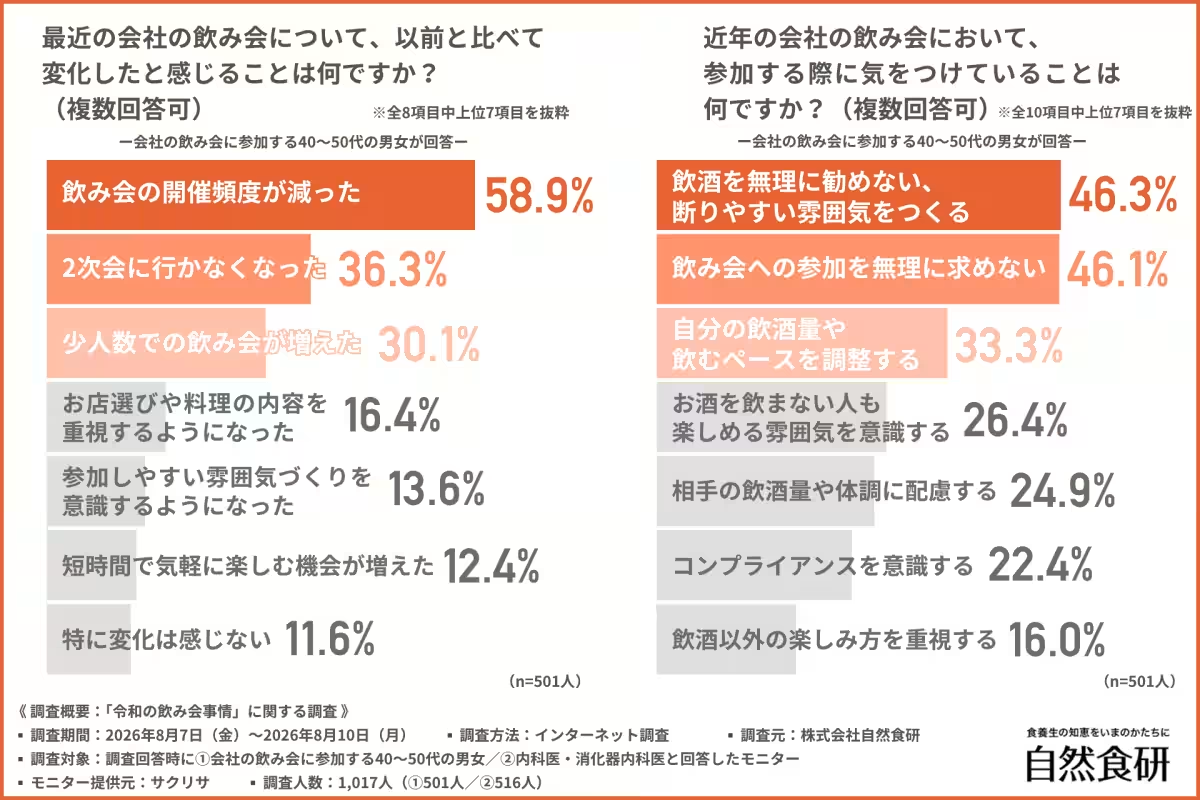
The survey revealed that approximately 60% of participants believe that the frequency of drinking parties has decreased. Many individuals are no longer inclined to join second parties, and there has been an increase in smaller gatherings. This trend suggests a significant change in the culture of workplace communication, making these events more enjoyable and less burdensome for attendees.
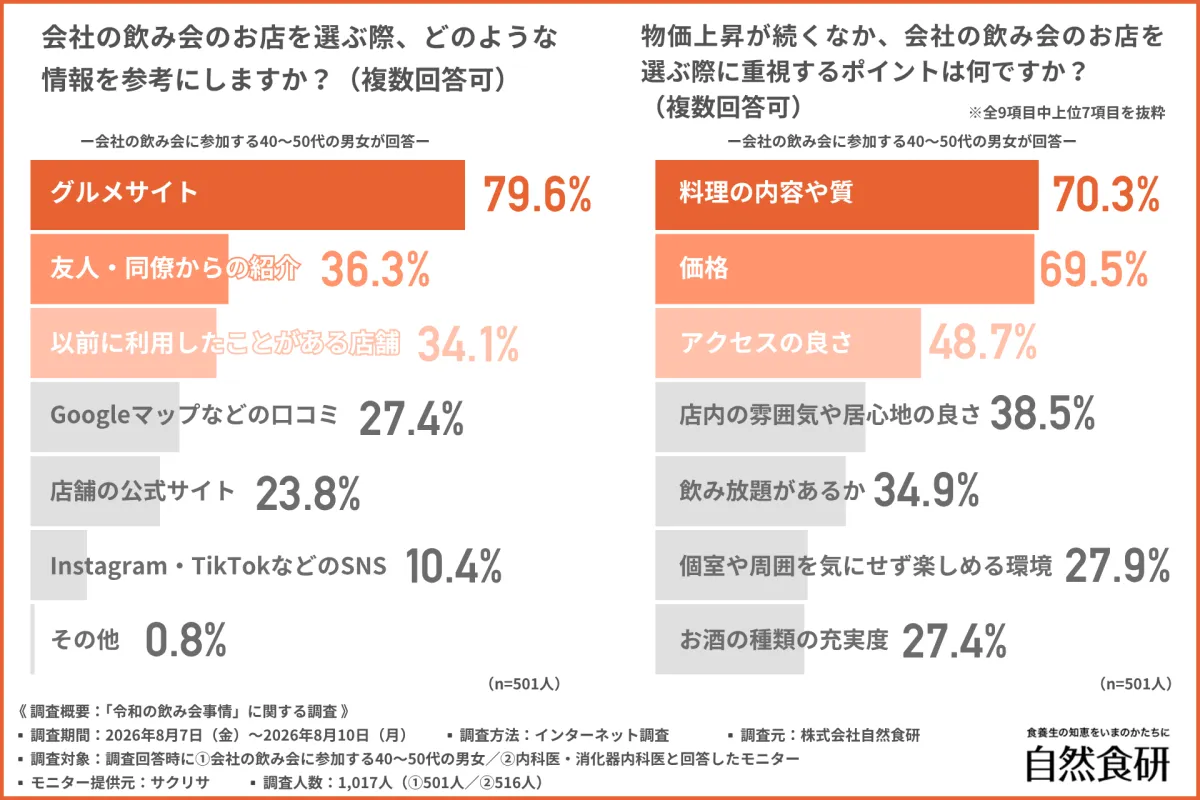
When selecting venues, about 80% of the respondents utilized gourmet websites for their restaurant choices. Quality and pricing are paramount, with 70.3% prioritizing food quality and 69.5% factoring in cost. This indicates that despite rising costs, individuals are keen on striking a balance between quality and affordability in their dining experiences.
Furthermore, people are increasingly cautious about creating a comfortable environment. For instance, 46.3% of respondents emphasized the importance of not pressuring others to drink and fostering a climate where attendees can comfortably refuse participation.
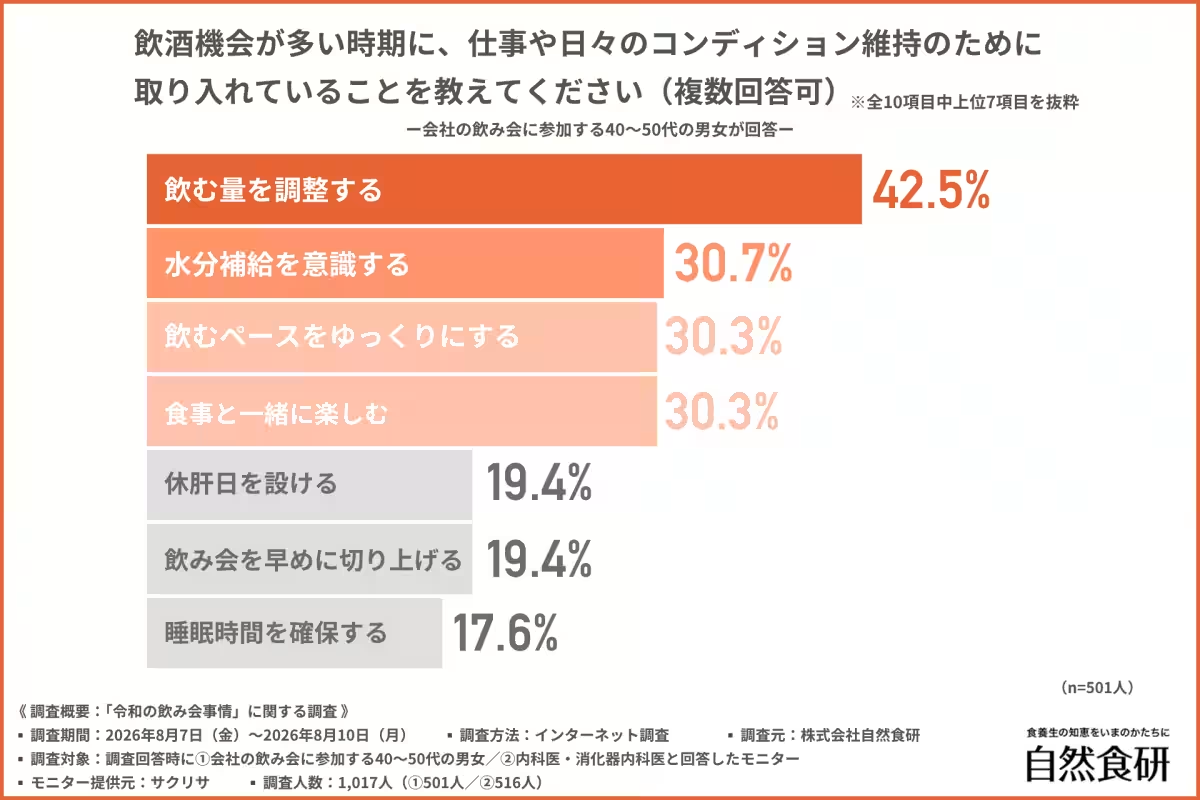
As individuals focus on their health more than ever, specific trends in drinking and nutrition have emerged. Most participants are proactively managing their drinking patterns by adjusting their intake levels, staying hydrated, and pacing their consumption.
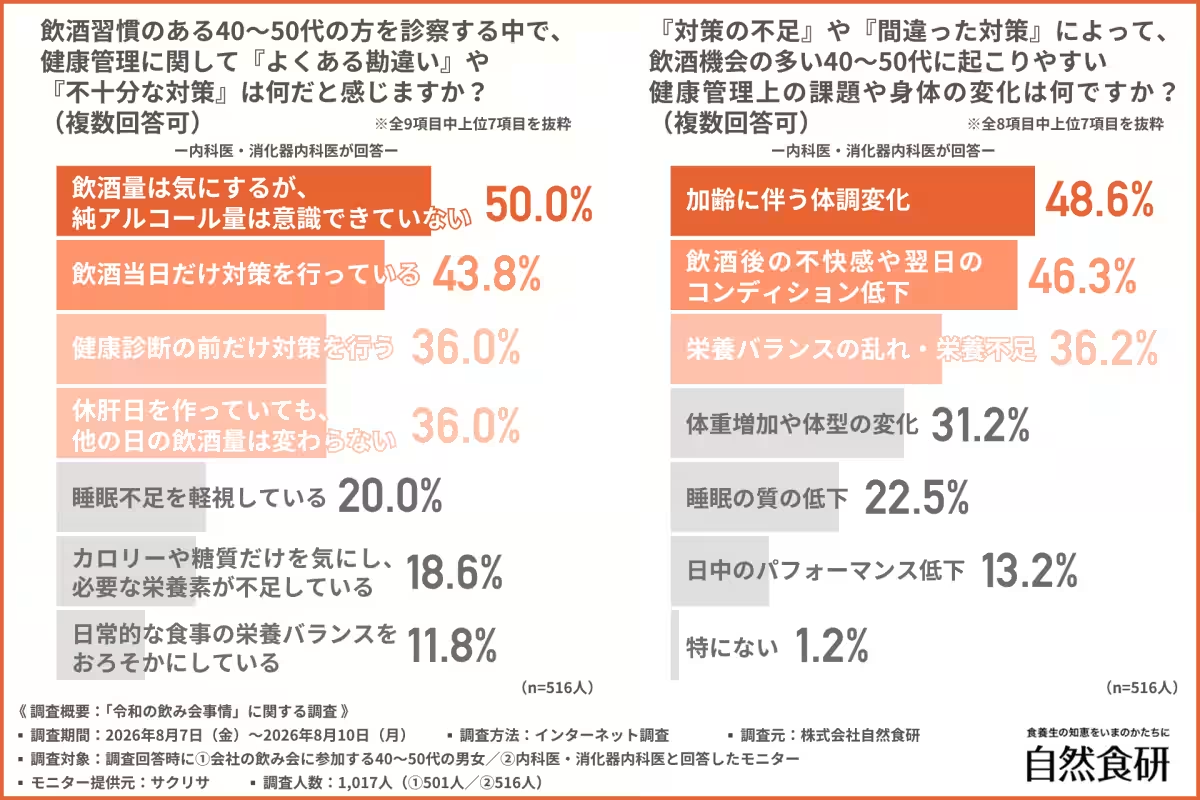
However, the survey results also highlighted prevalent misconceptions about health management, particularly the focus on alcohol consumption without considering pure alcohol content. Around 50% of physicians surveyed noted that while individuals may monitor their drinking habits, they often neglect to consider the overall alcohol concentration they are consuming. This oversight can lead to various health concerns as people age.
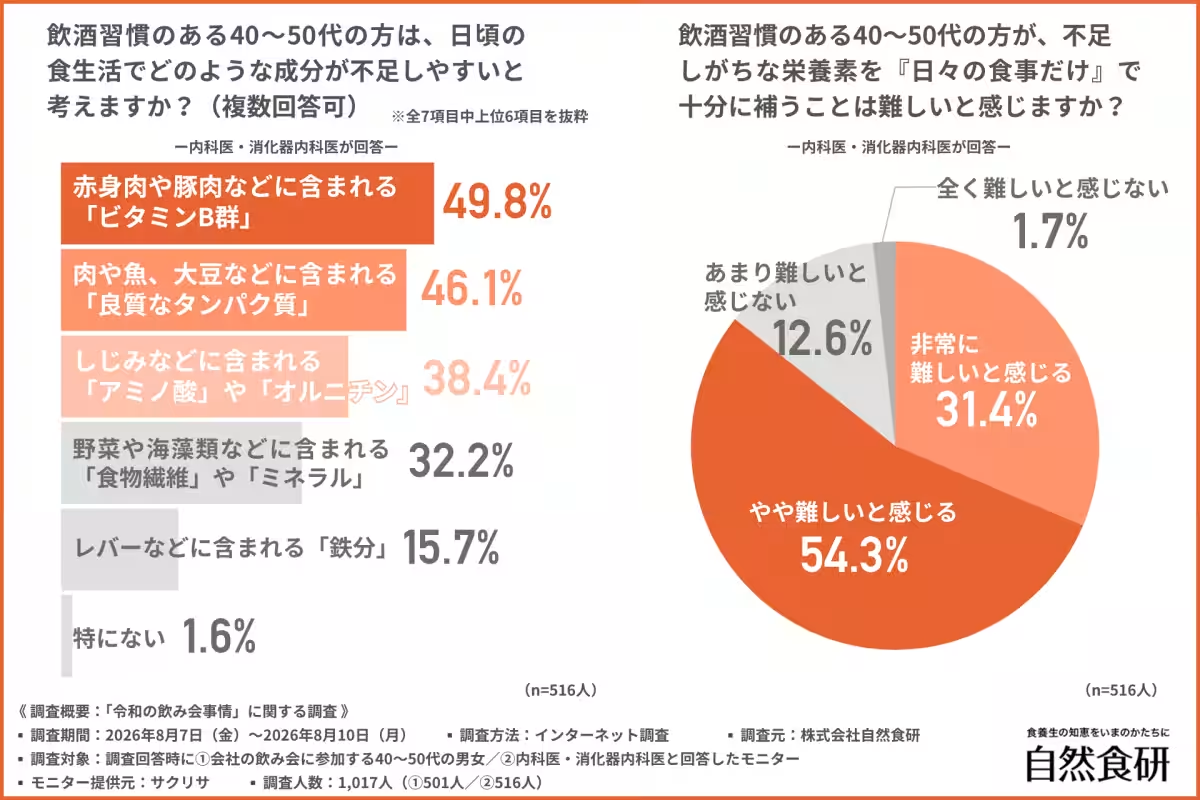
Doctors also expressed concern over the gradual decline in overall wellness tied to drinking practices. Issues such as fatigue after drinking, next-day discomfort, and nutritional imbalances were frequently mentioned. Medical professionals identified vitamin B groups and quality proteins as nutrients that individuals drinking frequently often lacked in their daily diets.
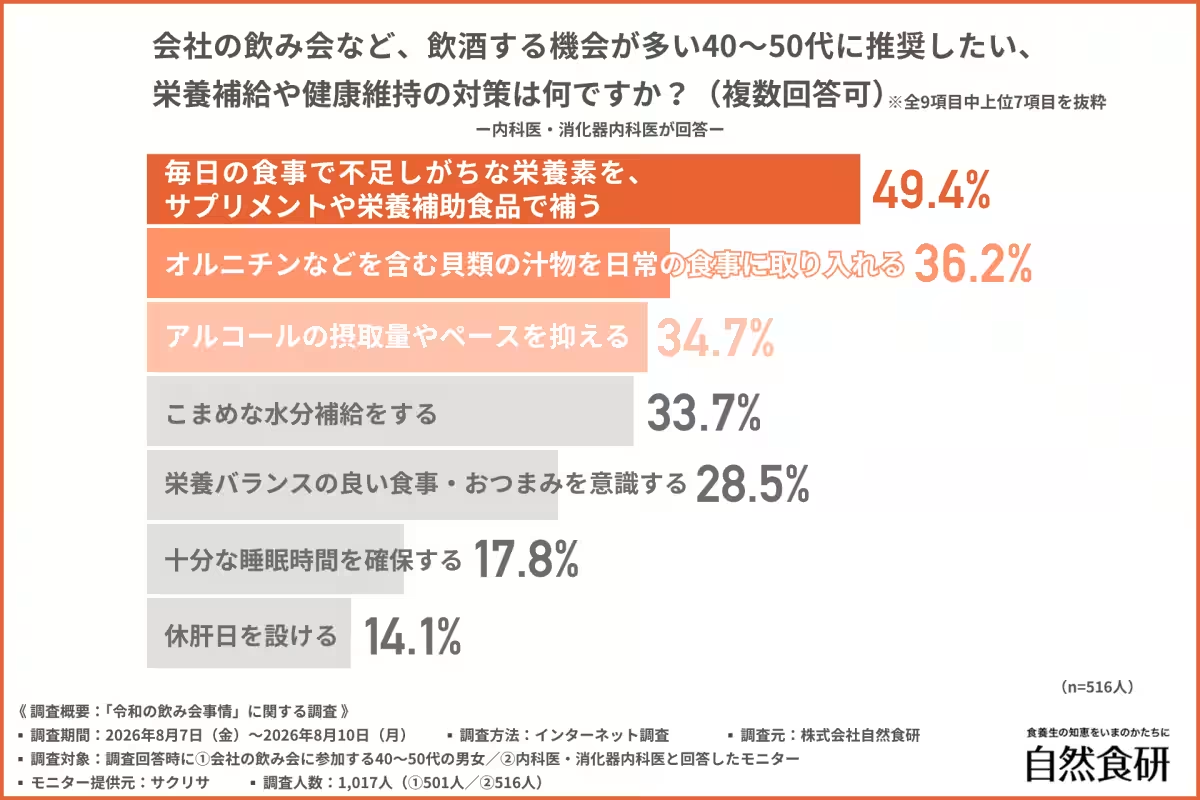
With findings suggesting that over 80% of physicians surveyed believe it is challenging to meet nutritional needs solely through diet, supplementation becomes crucial. Many doctors advocate for using dietary supplements and nutritional aids to ensure adequate intake of vitamins and proteins, particularly those containing ornithine, which can support post-drinking recovery.
Moreover, the study underscores a growing awareness regarding how nutritional supplements like "Shijimi Habit" can help residents of Japan achieve a more balanced diet, particularly for those who enjoy social drinking yet seek to maintain their well-being. This product, developed by Natural Food Research Company, provides a convenient source of necessary nutrients.
In conclusion, the landscape of drinking parties in Japan is undergoing major shifts as people prioritize moderation and health. By adjusting their drinking habits and focusing on nutritional supplementation, individuals can enjoy social gatherings without compromising their overall wellness. This evolution reflects broader changes in societal values regarding health and social interaction, marking a significant trend for the future of events like company drinking parties.
The Changing Landscape of Company Drinking Parties
The survey revealed that approximately 60% of participants believe that the frequency of drinking parties has decreased. Many individuals are no longer inclined to join second parties, and there has been an increase in smaller gatherings. This trend suggests a significant change in the culture of workplace communication, making these events more enjoyable and less burdensome for attendees.
When selecting venues, about 80% of the respondents utilized gourmet websites for their restaurant choices. Quality and pricing are paramount, with 70.3% prioritizing food quality and 69.5% factoring in cost. This indicates that despite rising costs, individuals are keen on striking a balance between quality and affordability in their dining experiences.
Furthermore, people are increasingly cautious about creating a comfortable environment. For instance, 46.3% of respondents emphasized the importance of not pressuring others to drink and fostering a climate where attendees can comfortably refuse participation.
Health Considerations Among Participants
As individuals focus on their health more than ever, specific trends in drinking and nutrition have emerged. Most participants are proactively managing their drinking patterns by adjusting their intake levels, staying hydrated, and pacing their consumption.
However, the survey results also highlighted prevalent misconceptions about health management, particularly the focus on alcohol consumption without considering pure alcohol content. Around 50% of physicians surveyed noted that while individuals may monitor their drinking habits, they often neglect to consider the overall alcohol concentration they are consuming. This oversight can lead to various health concerns as people age.
Doctors also expressed concern over the gradual decline in overall wellness tied to drinking practices. Issues such as fatigue after drinking, next-day discomfort, and nutritional imbalances were frequently mentioned. Medical professionals identified vitamin B groups and quality proteins as nutrients that individuals drinking frequently often lacked in their daily diets.
The Importance of Nutritional Supplementation
With findings suggesting that over 80% of physicians surveyed believe it is challenging to meet nutritional needs solely through diet, supplementation becomes crucial. Many doctors advocate for using dietary supplements and nutritional aids to ensure adequate intake of vitamins and proteins, particularly those containing ornithine, which can support post-drinking recovery.
Moreover, the study underscores a growing awareness regarding how nutritional supplements like "Shijimi Habit" can help residents of Japan achieve a more balanced diet, particularly for those who enjoy social drinking yet seek to maintain their well-being. This product, developed by Natural Food Research Company, provides a convenient source of necessary nutrients.
In conclusion, the landscape of drinking parties in Japan is undergoing major shifts as people prioritize moderation and health. By adjusting their drinking habits and focusing on nutritional supplementation, individuals can enjoy social gatherings without compromising their overall wellness. This evolution reflects broader changes in societal values regarding health and social interaction, marking a significant trend for the future of events like company drinking parties.
Topics People & Culture)
【About Using Articles】
You can freely use the title and article content by linking to the page where the article is posted.
※ Images cannot be used.
【About Links】
Links are free to use.