



Geopolitical Risks Prompt Renewed Interest in Sustainable Energy Solutions in Japan
Understanding the Shift in Japan's Energy Consciousness
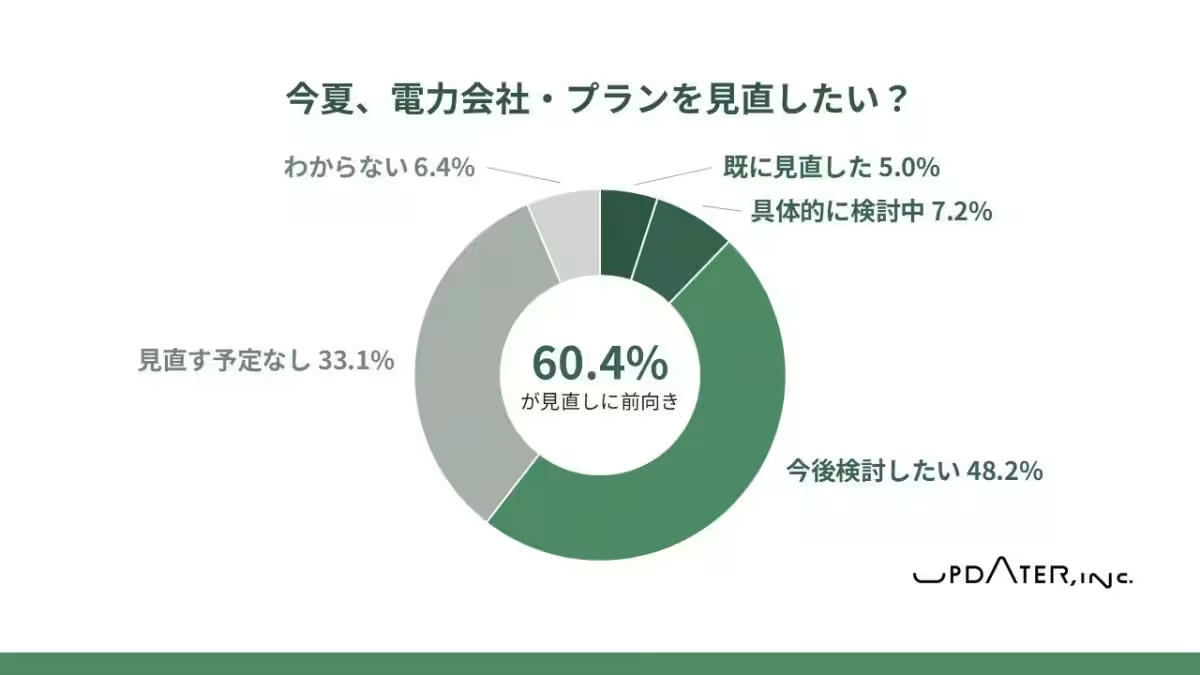
In light of geopolitical risks and predictions of record heat this summer, a recent survey conducted by UPDATER, a Tokyo-based company, indicates that more than 60% of respondents are contemplating a change in their electricity provider. This shift highlights a growing awareness of energy issues and a desire for sustainable practices among the Japanese populace.
Survey Insights and Findings
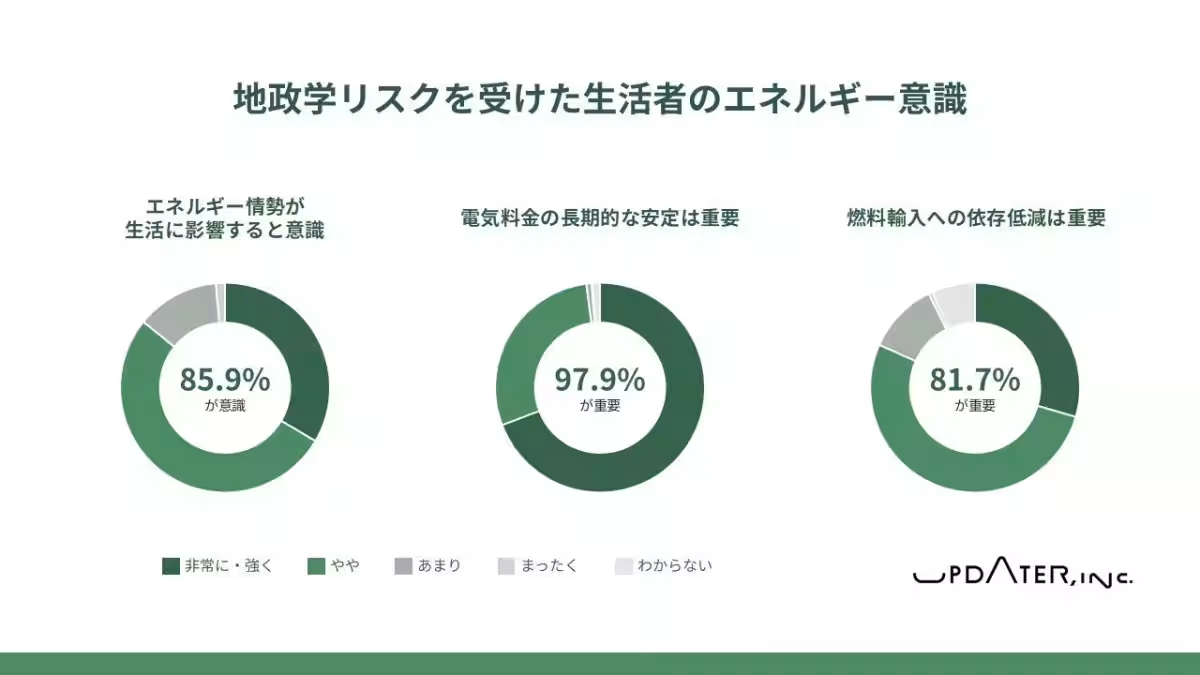
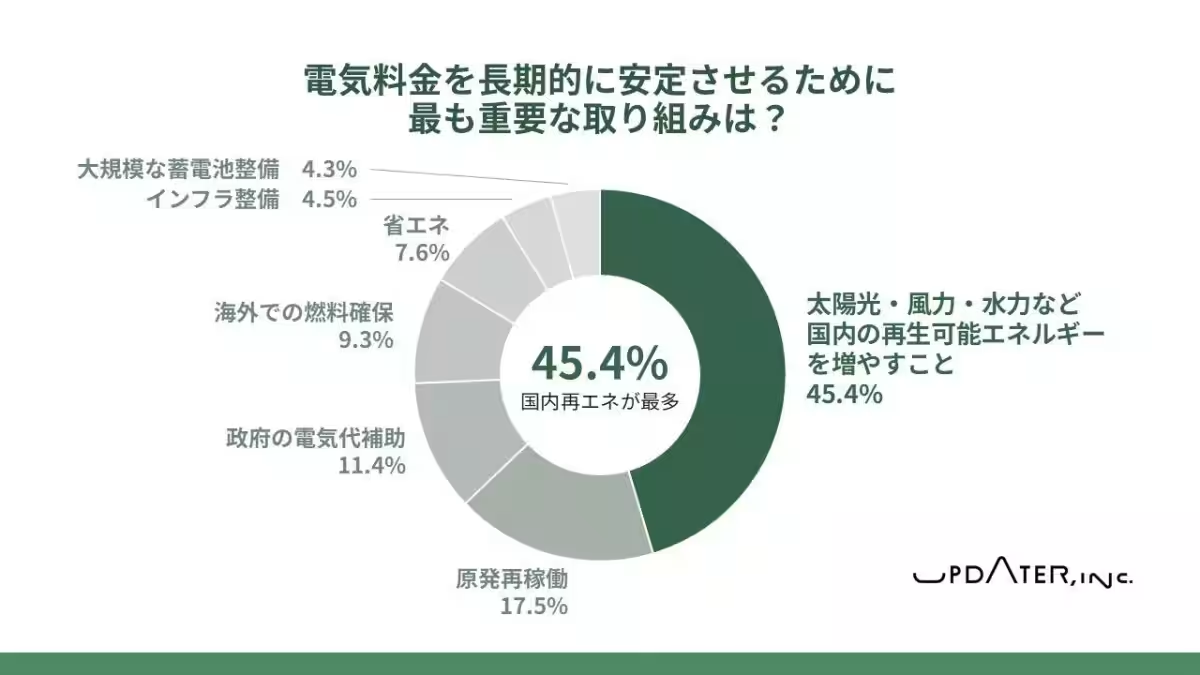
The study sampled 933 individuals nationwide, revealing that a staggering 86% of participants recognized the impact of energy conditions on their daily lives. When asked about long-term electricity rate stability, nearly half (45%) expressed that increasing domestic renewable energy sources is the key solution. This finding is particularly significant considering the rising costs associated with imported energy supplies, which 81.7% of respondents deem concerning.
Interestingly, while there is a strong intent to reconsider their electricity plans, with 60.4% expressing a need for change, a considerable gap exists between this intention and actual choices made.
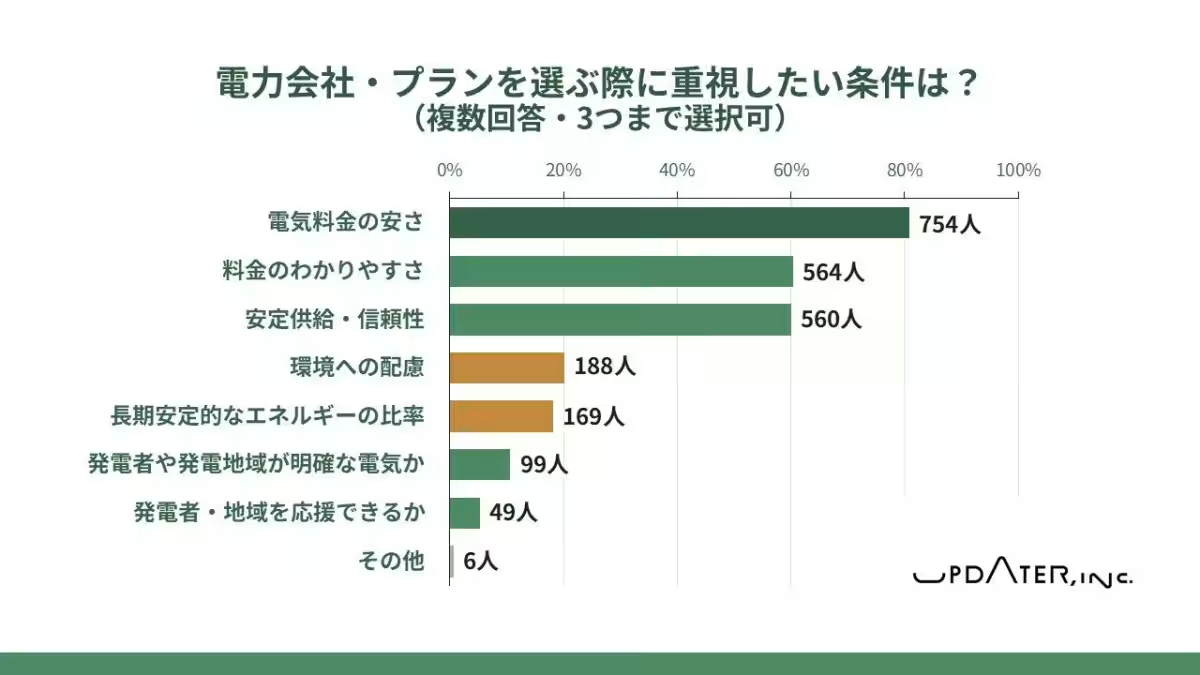
Among the primary criteria for selecting an electricity provider, a significant 81% prioritized the affordability of electricity rates. In stark contrast, only 18% valued the long-term stability offered by renewable resources. Additionally, 93% of respondents admitted to not using environmentally friendly plans, which underscores the disconnection between awareness and action.
Barriers to Action
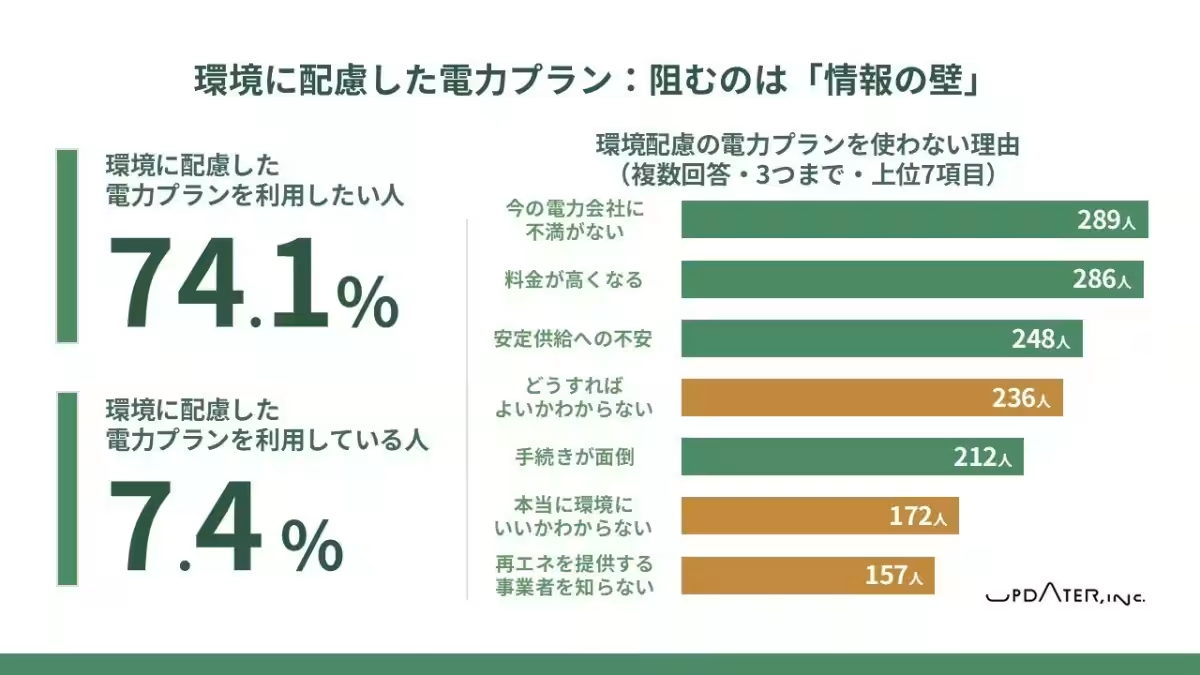
One of the most striking outcomes of the survey indicates that a notable 74.1% of participants desire to use eco-friendly energy solutions. Yet, only 7.4% currently utilize such plans, illustrating a substantial gap between intention and practice. The reluctance to transition towards renewable energy primarily stems from several barriers, including:
- - Satisfaction with Current Providers: A considerable number of respondents (289 individuals) mentioned a lack of dissatisfaction with their current electricity suppliers, leading to no urgency for change.
- - Perceived Costs: Another significant concern, echoed by 286 participants, was the fear that using eco-friendly energy would result in higher costs.
- - Concerns Over Stability: A sizeable portion (248 individuals) expressed apprehensions about the stability of renewable energy supply.
- - Knowledge Gaps: Furthermore, respondents reported feeling uncertain about the steps needed to transition (236 individuals), questioning the veracity of claims regarding the environmental benefits (172 individuals), and simply not being aware of available green energy providers (157 individuals).
This indicates that an informational barrier is one of the most significant hurdles hindering people from embracing sustainable energy solutions.
The Government's Stance and Future Directions
With more than 80% of survey participants acknowledging the threats posed by reliance on imported energy, the idea of increasing domestic renewable energy sources, such as solar and wind, is gaining traction. The survey results highlight a fast-growing expectation for an energy model that relies more heavily on domestically sourced renewables.
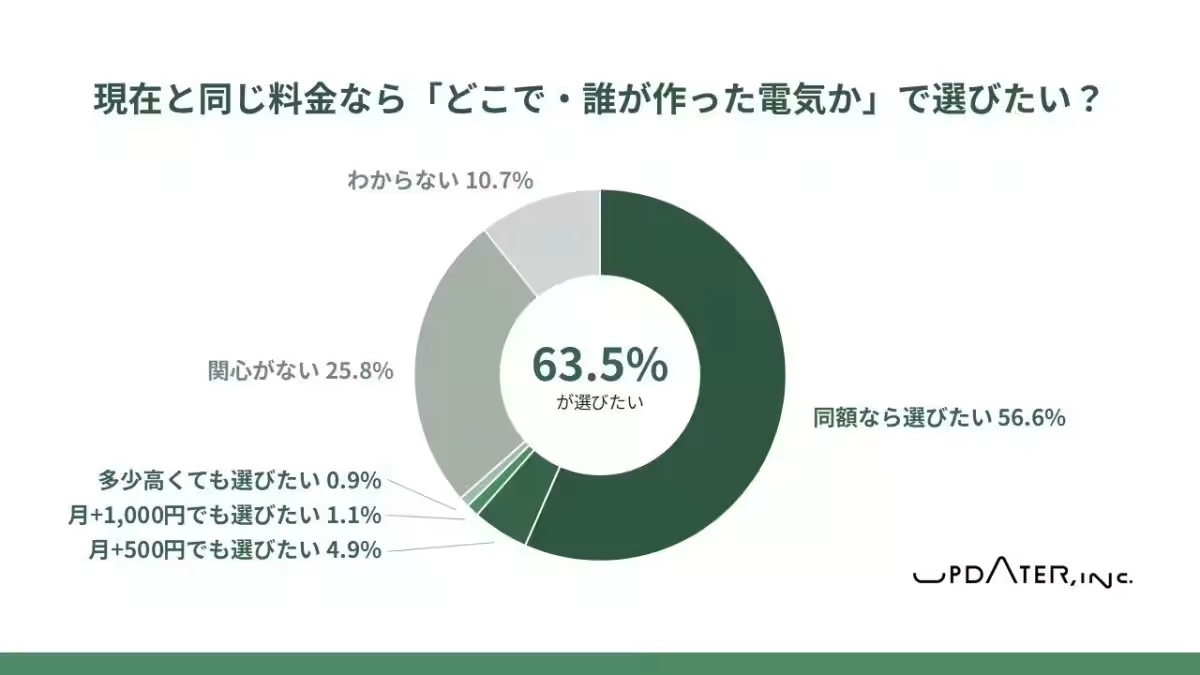
Moreover, as the annual rate of energy change coincides with the fifteenth anniversary of Japan's electricity market deregulation, UPDATER's findings indicate that a demand for transparency and traceability concerning energy sources is on the rise. More than 60% of survey respondents show interest in energy plans that provide information about energy producers and generation locations.
Conclusion
As Japan faces unprecedented climatic challenges and geopolitical uncertainties, the public's attitude towards energy consumption is changing significantly. Despite the clear intention of consumers to switch to renewable energy sources, the prevailing barriers need to be addressed comprehensively. Effective communication regarding the benefits and mechanisms of switching to sustainable energy, alongside overcoming informational barriers, will be paramount for enabling a successful transition.
Moving forward, companies like UPDATER must focus on enhancing consumer education and awareness while fostering stronger connections within communities to make renewable energy options more accessible and appealing. As the landscape of energy consumption evolves, it is crucial that both private and public sectors collaborate to break down these barriers and usher in a new era of sustainable energy usage in Japan.
Topics Consumer Products & Retail)

【About Using Articles】
You can freely use the title and article content by linking to the page where the article is posted.
※ Images cannot be used.
【About Links】
Links are free to use.