



Understanding Non-Legal Risks in Resignation Services: A New Survey Reveals Concerns Among Users
Understanding Non-Legal Risks in Resignation Services: Key Insights from a Recent Survey
Overview
In today’s diverse work environment, young individuals, particularly those in their twenties, are increasingly relying on resignation services to manage their transitions out of employment. A recent survey conducted by Wandering Seagull Inc. focused on the perceptions of these services, particularly regarding non-legal tasks. Despite their growing popularity, many users remain concerned about the legal implications associated with these services, particularly in light of recent news regarding violations of the Lawyer's Act by some major providers.
The survey, involving 1,034 participants who have either used or considered using resignation services, sheds light on user sentiments and the need for clearer communication about the services offered and their legal limits.
Key Findings
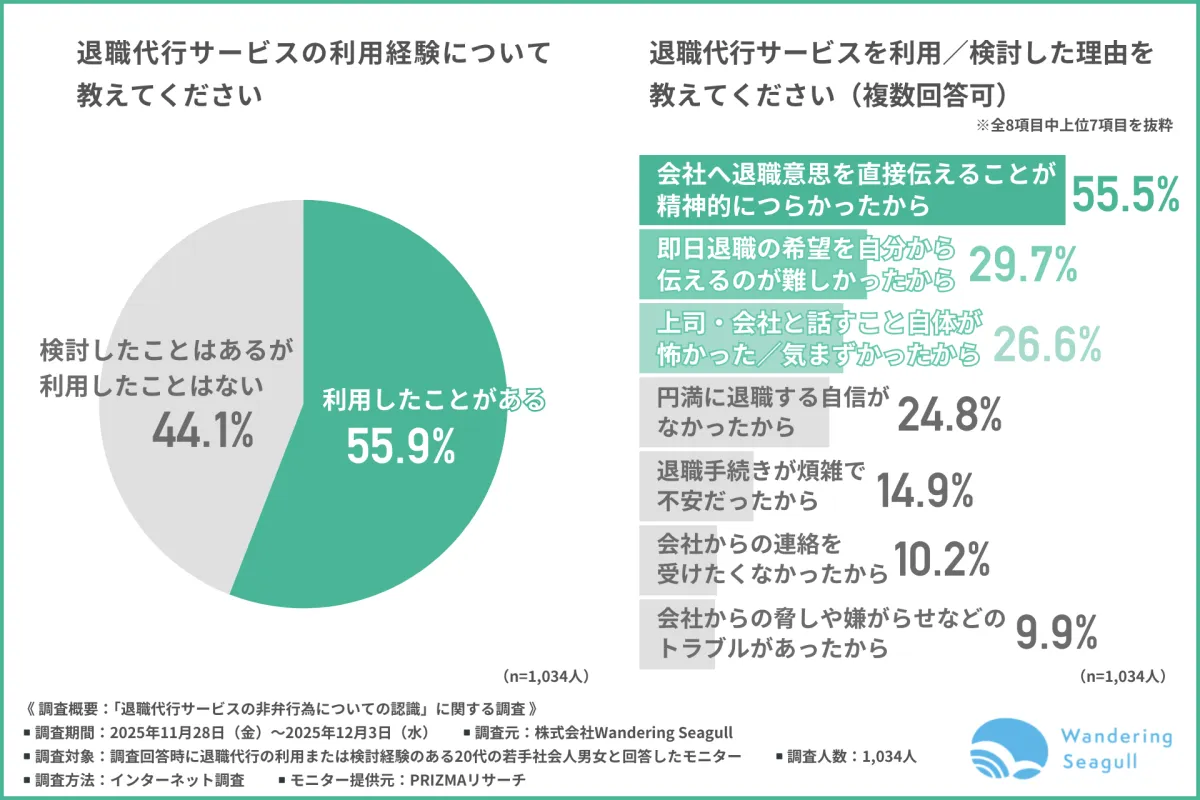
The primary motivations for utilizing a resignation service include:
- - Reduction of emotional burden: 55.5% reported difficulties in communicating their resignation directly to their employer due to various stressors, including harassment and relational conflicts.
- - Desire for immediate resignation: 29.7% indicated challenges in requesting same-day resignation, while 26.6% feared engaging in potentially awkward conversations with supervisors.
Conversely, nearly 30% expressed concerns about potential legal issues linked to the services, demonstrating a significant lack of awareness regarding non-legal tasks that these services may perform.
Service Experiences and User Concerns
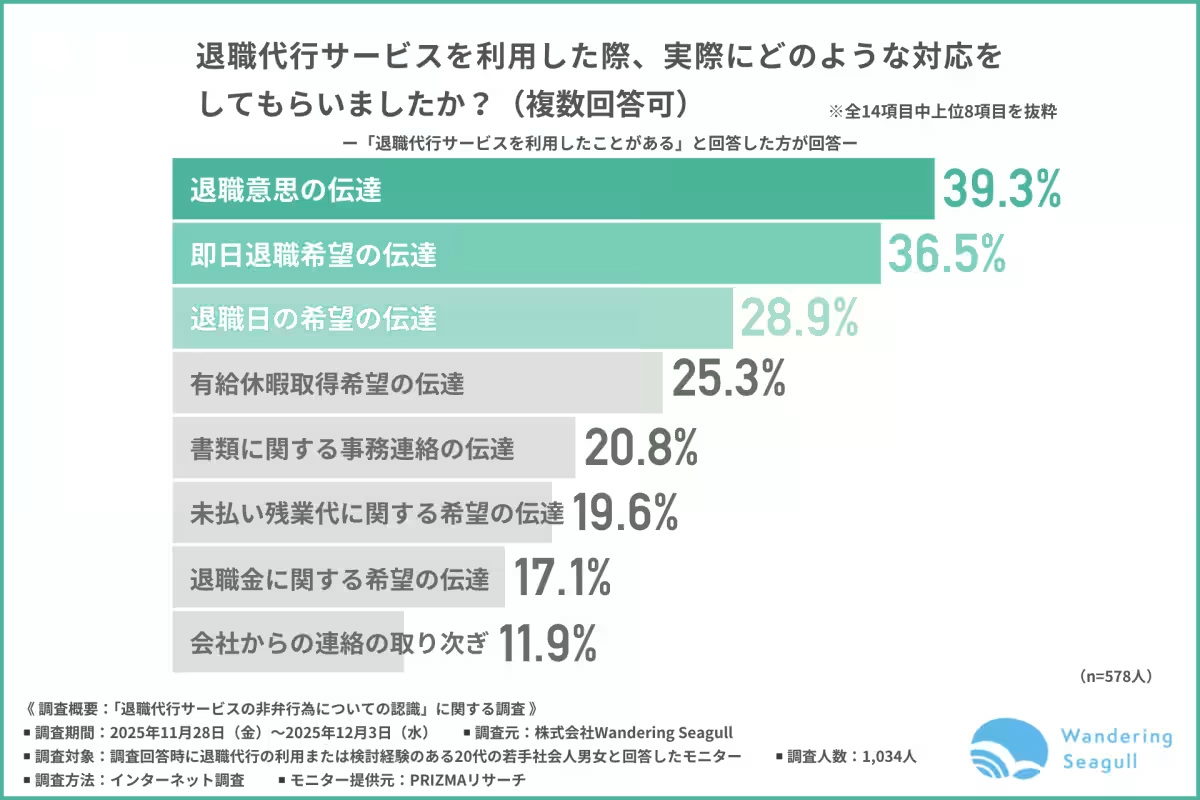
Participants who had previously used resignation services reported their experiences as follows:
- - Communication of resignation intention: 39.3% found this to be within their service expectations.
- - Immediate resignation requests: 36.5% were pleased with the service in this regard.
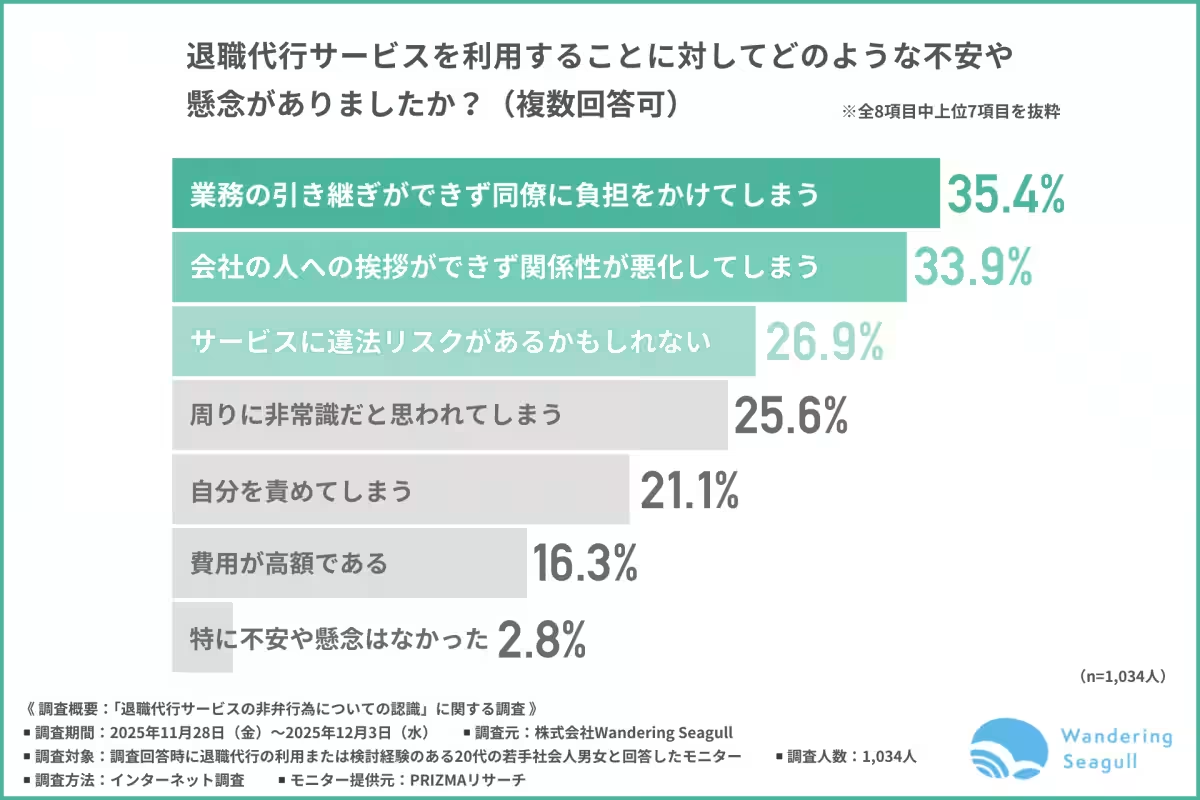
- - Significant concerns were raised about issues such as transferring duties, maintaining workplace relationships, and fears regarding service legality.
Specifically, 35.4% worried about not transferring responsibilities adequately, potentially burdening their colleagues, and 33.9% were anxious about failing to say goodbye to coworkers, which could strain future relationships. Alarmingly, 26.9% noted concerns about the possibility that the services might engage in illegal activities. These insights suggest that emotional distress is a significant motivator behind seeking these services.
Misunderstanding Non-Legal Activities
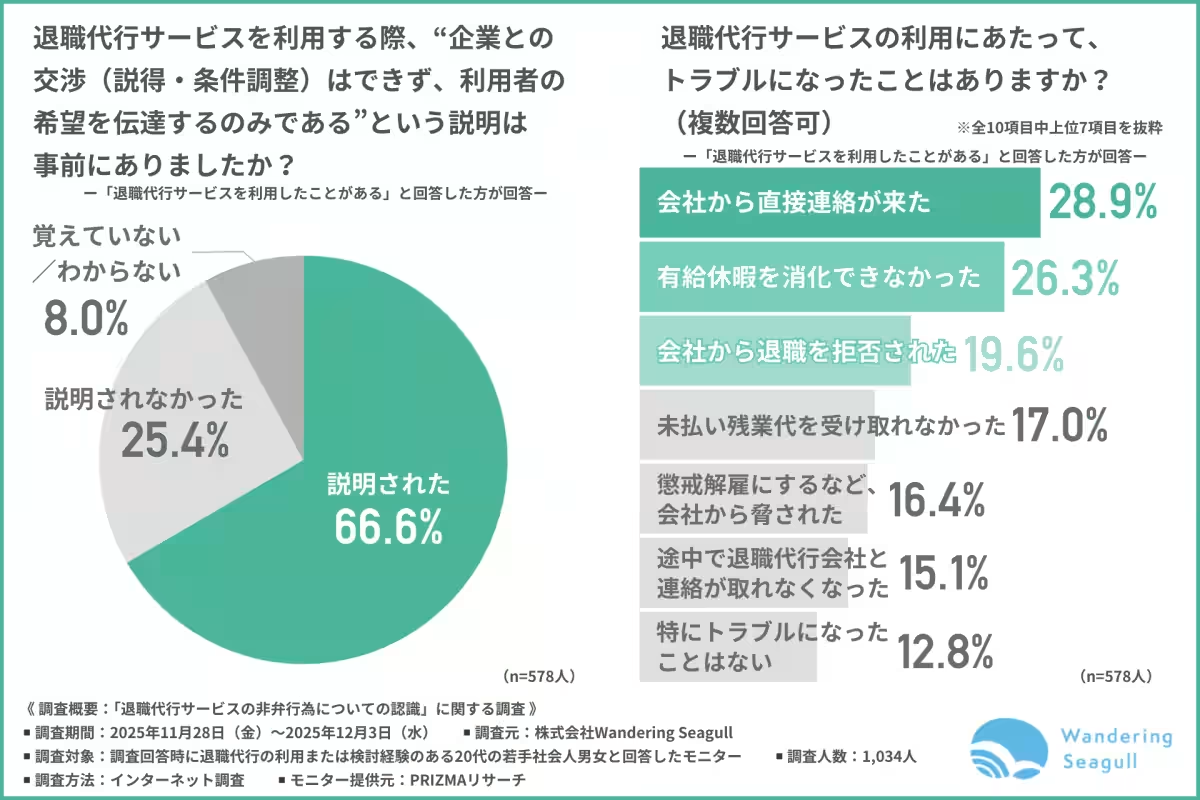
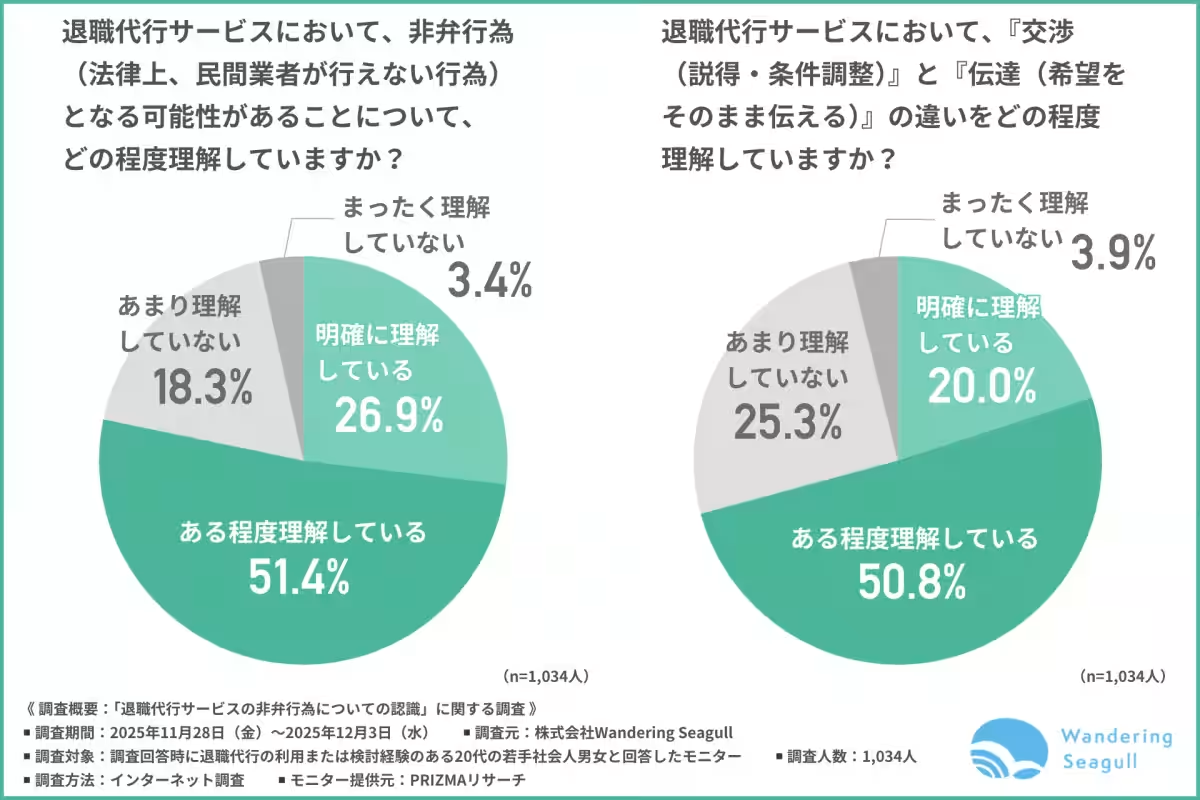
One alarming finding was the extent to which users are unaware of the legal boundaries concerning resignation services. Although 80% claimed some understanding of non-legal tasks, a significant percentage still reported uncertainty about what qualifies as a negotiation versus mere communication. This misunderstanding can lead to potential disputes and dissatisfaction with the services provided.
Additionally, around 30% did not receive sufficient explanations regarding the limits of the service, showcasing a fundamental communication gap that could lead to unrealistic user expectations.
Legal Understanding and its Implications
The distinction between permissible communication and illegal negotiation tasks is critically important yet poorly understood among users. Various factors contribute to this gap, including inadequate explanations from service providers and a lack of initiative from users to seek clarifications. The survey highlighted that while many recognized the existence of legal risks, they struggled to articulate the nature of these risks or how they apply to the services they sought.
Crucially, without clear guidelines, the potential for significant misunderstandings persists, risking both the user’s legal standing and the reputation of these service providers. Two out of three respondents suggested that additional education on the differences between

Topics Other)
【About Using Articles】
You can freely use the title and article content by linking to the page where the article is posted.
※ Images cannot be used.
【About Links】
Links are free to use.