


Empowering Student Autonomy Through Innovative Coaching Training for Educators
Empowering Students: The Launch of the Student Coaching Training Program
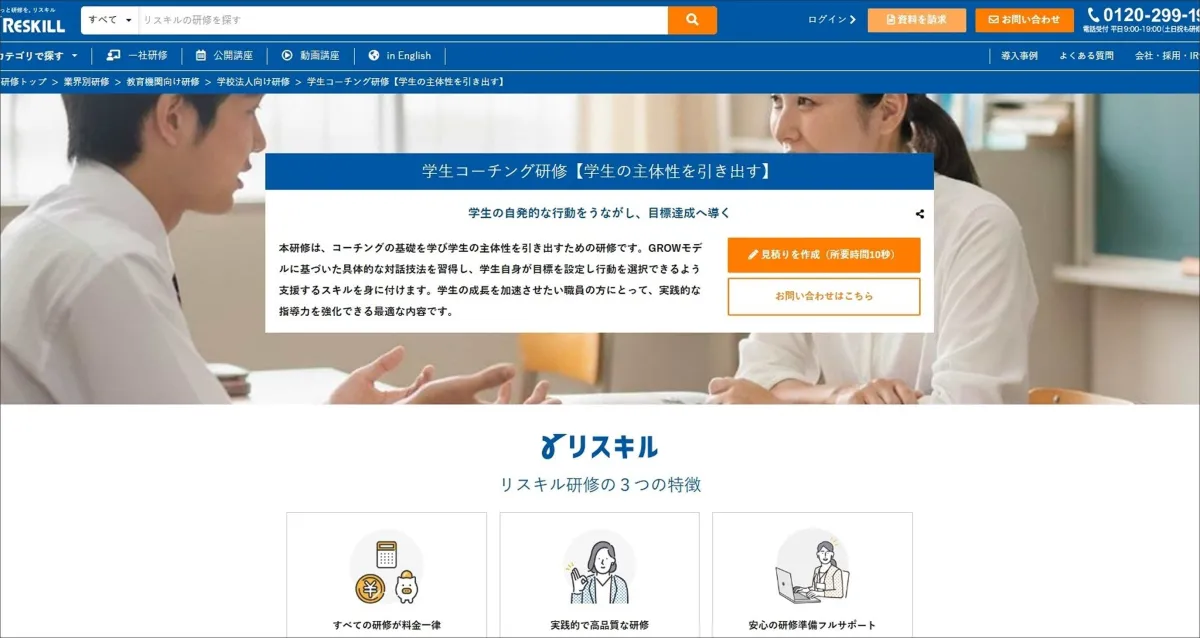
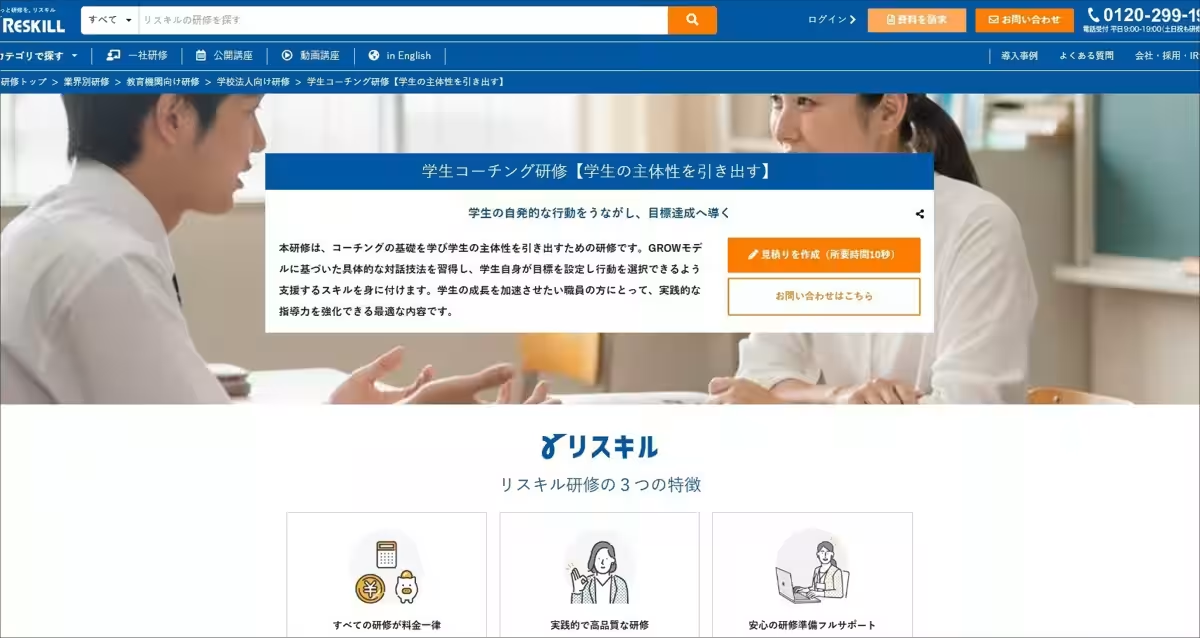
In a significant move to enhance educational practices, Risukiru Corporation has unveiled its innovative Student Coaching Training program. This initiative is designed to elevate the guiding skills of educators, enabling them to cultivate student autonomy and encourage proactive behaviors through effective communication techniques.
Understanding the Need for Student Autonomy
The demand for self-directed learning in educational environments has surged in recent years. Traditional teaching methods, which often emphasize direct instruction, fall short of motivating students intrinsically and supporting them in achieving their personal goals. The limitations of directive teaching have become increasingly clear, and many educators understand the pressing need to foster a learning atmosphere that empowers students.
The Importance of Structured Coaching Skills
As educators strive to enhance student motivation, the lack of specific dialogue methods has been a notable gap. To deepen students' thought processes and clarify their actions, the implementation of structured coaching techniques is critical. This need has made it urgent for educators to acquire skills that can be applied immediately in their teaching practices.
An Overview of the Student Coaching Training Program
Training Title
Student Coaching Training
Target Audience
All staff within educational institutions, including school teachers and tutoring instructors
Skills Acquired
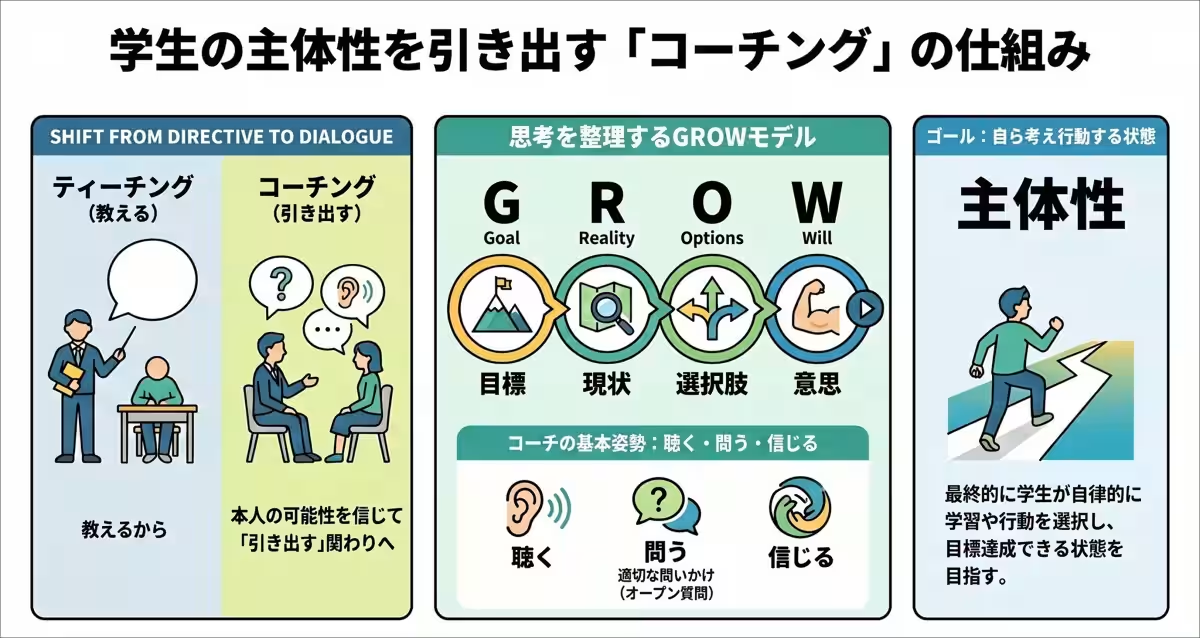
- - Comprehension of coaching concepts and the framework of the GROW model
- - Mastering questioning techniques that support student goal-setting
- - Implementing dialogue techniques that clarify facts and interpretations, enhancing students' self-awareness
- - Reinforcing follow-up methods to strengthen students' willingness to act
Distinct Features of the Training
- - Breaking Free from Directive Teaching: Educators will learn how to enhance student motivation through dialogue, helping to draw out inherent enthusiasm.
- - Systematic Dialogue Techniques Based on the GROW Model: Participants will acquire a comprehensive understanding of the flow from goal setting to verification of willingness, facilitating clear and effective discussions and guidance.
- - Specific Questioning to Clarify Thinking and Actions: Techniques such as open-ended questions will be taught, enabling students to organize facts and interpretations and contemplate their next actions.
Curriculum Highlights
The training curriculum includes key components such as:
- - Comprehensive Understanding of the GROW Model: Defining coaching and its characteristics; understanding why coaching is effective for students; examining the structure and significance of the GROW model.
- - Practical Application of Goal and Reality: Conditions for good goals, questioning techniques for eliciting goals, and how to guide students in recognizing their current state.
- - Practical Application of Options and Will: Engaging questions to foster thinking, strengthening the willingness to act, and role-playing GROW dialogues.
About Risukiru Corporation
Risukiru Corporation is committed to offering diverse training programs tailored to various industries and levels. The Student Coaching Training is customizable to meet the specific needs of educational environments. Risukiru's philosophy centers around providing straightforward pricing for business training, ensuring accessibility for all educators.
The company prioritizes creating conducive environments for training, offering rapid support from estimates to execution. With a focus on high-quality content delivered by experienced instructors, the program is designed to be readily applicable to teaching contexts. Furthermore, Risukiru handles all necessary materials and equipment for the training, thereby alleviating the preparation burdens on staff.
In conclusion, the launch of the Student Coaching Training program represents a transformative step in enhancing educational practices. By equipping educators with the GROW model and essential dialogue techniques, this initiative is poised to significantly impact student learning outcomes and foster a culture of autonomy and proactive engagement among students.
Topics Other)

【About Using Articles】
You can freely use the title and article content by linking to the page where the article is posted.
※ Images cannot be used.
【About Links】
Links are free to use.