



The Evolution of Rice Consumption: Exploring Alternative Food Trends Amidst Shrinking Rice Use
Exploring Alternatives to Rice Consumption
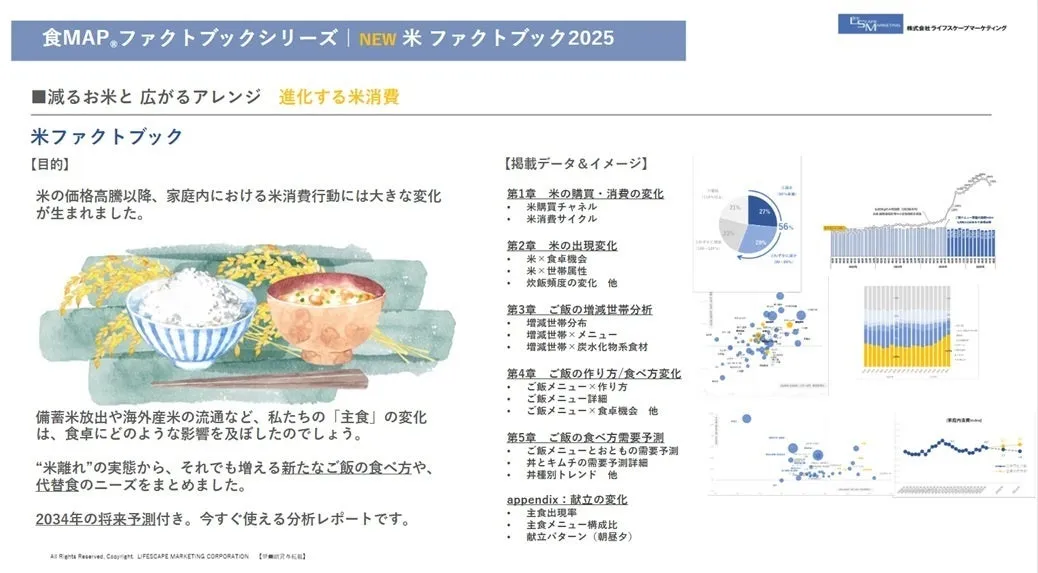
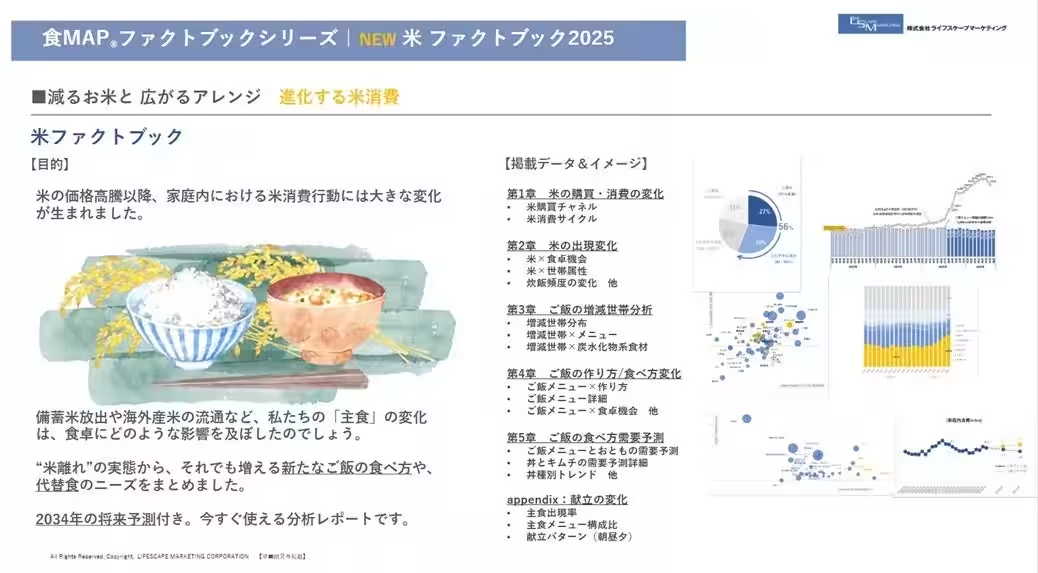
As rice consumption continues to decline, a new report titled "Rice Fact Book" sheds light on the current trends and predictions for rice-related dishes over the next decade. Following the successful release of the initial study in May 2025, which explored what families are choosing to eat in place of rice, the comprehensive report was published on September 18, 2025, drawing considerable attention from stakeholders in the rice industry.
Current Rice Consumption Trends
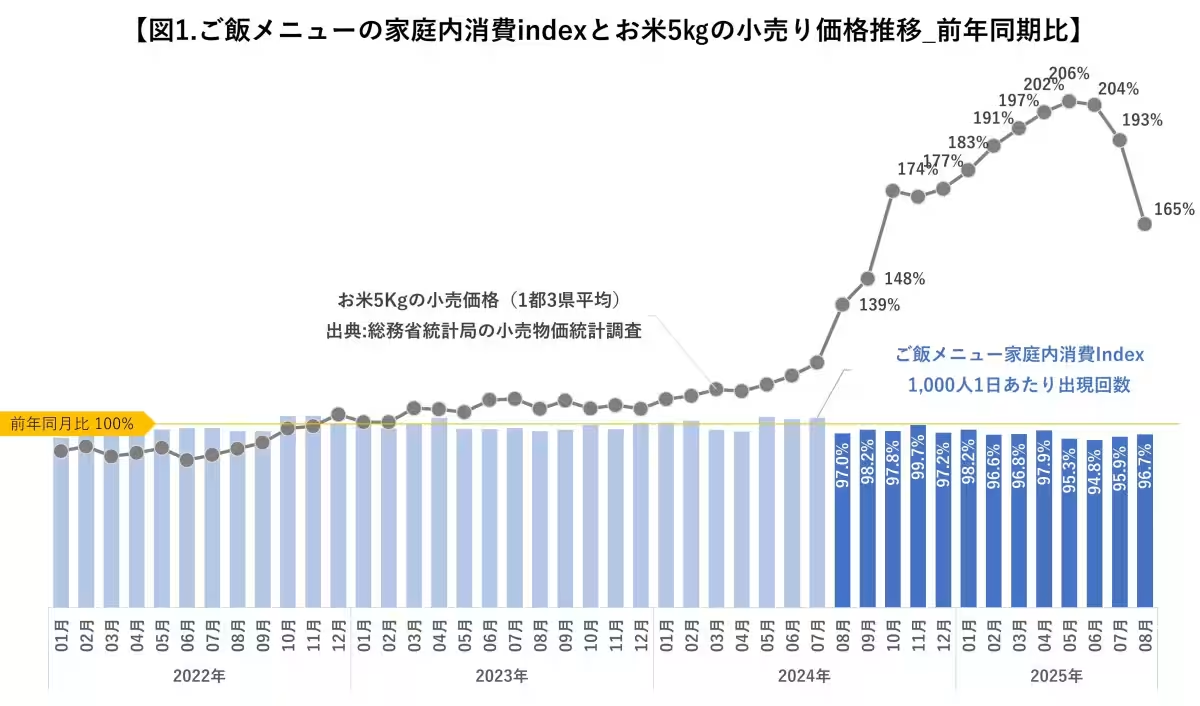
According to the Ministry of Internal Affairs and Communications, retail prices of rice (5kg bags) remain significantly high, hovering around double the previous year's prices. As a result, the frequency of rice appearing in home-cooked meals has seen a downward trend. The findings indicate that, between January 2021 and August 2025, rice consumption in Japanese households, measured by home consumption index, reflects a worrying decrease.
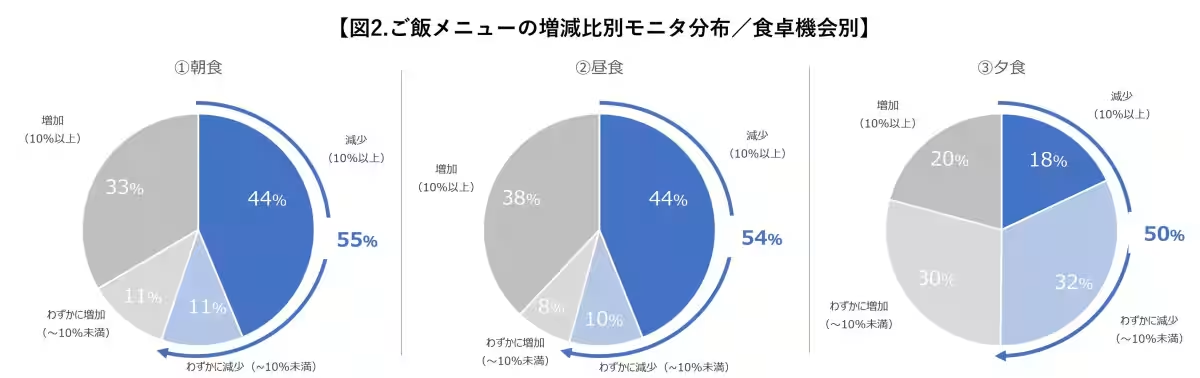
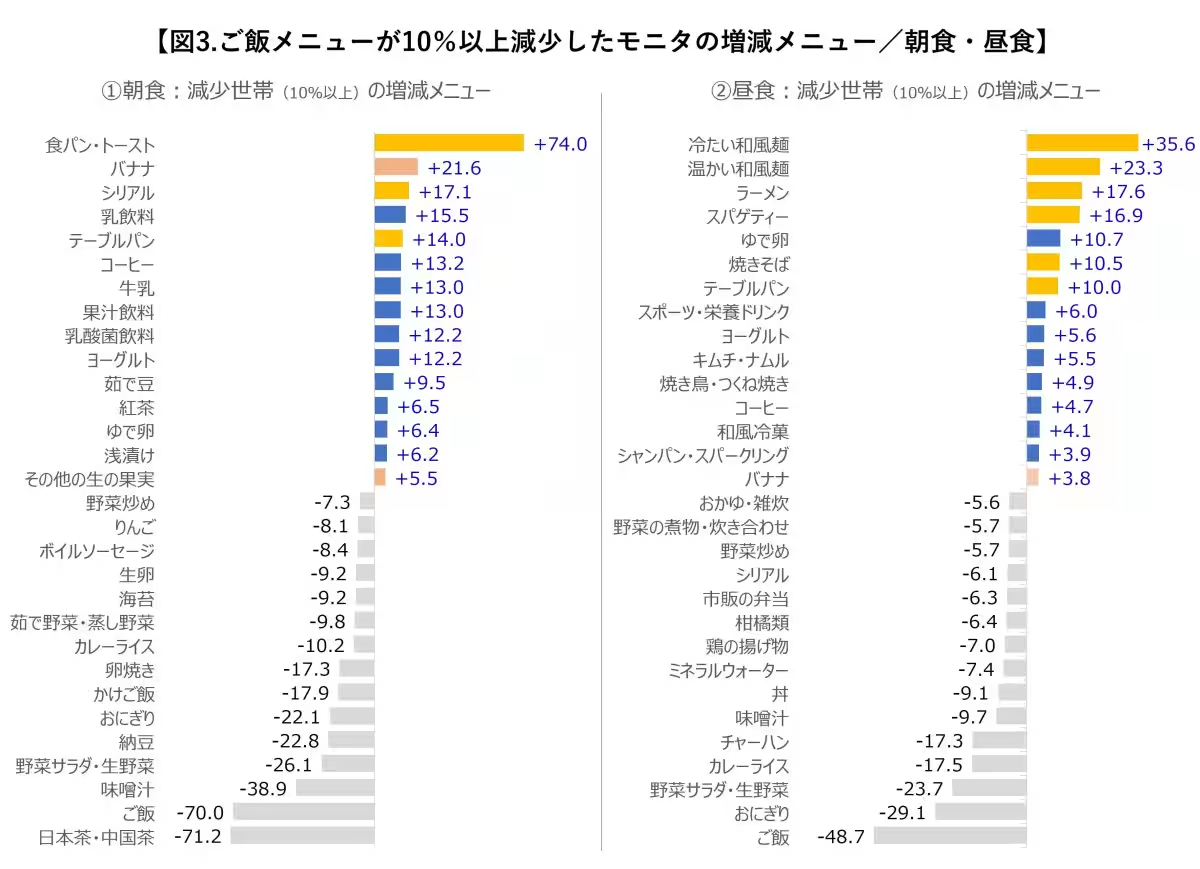
The study reveals that for breakfast and lunch, around 55% of respondents indicate reduced rice menu items compared to the previous year, with 44% of these households cutting their rice consumption by more than 10%. In contrast, the dinner meal sees a mixed response, with families either maintaining or increasing their rice dishes. This suggests that while mornings and afternoons have shifted towards alternative options, rice's cultural significance remains strong at dinner tables.
Shift Towards Alternative Breakfast and Lunch Options
The analysis reveals a notable increase in Western-style meals during breakfast, such as cereals and bread, as family units look for quick and simple options. Lunch offerings have shifted towards noodle-based dishes, showcasing a significant rise in the popularity of ramen and other various noodle meals, indicating a clear transition from traditional rice dishes.
Alternative Meal Trends
- - Breakfast: Popularity of bread, cereals, and yogurt is on an upward trajectory.
- - Lunch: A noticeable rise in Japanese-style noodles, such as ramen and yakisoba, indicates a strong substitution effect.
This clear shift highlights how families are adapting their traditional meal patterns in response to evolving agricultural economics and personal preferences.
The Rising Popularity of Donburi
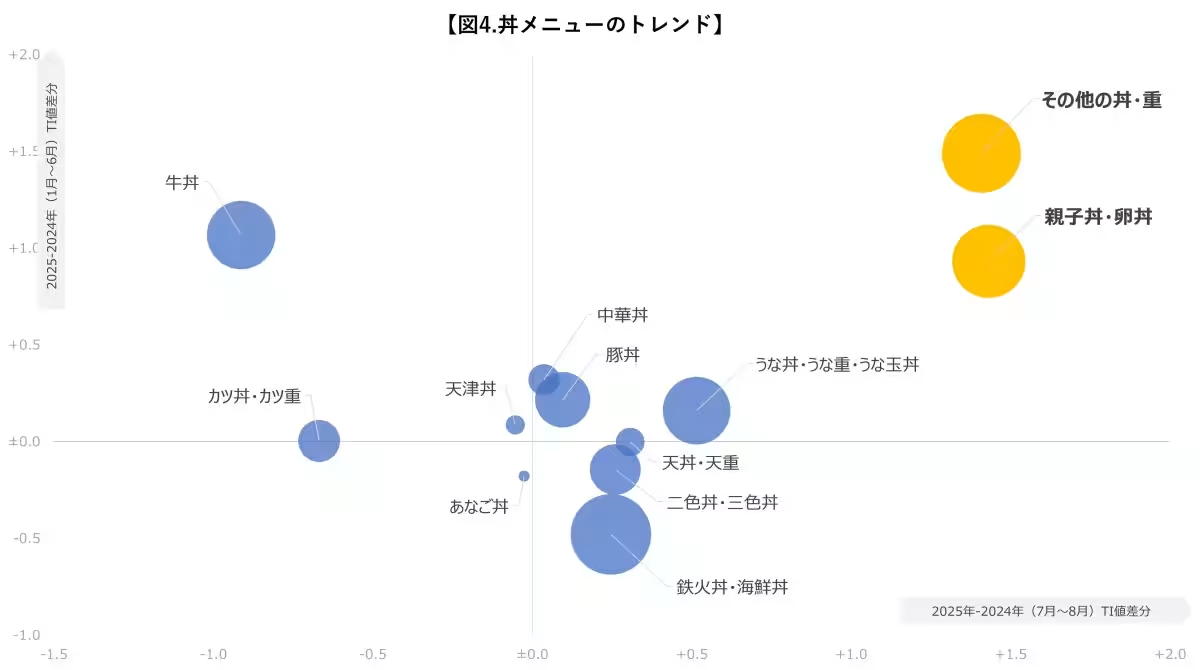
Amidst the decline in rice dishes, one category that sees growth is donburi, a Japanese rice bowl dish. This adaptation allows families to maintain rice consumption but in a different format by adding toppings to create various styles of donburi meals, ranging from traditional recipes to new fusion styles.
Recent trends reveal strong growth in categories like "other donburi and trays" and "oyakodon (parent-and-child rice bowl)," highlighting the versatility afforded by typical staple ingredients like eggs, which are accessible to households, especially during times of rice shortages.
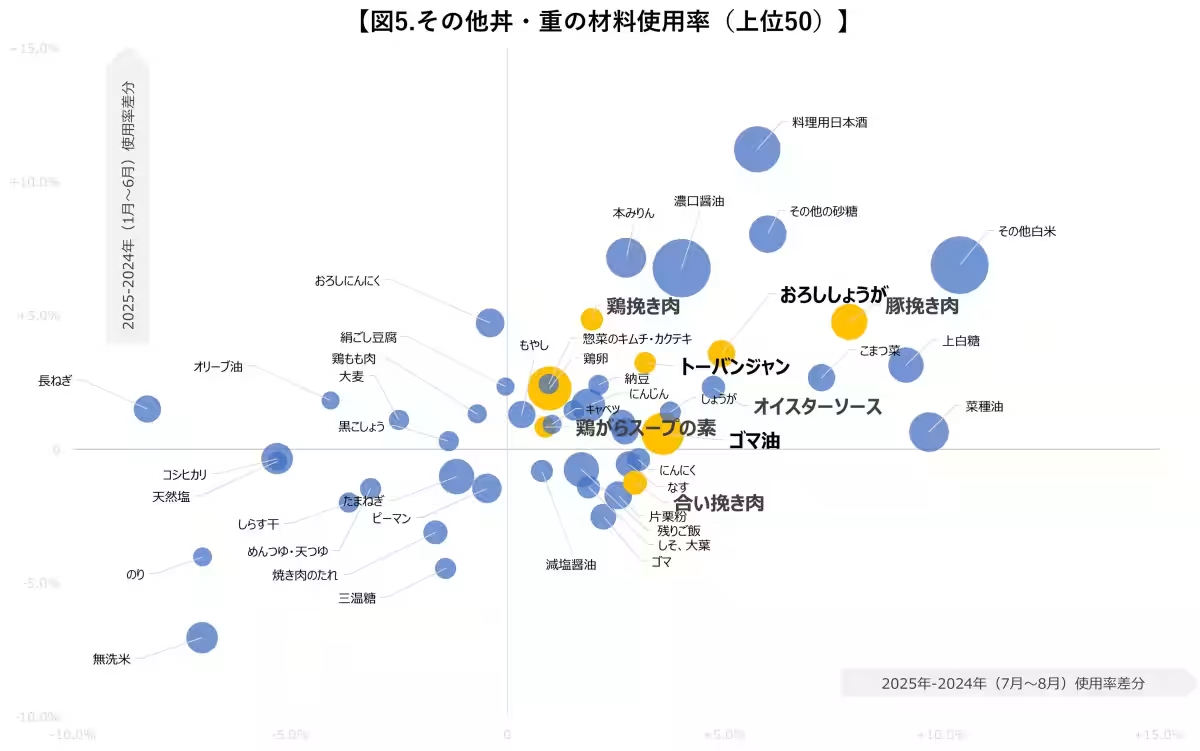
The emerging ingredient trend includes a rise in ground meats, flavored with various seasonings that are indicative of dishes like soboro don (ground meat rice bowl) and mapo don (mapo tofu rice bowl). This adaptability reflects a notable resilience among consumers who continue to seek enjoyable dining experiences despite the ongoing fluctuations in rice availability.
Conclusion and Future Perspectives
As rice dishes diminish, innovative alternatives like donburi reflect the dynamic transformation of Japan's food landscape. With the rice crisis continuously impacting traditional meal structures, donburi showcases the potential for merging various culinary influences—be it Japanese, Western, or ethnic dishes—underscoring the creativity of families in maintaining rice consumption in their diets.
The "Rice Fact Book" aims to equip stakeholders with insights regarding changing consumer preferences and meal trends, ensuring those in the rice industry are prepared for the evolving market. The forthcoming sections in the report will delve deeper into consumption trends, forecasting demand for rice over the next ten years, and analysis of how cooking and dining behaviors are adapting to these changes.
With the emergence of versatile dishes maintaining the essence of rice consumption, the industry must monitor these trends closely to stay relevant and meet consumer demands effectively.


Topics Consumer Products & Retail)
【About Using Articles】
You can freely use the title and article content by linking to the page where the article is posted.
※ Images cannot be used.
【About Links】
Links are free to use.