



Survey Reveals High School Students' Nintendo Switch Ownership Trends
High School Students in Japan and Their Love for Nintendo Switch
In a recent investigation into the gaming habits of high school students in Japan, a striking percentage of teens still own a Nintendo Switch, even as they transition to other forms of entertainment. The survey, conducted by Wakamono Research, aimed to examine the ownership rates of the Nintendo console among current high school students across Japan. The results indicate that the Switch remains a beloved device even after students move beyond their elementary school years.
Boys Are Leading the Charge
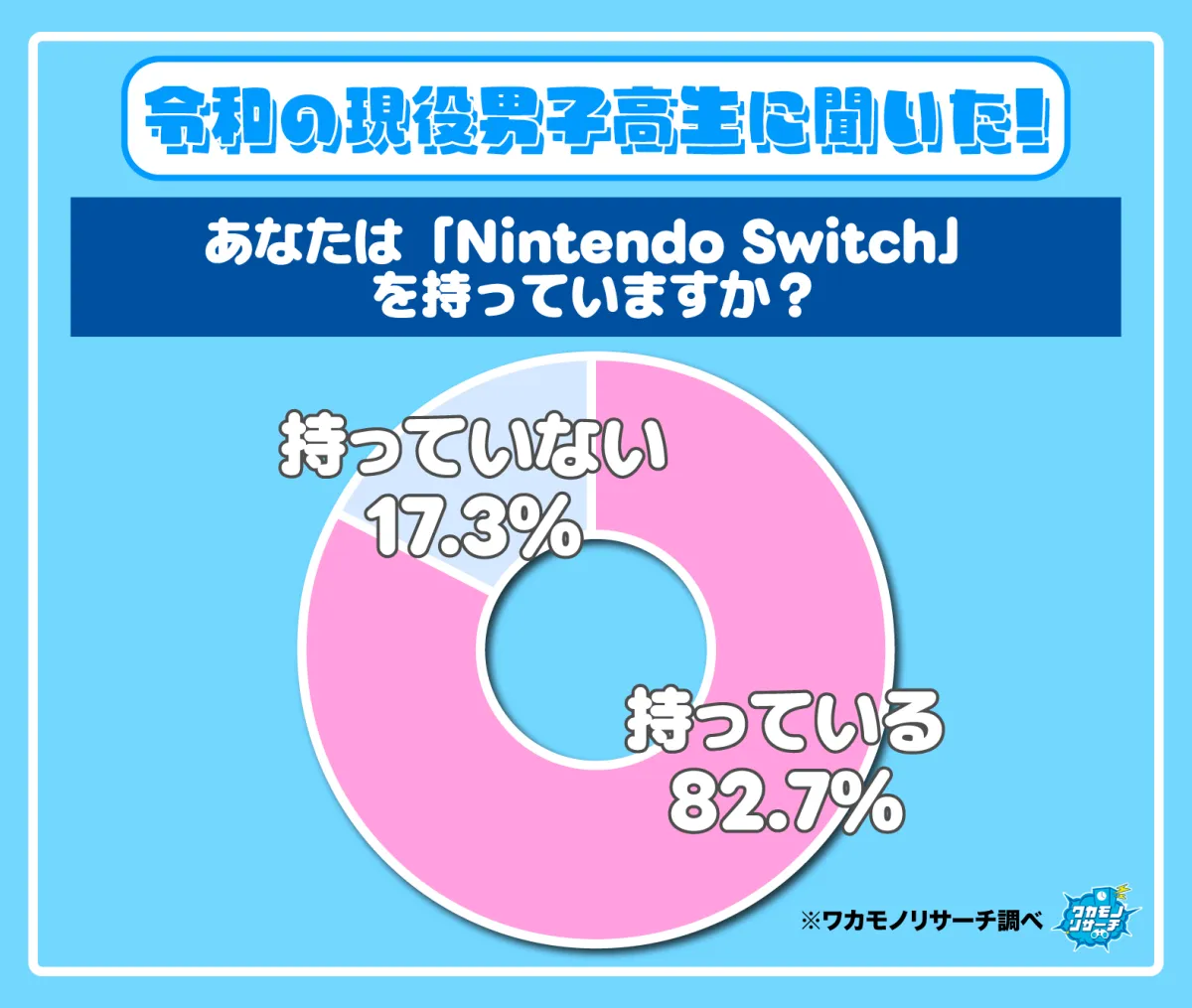
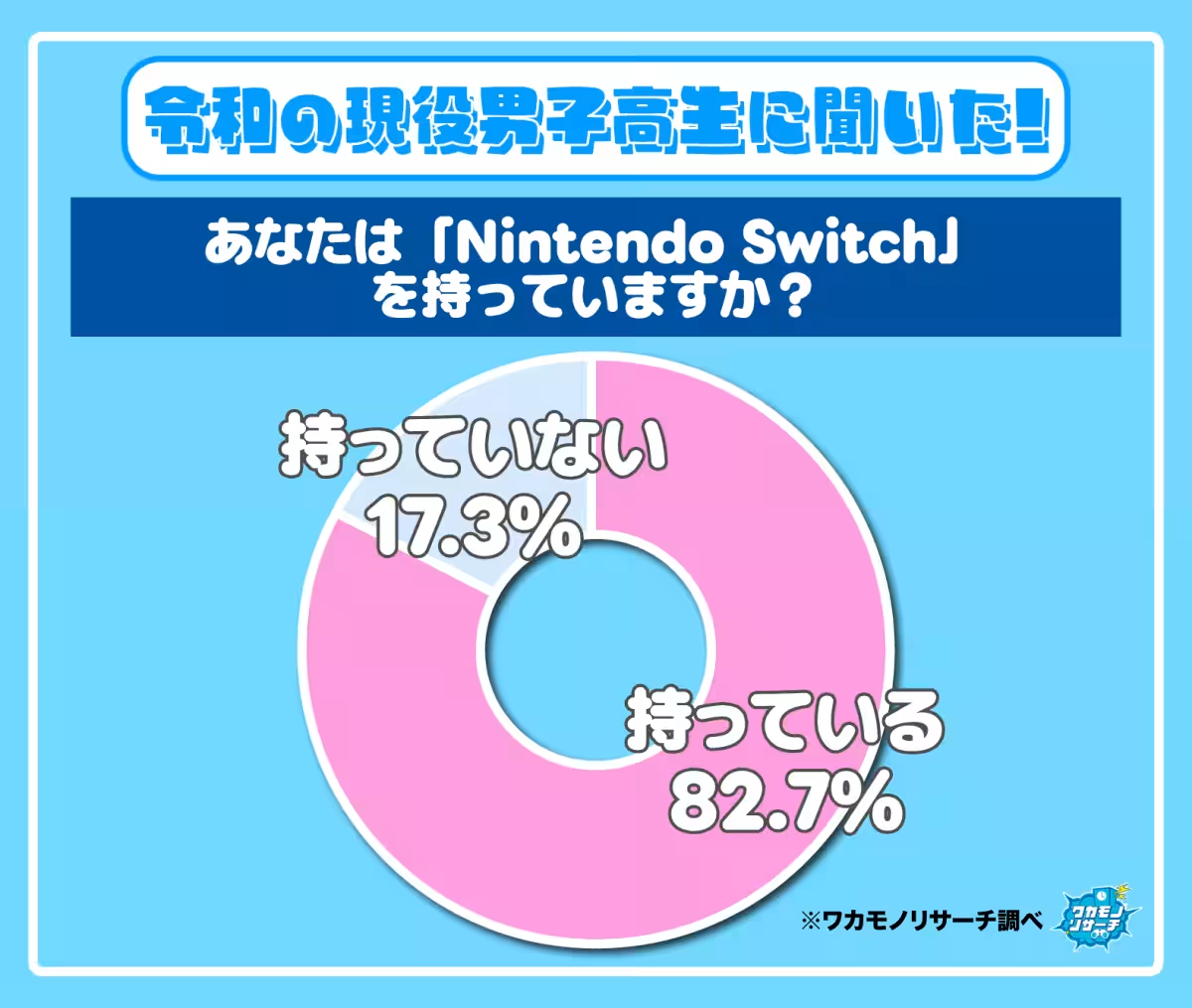
A standout finding from the survey shows that an impressive 82.7% of male high school students reported owning a Nintendo Switch. This high figure emphasizes the console’s status as a staple among teenage boys. When asked why they cherished their Switch, many attributed it to a genuine love for gaming. Comments from these students reflect a clear passion: "I have it because I love games," and, "I've been a gamer since elementary school."
Interestingly, the desire to play specific games often drives their ownership. Titles like Pokémon and Splatoon were mentioned frequently, indicating that the appeal isn't just about the console itself but the beloved games available for it. Some students noted that they received their consoles as gifts from their parents or even from Santa, suggesting a mix of nostalgia and familial support in their gaming journeys.
The societal norm also plays a crucial role. Many boys felt compelled to own a Switch simply because it was a common presence among their peers. Comments such as, "Everyone has one," make it clear that in their eyes, lacking a Switch is akin to missing out on an essential high school experience.
Around 17.3% of boys reported not owning a Switch, mainly citing alternatives like gaming on PCs or smartphones as reasons for their lack of interest. Concerns over financial constraints and parental restrictions also surfaced, suggesting that not every student has the same access to gaming devices.
Girls Offer a Different Perspective
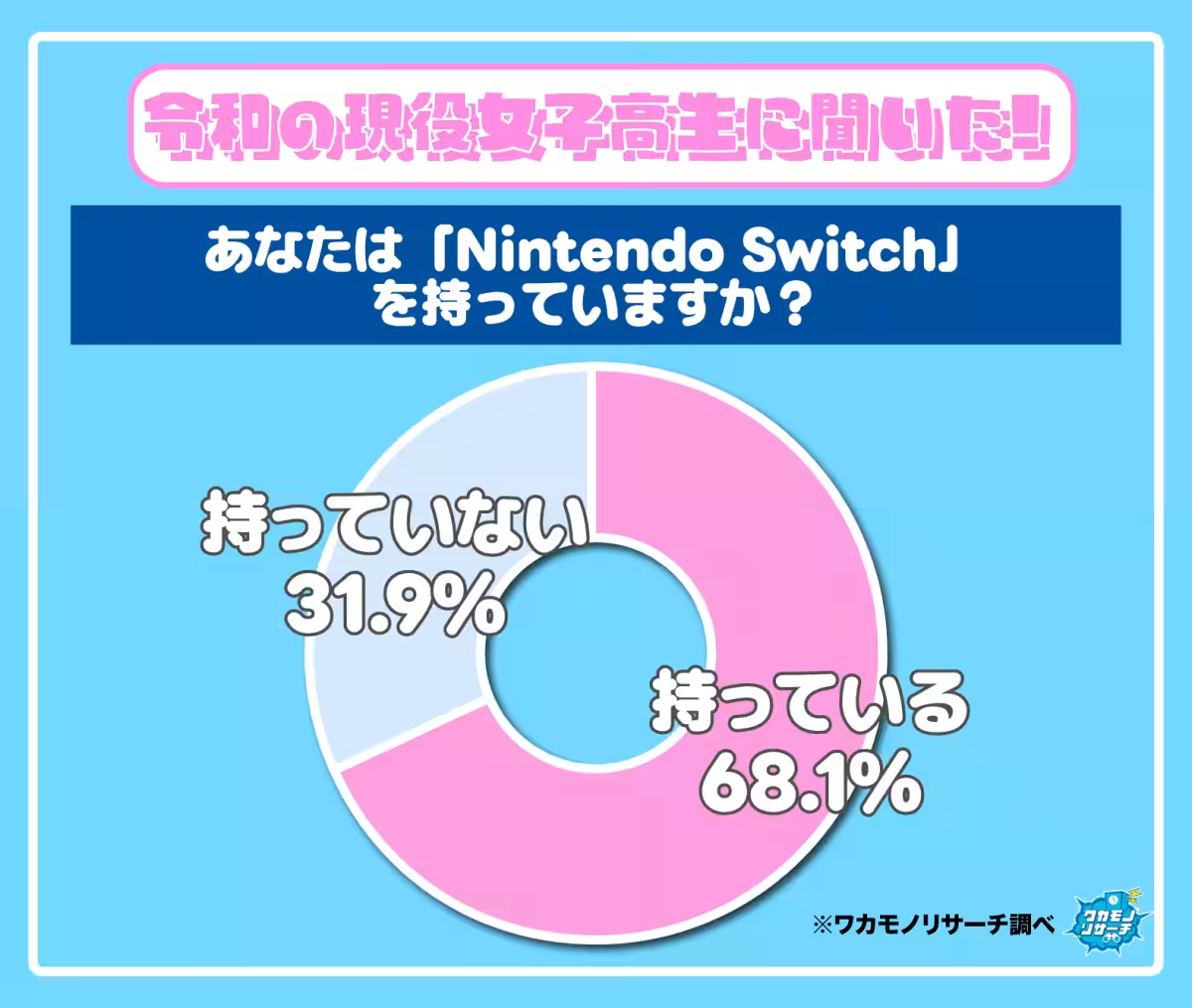
Turning to the girls' side, only 68.1% of female high school students own a Nintendo Switch, trailing their male counterparts by a notable margin. The reasons girls provided for acquiring the device mirrored some of the boys': many received their Switch as a birthday gift or for Christmas. However, it seems the Nintendo Switch has emerged as more than just a gaming device; instead, it has become a symbolic item tied to cherished childhood memories.
Girls expressed motivations like wanting to play popular games such as Animal Crossing and Splatoon, which further emphasize the impact of game availability when it comes to console ownership. Notably, an intriguing theme emerged regarding the COVID-19 pandemic, with numerous students mentioning that they received their Consoles during lockdowns as a way to cope with isolation and boredom, which speaks volumes about the console's role during troubling times.
On the flip side, 31.9% of girls reported not owning a Switch, presenting a stark contrast to boys. The predominant reason was a lack of interest in gaming. Many girls simply don't find gaming appealing, with comments revealing that they were content with their smartphones, which they viewed as sufficient entertainment devices. This demographic analysis highlights a growing trend where gaming preferences diverge between genders, with many girls favoring versatility offered by smartphones.
Conclusion: The Enduring Legacy of the Nintendo Switch
The findings from Wakamono Research suggest that while Nintendo Switch remains a fixture in the lives of many high school students, the reasons for ownership reflect broader changing preferences. For many boys, gaming is a fundamental aspect of their social life, while girls show a more nuanced relationship with devices, often influenced by social context and personal interests.
This survey shines a light on the evolving gaming landscape within Japan’s youth, and it raises intriguing questions about the future of gaming console relevance as younger generations navigate a digital world brimming with multiple entertainment options.
For further insights and a detailed look at the full range of survey results, visit Wakamono Research.
Topics Entertainment & Media)
【About Using Articles】
You can freely use the title and article content by linking to the page where the article is posted.
※ Images cannot be used.
【About Links】
Links are free to use.