



Tokyo University of Agriculture's Program on Sustainable Aviation Fuel Engages Students in Exploration
Tokyo University of Agriculture's Investigative Learning Program
The Tokyo University of Agriculture, in collaboration with ENEOS Corporation and Meitetsu Kanko Service Co., recently launched an investigative learning program aimed at middle and high school students. This initiative took place in Hokkaido, focusing on the critical theme of utilizing local agricultural products for Sustainable Aviation Fuel (SAF).
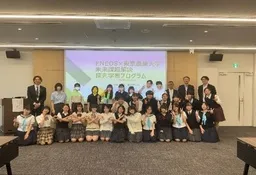
The program engaged 39 students from four institutions: Keisen Junior and Senior High School, Showa Junior and Senior High School, Tokyo Metropolitan Gardening High School, and Tokyo University of Agriculture High School. Students explored SAF, which has gained global attention amid the push for decarbonization.
Objectives of the Program
Investigative learning, as promoted by the Ministry of Education, encourages a multidisciplinary approach aimed at addressing real-world issues. The program aims to foster skills that enable students to consider their own life choices while solving problems effectively. Hokkaido's agricultural richness, with its high food self-sufficiency rate, served as a perfect backdrop for this exploration.
During the program, students learned about the potential of transforming food and agricultural waste into biomass for SAF production. They examined how local agricultural practices could align with sustainability goals and the global shift towards renewable energy sources.
Educational Initiatives Preceding Field Study
Before the main field study scheduled for August 25-28, 2025, students participated in preliminary classes provided by ENEOS to familiarize themselves with SAF concepts. This preparatory phase was crucial in ensuring a comprehensive understanding of the subject matter, setting the stage for the upcoming fieldwork.
The Field Study Experience
The field study in Hokkaido aimed to give students real-world exposure to local agriculture and its connection to biofuel production. Divided into interschool groups, students visited local farms and enterprises. They focused on three thematic areas:
1. Understanding the farming conditions of the Okhotsk area.
2. Discovering the relationship between agriculture and biofuel production.
3. Exploring the aviation industry's perspective on biojet fuel.
Through these visits and interactions with local farmers and business representatives, students gained valuable insights and a deeper understanding of the community's agricultural practices.
Presentations and Key Proposals
Following their field experiences, each group presented their findings and proposals to ENEOS. They took into account factors including Hokkaido's climate, social issues, current SAF policies, and potential competition with food resources. Some of the innovative materials suggested as SAF sources included:
- - Fish waste (including bones and entrails)
- - Sugar beets
- - Sweet corn
- - Sweet potatoes
- - Rice
- - Used cooking oil from households
- - Sunflower seeds
These proposals indicate a thoughtful consideration of sustainability and resourcefulness among the students, reflecting a strong commitment to addressing environmental issues.
Commitment to Sustainability
ENEOS, the Tokyo University of Agriculture, and Meitetsu Kanko Service are dedicated to promoting awareness and adoption of SAF and contribute to reducing greenhouse gas emissions. This program exemplifies their ongoing efforts towards achieving a sustainable society.
The program, devised and executed by ENEOS, Tokyo University of Agriculture, and Meitetsu Kanko, is part of ENEOS's initiative funded by the Tokyo Metropolitan Government to support the business implementation of biofuel usage.
Conclusion
The collaborative effort represents a significant step in engaging youth in sustainability discussions, illustrating the crucial link between education, agriculture, and the future of energy production. As students explore new avenues for using local resources, they gain invaluable skills and knowledge that could shape their futures and impact the world positively.
Topics Other)
【About Using Articles】
You can freely use the title and article content by linking to the page where the article is posted.
※ Images cannot be used.
【About Links】
Links are free to use.