



The Shifting Landscape of B2B Product Selection in the AI Era
The Changing Dynamics of B2B Product Selection in the Age of AI
Recent research conducted by AiOx Co., which specializes in SEO support in Japan, uncovers how the product selection process for B2B companies has evolved with the adoption of artificial intelligence (AI). In a survey of 437 employees and executives involved in B2B product selection, it was revealed that while traditional web searches remain the most popular method for sourcing information, AI searches have gained notable traction.
Key Findings of the Survey
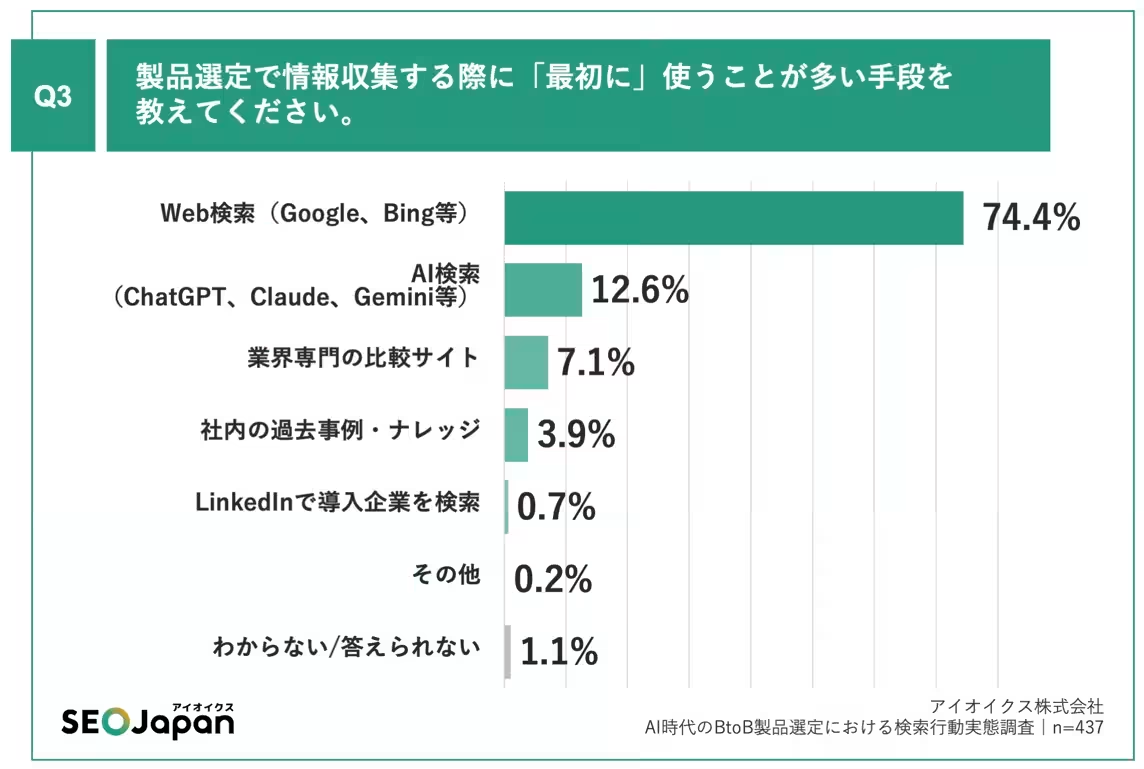
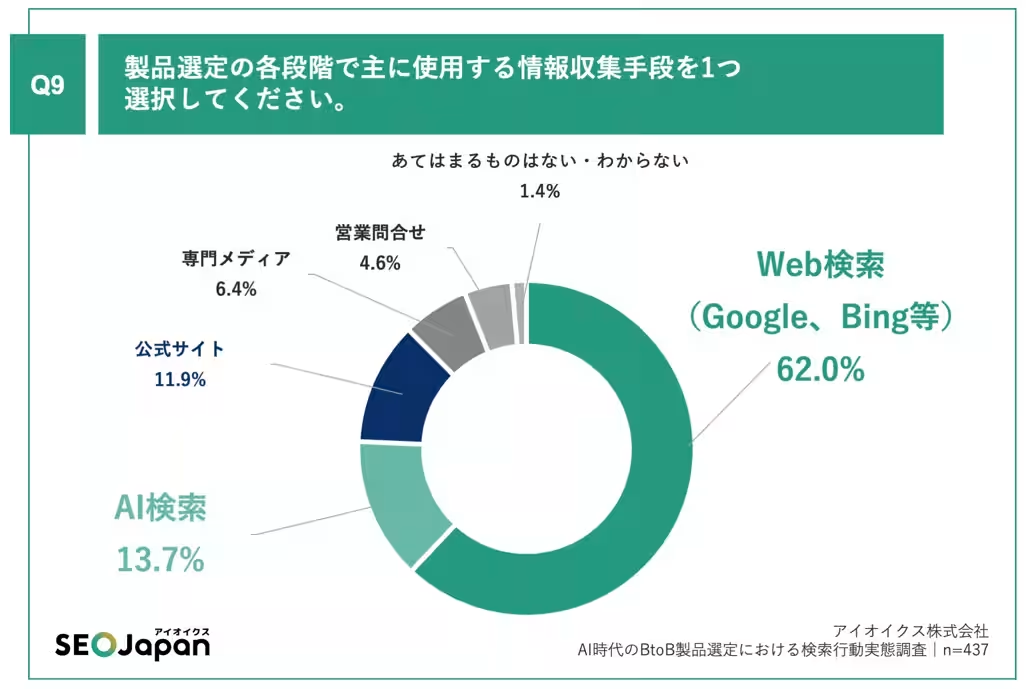
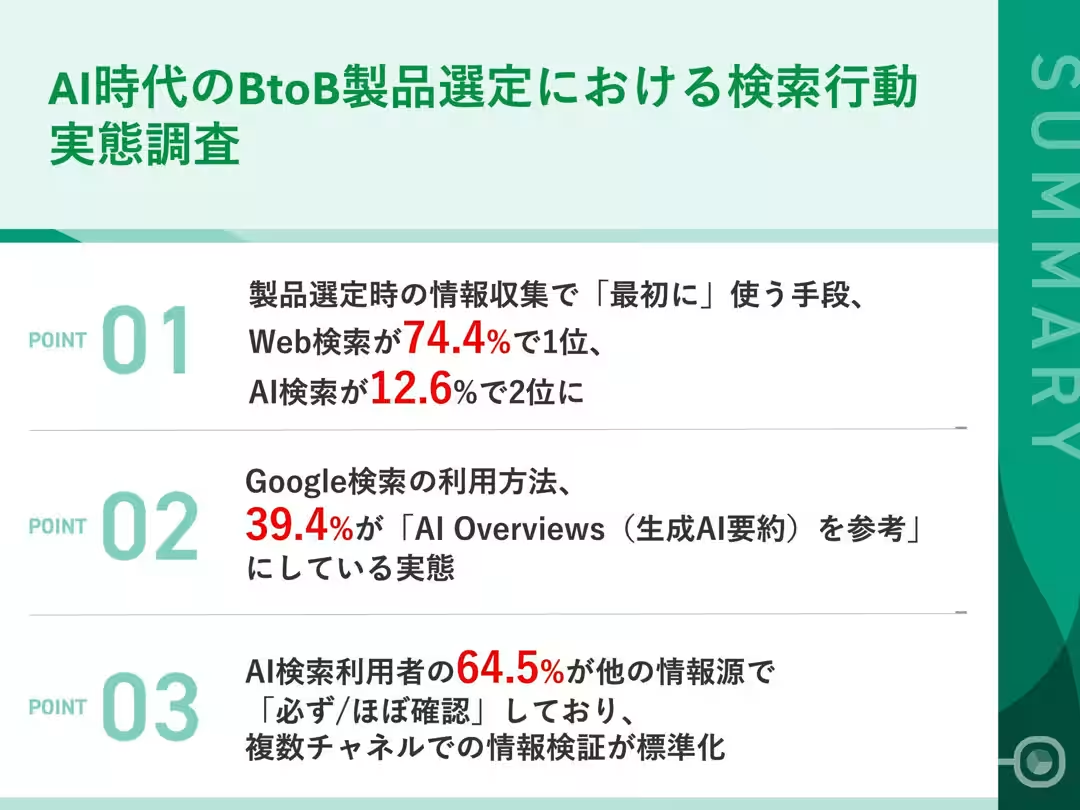
1. Initial Information Sources: In the early stages of product selection, 74.4% of participants reported utilizing web search as their primary source. This is consistent with the past, but the emergence of AI search tools like ChatGPT at 12.6% marks a significant shift in behavior.
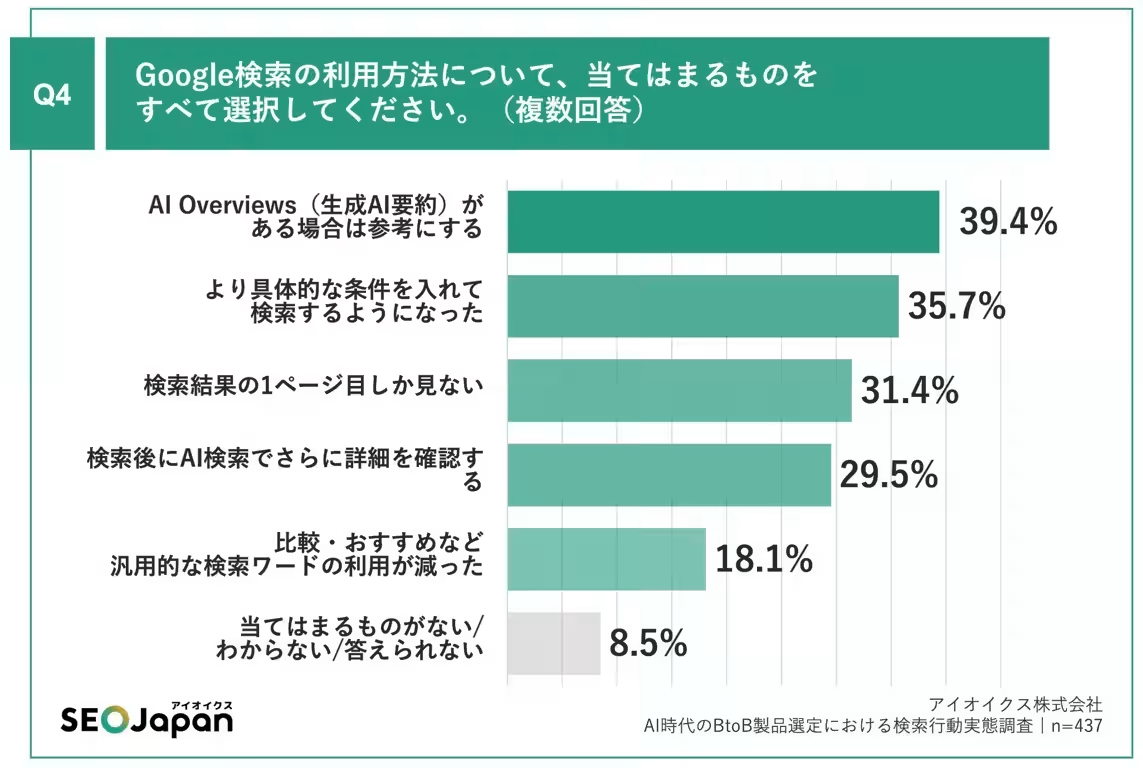
2. Utilization of Search Engines: Among users of Google, 39.4% indicated that they frequently refer to AI-generated summaries during their searches. This integration of AI tools into traditional search methods is creating a hybrid search environment.
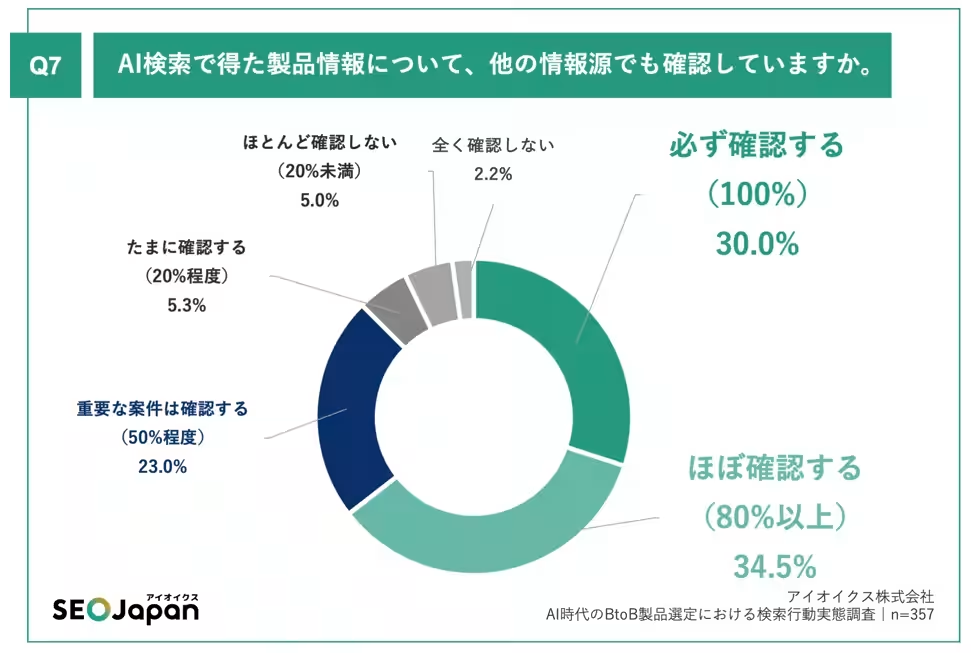
3. Verification of Information: A considerable 64.5% of respondents who utilize AI searches also reported that they often cross-reference findings with additional sources, underscoring a more cautious approach to information validation.
Detailed Survey Results
The survey, titled Search Behavior Trends in the Era of AI for B2B Product Selection, was conducted by IDEATECH and ran from August 20-21, 2025. Respondents included company employees and executives who have been involved in B2B product selection over the past five years.
The results highlight the methods used for information gathering during product selection:
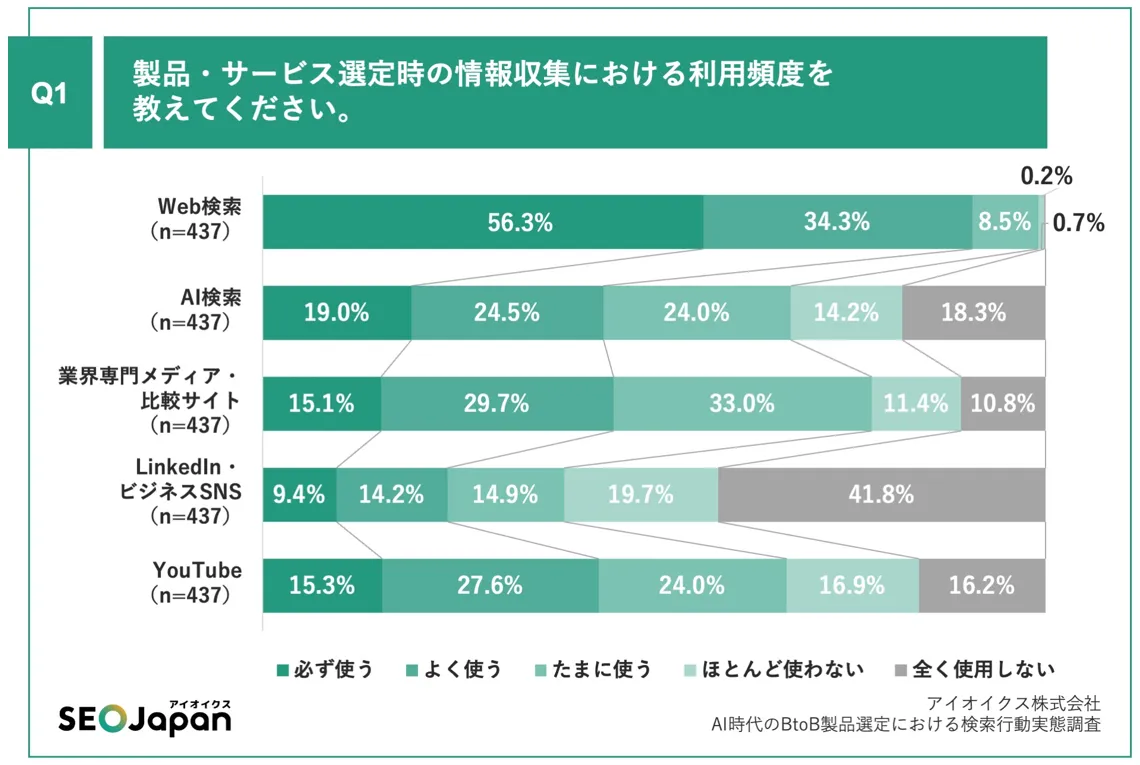
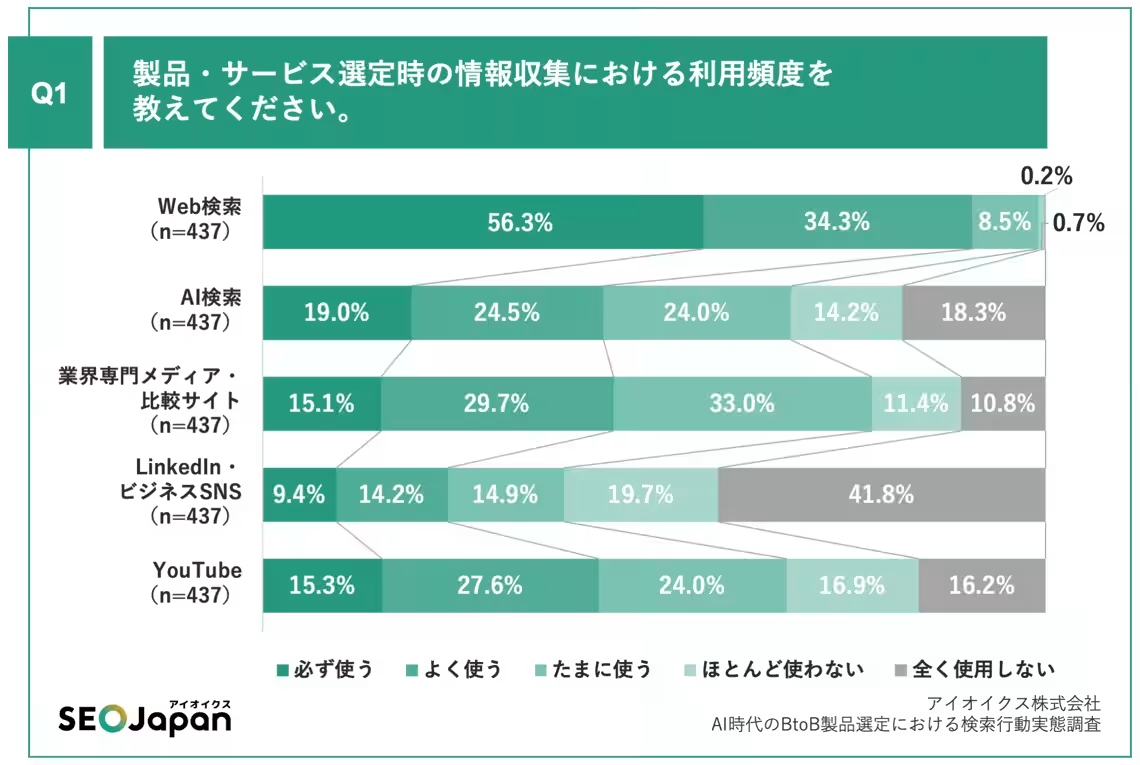
- - Web Search (Google, Bing): 90.6% of respondents indicated using web searches, with 56.3% stating they use it regularly.
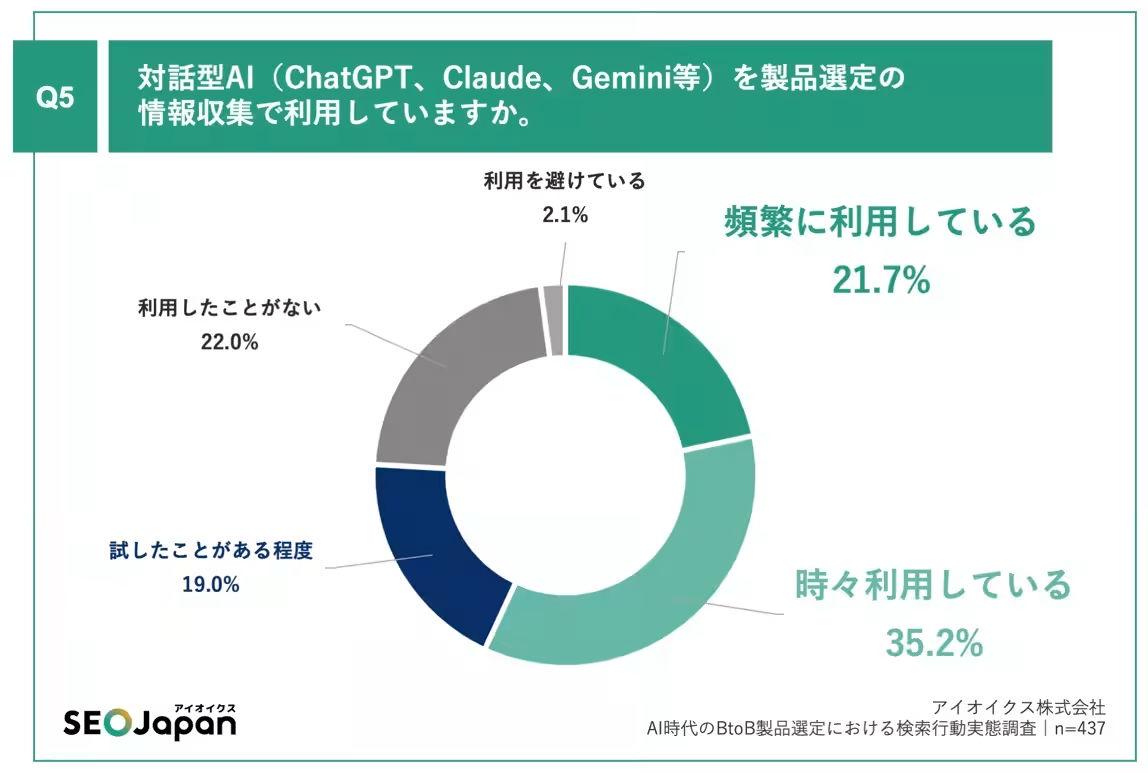
- - AI Search (ChatGPT, Claude, Gemini): 43.5% utilized AI search tools, with 19.0% using them consistently.
- - Industry-Specific Media and Comparison Sites: Only 15.1% rely on these resources regularly.
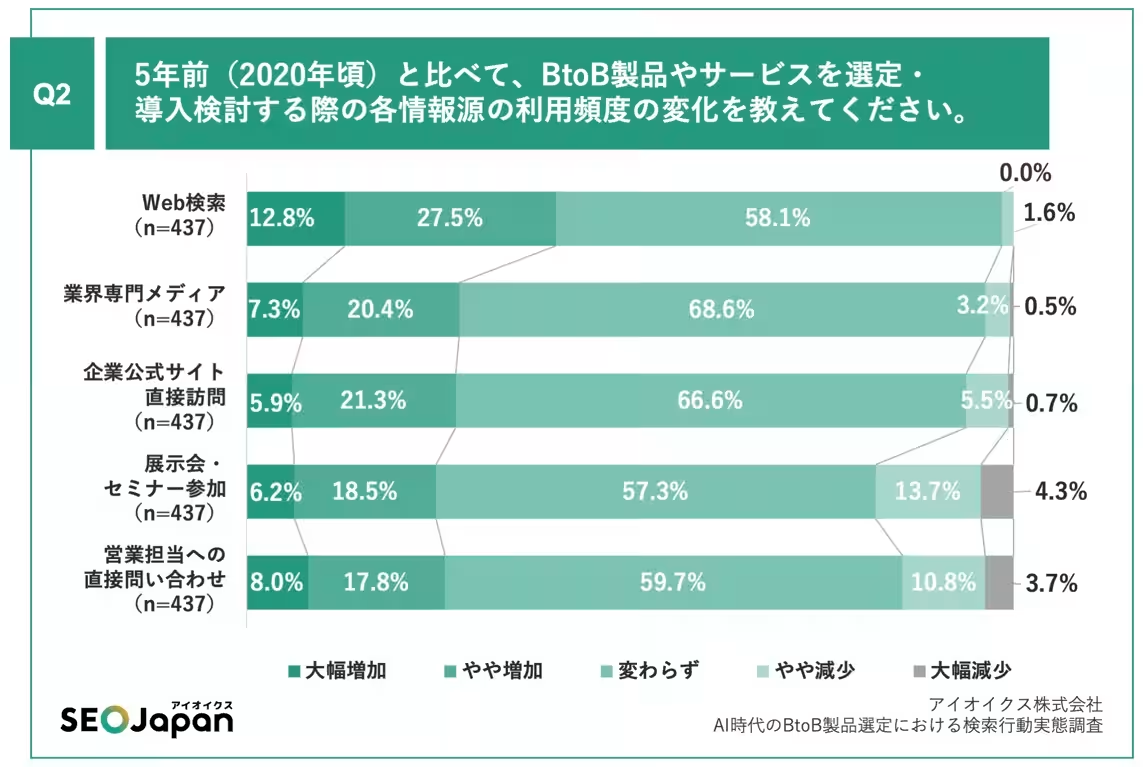
Furthermore, when asked about changes in the frequency of using various sources over the past five years, respondents affirmed an increase in web search utilization (40.3%). Direct inquiries to sales representatives have also seen a rise of 25.8%.
The Role of AI in Search Behavior
The data paints a picture of significant adaptation in search behavior due to technological advancements:
- - Initial Search Tools: When identifying preferred tools for initial searches, 74.4% favored web searches while AI searches were favored by 12.6%.
- - Enhanced Search Techniques: Around 35.7% of those surveyed reported that they have started incorporating more specific criteria in their searches due to the influence of AI technologies.
As the use of AI in business processes proliferates, it's essential to consider how these tools will continue to shape search behavior.
Caution and Reliability in Information Gathering
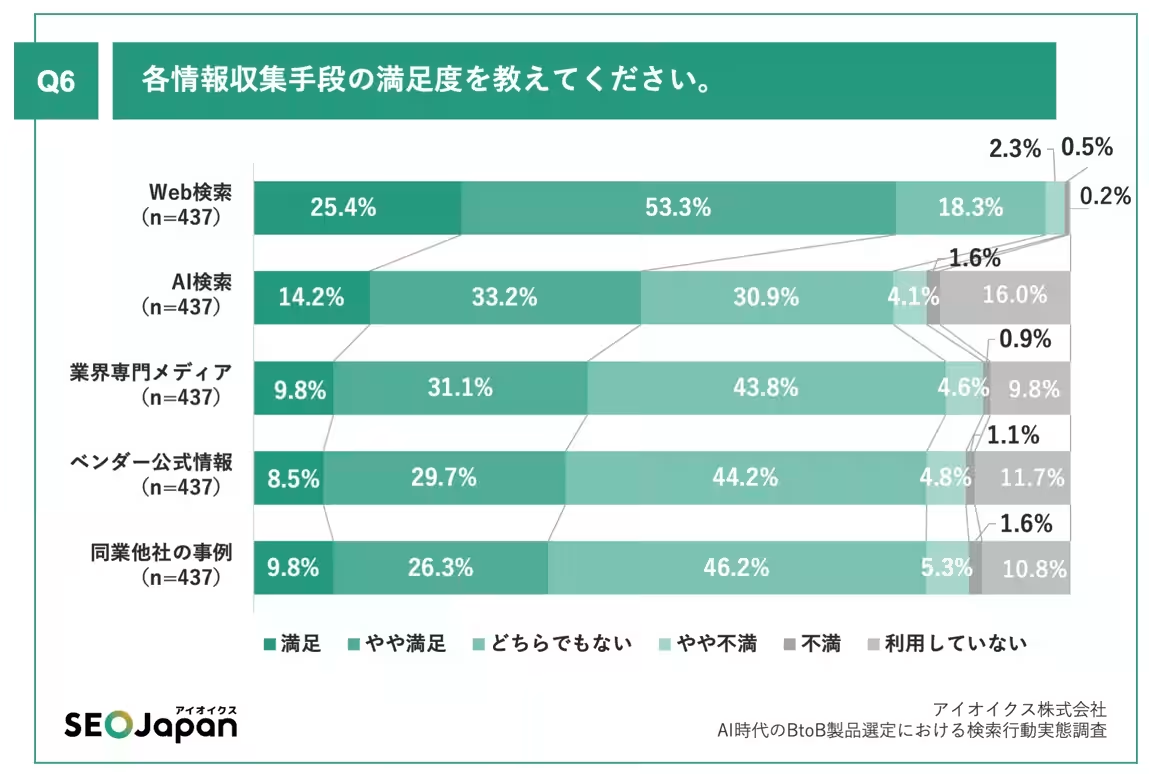
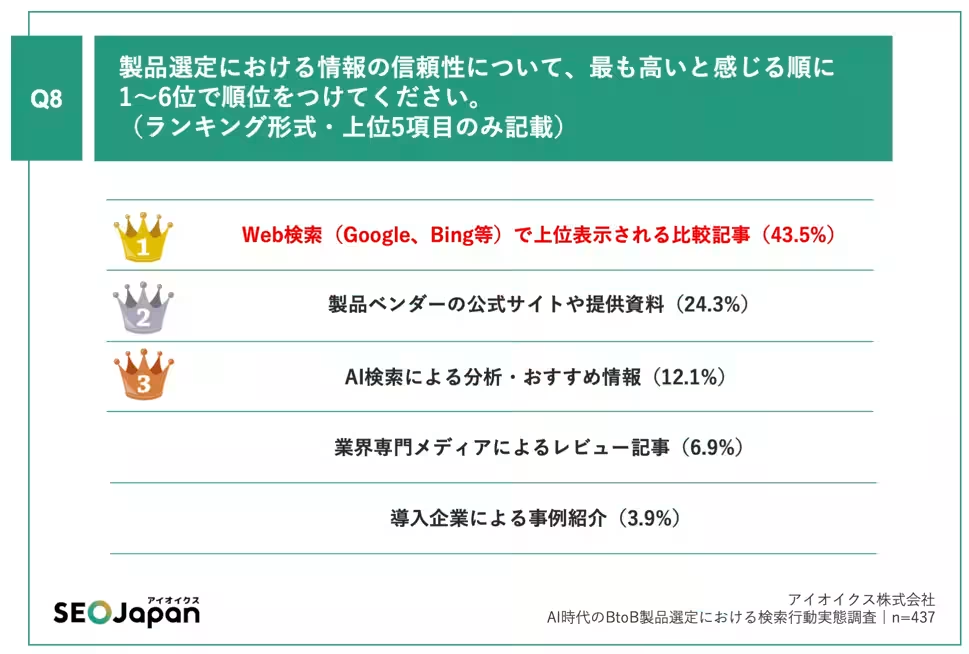
Respondents indicated a high level of trust in comparative articles ranked highly on search engines, with 43.5% perceiving these as the most reliable sources of information. In contrast, only 14.2% expressed trust in AI-generated analyses. These insights reflect a need for transparency and reliability in the budding landscape of AI-driven searches.
Overall, the surveyed executives and employees are expressing a desire for a robust, trusted information-seeking process that combines classic search methods with emerging AI technologies. The intersectionality of these tools signals a transformative approach to B2B marketing, demanding businesses not only adapt to but also embrace these technological changes.
Conclusion
The results from this survey elucidate the changing landscape of B2B product selection in the AI era. Web searches continue to dominate, yet the rise of AI searches suggests a blending of traditional and innovative methods that will shape the future of product selection strategies. The findings advocate for a balanced approach that emphasizes effective SEO strategies across both platforms, ensuring businesses can capture and engage their audiences optimally.
For further details and insights on this survey, visit SEO Japan.

Topics Business Technology)
【About Using Articles】
You can freely use the title and article content by linking to the page where the article is posted.
※ Images cannot be used.
【About Links】
Links are free to use.