



Consumer Trust in AI vs Human Recommendations: Insights from a Recent Survey
A Shift in Consumer Behavior: The Role of Humans in Decision-Making
In an age where artificial intelligence (AI) is increasingly integrated into everyday life, the reliance on human recommendations remains significant, especially when it comes to high-priced products and services. A recent survey conducted by Frontier Corporation, which operates the business matching service `Ready Crew`, illuminates the evolving dynamics of consumer decision-making in the AI era.
Survey Overview
The survey targeted 1,005 participants aged between 20 to 50 years, exploring the influence of AI on purchasing decisions and the perceived value of human input. The findings exhibited a stark contrast regarding trust in AI recommendations versus human judgment, particularly for expensive items.
Key Findings
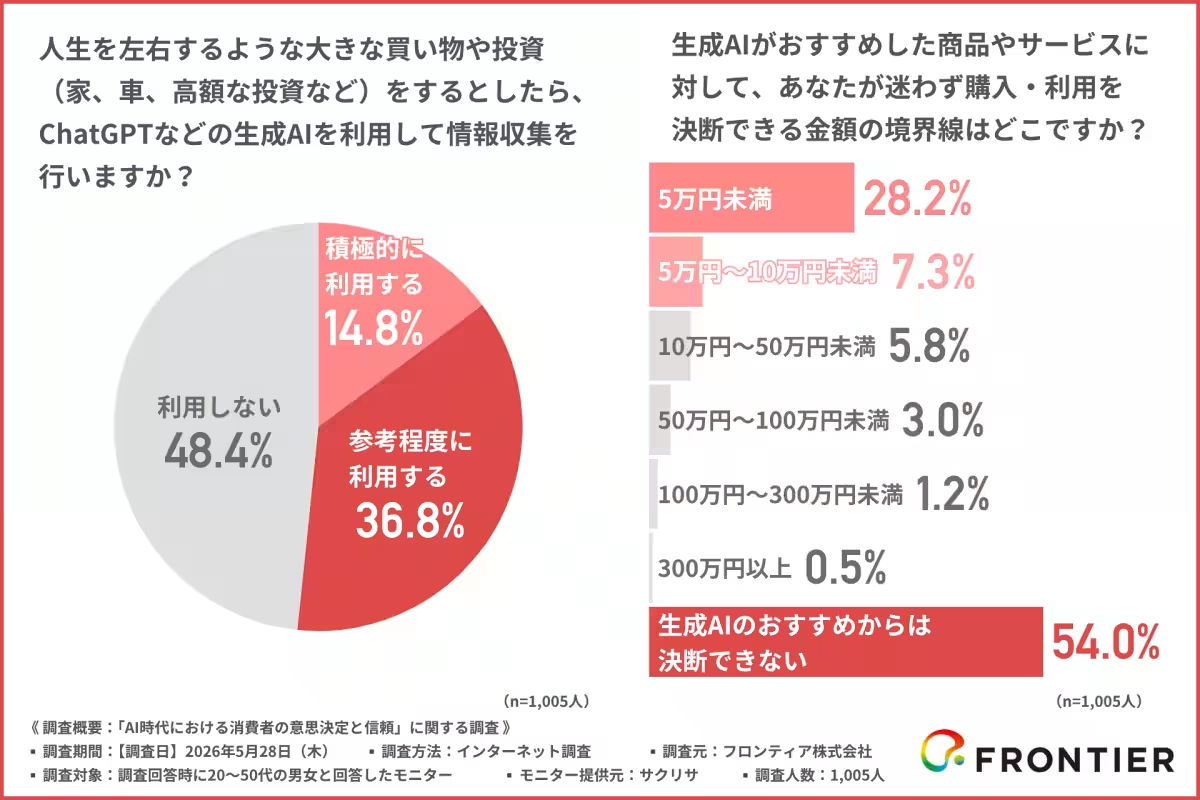
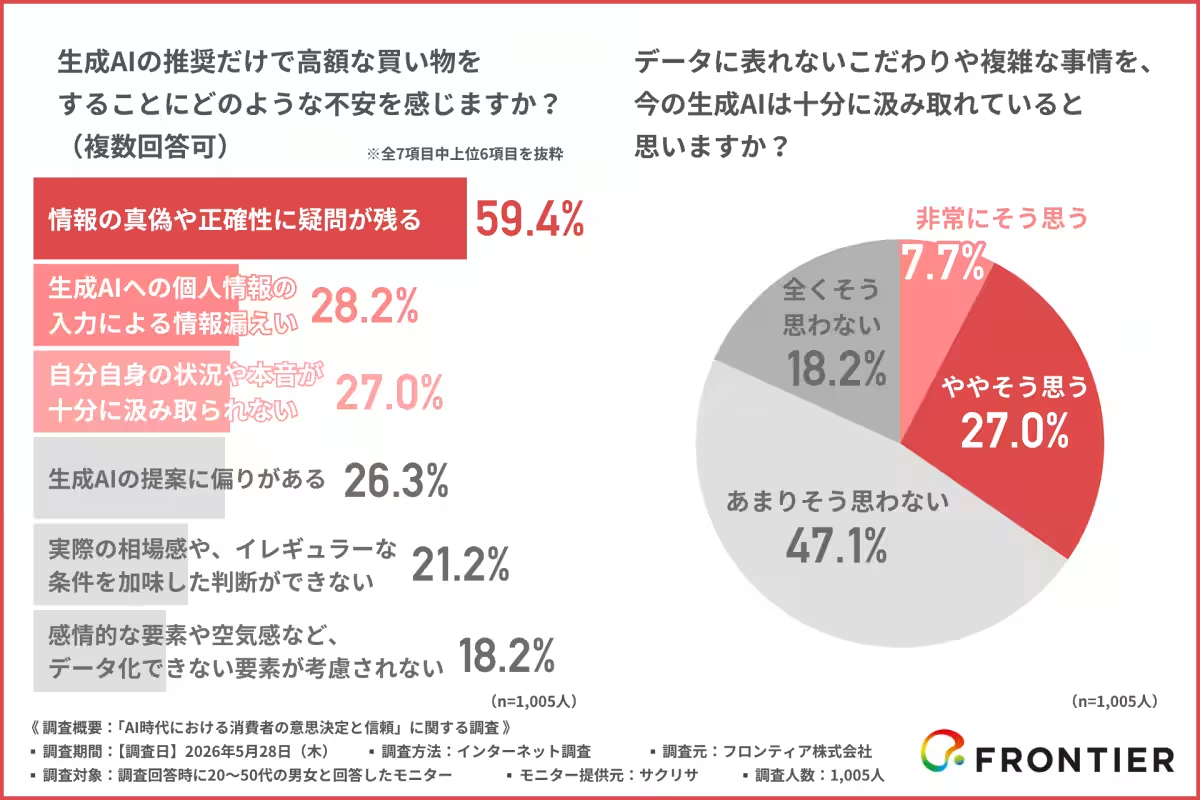
1. AI's Limitations: A staggering 54% of respondents indicated they could not confidently purchase or utilize products suggested by generative AI. Furthermore, 65.3% expressed skepticism about AI's ability to grasp the nuanced circumstances behind consumer choices, emphasizing a gap between data-driven suggestions and the complexities of human experience.
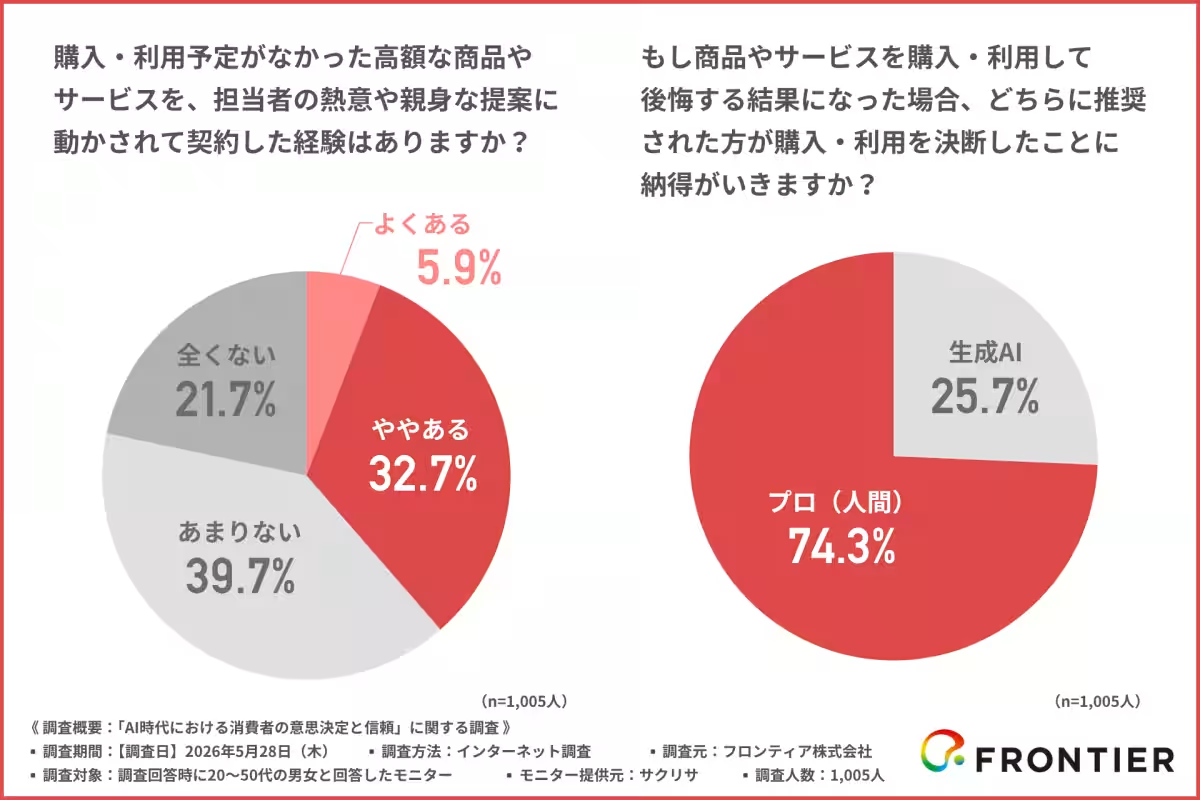
2. Influence of Human Insight: Notably, around 40% of respondents admitted to making high-value purchases influenced by the enthusiasm and personal touch of the sales representatives. This highlights that emotional intelligence and human interaction are pivotal in the buying process, as opposed to solely relying on algorithmic recommendations.
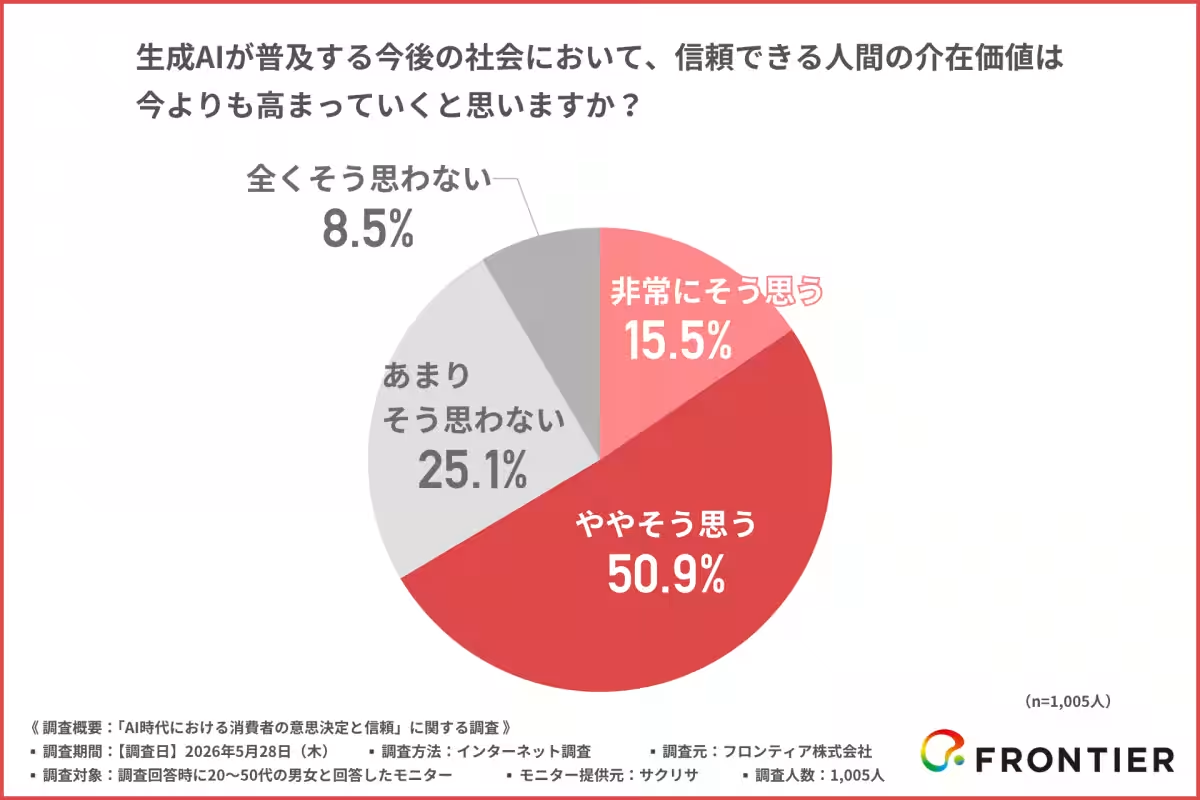
3. Foresight on Human Value: Looking ahead, an overwhelming 66.4% of participants believe that the value of human involvement in these transactions will only grow as AI technology becomes more prevalent. In cases of buyer's remorse, 74.3% stated they would prefer human guidance over AI suggestions, reinforcing the significance of accountability and personal connection.
Delving Deeper
The survey asked participants about their willingness to use AI when making significant financial commitments, such as purchasing a home or a car. Although a majority (51.6%) expressed some level of willingness to utilize AI for information gathering, only a small fraction (14.8%) would opt for AI as their primary source.
The reluctance to rely solely on AI stemmed from concerns about the accuracy of its recommendations. Participants pointed out a lack of trust in AI's ability to comprehend individual nuances and feelings that are not easily quantifiable.
This skepticism places a spotlight on the indispensable role of human expertise. Many respondents articulated specific aspects that only a human can fulfill, including the ability to read non-verbal cues, provide personalized insights, and handle complex emotional situations with care.
The Intrinsic Value of Human Connection
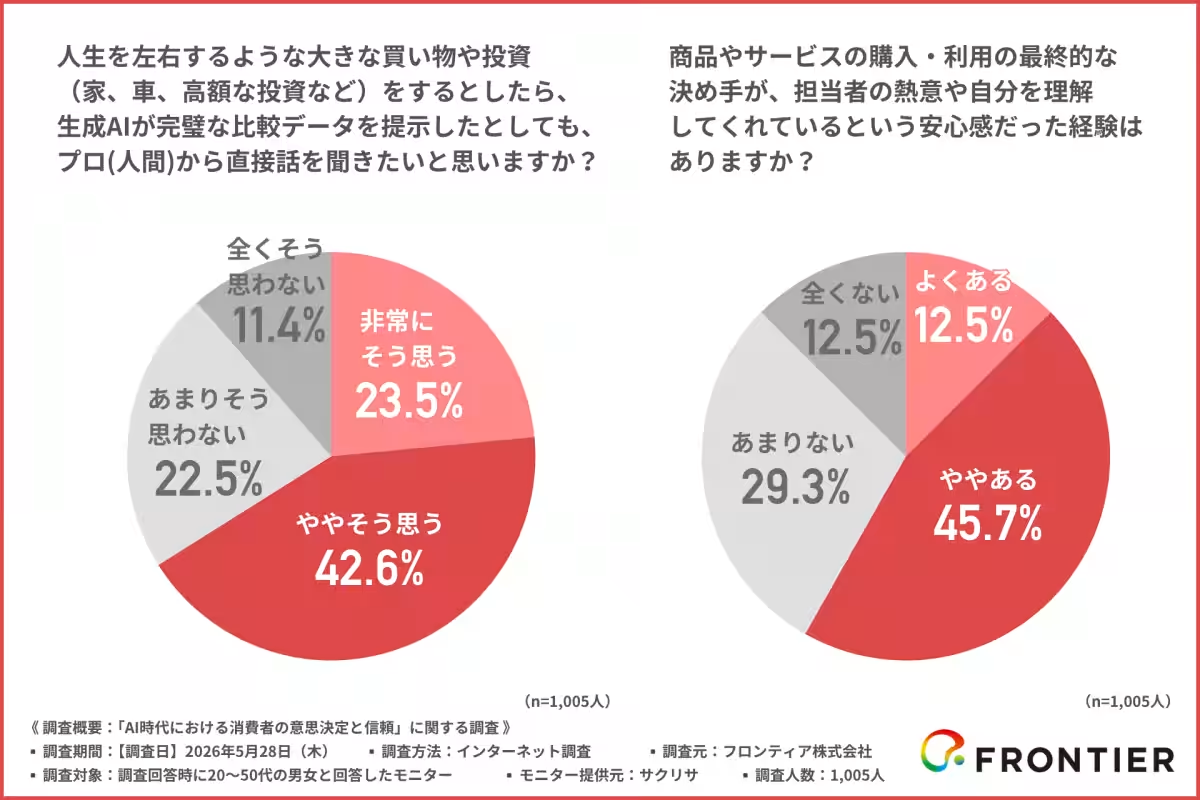
The survey results accentuate several consumer experiences, revealing instances where emotional connections made a profound impact on purchasing decisions. When asked if they ever felt swayed by a sales representative's commitment or understanding, 58.2% confirmed that it played a crucial role in their final decision.
Moreover, despite comfort with the prospect of AI-driven comparisons, 70% stated that they would prefer to hear from a human expert to validate their choices before committing to a significant financial investment. This suggests that, despite automation and technology's advantages, consumers still value the reassurance that comes from personal interaction.
Prognosis: Human Interaction Will Flourish
As AI tools continue to evolve, the insights gathered from this survey predict an increasing necessity for human interaction in decision-making processes. The anticipated rise in AI's knowledge does not diminish the need for empathy, understanding, and emotional intelligence—qualities that only humans can provide.
In conclusion, consumers' attitudes toward AI in the context of high-stakes decisions highlight a growing demand for human oversight, assurance, and personalized engagement. As our reliance on technology expands, so too will the critical value of human connection in navigating complex consumer choices. The key takeaway from this research is clear: in a world dominated by AI, the need for trustworthy, human intermediaries will remain indispensable.
About the Survey
- - Survey Name: Consumer Decision-Making and Trust in the Age of AI
- - Conducted On: May 28, 2026
- - Methodology: Online survey via PRIZMA
- - Respondents: 1,005 individuals aged 20-50
- - Source: Frontier Corporation
About `Ready Crew`
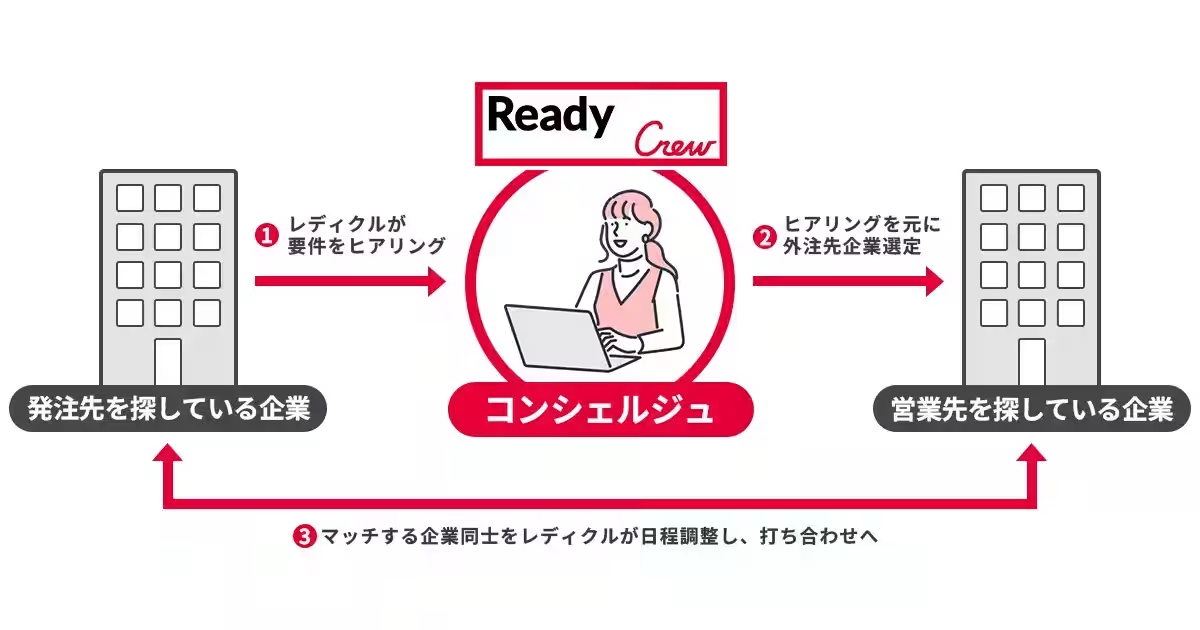
Frontier Corporation not only conducted this impactful research but also operates `Ready Crew`, a specialized business matching service. With a solid track record of over 110 billion yen in annual budgets and 140,000 matching cases, they focus on providing tailored solutions to complex business needs by leveraging both AI and human insights for optimal results.
For more information about `Ready Crew` and how it can support your business endeavors, visit Ready Crew.
Topics Consumer Products & Retail)
【About Using Articles】
You can freely use the title and article content by linking to the page where the article is posted.
※ Images cannot be used.
【About Links】
Links are free to use.