



Revised Release of 'Signboard Architecture: Shops and Life in Showa' Set for December 26, 2025
A New Look at Timeless Tales of Showa Era
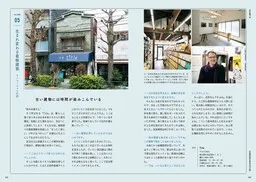
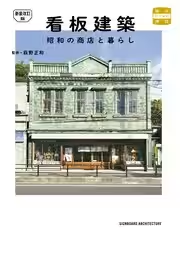
On December 26, 2025, a newly revamped edition of the book "Signboard Architecture: Shops and Life in Showa" will hit the shelves. This is the first installment in the <味なたてもの探訪> series, published by Tou Virgins, a company based in Chiyoda, Tokyo. The series delves into architecture's role in shaping community and lifestyle, with this edition boasting a fresh visual exploration of the spaces that once thrived during the Showa era.
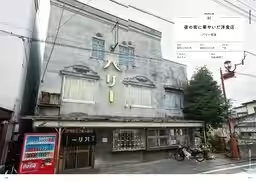
Originally released in 2019, the book has seen multiple reprints due to its popularity. The revised edition brings in new research, featuring notable locations such as the iconic "Midori-ya" in Yokosuka and the renowned signboard architecture district in Ishioka. Additionally, there is an updated investigation into the celebrated "Pari Shokudo" in Chichibu, which gained attention during its crowdfunding campaign.
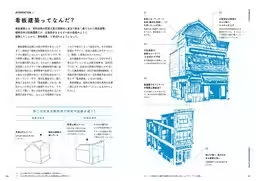
What is Signboard Architecture?
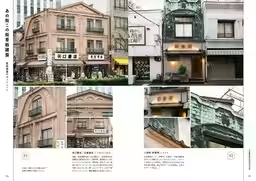
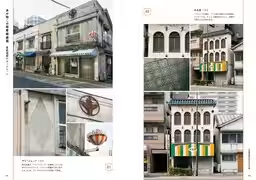
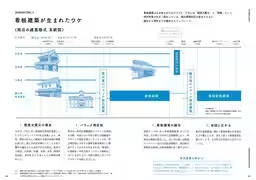
Signboard architecture is a term coined by architect Terunobu Fujimori, referring to a form of mixed-use building that combines commercial space and residential living. Emerging primarily in the recovery period following the Great Kanto Earthquake, these timber structures typically rise two to three stories and feature fire-resistant materials like copper sheets, mortar, and tiles that adorn their fronts. The design expresses the essence of the era while also standing as a tribute to local commerce.
Fujimori himself has endorsed this book, and it provides insight into a world that many of us have forgotten—where individual stores such as stationery shops, flower shops, barbers, and sweet shops filled the streets of downtown Tokyo, contributing to the vibrant life of the city.
"This book encapsulates a world that we must not forget as we navigate urban life in the 21st century," remarks Fujimori.
Inside the Pages of the Book
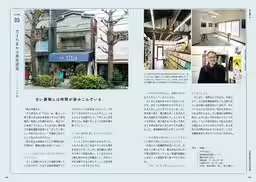
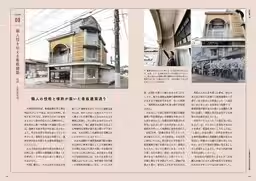
The book comprises interviews with proprietors of signboard architecture businesses primarily located in the Kanto region. It powerfully illustrates how the lives and trades of these individuals are intertwined, showcasing 11 distinct stories of residences that embody the "signboard lifestyle." Readers will gain a profound understanding of the period’s lifestyle and the sentiments of its people through their narratives.
Featured Interviews:
1. Pari Shokudo (Chichibu) - A vibrant Western-style restaurant illuminating the night.
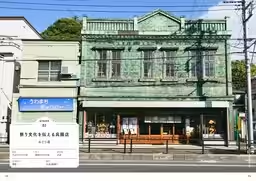
2. Midori-ya (Yokosuka) - A cloth shop preserving cultural festival traditions.
3. Edo-ya (Nihonbashi) - A brush shop facilitating cutting-edge techniques.
4. Ippuji (Tsukiji) - A dish shop expanding globally from Tsukiji.
5. Bansei Fruit Parlor (Closed, Nihonbashi) - An old café beloved by Tokyo University students.
6. Okamasa Urabuchi Button Store (Kanda) - A textiles supplier aiding tailoring.
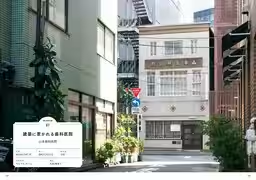
7. Yamamoto Dental Clinic (Kanda) - An enchanting dental practice with a focus on architecture.
8. Tobatan Yakuza (Nishi-Tama) - A barber shop that feels like home.
9. Yuasa Sogo Bussan Kan (Kamakura) - A complex commercial facility that marks time on the approach.
10. Hoshino Photography Studio (Kamakura) - A studio bathed in seaside light.
11. Takara-yu (Chichibu) - A local bathhouse that relaxes both body and soul.
An Archive of Nostalgia
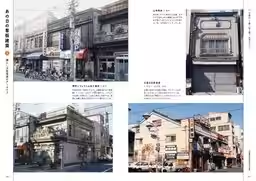
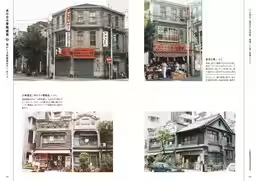
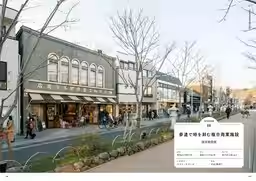
The book includes a photographic archive that captures the essence of Showa life through both extant buildings and those that have vanished. Readers can reflect on the charm of yesteryears with images of signboard architecture that showcase not only surviving structures but also businesses that have sadly closed or been demolished. A comprehensive list of existing locations is included, allowing enthusiasts of cultural heritage to explore these treasures.
Photo Archive Highlights:
- - Chuo Ward: Nihonbashi Area
- - Chuo Ward: Ginza, Tsukiji, Shintomi-cho, and more
- - Bunkyo Ward: Nezu and Hongo areas
- - Kanda Area: Chiyoda Ward
- - Taito Ward: Ueno Area
- - Festivals and Signboard Architecture in Tokyo
In-Depth Columns
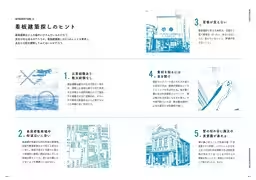
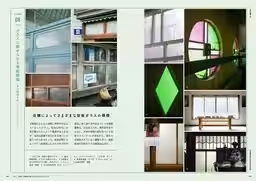
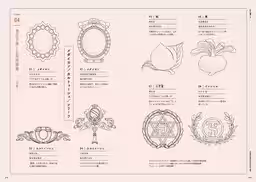
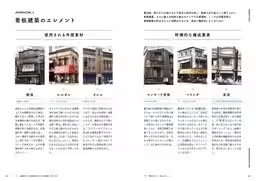
To enrich the reading experience, columns on various topics related to signboard architecture are included. From heartfelt stories of beloved shops preserving culinary traditions to explorations of rare antique glass and renovation experiences, the book seeks to evoke a deeper appreciation for a unique architectural vernacular. Readers will encounter collections of shop names, detailed illustration of architectural elements, and discussions of the significance of surviving signboard architecture through the lens of local artisans.
Book Details
Title: Revised Edition of "Signboard Architecture: Shops and Life in Showa"
Supervised by: Masakazu Haginou
Price: 2,400 yen (2,200 yen + tax)
Specifications: A5/ paperback/ 208 pages/ full color
ISBN: 978-4-86791-069-6
Release Date: December 26, 2025 (note: release may vary by region)
Publisher: Tou Virgins
Topics Consumer Products & Retail)
【About Using Articles】
You can freely use the title and article content by linking to the page where the article is posted.
※ Images cannot be used.
【About Links】
Links are free to use.