


Lion Corporation's Innovative Use of Modal Combination: A Future of Sustainable Logistics
Lion Corporation's Groundbreaking Modal Combination Transport Test
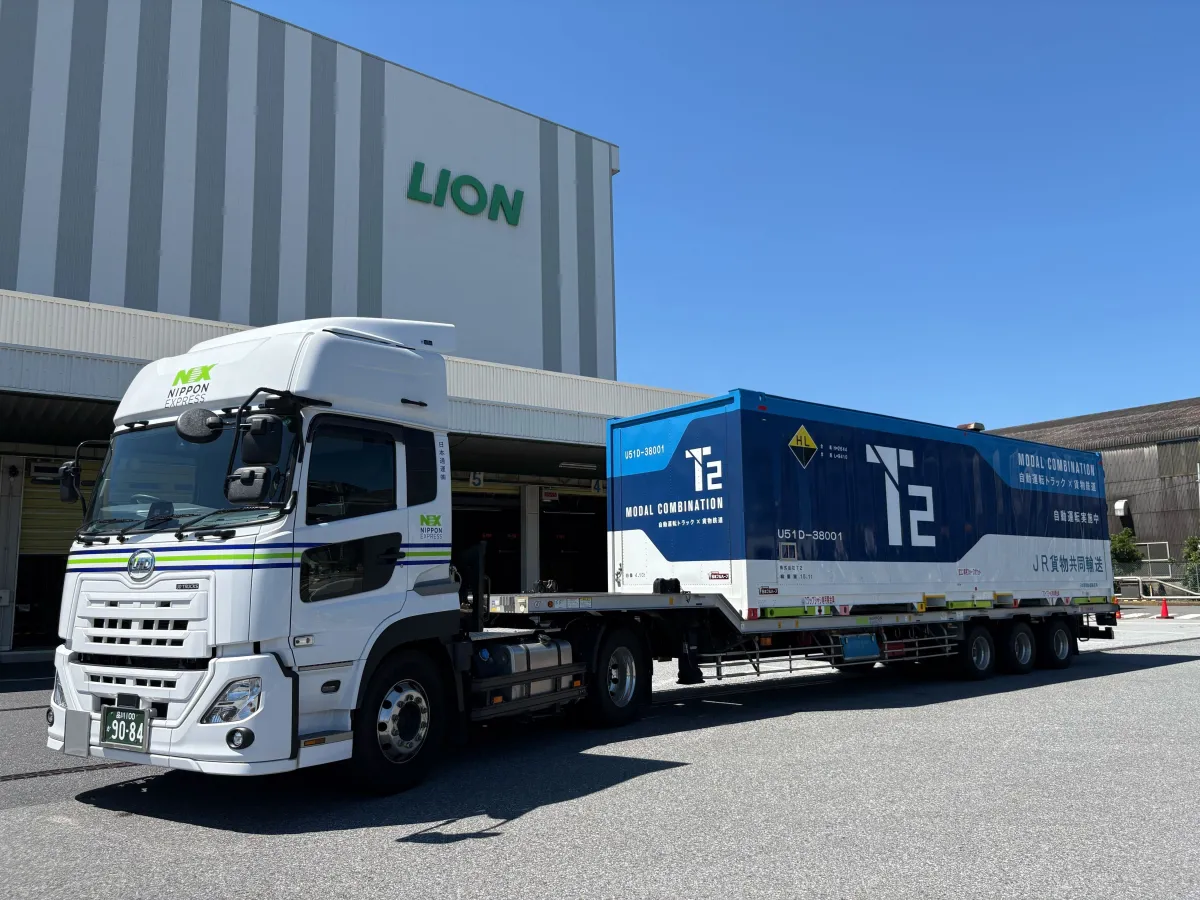
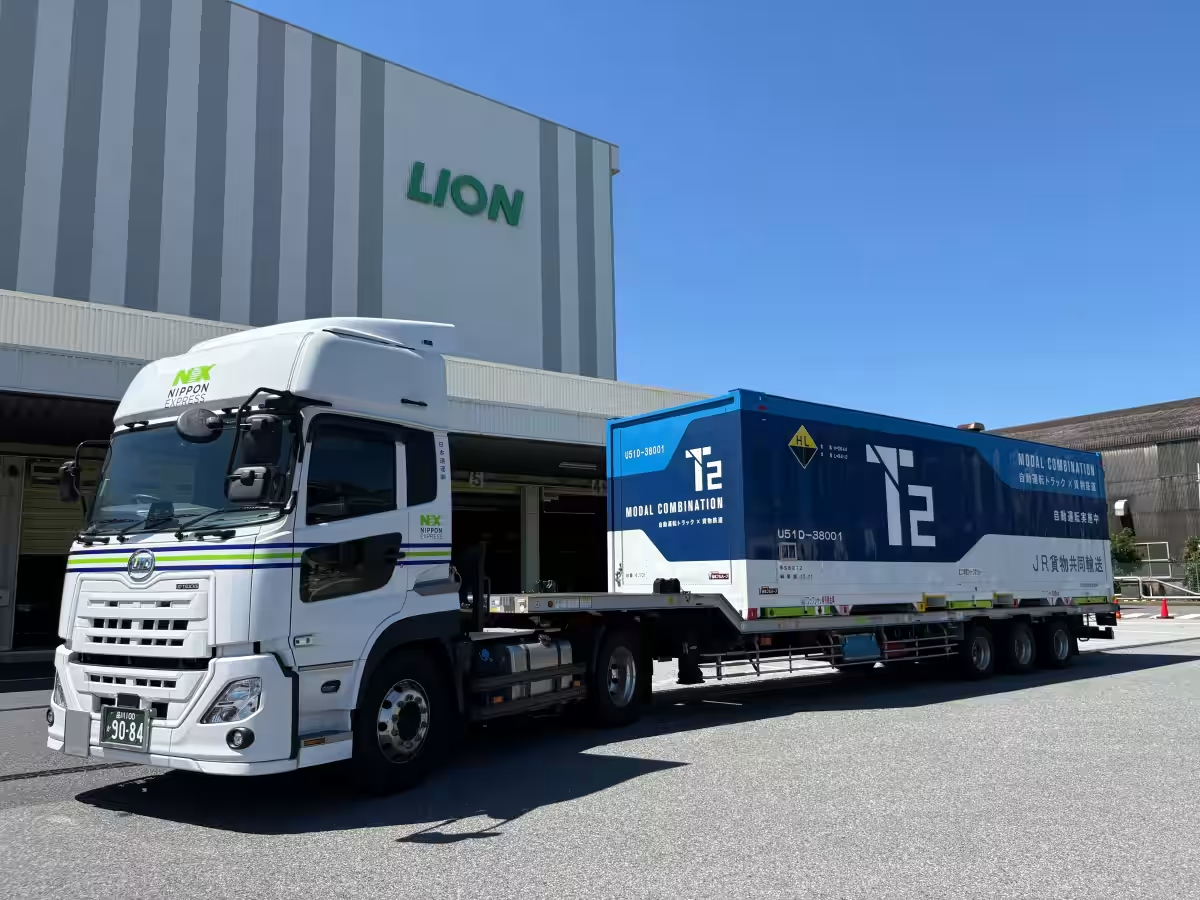
On July 29, 2025, Lion Corporation, in collaboration with several industry partners including Nippon Express Holdings, Japan Freight Railway Company (JR Freight), and T2, successfully carried out a groundbreaking transport test, leveraging a modal combination transport method that integrates autonomous trucks with freight trains. This initiative not only pioneers a new era for logistics but also addresses crucial environmental issues and workforce shortages within the industry.
What is Modal Combination?
The concept of modal combination revolves around optimizing the synergy between various transport modes to enhance logistical efficacy. This specific project began in November 2024 as a response to the pressing need for sustainable logistics solutions amid growing concerns about the climate crisis and labor shortages. By combining the extensive national network of freight rail transport with T2's state-of-the-art autonomous trucking technology, the partners aim to create more efficient delivery methods, increase transportation flexibility, and improve the overall quality of logistic services.
Overview of the Demonstration
Lion Corporation is committed to ensuring a stable and sustainable supply of everyday consumer products. As part of its Business Continuity Plan (BCP), the company is diversifying its supply network and incorporating advanced technology to tackle both environmental and societal challenges. The recently conducted test transported Lion products over a long distance from the Lion Chiba Factory to the Lion Fukuoka Distribution Center.
During the demonstration, a shared 31-foot container, co-developed with T2 and JR Freight, was utilized. This aimed to validate transportation quality, operational procedures, and assess environmental impacts throughout the journey.
Breakdown of the Transport Process
The transport was divided among the companies as follows:
- - Nippon Express: Managed the transport from Lion’s Chiba Factory to Tokyo Freight Terminal.
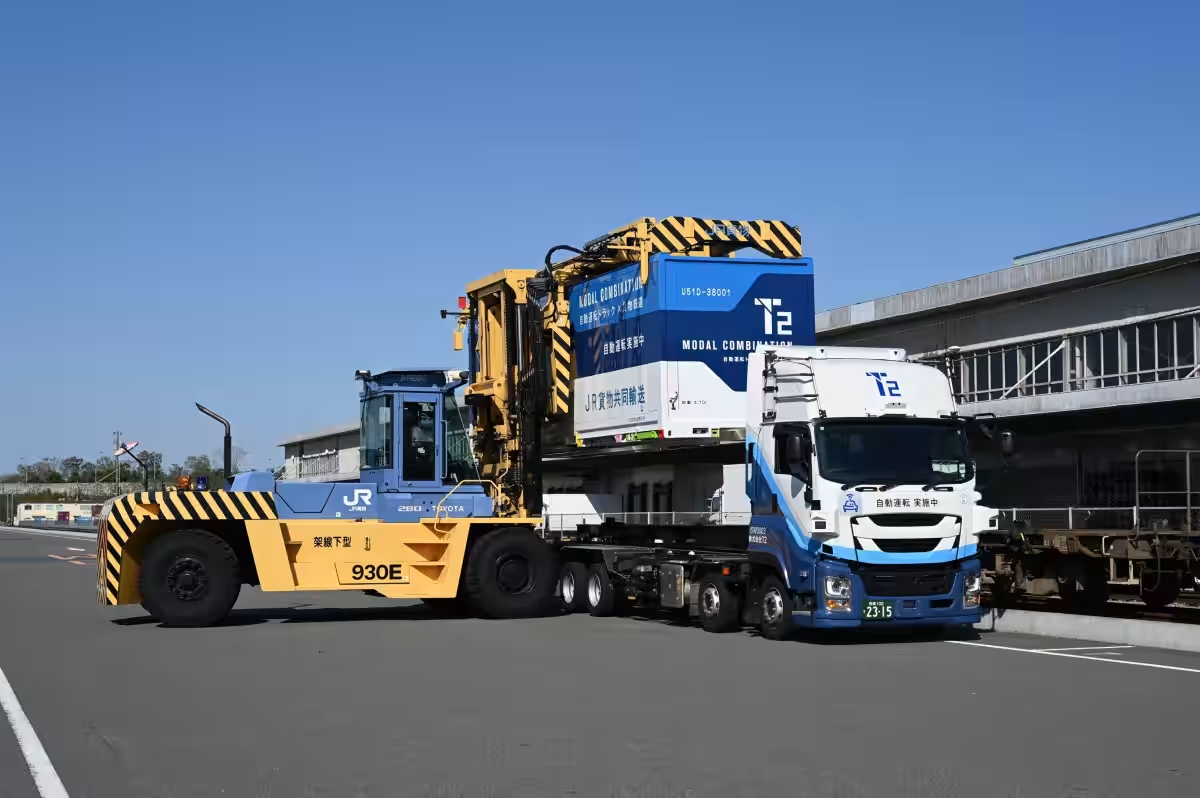
- - T2: Used their level-2 automated trucks to carry goods from Tokyo Freight Terminal to Hakutsui Freight Terminal.
- - JR Freight: Transported from Hakutsui Freight Terminal to Fukuoka Freight Terminal using freight trains.
- - Nippon Express: Completed the final leg from Fukuoka Freight Terminal to the Lion Fukuoka Distribution Center.
Timeline and Participation
Implementation Period
From July 29 to July 31, 2025.
Key Route and Company Involvement
- - Nippon Express: Responsible for the trucking segments at both ends of the route.
- - T2: Focused on autonomous truck deployment on highways and local roads.
- - JR Freight: Managed the rail components of the journey.
Key Objectives of the Demonstration
The main goals included:
- - Assessing the transfer operations of the shared containers from T2’s trucks to freight trains.
- - Verifying a seamless operation across the Kanto to Kyushu route.
- - Evaluating the quality of transport, particularly in segments involving autonomous trucks.
Successful Outcomes
The demonstration was a success, with the T2 autonomous truck completing a 410-kilometer trip between Ayase Smart Interchange and Kumiyama Junction without any delays. Upon reaching the Lion Fukuoka Distribution Center, there were no reports of cargo damage or operational issues. The entire process was completed over about 1.8 days, aligning perfectly with initial projections.
Future Prospects
Looking ahead, the four partners will explore further enhancements including the introduction of level-4 autonomous trucks that T2 plans to launch in 2027. This initiative aims to bolster BCP adaptability and expand transport capabilities, reflecting a commitment to ongoing innovation in logistics.
For further information, visit the respective company websites:


Topics Consumer Products & Retail)


【About Using Articles】
You can freely use the title and article content by linking to the page where the article is posted.
※ Images cannot be used.
【About Links】
Links are free to use.