



Sumitomo Forestry's Innovative Bioethanol Project in Vietnam Receives Funding
Sumitomo Forestry's New Initiative in Vietnam
Sumitomo Forestry Co., Ltd. has recently been awarded funding for an innovative project aimed at producing bioethanol sugar from agricultural waste in Vietnam. Announced in early February, this initiative is part of the Japanese government's Global South Futuristic Collaboration Grant Program for the fiscal year 2024, and the decision to disburse funds was made on April 3rd.
Project Overview
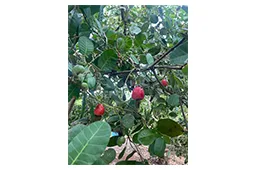
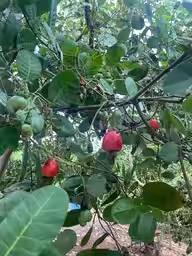
The project titled "Research on the Production of Bioethanol Sugar from Agricultural Residues in the Socialist Republic of Vietnam" tackles the underutilization of resources and waste in the country. The focus is on leveraging agricultural byproducts, particularly cashew apples, to develop sustainable energy solutions. This aligns with global efforts to establish a decarbonized society while promoting economic growth.
The initiative aims to explore the feasibility of creating a business model that can integrate a circular economy into the agricultural sector by transforming waste into valuable biofuel resources.
Importance and Context
Vietnam is a prominent producer and processor of cashews; however, a significant portion of byproducts from cashew harvesting, especially cashew apples, is typically discarded. This project responds to the growing mandate for blending bioethanol with gasoline, which will be enforced in Vietnam from June 2026. Securing sustainable and stable sources of bioethanol from non-food raw materials is becoming increasingly critical.
The research is set to continue until February 2027, employing cutting-edge biomass utilization and sugar manufacturing technologies from Japan to promote the goal of achieving a decarbonized society.
Research Focus
The project will conduct several investigations, including:
- - Assessment of Agricultural Residues: Collection and quality characteristic studies of cashew apples, which are an unused agricultural byproduct.
- - Production Processes: Verification of the manufacturing process and quality of bioethanol sugar.
- - Valuation of Byproducts: Evaluation of the potential for utilizing byproducts as biodiesel and sustainable aviation fuel (SAF).
- - Supply Chain Analysis: Comprehensive assessment of the business viability from raw material procurement to product sales.
Innovative Material Utilization
In conjunction with this project, Sumitomo Forestry's group company, Vina Eco Board, has been producing particle boards from aged cashew trees that are no longer productive (approximately 20-30 years old). By additionally exploring the effective utilization of cashew apples, the project aims to expand the cascading utilization of cashew wood, maximizing resource efficiency while enhancing added value.
Sumitomo Forestry operates a global business focused on the entire wood value chain—from forest management to the manufacturing and distribution of wood materials and building houses. The company aims to contribute to climate change mitigation and promote carbon fixation through wooden architecture as part of its long-term vision, "Mission TREEING 2030."
By ensuring the sustainability of the forestry industry, Sumitomo Forestry strives to increase CO2 absorption in forests while encouraging the use of wood and wood-derived materials in construction, ultimately accentuating efforts in the global push for decarbonization.
In summary, Sumitomo Forestry's latest endeavor underlines the potential of innovative agricultural practices and sustainable energy solutions. The project represents a significant step toward a greener future by turning agricultural waste into resources that can benefit the environment and local economies alike.
Topics Environment)
【About Using Articles】
You can freely use the title and article content by linking to the page where the article is posted.
※ Images cannot be used.
【About Links】
Links are free to use.