



Over 60% of Foreign Workers Aspire to Build Long-Term Careers in Japan
Increasing Numbers of Foreign Workers in Japan
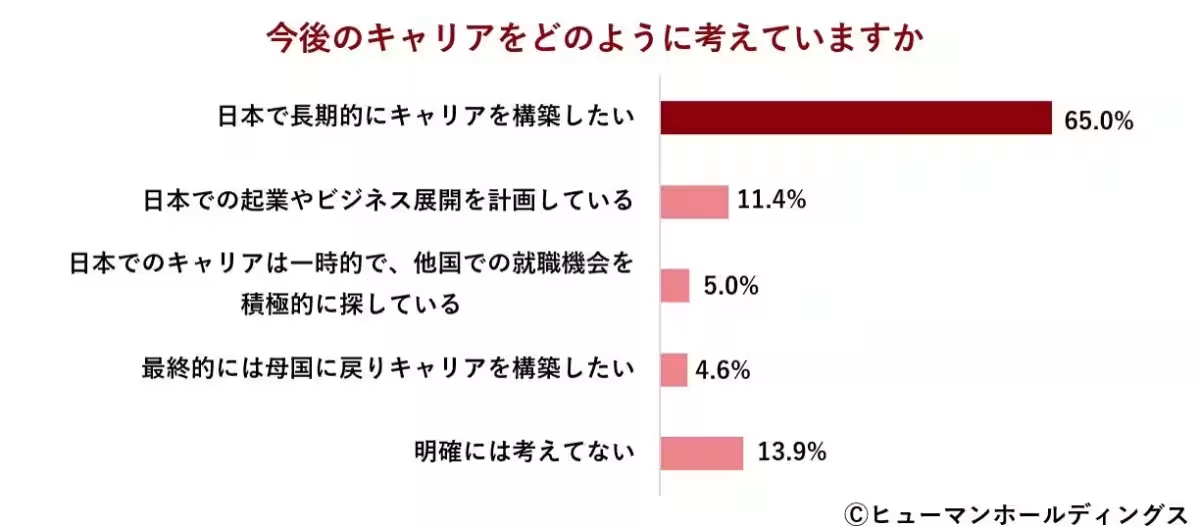
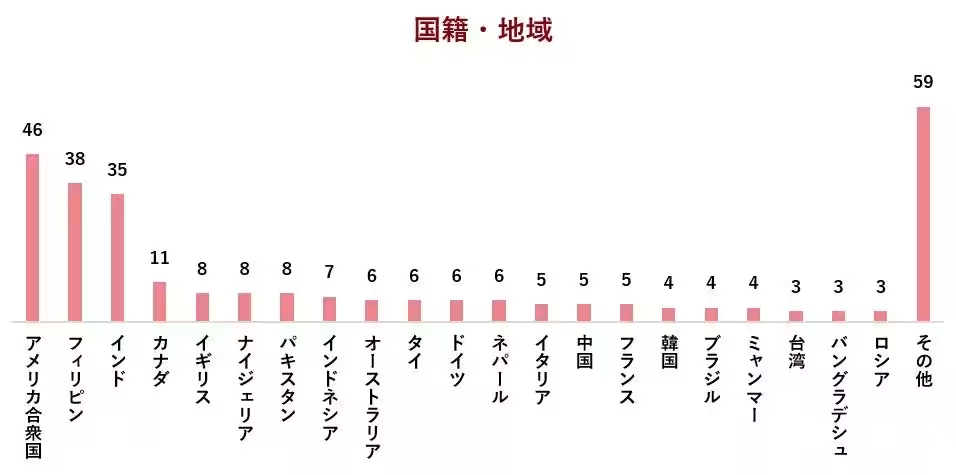
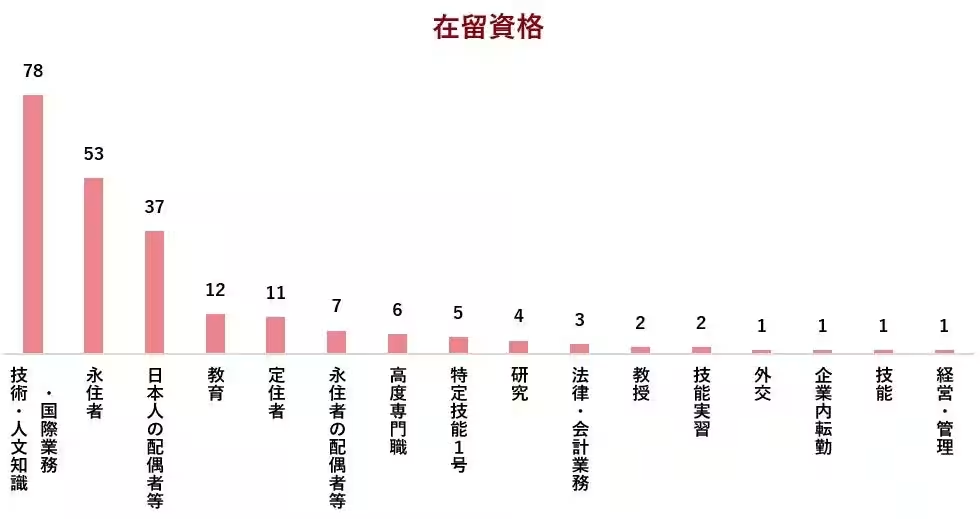
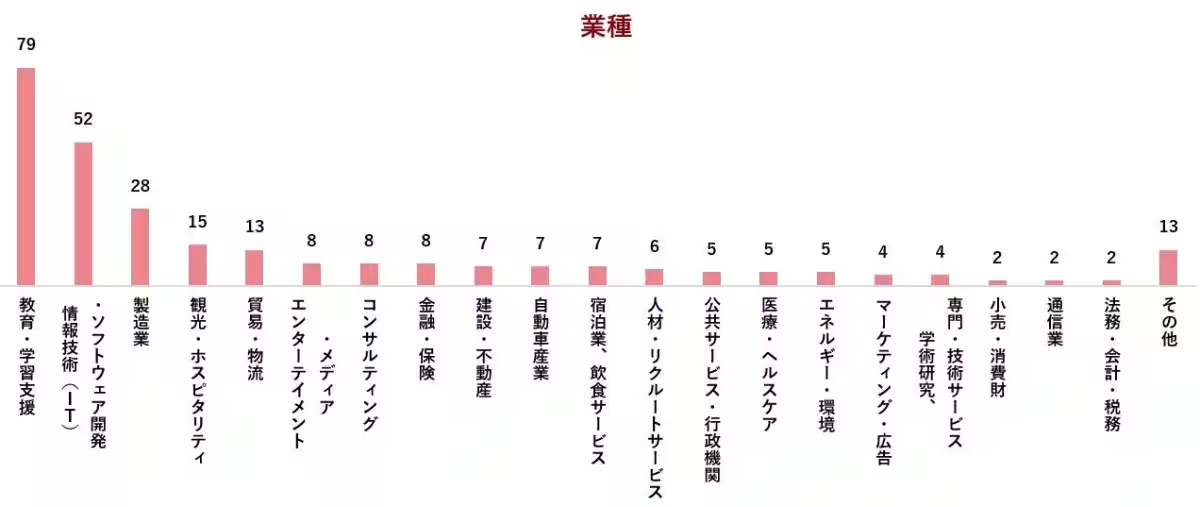
As Japan faces a declining labor force, the influx of foreign workers has become crucial to sustaining economic growth. A recent study conducted by Human Global Talent—a part of Human Holdings, which engages in education, caregiving, IT, and various other sectors—examines the career aspirations and perceptions among foreign national employees. The findings reveal that a significant majority of foreign workers, specifically 65.0%, express a desire to build long-term careers in Japan.
Job Satisfaction and Challenges
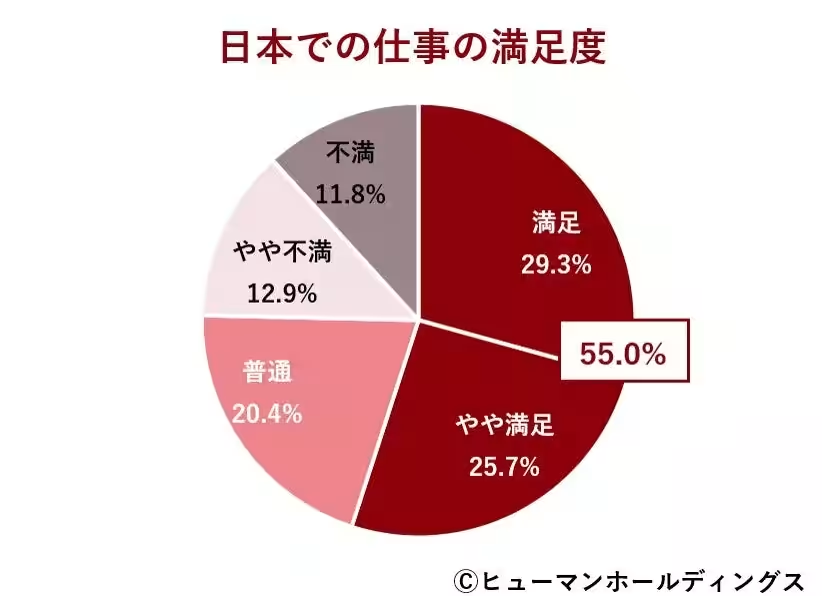
The survey indicates that 55.0% of foreign professionals surveyed are satisfied with their jobs in Japan, appreciating the stability and quality of life that Japan offers. However, areas such as work-life balance and transparent evaluation systems still pose challenges. This dual narrative underscores the necessity for companies to foster a supportive environment to retain foreign talent.
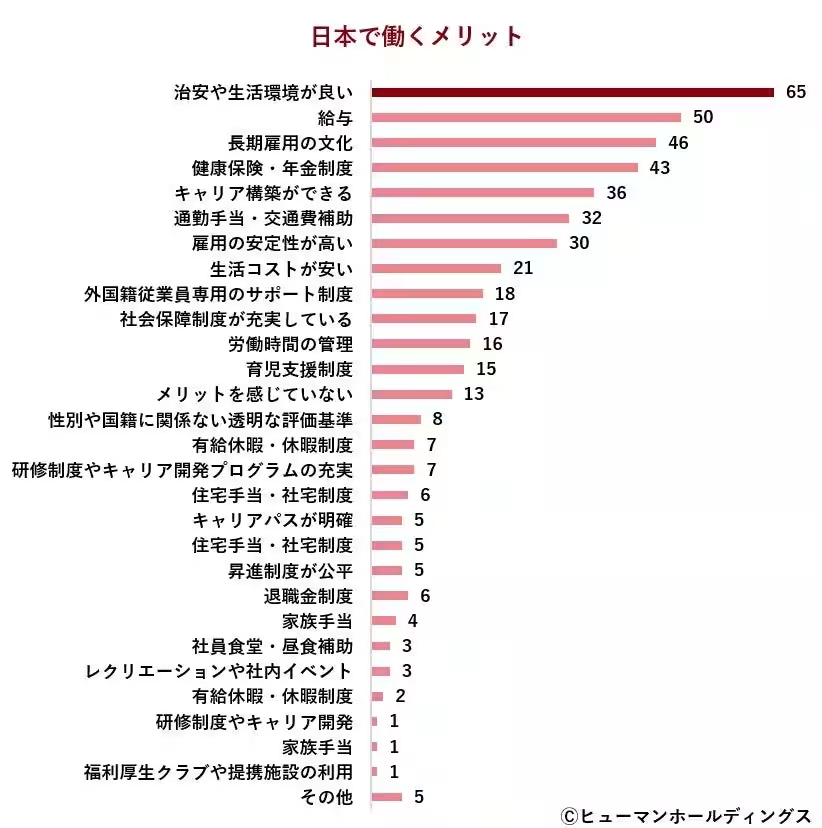
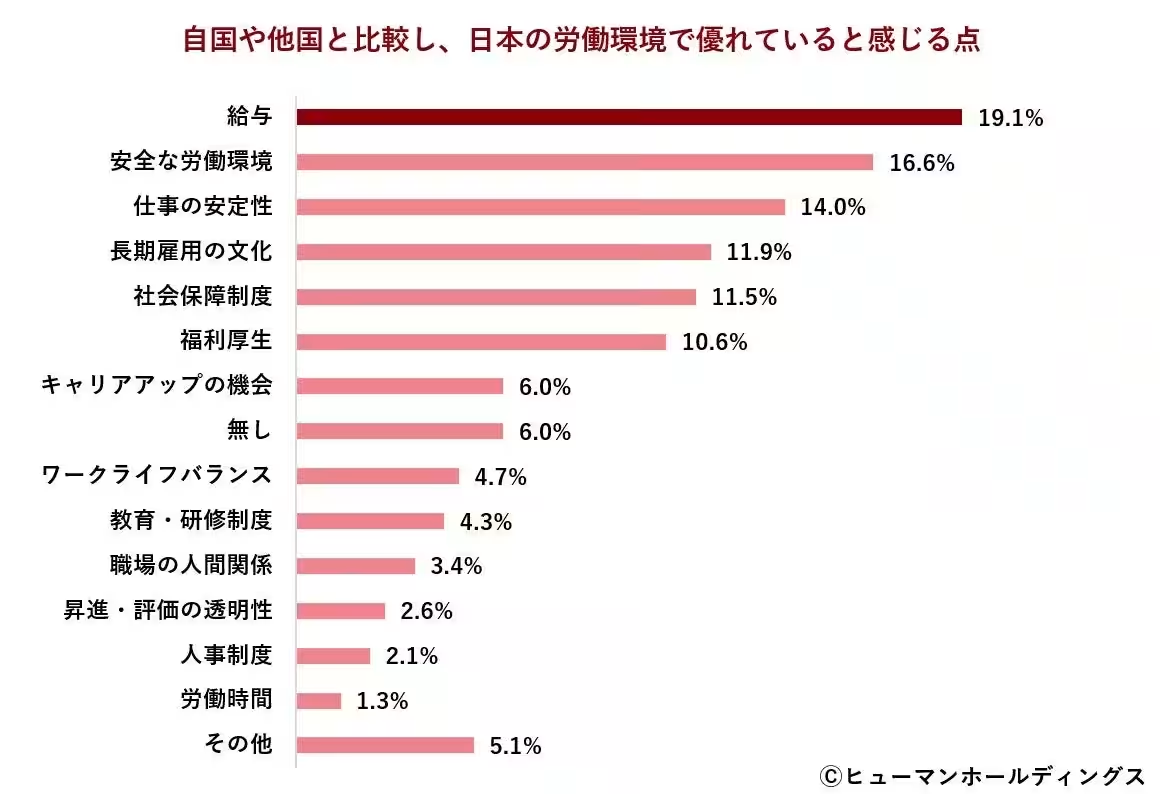
Many respondents highlighted Japan’s robust safety and pleasant living conditions as critical advantages of working in the country. While factors like salary and long-term employment culture were also emphasized, less attention was given to career development support specifically tailored for foreign workers, hinting at areas needing improvement.
Salary Expectations and Realities
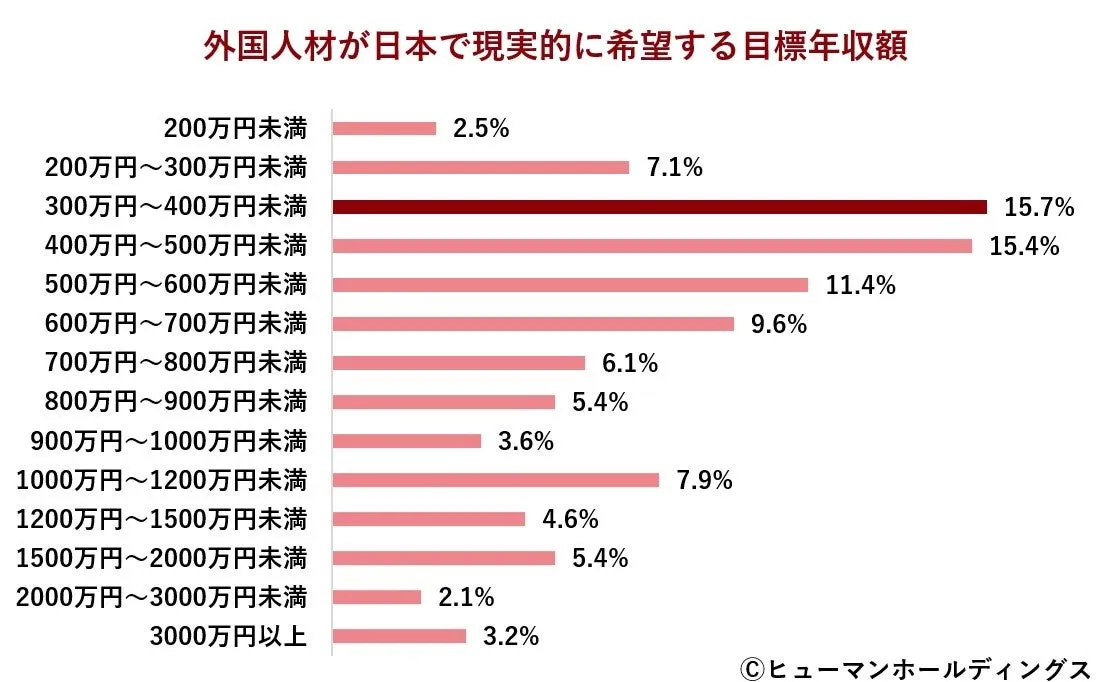
When it comes to expected annual salaries, most responded correctly—notably, 15.7% of them indicated a salary range of 3 to 4 million yen, aligning closely with statistics released by the Ministry of Health, Labour and Welfare. This realistic expectation highlights the pressing need for businesses to develop compensation structures that adequately reflect the contributions of these workers, particularly as inflation and the cost of living in Japan rise.
Work-Life Balance: A Call for Improvement
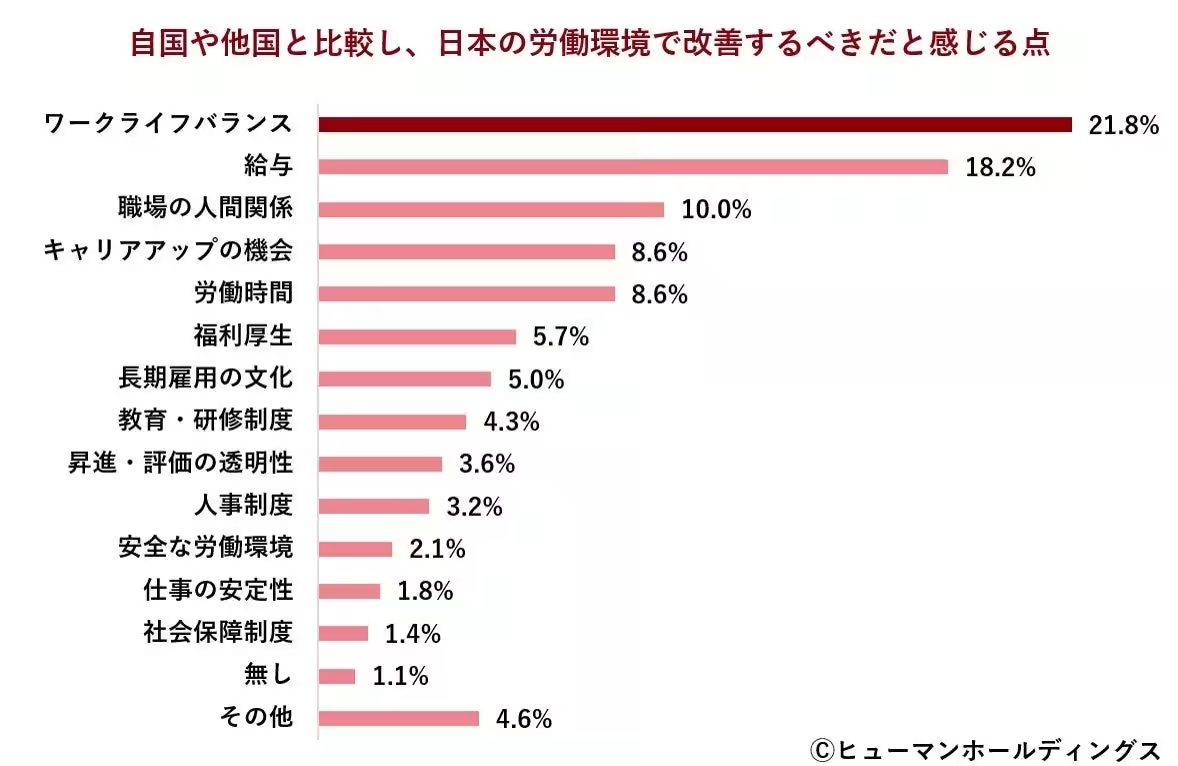
Notably, when asked about what aspects of Japan's work environment require improvement, “work-life balance” emerged as the foremost concern, reflecting a common worry among foreign workers regarding long working hours and limited vacation opportunities. In addition, the demand for higher wages emerged alongside recognizing the need for paycheck fairness that matches performance.
This leads to an essential conversation on how to balance rewarding foreign talent while reinforcing Japan’s labor standards. Despite the recognized benefits of working in Japan, such as job security and good welfare systems, addressing the highlighted issues is critical for retention and job satisfaction.
Perspectives from Corporate Leaders
In discussing the relevance of these findings, Tomoki Yokokawa, Managing Director of Human Global Talent, asserted that the desire for stability and a fulfilling career pathway among foreign workers can directly contribute to addressing Japan's workforce shortages. He emphasized that companies must respond to this need by crafting inclusive workplaces and supports that leverage diversity effectively.
Conclusion
As we look ahead, the insights gathered from this survey will be instrumental in shaping better policies and practices around hiring and retaining foreign professionals in Japan. Aligning corporate efforts with the expectations of foreign talent not only benefits individual companies but also enhances Japan’s position globally as a competitive arena for skilled labor. Human Holdings continues to advocate for a more dynamic labor landscape where all individuals can achieve their professional aspirations and contribute positively to society.
For further information about foreign employment services by Human Holdings, and other related divisions, please visit Daijob.com or the individual services listed above.
- ---


Topics Business Technology)
【About Using Articles】
You can freely use the title and article content by linking to the page where the article is posted.
※ Images cannot be used.
【About Links】
Links are free to use.