



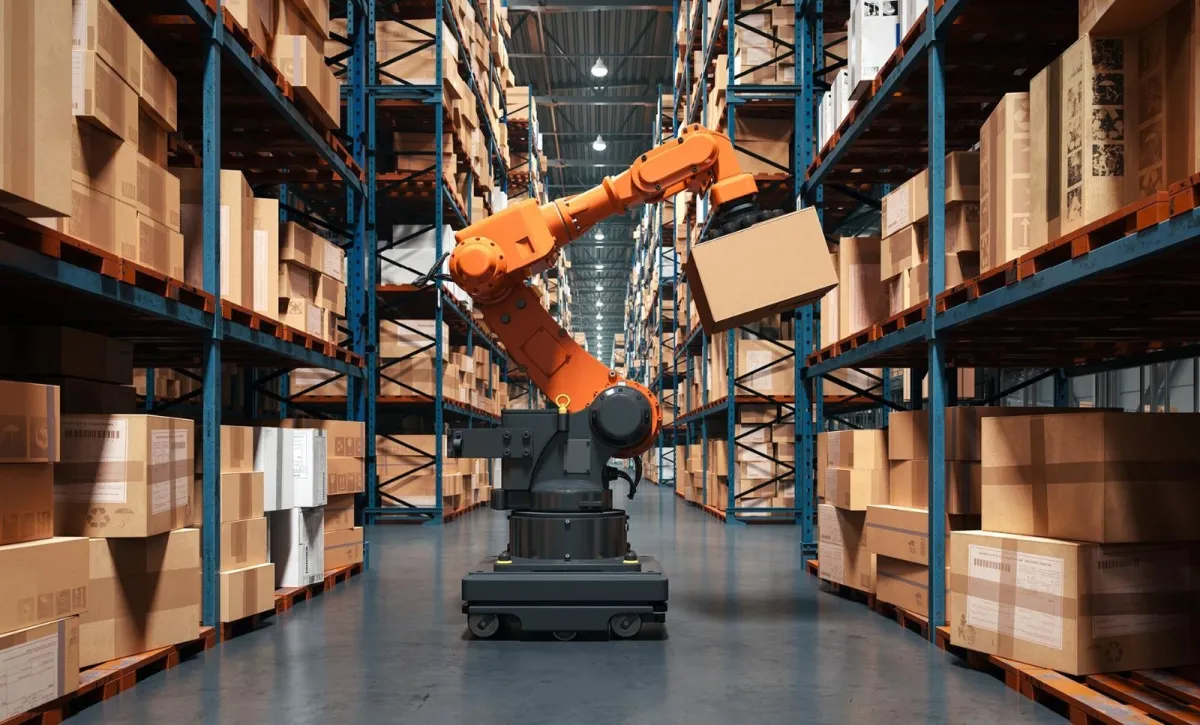
Physical AI: A New Competitive Edge for Manufacturers Enhancing EBIT by Up to 3 Points
The Rise of Physical AI in Manufacturing
As industries grapple with talent shortages and technological transformation, the concept of Physical AI is gaining traction, especially in the manufacturing sector. According to a recent report by Roland Berger, a leading European management consulting firm, Physical AI could significantly reshape the competitive landscape for manufacturers, potentially boosting their EBIT by up to three points.
Understanding the Context
The manufacturing and logistics sectors are facing a critical challenge: an aging workforce. Estimates suggest that Germany could see a decline of 16% in skilled labor by 2050, while China may face an even steeper drop of 24%. This impending shortage underscores the need for manufacturers to innovate and adapt. Technologies such as autonomous mobile robots (AMRs), AI-driven vision systems, and advanced manufacturing operation management software are shifting from experimental phases to large-scale implementations.
Insights from the Report
Roland Berger's report, titled "Physical AI: The Next Competitive Advantage for Manufacturers," delves into how Physical AI can bridge the gap left by dwindling human resources. The report categorizes Physical AI into four distinct types:
1. Intelligent Robotics: Responsible for handling and assembling parts.
2. Autonomous Mobility: Engaging in transport and inspection of hazardous areas.
3. AI-Powered Discrete Automation: Performing quality inspections and process optimization via image recognition and time-series analysis.
4. Intelligent Manufacturing Operation Management: Enhancing overall planning, energy use, and root cause analysis across factories.
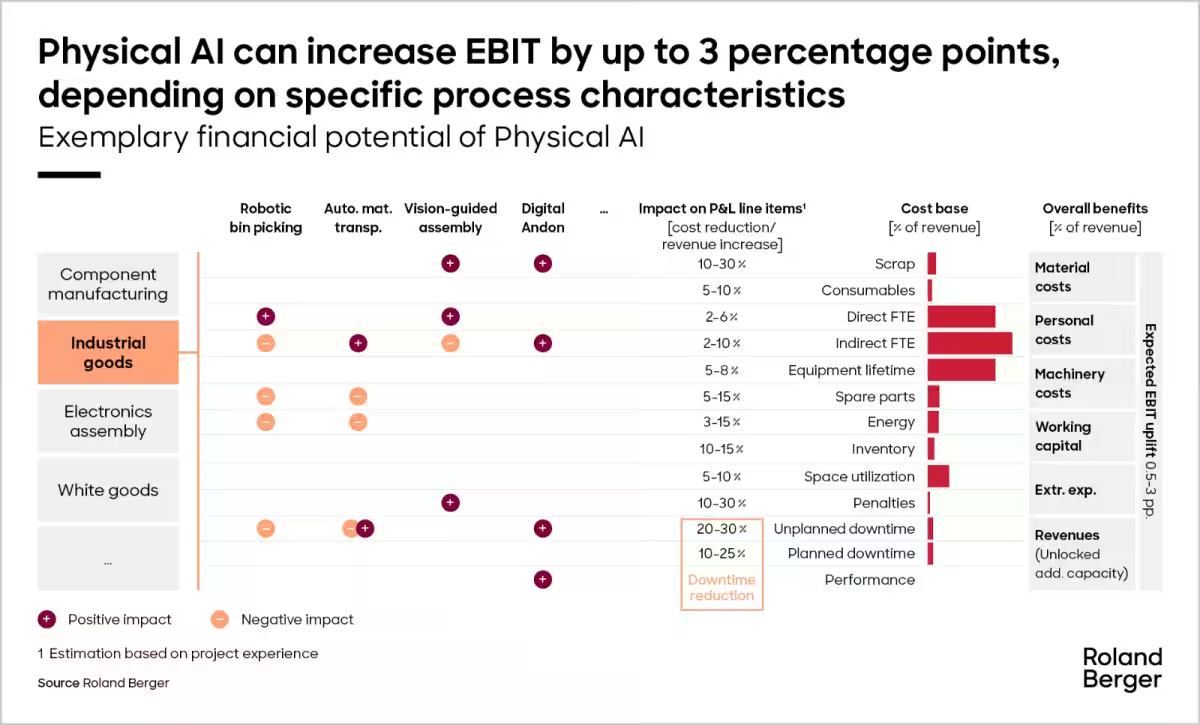
According to the firm's project experiences, a combined portfolio of these types can lead to EBIT improvements ranging from 0.5 to 3 points based on existing processes and performance levels. The driving factors behind these improvements include:
- - Reducing labor costs by 10%
- - Cutting scrap rates by 10-30%
- - Enhancing equipment utilization rates by 10-30%
- - Advancing quality control measures
The Importance of Integration
The key takeaway from the report is that enhancing competitiveness is less about deploying isolated robots or AI models and more about establishing integrated operational capabilities across factories. Manufacturers need to focus on developing comprehensive frameworks that account for specific use cases, IT/OT architecture, and operational models. This holistic approach ensures scalability and long-term success in multiple facilities rather than merely launching pilot projects or individual robot implementations.
A Legacy of Transformation
Roland Berger has a rich history of driving change, offering deep insights and execution capabilities to some of the world's leading companies. Founded in 1967 and headquartered in Munich, the firm has dedicated itself to helping organizations navigate the rapidly evolving business landscape, leveraging data and AI as central to creating new growth opportunities and value.
As part of their commitment to environmental sustainability, Roland Berger is working towards a company-wide goal of reducing greenhouse gas emissions by 2040, in line with the Science Based Targets initiative (SBTi). More about their efforts can be found in their annual ESG report.
For more insights on how Physical AI is set to revolutionize the manufacturing sector, visit Roland Berger's website or follow them on LinkedIn.

Topics Consumer Products & Retail)


【About Using Articles】
You can freely use the title and article content by linking to the page where the article is posted.
※ Images cannot be used.
【About Links】
Links are free to use.