



Understanding the Surge in Pore Concerns: Insights and Solutions for All Ages
Understanding Pore Concerns: Insights from Rize Clinic
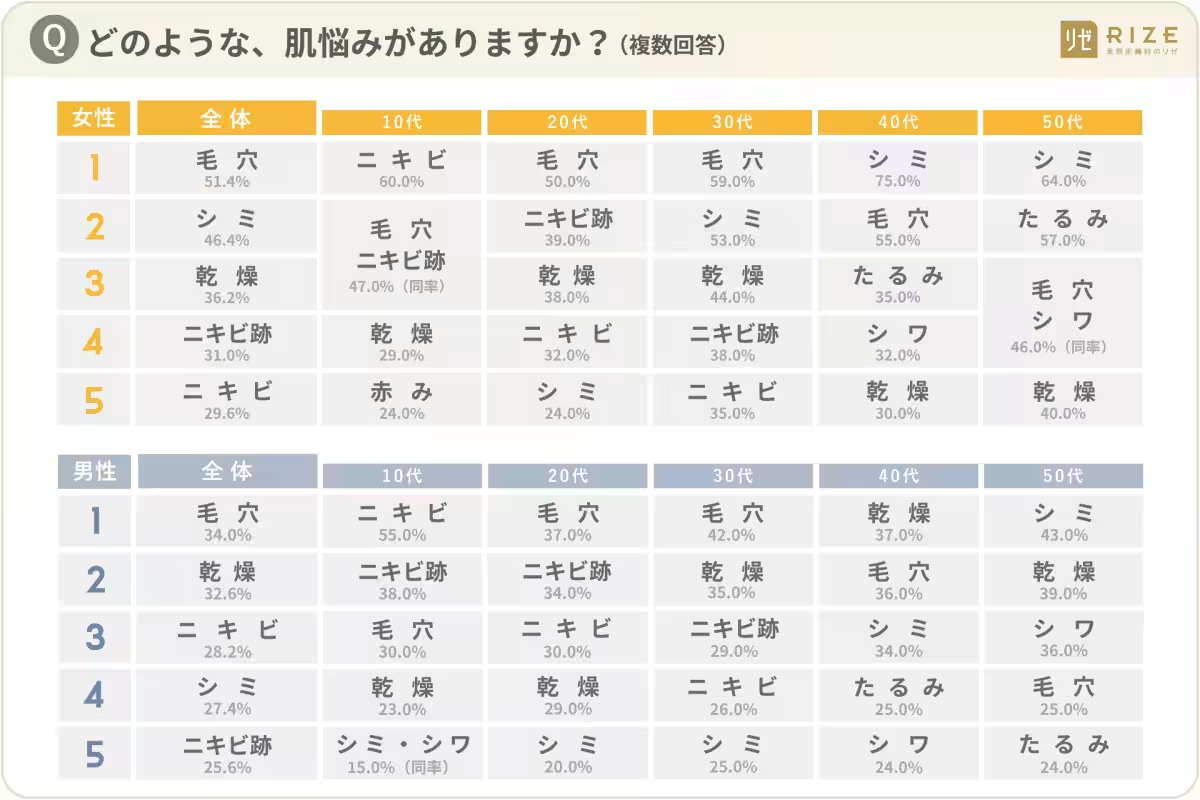
In a comprehensive survey conducted by Rize Clinic, which specializes in beauty dermatology, it was found that pore issues rank as the number one skin concern among both men and women aged 10 to 50. With 51.4% of women and 34.0% of men identifying pores as their primary concern, it is evident that this issue transcends age and gender, reflecting a consumer awareness that has grown significantly in recent years.
The Challenges Pores Face During Summer
As summer unfolds, environmental factors pose significant challenges to skin health. Even though this past summer experienced less intense sunshine, increasing temperatures and humidity created a demanding atmosphere for skin. Strong ultraviolet (UV) rays and the dryness caused by air conditioning contributed to a vicious cycle of pore-related trouble, exacerbated by irregular skincare routines.
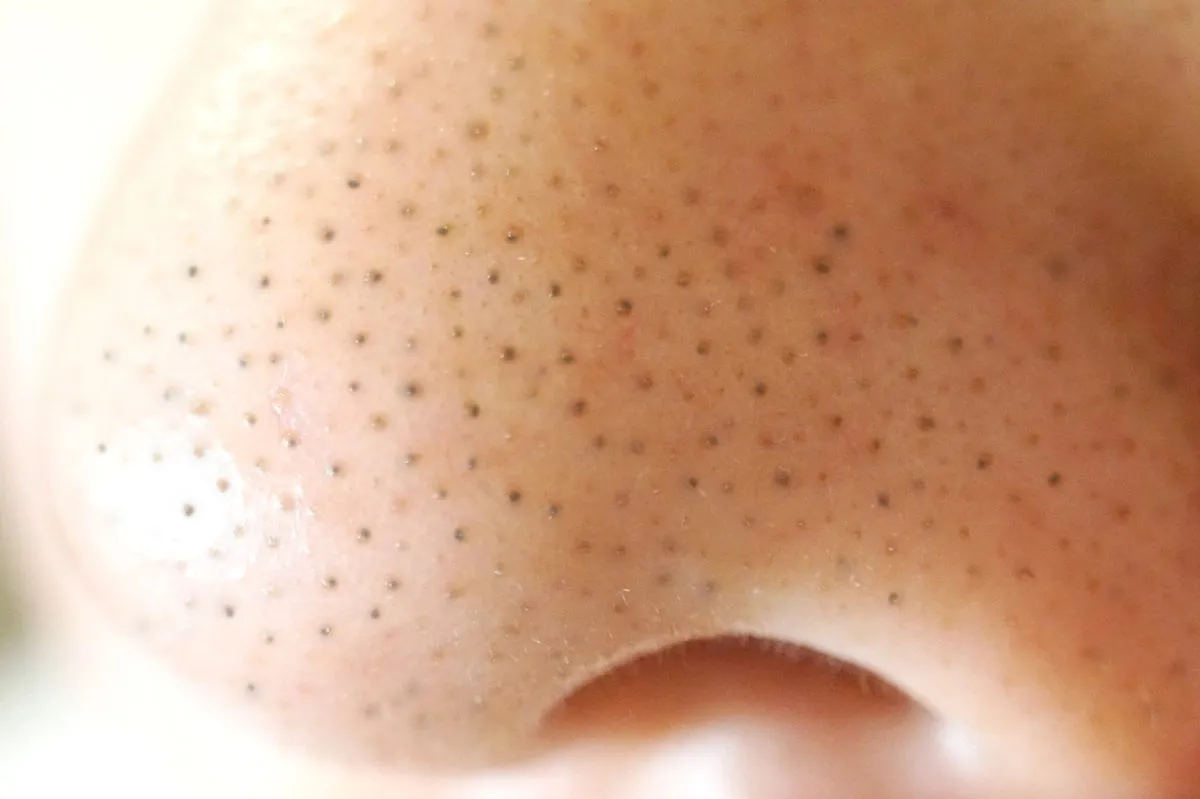
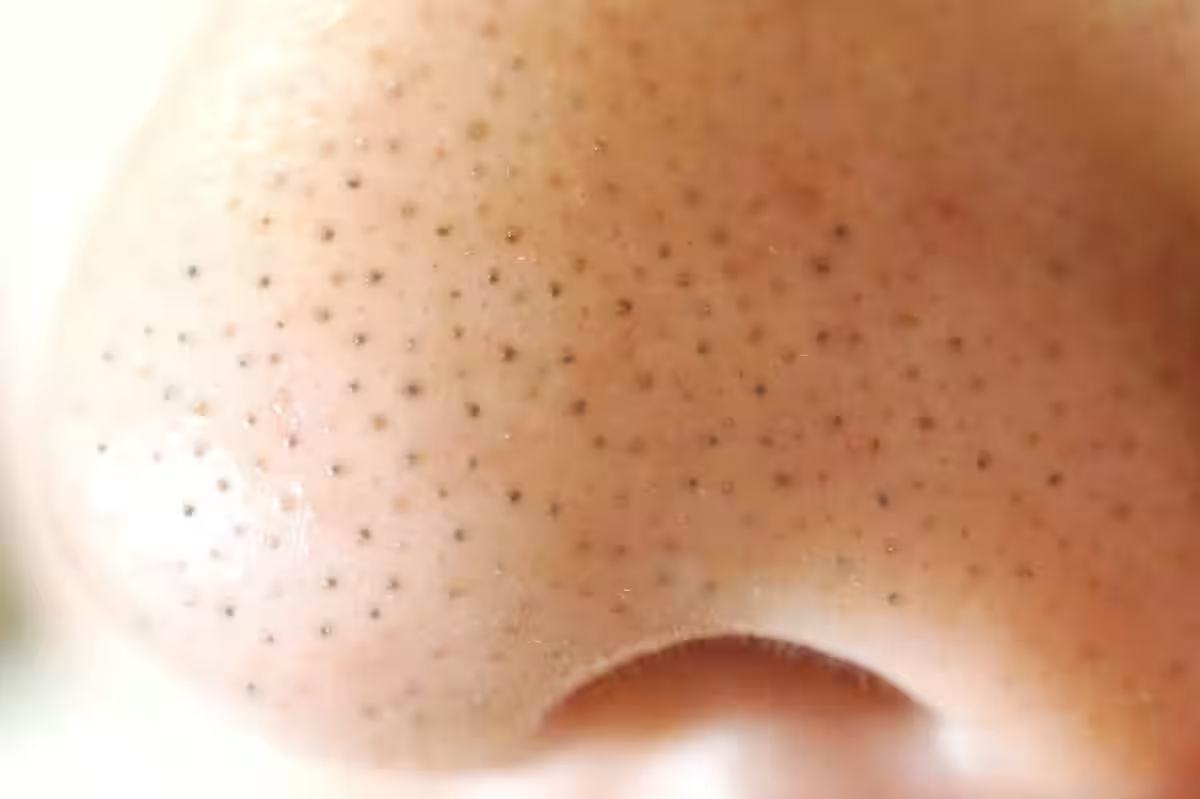
Rize Clinic’s Dr. Suzuna Yamamura explains that exposure to UV rays can lead to thicken skin, resulting in dead skin cells accumulating in the pores and causing blockages. As pores trap sebum and dirt, the visibility of these blockages compounds the issue, often resulting in what is colloquially known as “strawberry nose.”
Survey Insights on Pore Concerns
The findings from Rize Clinic's survey reveal an emerging trend where skin concerns evolve into shared issues across demographics. The survey, conducted from February 2 to 8 in 2026, gained responses from one thousand participants reflecting the broad spectrum of concerns linked to skin health.
"We have seen a clear shift in the priorities of individuals regarding skin care, with the focus on pore health gaining traction,” adds Dr. Yamamura. “It’s essential to equip ourselves with the right knowledge and tools to combat these issues effectively."
Specific Pore Types and Their Solutions
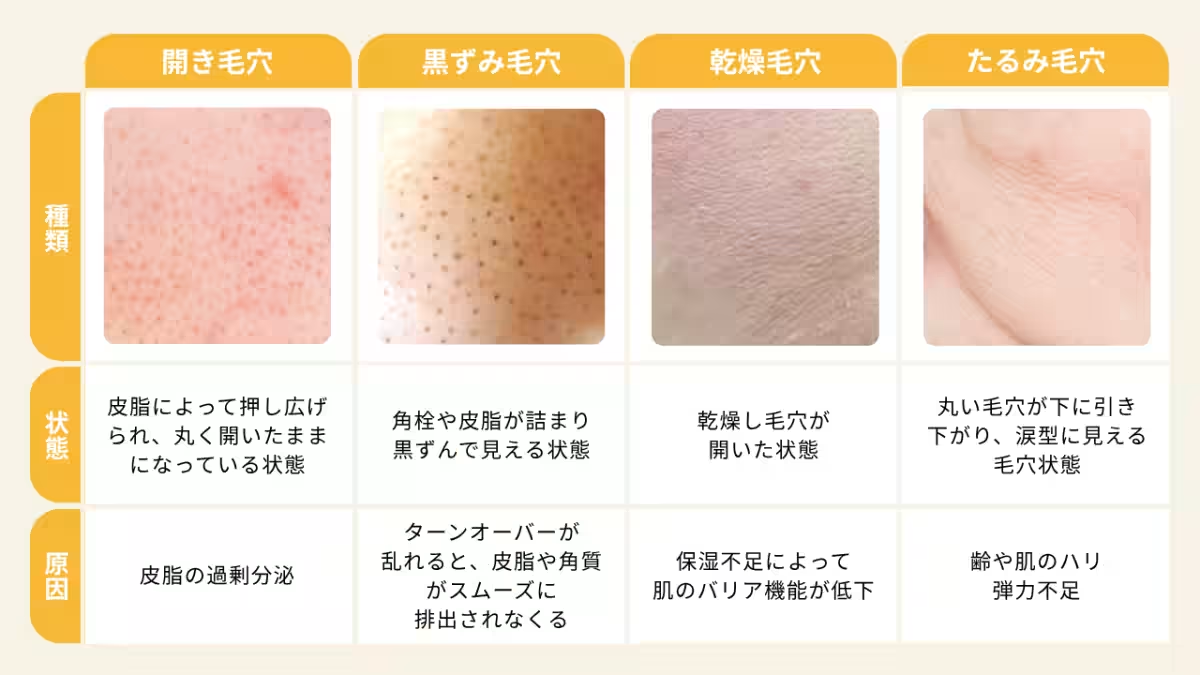
To tackle pore concerns effectively, it’s vital to understand their different manifestations:
1. Open Pores
These result from excessive sebum production, leaving pores enlarged and visible. To remedy this, products designed to reduce oil production and tighten pores are recommended.
2. Darkened Pores
These occur when clogged pores form blackheads due to sebum and dead skin. A consistent skincare routine that promotes turnover and unclogs pores is essential, focusing on products that minimize oiliness and encourage exfoliation.
3. Dry Pores
When skin lacks adequate moisture, pores can appear larger. Using nourishing moisturizers that restore the skin’s barrier is crucial to combat this.
4. Sagging Pores
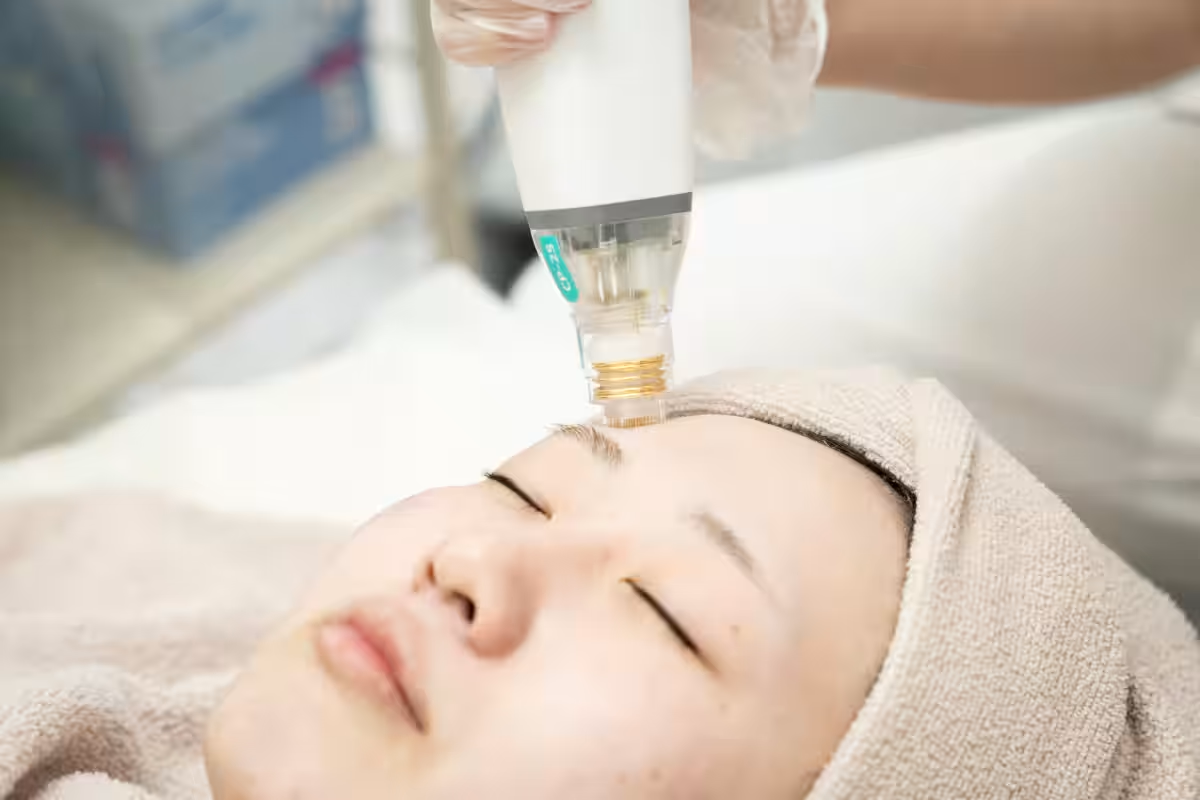
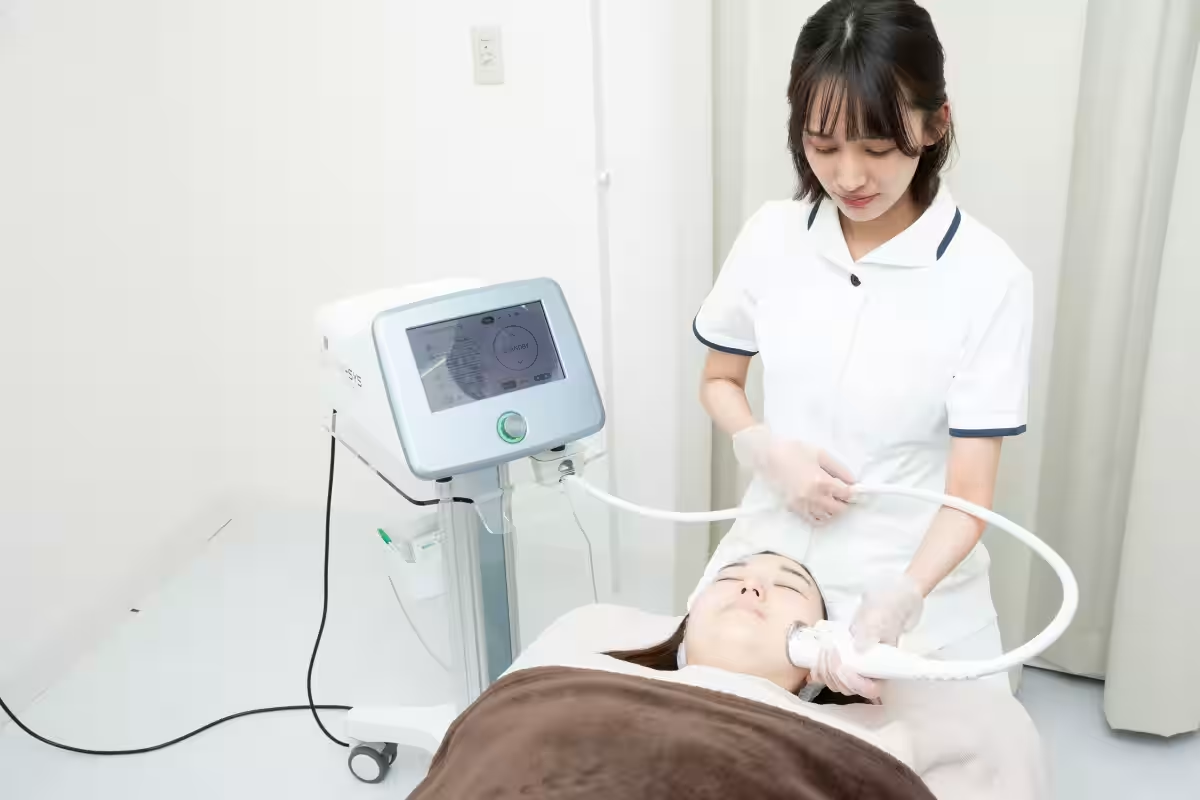
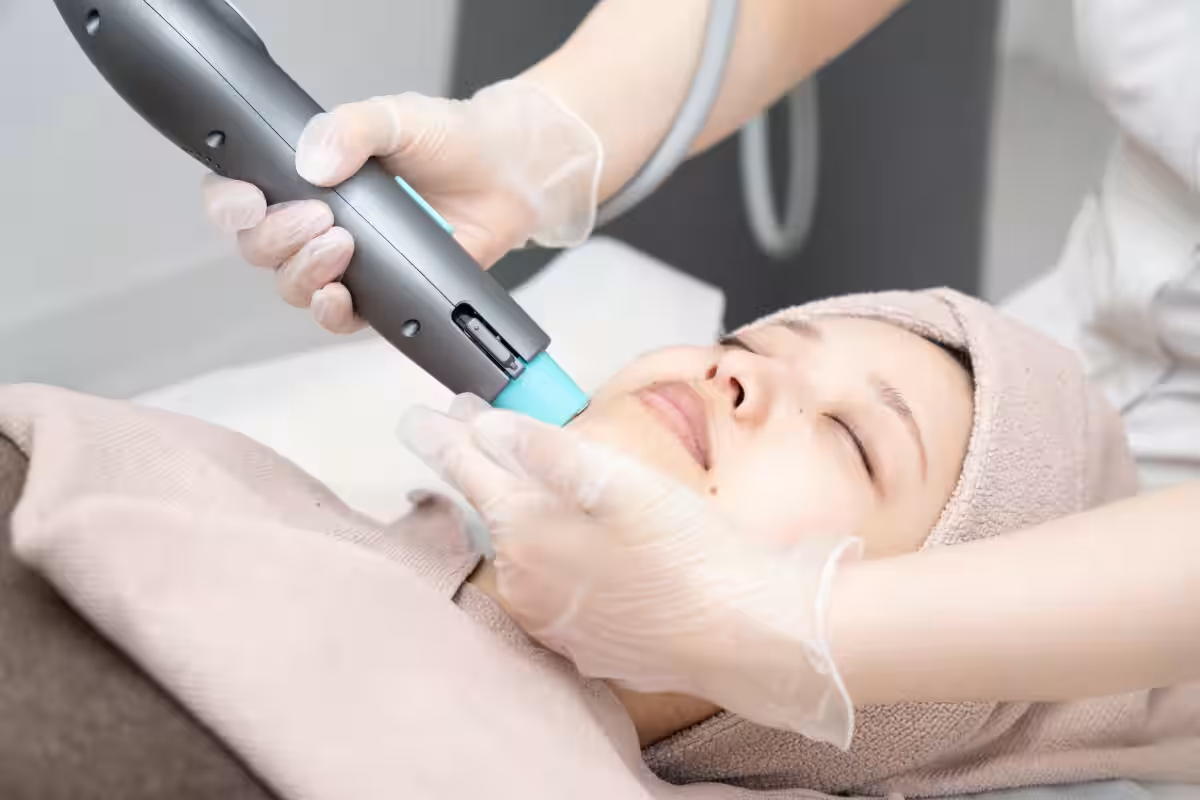
Ageing and loss of skin elasticity are often behind sagging pores. This requires a comprehensive approach, potentially integrating professional treatments for optimal results.
Adapting Post-Summer Skincare
As autumn approaches, taking proactive measures for pore health is critical. Regular use of sunscreen, hydration, and potentially incorporating gentle exfoliation into the skincare regime can significantly enhance skin condition. Despite common trends, experts advise caution with at-home remedies and emphasize the importance of a balanced routine that involves dermatologist guidance.
Conclusion
As a trend, the focus on pore health exemplifies a larger societal shift towards understanding and prioritizing one's skin health. With experts providing knowledge and innovative solutions to these prevalent issues, individuals can confidently engage in self-care that caters to their specific needs. As always, consulting with professional dermatologists, like those at Rize Clinic, ensures effective treatment tailored to individual skin types and concerns.
Acknowledging Professional Expertise
Dr. Suzuna Yamamura, who has accumulated extensive clinical experience, takes pride in addressing skin health from both external and internal perspectives—a holistic approach that considers all factors affecting skin condition. As Rize Clinic continues to expand its offerings, it emphasizes an integrative method that supports true skincare and treatment for all, ensuring every patient receives expert care tailored to personal needs.





Topics Health)




【About Using Articles】
You can freely use the title and article content by linking to the page where the article is posted.
※ Images cannot be used.
【About Links】
Links are free to use.