


How to Deal with Eye Discomfort Without Visiting an Ophthalmologist: A Conversation with Eye Care LaBo
Introduction
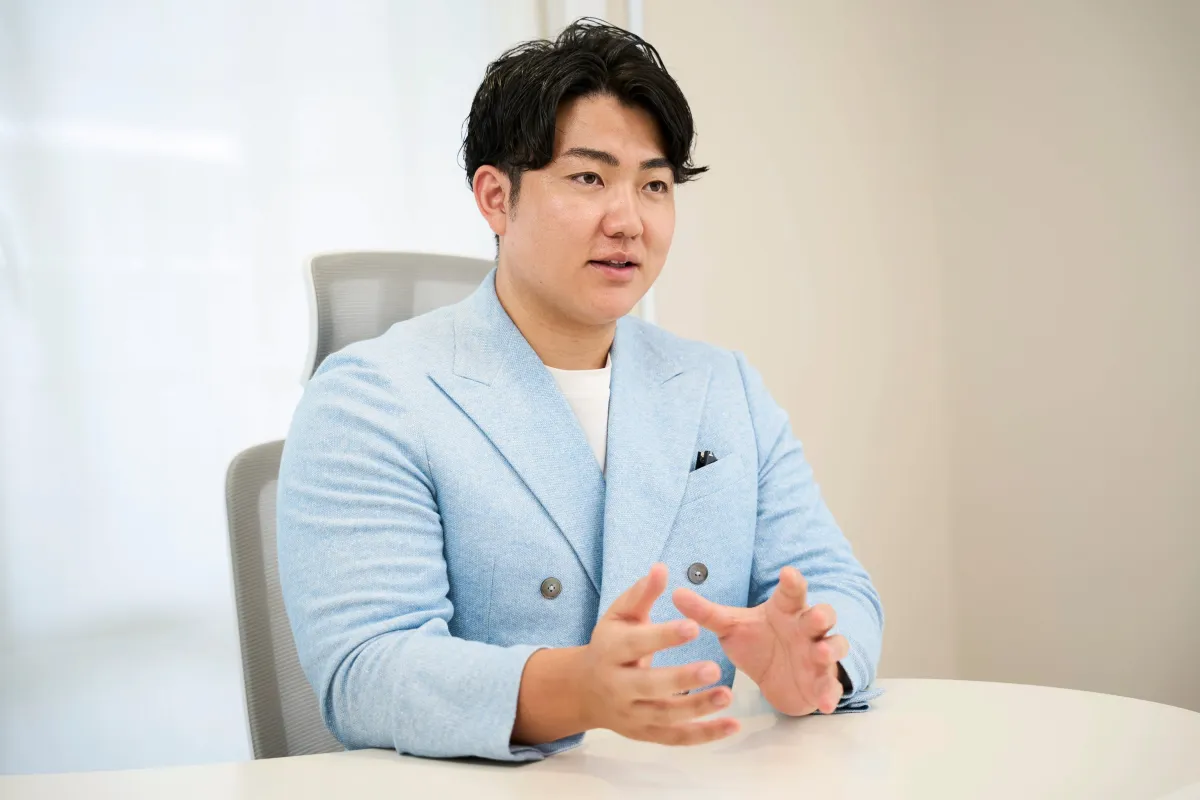
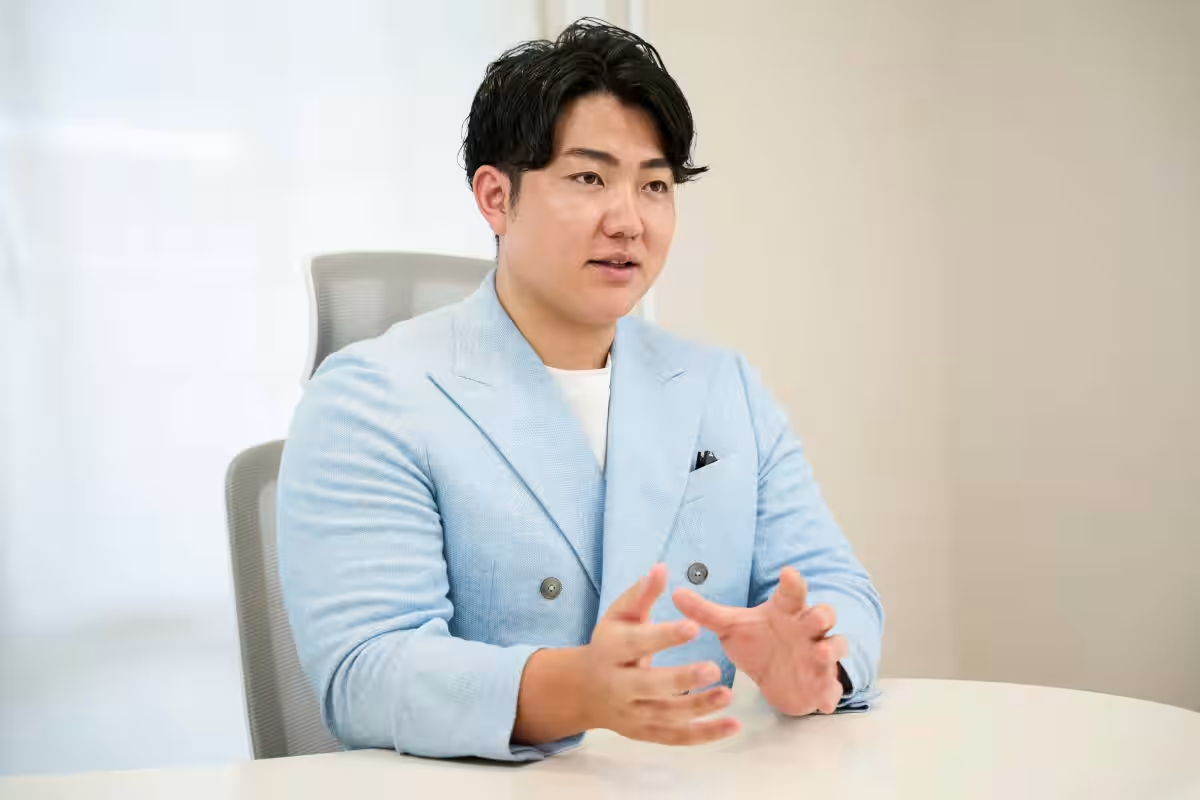
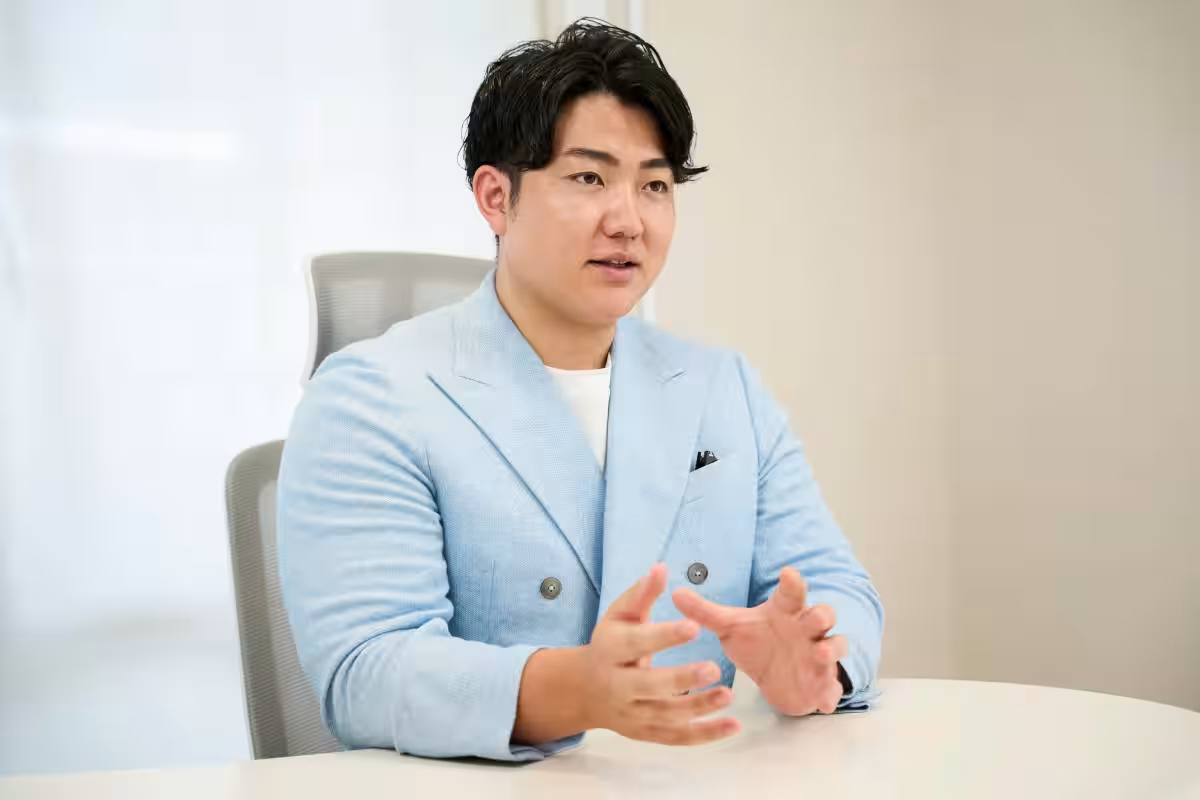
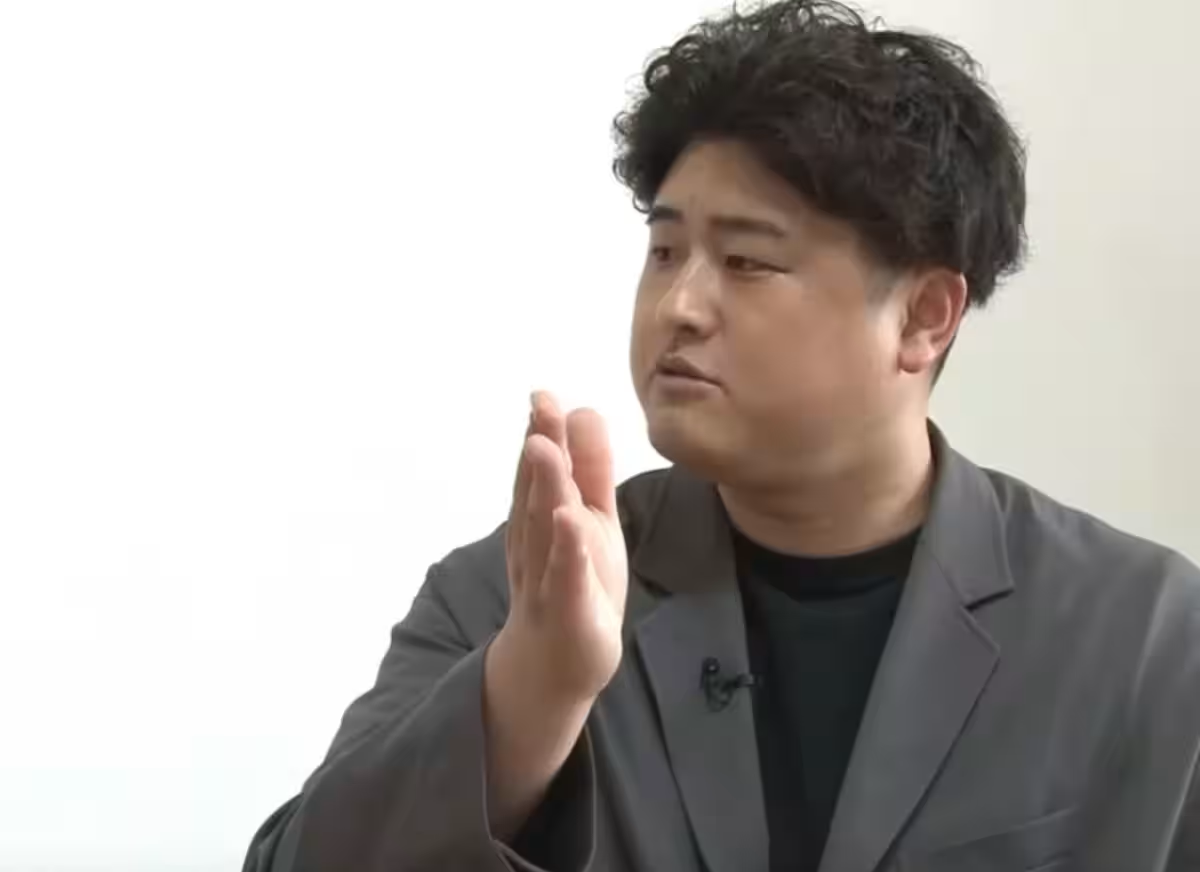
In recent years, as our lives have become increasingly intertwined with technology, complaints of unexplained eye discomfort have become more prevalent. Phrases like "my eyes feel tired" or "everything seems a bit blurry" are quite common, yet many people refrain from seeking solutions because they don’t feel these issues warrant a visit to an ophthalmologist. Today, we bring you a special discussion between Mizuki Kashimura, the CEO of Eye Care LaBo, and Nobutada Mihara, the chairman of the Preventive Ophthalmology Association, on the emerging issues surrounding eye health and wellness.
The Rise of Unexplained Eye Issues
Mizuki Kashimura: At Eye Care LaBo, we specialize in addressing eye-related problems. The number of patients reporting eye discomfort is rising, yet many feel that their issues are not severe enough to warrant a visit to an eye doctor. They don’t always understand what they are experiencing or how to take care of their eye health. Through our methods, we emphasize the importance of eye care and hope to make self-care a more common practice across Japan.
Nobutada Mihara: Our organization focuses on preventing problems associated with prolonged usage of smartphones and computers, which often lead to issues like decreased visual acuity and eye strain. In addition, we also address how these conditions can affect productivity in the workplace, promoting the idea that eye health is pivotal to overall corporate health.
Understanding ‘Non-specific Symptoms’
Mihara: The term "non-specific symptoms" may not be widely recognized, but it refers to conditions like back pain, where individuals often have no identifiable cause for their discomfort. In fact, around 85% of back pain cases go undiagnosed medically despite the pain being very real. This type of ambiguous discomfort is seen increasingly in various forms, including eye problems.
Mizuki: So, we’re looking for solutions to address these types of unexplained discomforts, correct?
Mihara: Yes, that's right.
Differentiating Between Eye Care and Ophthalmology
Mizuki: There’s a significant barrier to accessing eye care. Many people only seek help once symptoms escalate to pain or discomfort. It is essential, however, to understand one’s eye condition before symptoms manifest. Eye clinics can often feel intimidating.
Mihara: Eye Care LaBo provides a less daunting avenue for individuals who may avoid traditional healthcare settings. By visiting us, they may find a reason to consult an ophthalmologist when necessary.
The Importance of Holistic Understanding
Mizuki: It's often thought that eye discomfort originates solely from the eyes themselves, but studies suggest that around 80% of these issues are rooted in brain function. We refer to this interconnection as "visual function." Many clients we serve have real-life challenges linked to their visual processing capabilities. We believe in addressing these issues holistically, including offering seminars for children’s eye and brain protection from digital strains, which Mihara conducts.
Mihara: My background in rehabilitation for conditions like stroke and developmental disorders has shown me that many orthopedic issues have non-specific symptoms as an origin. For instance, knee pain often begins with something less obvious. The same concept applies to vision health.
Establishing Clear Boundaries with Medical Professionals
Mizuki: My qualifications as a trained athletic trainer and judo therapist inform my approach to eye care. We do not diagnose or treat diseases; instead, we help individuals navigate non-medical challenges that affect their daily lives. Our responsibility is to facilitate better eye care and create an environment where people are encouraged to seek help before their problems escalate.
Ensuring Safety in Eye Care Practices
Mizuki: As we expand across Japan, we recognize that we need to distinguish ourselves from similar practices. With 77 locations, we ensure safety by never touching the eyeballs during our treatments. We focus on surrounding muscles, minimizing risks associated with eye care procedures.
Mihara: This aspect sets Eye Care LaBo apart, as many new establishments may not have the same safety standards. We've rigorously tested our methodologies and can confirm their effectiveness without any adverse effects reported.
The Future of Eye Care
Mizuki: The ultimate goal of Eye Care LaBo is to reduce the number of individuals grappling with visual discomfort by fostering a culture of preventative care. With the increasing incidence of myopia, we want to be a proactive part of the solution, encouraging consultations before symptoms become pronounced.
Final Thoughts
Mihara: This proactive approach is commendable. I fully support the continued evolution of Eye Care LaBo, and I'm excited to see how it shapes the future of preventative eye health in Japan.
Conclusion
As we conclude this insightful dialogue, it is clear that the need for improved eye care practices has never been more critical. Through the combined efforts of Eye Care LaBo and the Preventive Ophthalmology Association, we can foster an environment where individuals prioritize their eye health, contributing to their overall wellness.
For More Information About Eye Care LaBo
To learn about innovative eye care solutions and to find a location near you, visit Eye Care LaBo.

Topics Health)








【About Using Articles】
You can freely use the title and article content by linking to the page where the article is posted.
※ Images cannot be used.
【About Links】
Links are free to use.