



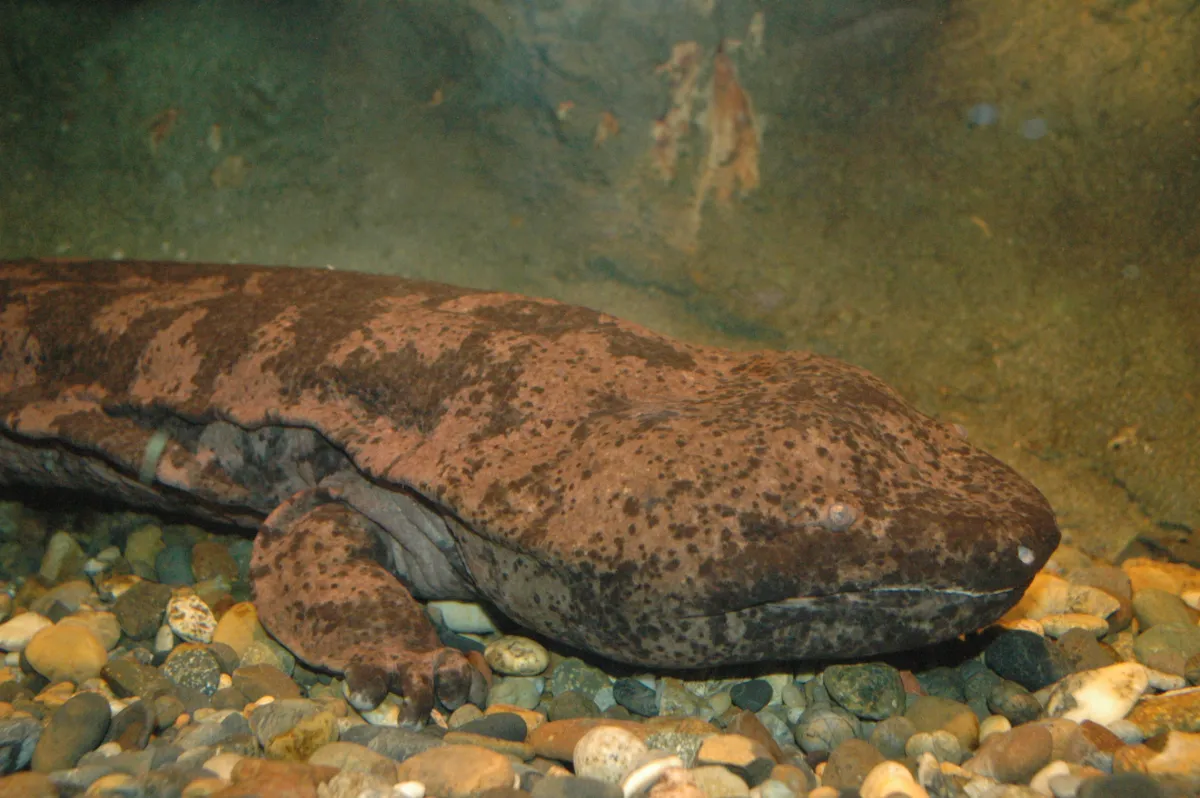
Could Invasive Species be the Key to Reviving Extinct Amphibians? A Deep Dive into the Slaiyu Giant Salamander
Exploring the Revival of the Slaiyu Giant Salamander
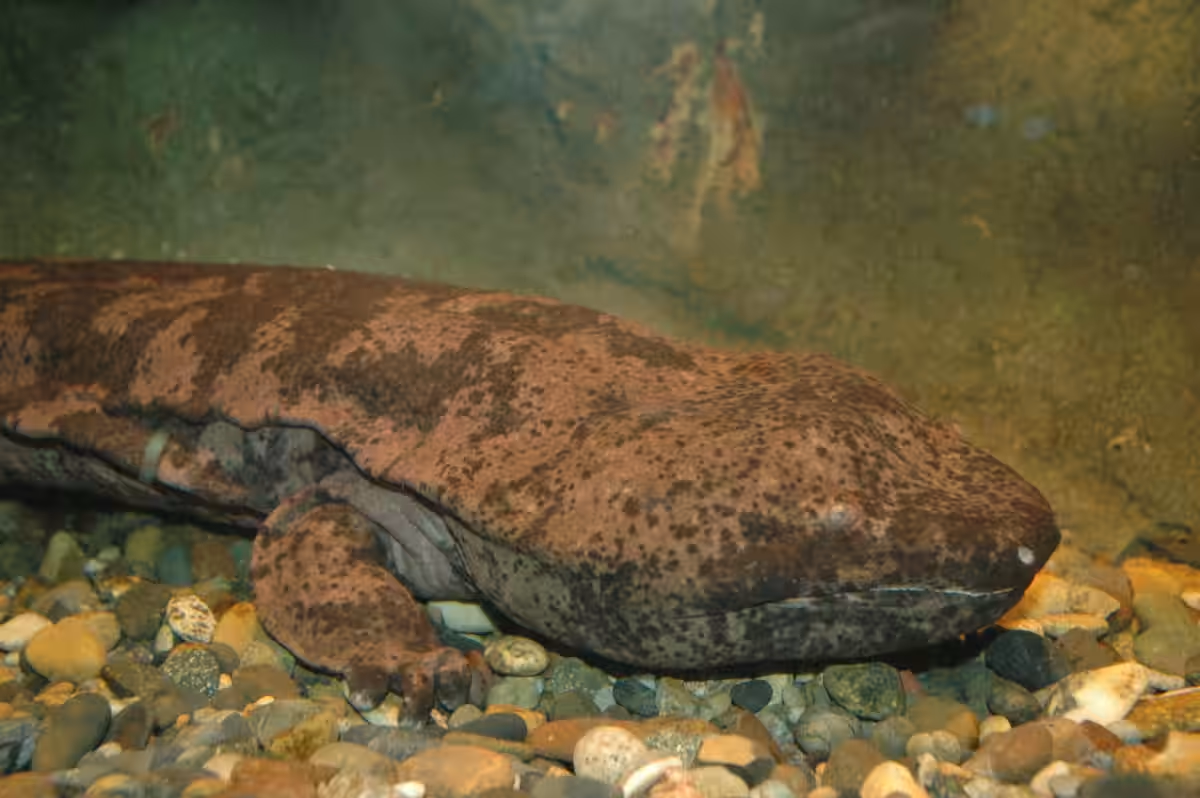
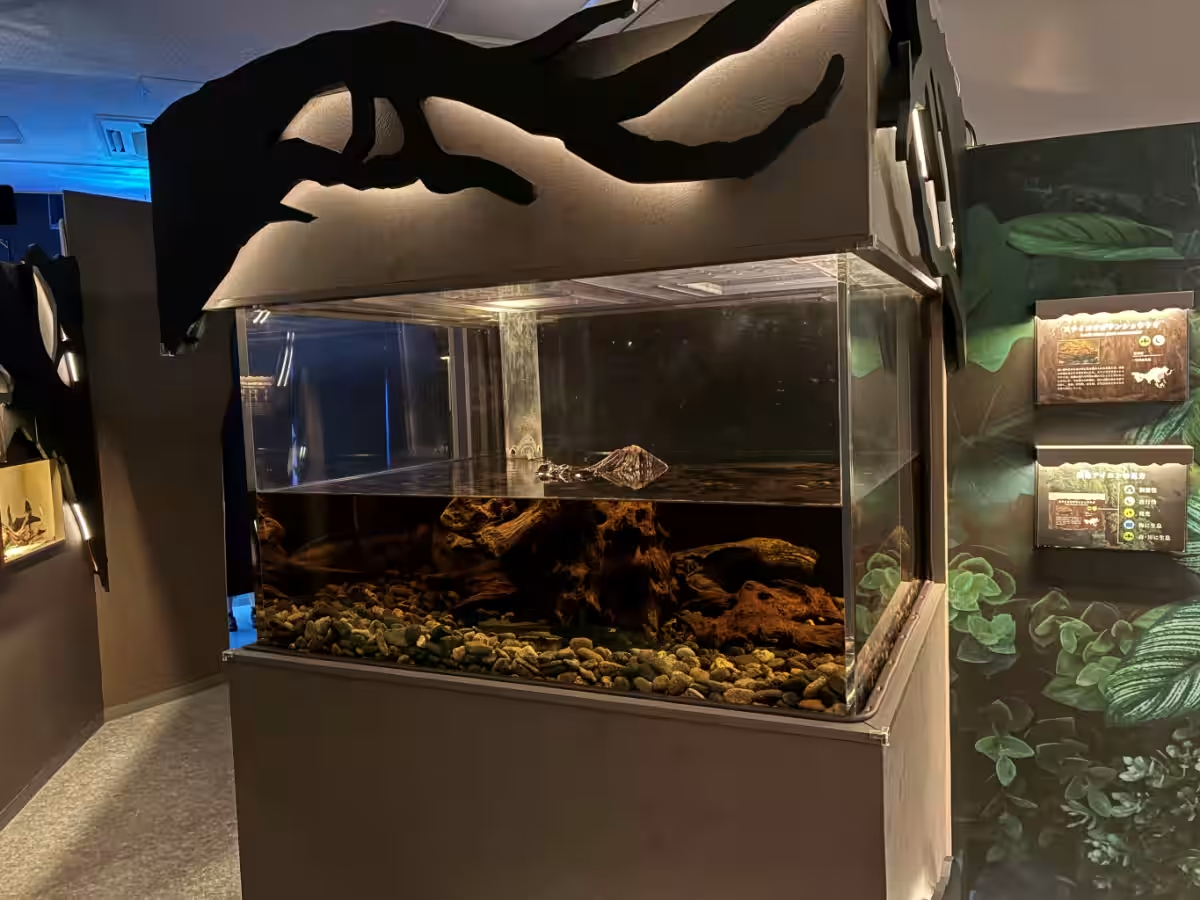
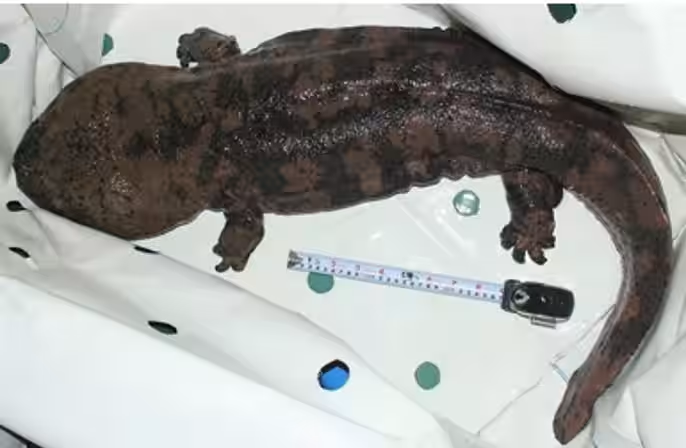
In an unexpected twist in the realm of wildlife conservation, the Slaiyu Giant Salamander has emerged as a potential beacon of hope for extinct species. Currently on display at Sunshine Aquarium in Ikebukuro, Tokyo, the exhibit is part of a special showcase called the "Midnight Creatures Exhibit," which spotlights nocturnal animals. Among the stars of the show is the Slaiyu Giant Salamander, with only two known living specimens in the world, including one at the aquarium and another at a private facility in Hiroshima.
The Discovery Journey
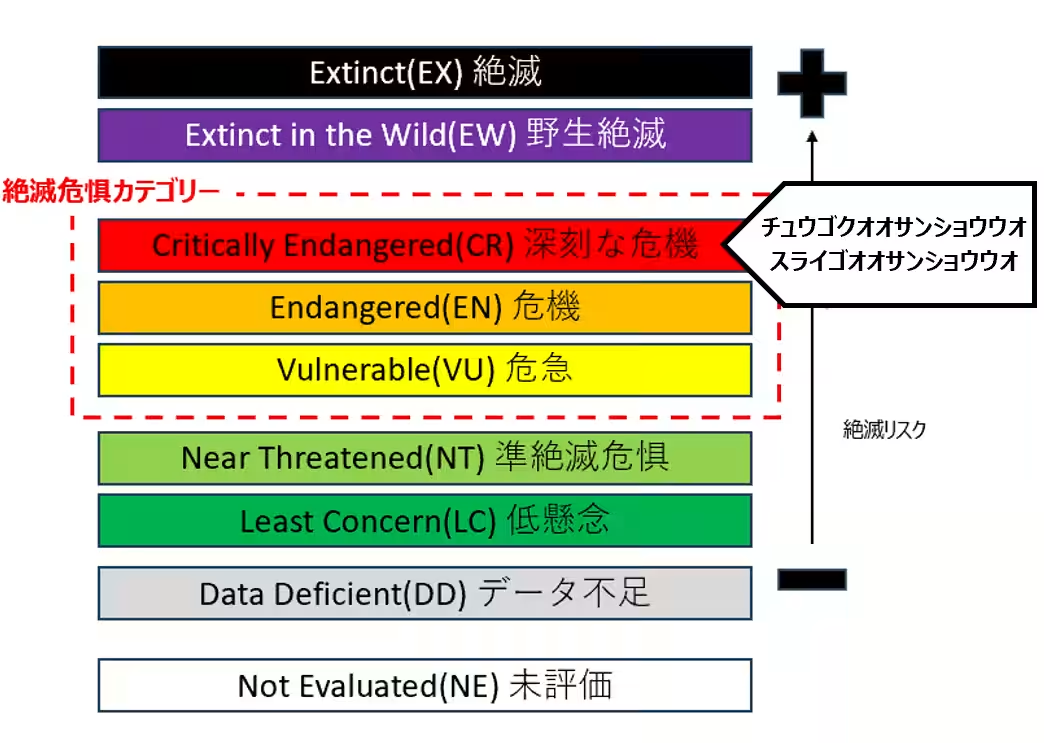
This fascinating salamander species, a member of the world’s largest amphibians, was previously thought to have gone extinct in China. Its story began in 1999, when it was initially identified as a Chinese Giant Salamander. However, groundbreaking research by Kyoto University in 2024 revealed the aquarium’s resident was, in fact, the Slaiyu species, long believed to be extinct, prompting a sense of urgency in conservation efforts.
Professor Kant Nishikawa's Insight
At the forefront of this revelation is Professor Kant Nishikawa, a leading expert in salamander research. His work initiated with a serendipitous encounter with an amphibian during a flood while he was a student, shaping his lifelong passion for these creatures. Now, he is investigating hybridization between native and introduced salamanders in Japan, igniting concerns over biodiversity loss and prompting more intensive studies.
In an exclusive interview, Professor Nishikawa expressed the incredible significance of the salamander's discovery: "Finding Slaiyu in Japan provided a glimmer of hope not only for local ecosystems but possibly for broader efforts in species revival through technologies such as cloning."
Ecological Importance and Concerns
Despite the acclaimed discovery, the Slaiyu Salamander’s status as an invasive species complicates its fate in Japan, where it is viewed as a nuisance species due to its hybridization with local varieties. Such dynamics often lead to oversimplified narratives casting foreign species as merely harmful. However, this particular instance demonstrates that even those labeled as invaders can play crucial roles in ecological balance and species conservation.
Potential for Cloning and Future Research
Discussion surrounding the technology for cloning extinct species has intensified, and as Professor Nishikawa highlighted, the Slaiyu Salamander could lead the way for future research endeavors. While questions around the feasibility, costs, and ethical implications remain, the genetic information gleaned from the living specimens could inform conservation strategies should more individuals be discovered.
"We might find new varieties of the Chinese Giant Salamander that we haven’t previously recognized. Our exploration into the genetic makeup will not only help in reclassifying species but could also serve in resurrecting those which we believe to have vanished," he said.
Visiting Sunshine Aquarium
Visitors to Sunshine Aquarium have the unique opportunity to witness this remarkable creature, gaining insights into its care and the implications of its surprising survival amidst the expected demise of its species. The importance of public engagement in science cannot be overstated; the aquarium emphasizes understanding that conservation efforts extend beyond just focusing solely on native species.
Aquarist Hikari Kamiichi, who has cared for the salamander since his tenure began, shared his astonishment upon learning the true identity of the long-kept specimen: "This is an extraordinary opportunity for education and awareness regarding environmental conservation and biodiversity. Though labeled an outsider, the Slaiyu Salamander exemplifies nature’s complexity and opportunities for revival."
Conclusion
In conclusion, the story of the Slaiyu Giant Salamander encapsulates an extraordinary narrative of survival against all odds and invites us to reflect on the complexities of nature's web. The Sunshine Aquarium’s exhibition not only serves as a platform to observe this rare amphibian but also ignites discussions on the future of extinction and biodiversity. As our understanding of the delicate balance of ecosystems evolves, so too do our strategies for ensuring the survival of our planet's most threatened inhabitants.
The journey of the Slaiyu Salamander teaches us that even what may seem like an inconvenience can turn into a vital resource for conservation and restoration efforts toward our ecological heritage.


Topics Environment)
【About Using Articles】
You can freely use the title and article content by linking to the page where the article is posted.
※ Images cannot be used.
【About Links】
Links are free to use.