



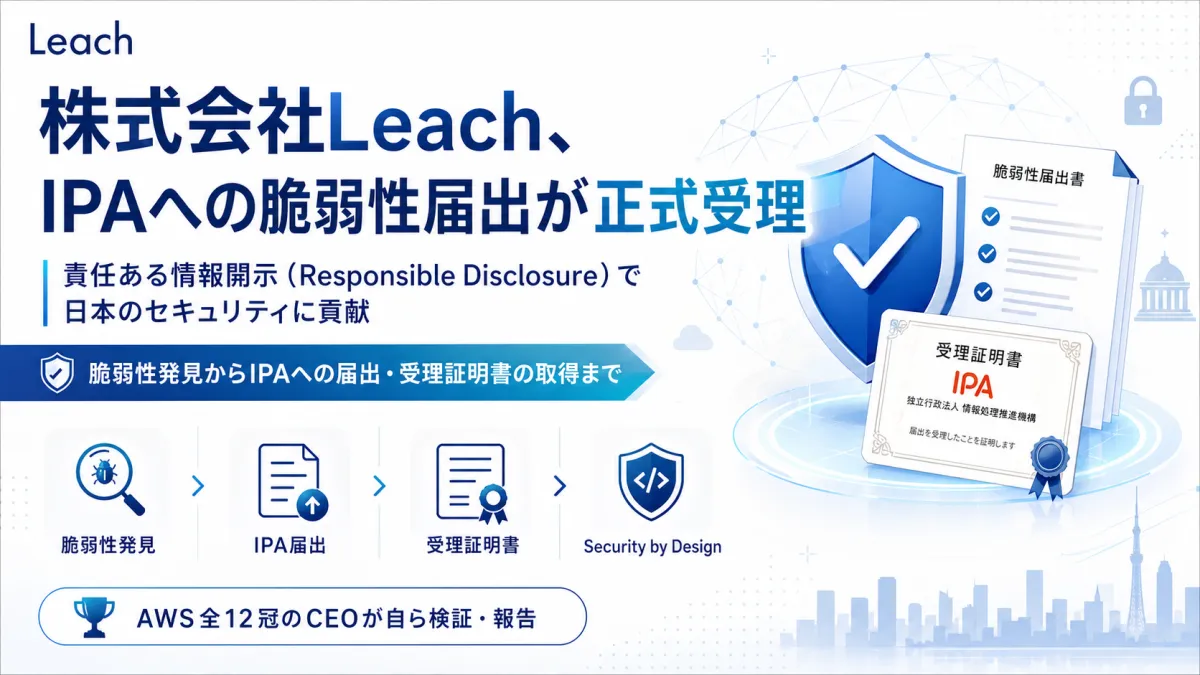
株式会社Leach Achieves Official Acknowledgment from IPA for Security Vulnerability Report
株式会社Leach Achieves Official Acknowledgment from IPA for Security Vulnerability Report
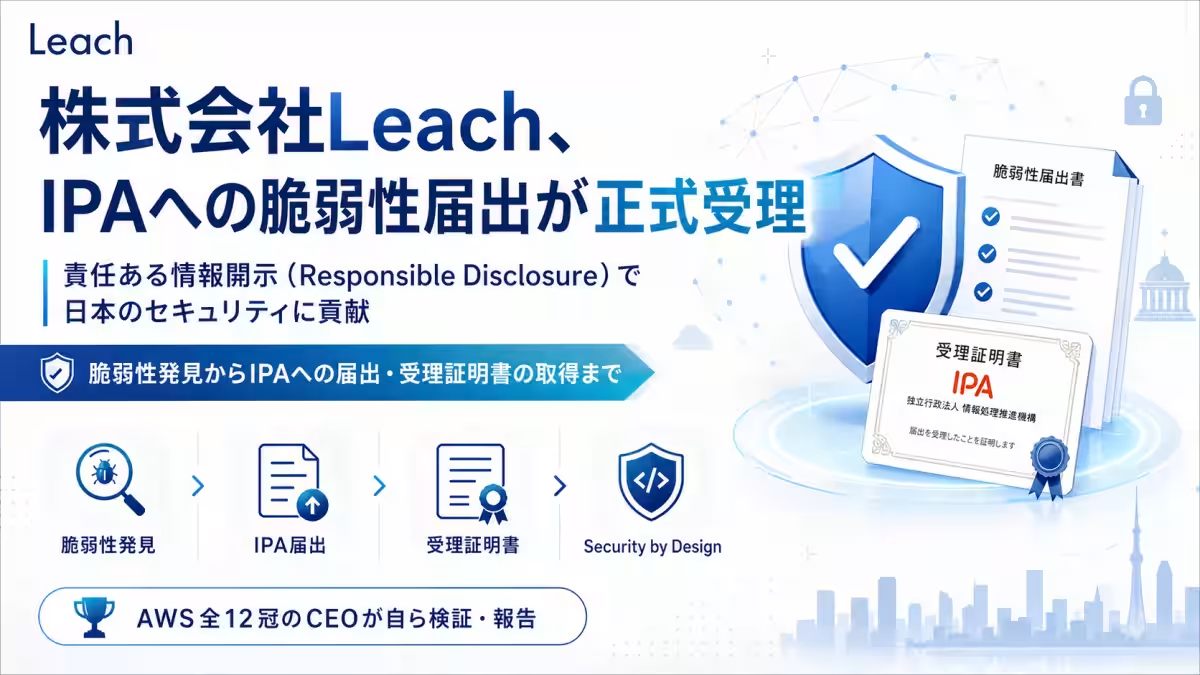
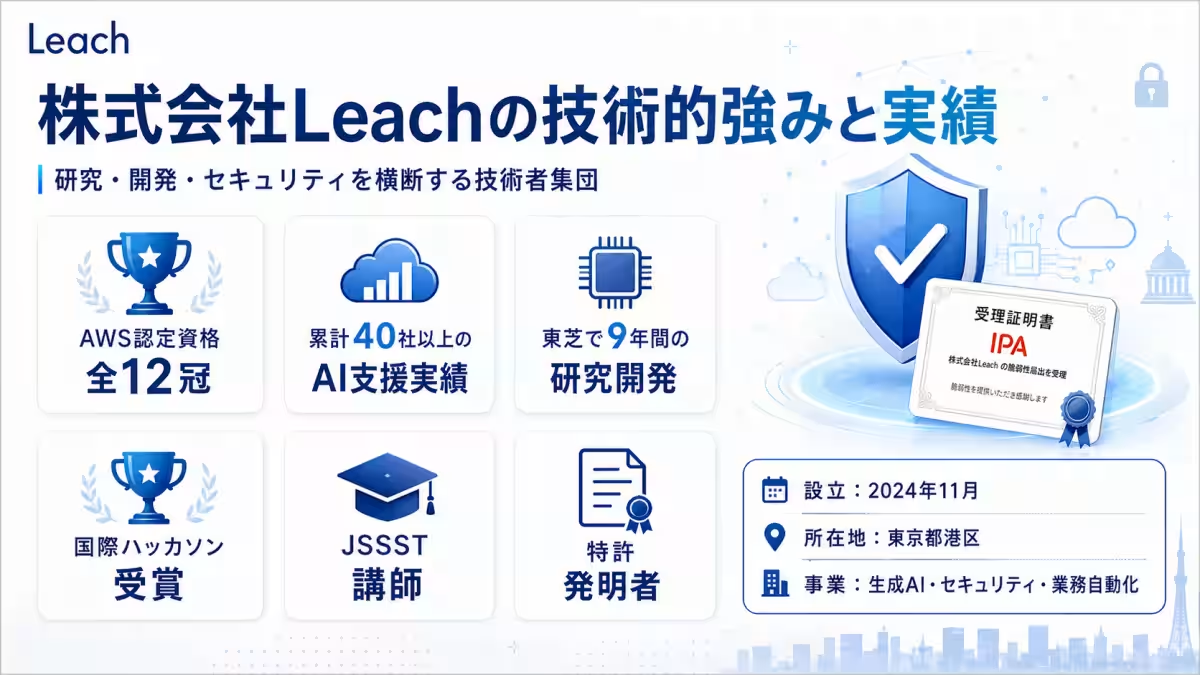
株式会社Leach, a Tokyo-based startup specializing in generative AI, has announced the successful report of a potential vulnerability in a web service to the Information-Processing Promotion Agency (IPA), Japan's official cybersecurity authority. This report was formally acknowledged and resulted in the issuance of a certificate of acceptance for vulnerability-related information. By practicing responsible disclosure, Leach exemplifies a commitment to enhancing Japan's security landscape.
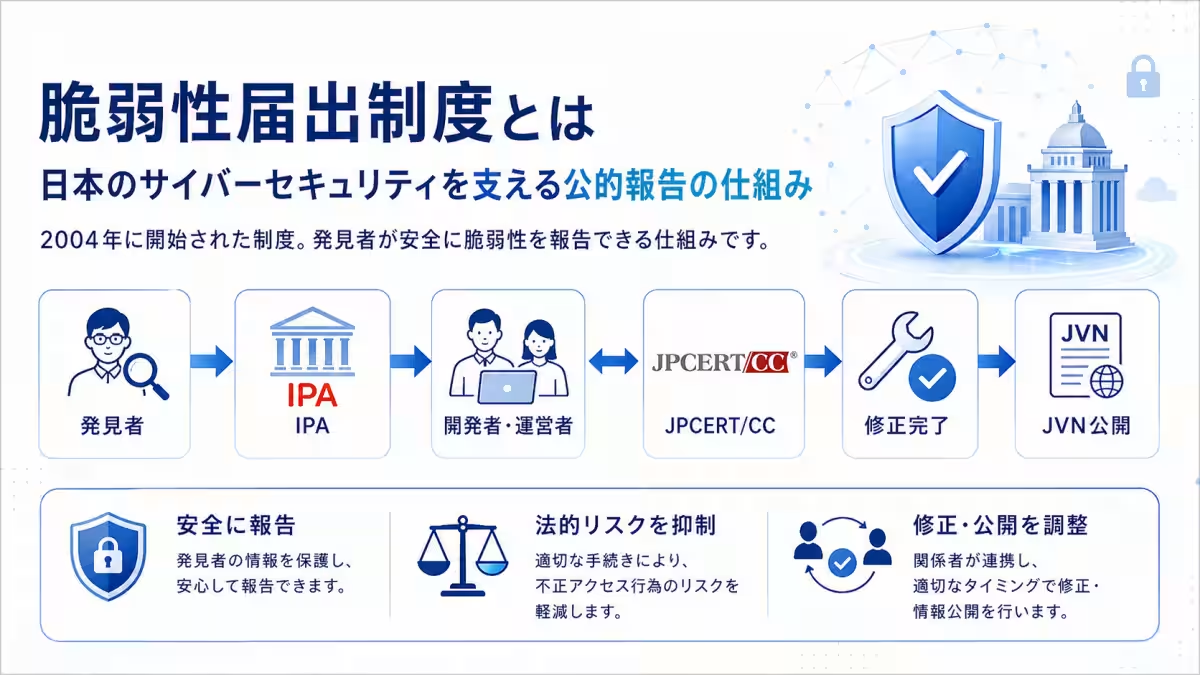
Understanding the Vulnerability Reporting System in Japan
Initiated in July 2004, IPA's vulnerability reporting system was established under the Ministry of Economy, Trade and Industry's guidelines. It serves as a conduit for individuals who discover vulnerabilities in software or websites to safely communicate this information to developers or operators. Reporters can submit vulnerability reports without facing legal risks, and IPA acts as a coordinative body to urge developers to address the issues, collaborating with JPCERT/CC. Since its inception, thousands of vulnerability reports have been submitted, significantly contributing to Japan's cybersecurity. However, the bulk of these reports come from individual security researchers, highlighting the rarity of corporations, like Leach, publicly disclosing their vulnerability findings.
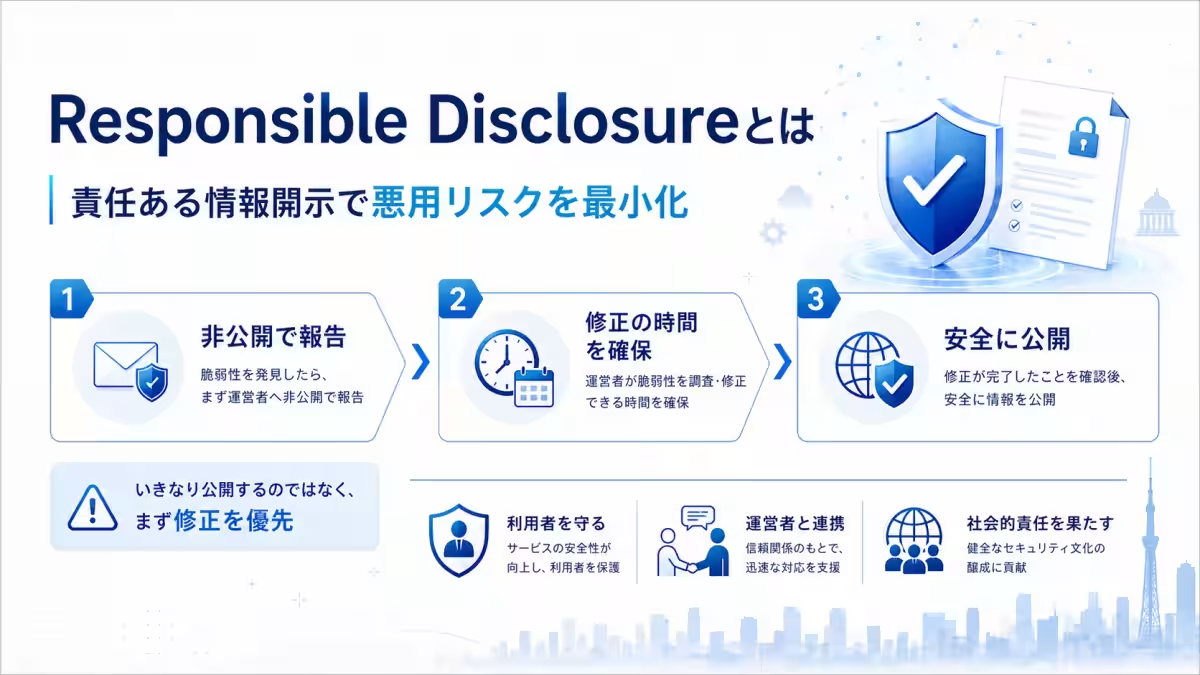
What is Responsible Disclosure?
Responsible disclosure refers to the practice of privately notifying developers about a discovered vulnerability before making it public. This method allows developers time to address the issue and is endorsed by major global tech firms like Google and Microsoft as a security best practice. This approach minimizes the risk of exploitation by malicious actors. Leach has utilized IPA's official framework to execute its responsible disclosure.
Background and Process of Reporting
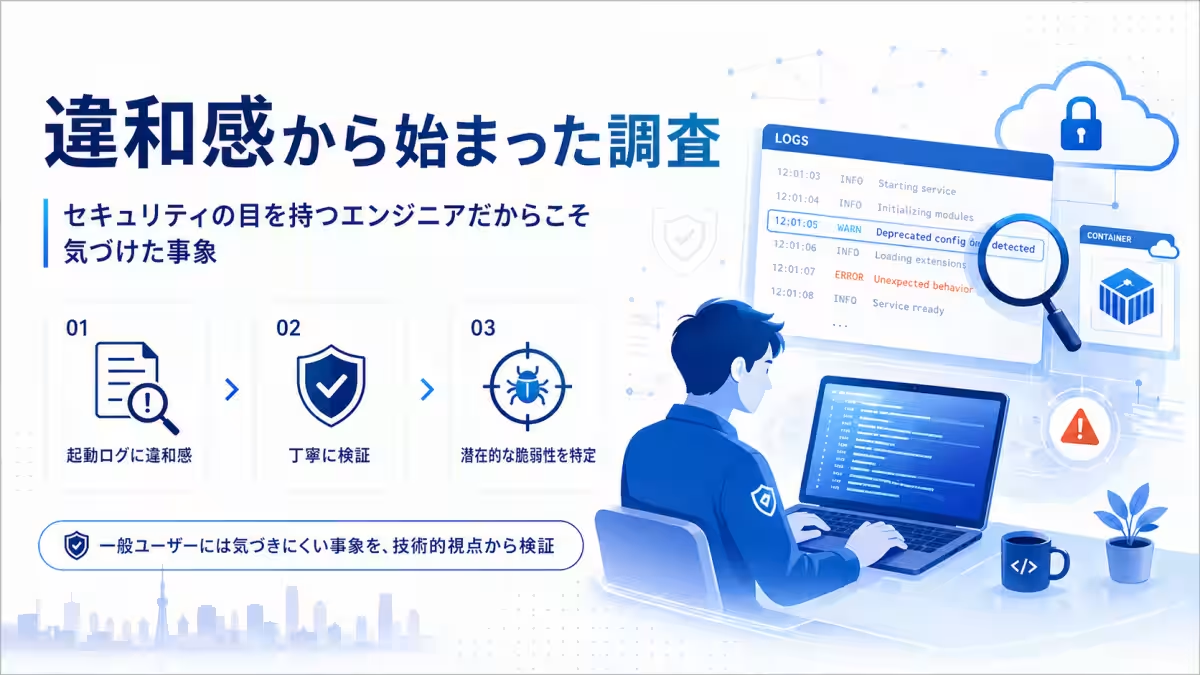
Leach’s CEO, Takuya Tominaga, detected unusual behavior while utilizing an online container training environment, prompting him to investigate further. Tominaga, with nine years of experience at Toshiba Software Technology Center in firmware development, cloud infrastructure design, and security measures, recognized the potential severity of the vulnerability and promptly decided to report it to the relevant public authorities.
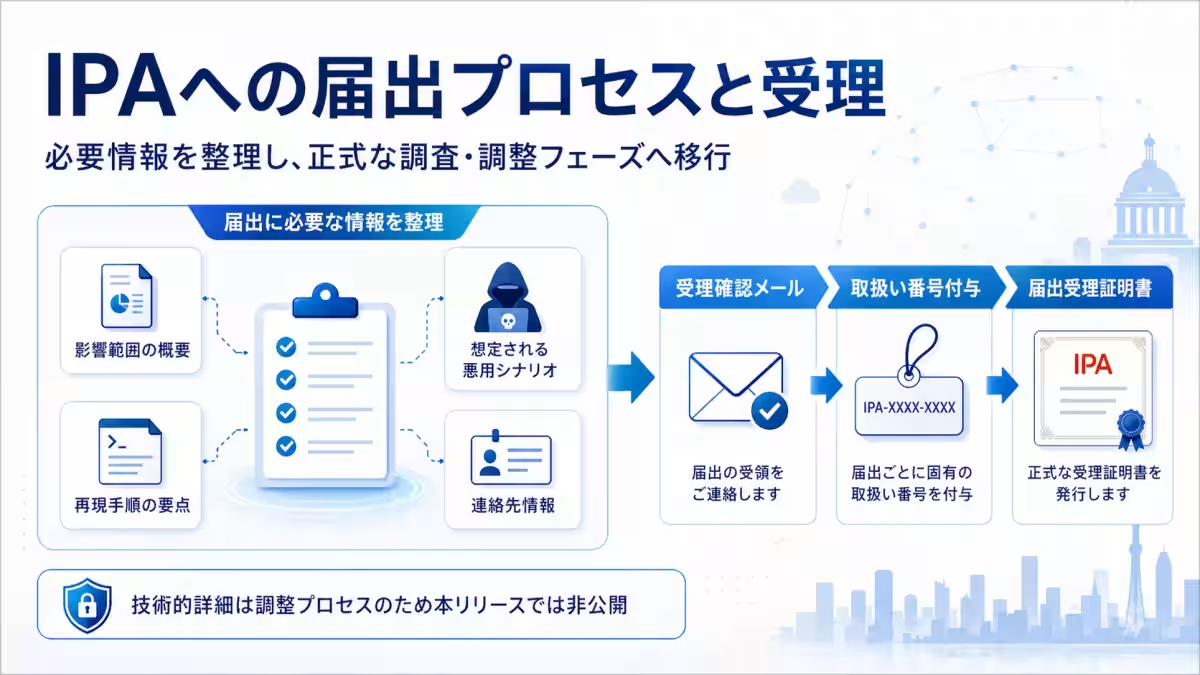
Upon discovering the vulnerability, he submitted pertinent information through IPA's reporting form, which included:
- - Scope of impact: Conditions under which the vulnerability may occur.
- - Reproduction steps: Clear instructions for replication by third parties.
- - Potential exploitation scenario: Possible damages that could arise from an attacker's misuse of the vulnerability.
- - Contact information: For IPA to reach out with follow-up inquiries.
After submission, an acknowledgment email was received within a few days, facilitating the transition to the formal investigation and coordination phase. A certificate of acceptance for vulnerability-related information was issued after a few weeks.
The Importance of Corporate Vulnerability Reporting
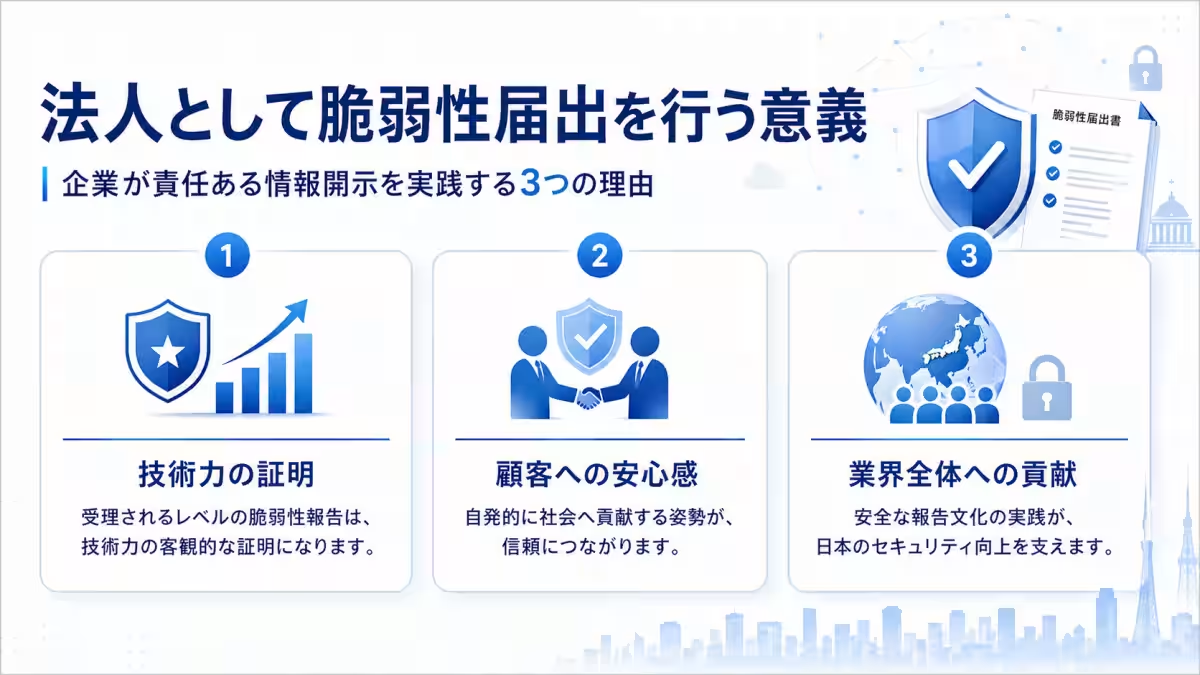
Most vulnerabilities are reported by individual researchers rather than corporations. However, when a company publicly acknowledges its discovery and reporting of vulnerabilities, it serves three major purposes:
1. Demonstration of Security Competence: Reporting vulnerabilities at a level recognized by IPA proves the technical capabilities of the company.
2. Reassurance to Clients: Proactive corporate social responsibility in cybersecurity enhances customer trust.
3. Contributing to Industry-wide Security Improvement: Reporting vulnerabilities in a safe framework at the corporate level is essential for bolstering Japan's overall information security.
Security Support through Leach’s Generative AI Consulting
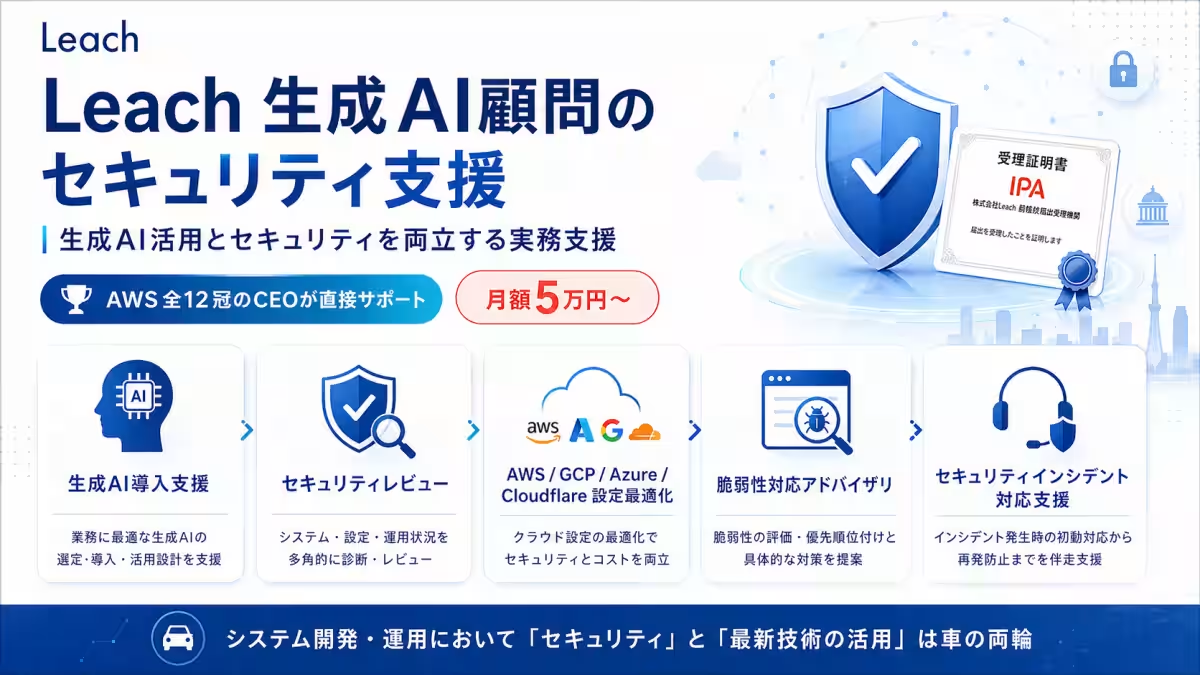
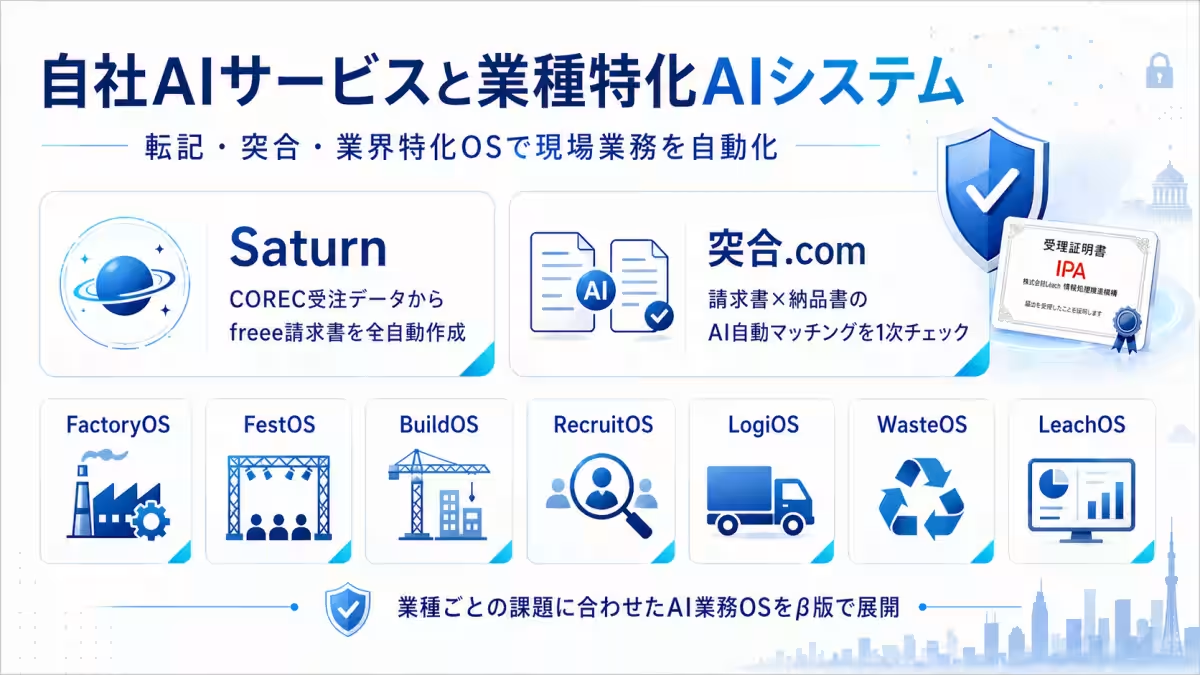
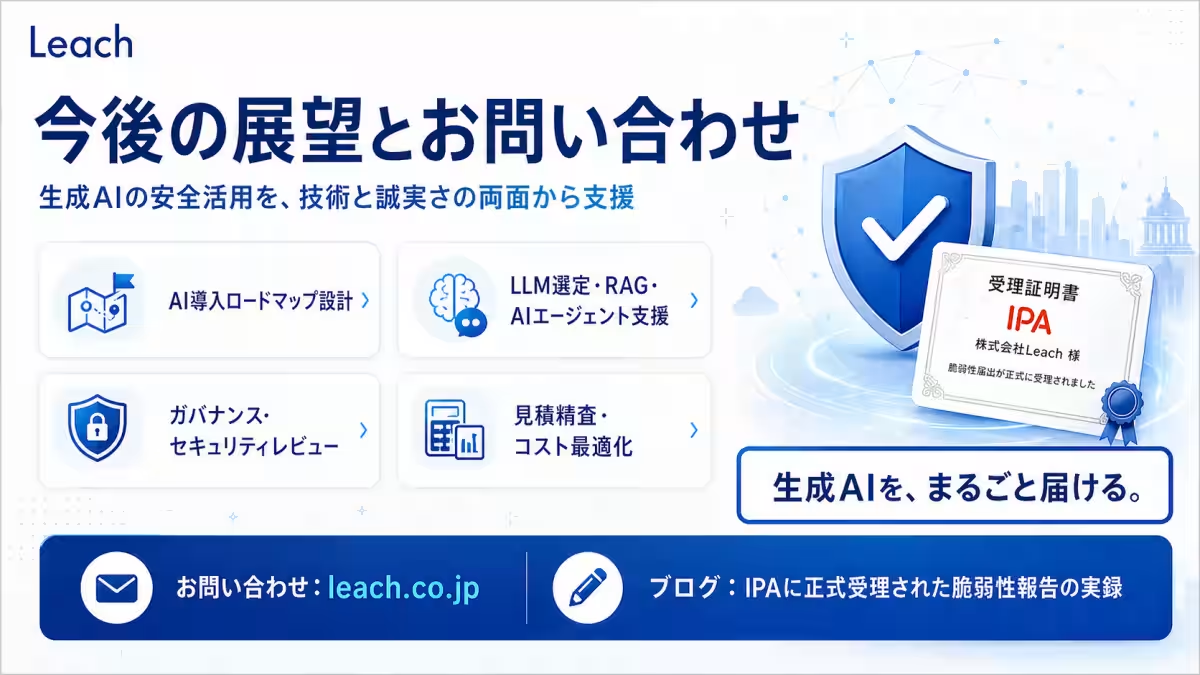
Leach’s generative AI consulting services begin from 50,000 yen per month, covering extensive security measures and insights. Some of the core services provided include:
- - Support for implementing cutting-edge technologies like generative AI.
- - Security reviews of system architectures.
- - Optimizing security settings for cloud infrastructures including AWS, GCP, Azure, and Cloudflare.
- - Advisories for vulnerability response.
- - Emergency incident response support.
With extensive hands-on experience, Tominaga, who holds 12 AWS certifications, personally guides clients through cloud security challenges, ensuring they stay ahead in cybersecurity. You can find comprehensive details on their services at Leach's Website.
Frequently Asked Questions (FAQ)
Q. Will the details of the reported vulnerability be made public?
A: This is at the discretion of IPA and the service provider under coordination. Information may be published later in the Japan Vulnerability Notes (JVN).
Q. Do you offer security diagnostic services?
A: Security reviews and optimization of cloud infrastructure settings are provided as part of our generative AI advisory service.
Q. What do you mean by having all 12 AWS certifications?
A: It indicates the completion of all AWS certification categories, showcasing our expertise in cloud infrastructure and security.
Q. How was Leach able to find this vulnerability?
A: Takuya Tominaga’s comprehensive technical background and experience in security research led to identifying vulnerabilities that may escape the notice of ordinary users.
Q. Any advice for companies considering utilizing the vulnerability reporting system?
A: Companies should be prepared for a technically rigorous process that includes detailed vulnerability documentation and significant coordination time.
Conclusion
Leach is dedicated to enhancing security within the generative AI landscape and will continue advancing research and communication regarding best practices in cybersecurity. As the industry evolves with AI agents executing commands autonomously, the importance of corporate governance and security response measures heightens. Leach's mission is to deliver generative AI in a holistic manner, leading Japan's embrace of AI technology both as a technical facilitator and a morally responsible entity.
Topics Consumer Technology)
【About Using Articles】
You can freely use the title and article content by linking to the page where the article is posted.
※ Images cannot be used.
【About Links】
Links are free to use.