



The Current State of AI Utilization in Japanese Companies: Insights from 2026 Report
Unveiling the Current State of AI Utilization in Japanese Companies
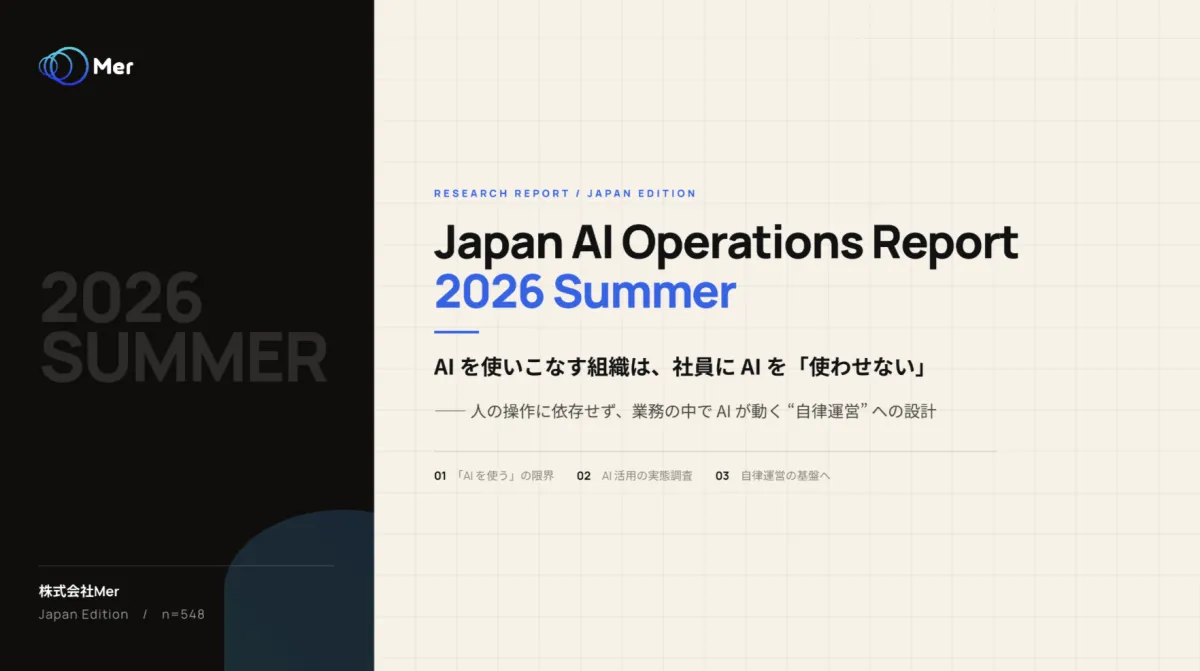
In a recently published report titled "Japan AI Operations Report 2026 Summer," Mer, a company specializing in AI Operations, conducted a comprehensive survey among 548 executives and staff from various businesses in Japan. This investigation sheds light on the integration of generative AI in corporate environments, revealing remarkable insights about its usage, operational structures, and the hurdles still facing the industry.
Key Findings of the Report
1. Human Activation Dominates AI Utilization
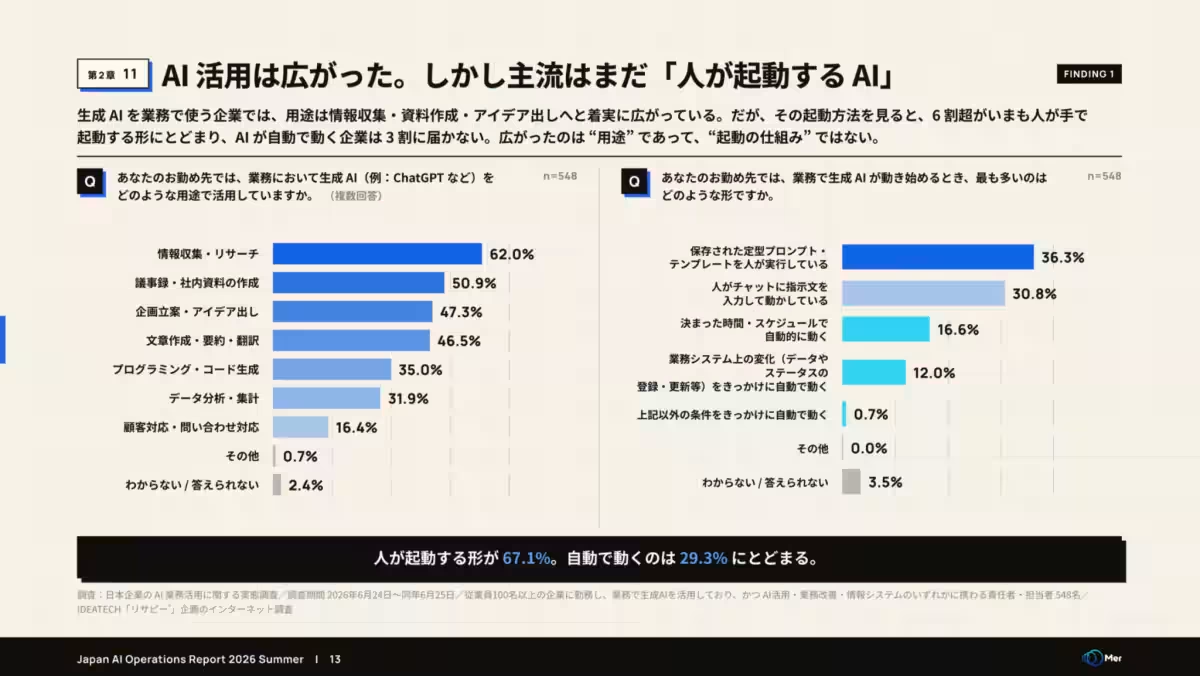
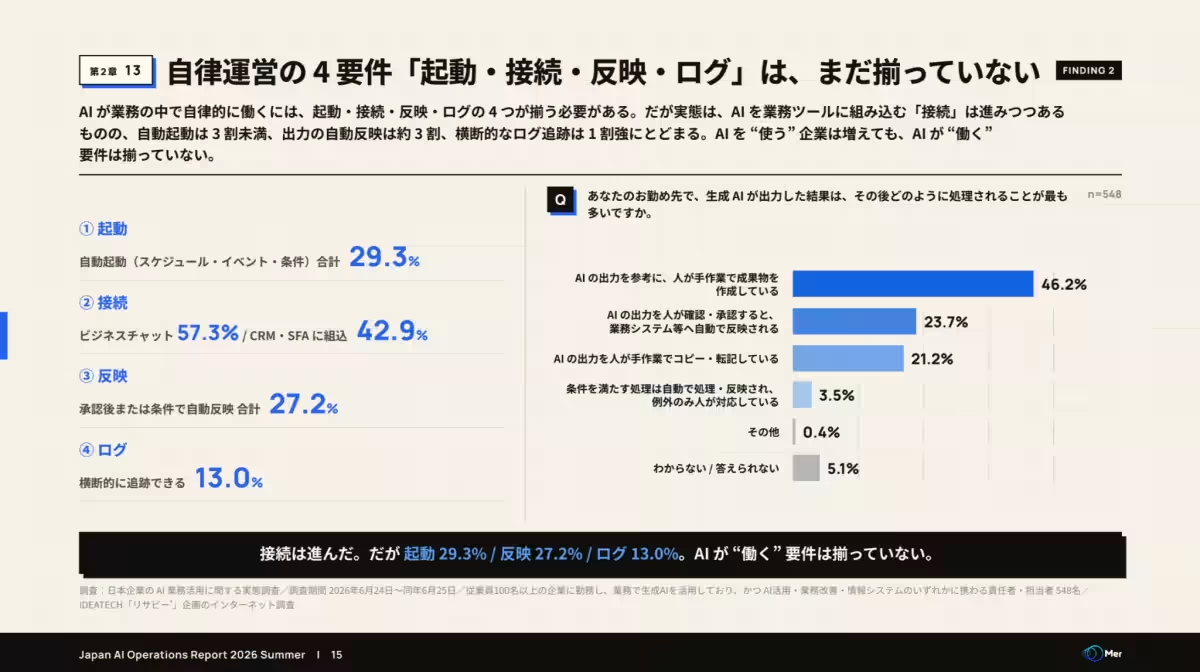
The data shows that an overwhelming 67.1% of AI operations still require human initiation. Specifically, the survey highlighted two primary forms of AI activation: 36.3% engage in executing pre-saved prompts manually, while 30.8% input commands directly through chat interfaces. In contrast, only 29.3% of AI processes operated automatically based on scheduling or internal system updates.
This trend indicates that while generative AI's applications are expanding, the mechanisms determining when AI activates are still largely manual, underscoring a significant operational gap.
2. Limited Full Automation
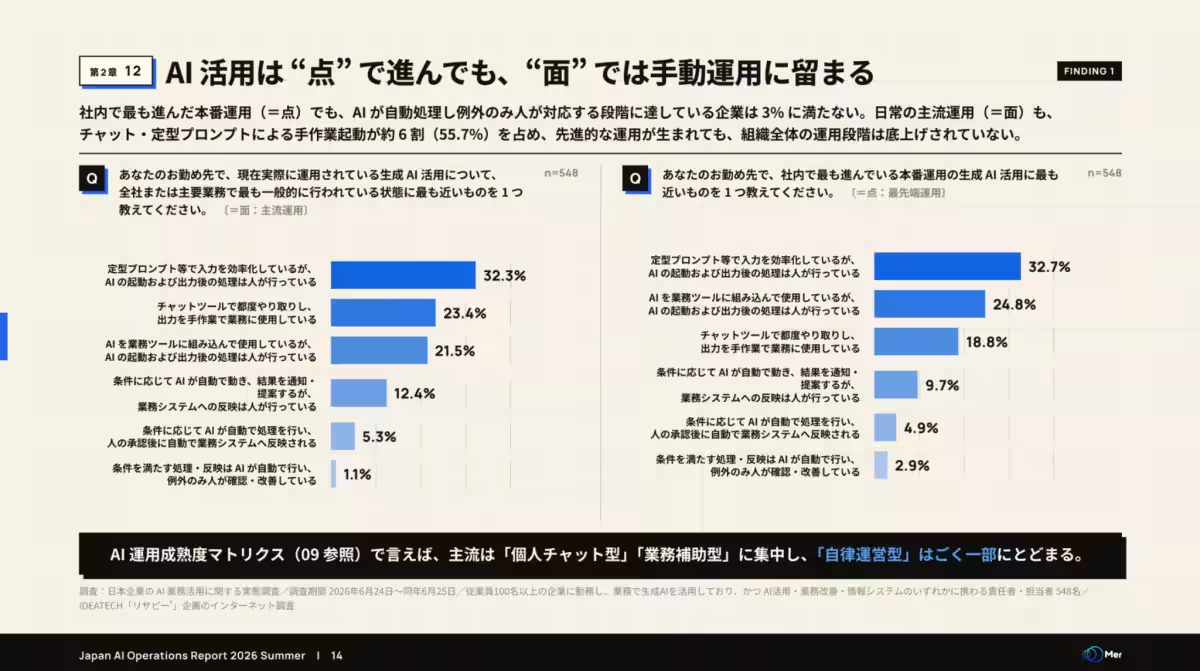
Despite advancements in AI deployment, mere 2.9% reported achieving complete automation in AI operations. The predominant model observed was that where AI facilitates input efficiency but requires human involvement for activation and post-processing. Therefore, even in leading implementations, the reliance on human effort persists significantly.
3. Manual Reflection of AI Outputs
A considerable 67.4% of participants said that human intervention is required for processing AI outputs, whether it's through manual copying or direct utilization in workflows. Automated reflection into operational systems remains limited, with only 27.2% indicating their outputs can be automatically integrated upon human approval.
4. Data Infrastructure Challenges
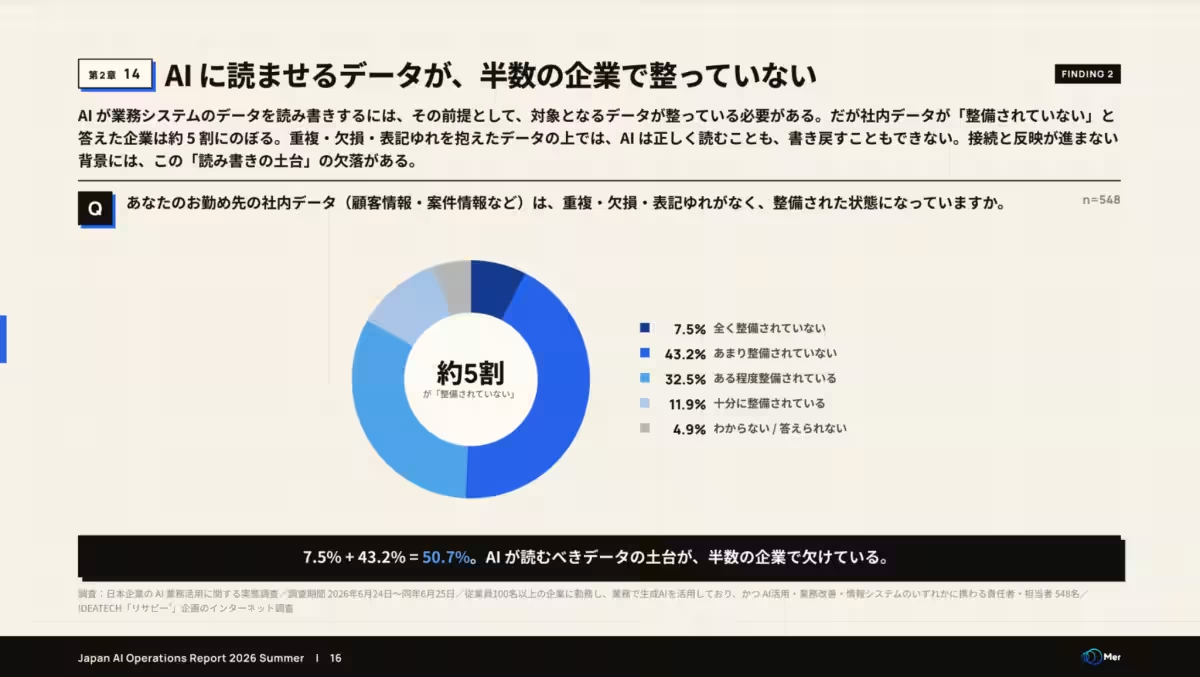
One critical finding was that over half (50.7%) of respondents claimed their corporate data, which should ideally facilitate AI applications, is poorly structured or disorganized. This lack of data integrity directly impacts AI’s ability to analyze and generate reliable outputs, ultimately diminishing the efficiency of AI integration into core business processes.
5. Investments in AI versus Operational Design
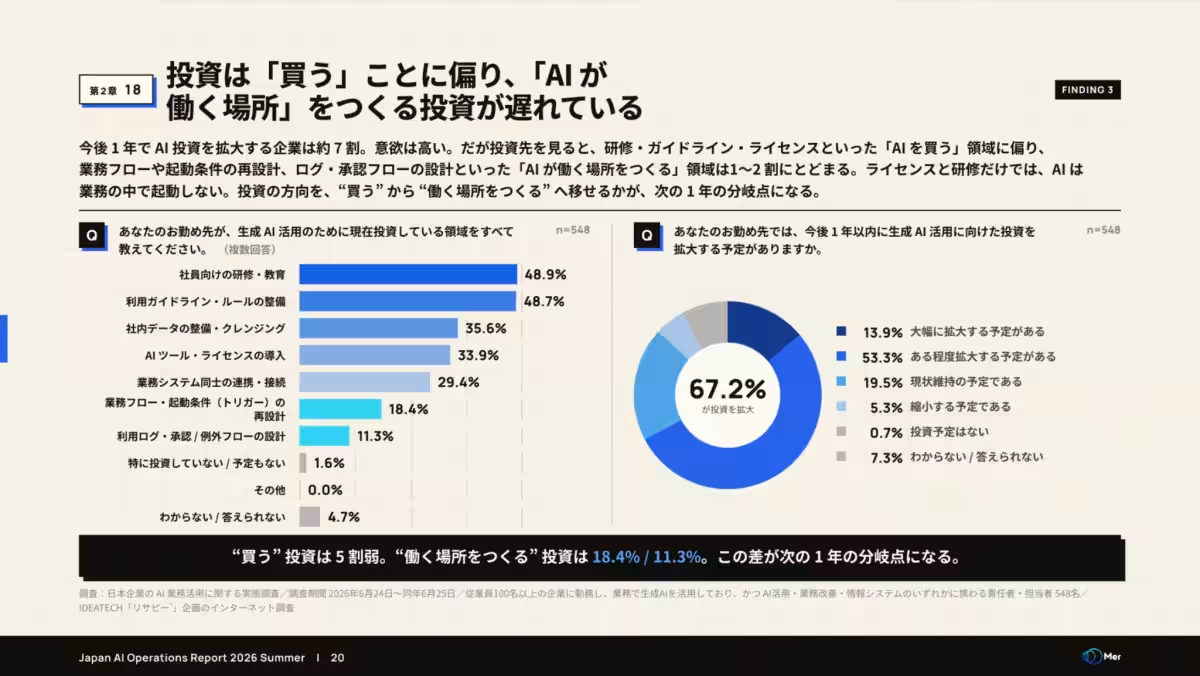
While 67.2% of companies plan to increase investments in AI in the coming year, only 18.4% are reallocating funds towards redesigning operational processes to enhance AI effectiveness. Most investments were directed towards training and adherence to usage guidelines rather than establishing robust frameworks that allow AI to function autonomously within business operations.
Structural Challenges Identified
The report underscored three main structural challenges faced by Japanese firms in adopting generative AI:
1. AI Implementation is Fragmented: Although some sectors have begun integrating AI solutions, broader organizational practices remain reliant on human operations.
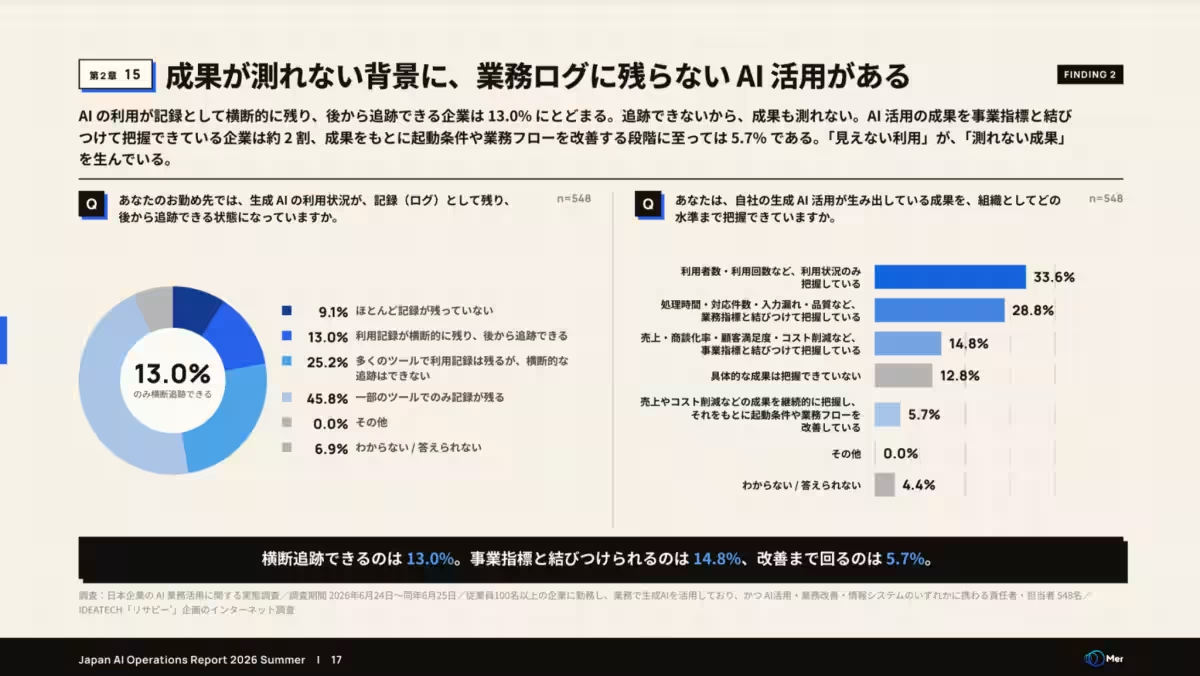
2. Lack of Comprehensive Systems: Essential elements for continuous AI operations, such as automatic activation, connection to systems, and logging, remain insufficiently established.
3. Narrow Focus on AI Acquisition: Many companies prioritize acquiring AI tools over creating a conducive environment for AI to thrive within existing workflows, limiting the transformative potential of generative AI.
The Path Forward
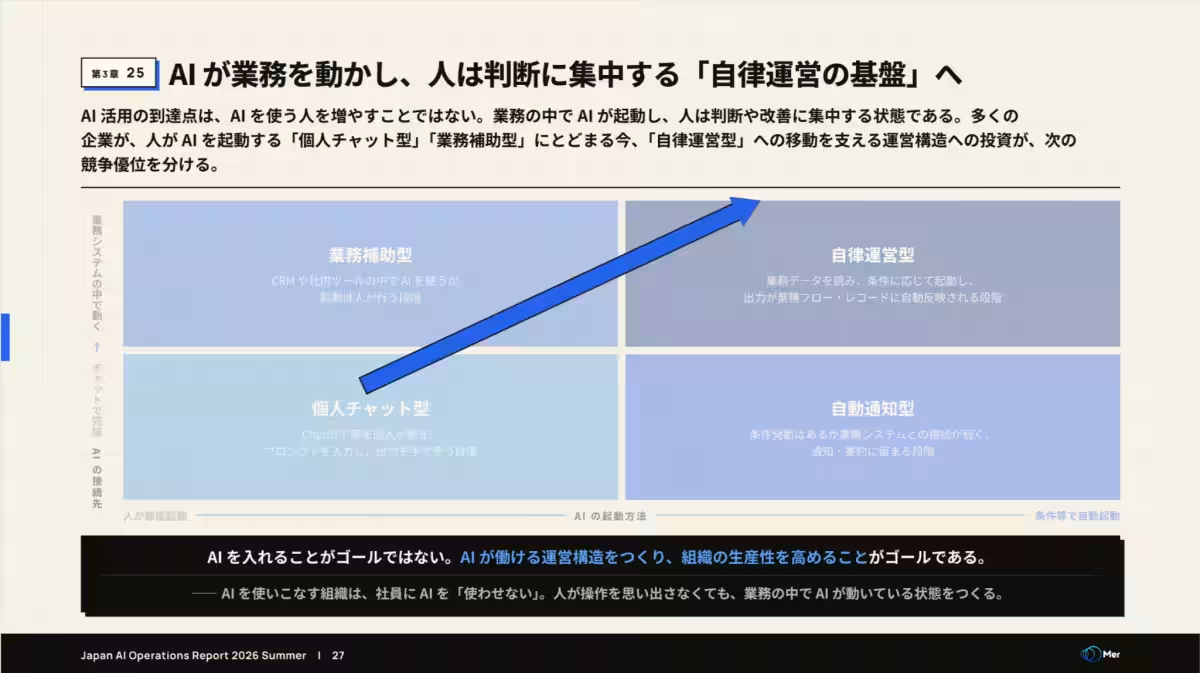
The transition from mere AI usage to automated, context-aware operations is critical. The report emphasizes restructuring the perception around AI—from being seen as just another tool for individual efficiency to becoming an integral part of seamless business processes. This shift could potentially yield significant organizational outcomes.
Mer proposes an operational model dubbed "Autonomous Management," which suggests integrating AI into everyday business processes, allowing AI to trigger actions based on predefined conditions and return results automatically. This conceptual shift could significantly enhance productivity, reduce human error, and ultimately optimize operational efficacy.
In conclusion, the "Japan AI Operations Report 2026 Summer" offers illuminating insights into the current state of AI utilization across Japanese companies, highlighting the vast potential for transformation through thoughtful operational restructuring._
For a more in-depth look at the findings and recommendations, visit Japan AI Operations Report 2026 Summer.

Topics Other)
【About Using Articles】
You can freely use the title and article content by linking to the page where the article is posted.
※ Images cannot be used.
【About Links】
Links are free to use.