



Over 40% of SMEs Considering In-House Logistics Amid Rising Costs and Challenges
Introduction
A new survey conducted by KURANDO, a Tokyo-based company, illustrates that over 40% of small and medium-sized enterprises (SMEs) outsourcing logistics functions are currently considering bringing these operations in-house. The study, titled “Awareness and Barriers to In-House Logistics,” delves into the motivations behind these considerations and the challenges faced by SMEs in the logistics sector.
Background
The recent “2024 logistics issue” alongside escalating fuel and labor costs has prompted many large enterprises, especially prominent retail chains, to shift towards in-house logistics. This trend aims to enhance cost control and stabilize the supply chain. However, the capacity for SMEs to make similar moves remains uncertain due to their limited resources. Recognizing this need, KURANDO initiated a study to assess the awareness and challenges SMEs encounter in contemplating logistics in-house.
Survey Summary
- - Approximately 45% of SMEs requiring logistics services outsource various logistics functions, such as strategic planning, management, and operations.
- - The primary challenges identified by these SMEs include rising costs and a lack of flexibility and responsiveness in current outsourced logistics operations.
- - Notably, over 40% of SMEs currently outsourcing logistics are either in the process of considering or have previously considered bringing these functions in-house.
- - The top three motivations for contemplating in-house logistics are cost reduction, improving lead times and speed, and enhancing inventory management and control.
- - Barriers to in-house logistics include increased initial investments and operational costs, as well as challenges in securing and training specialized personnel.
- - Additionally, more than 40% of SMEs would seriously consider in-house logistics if logistics costs were to rise by less than 10% from their current state.
Detailed Findings
Current Logistics Structures
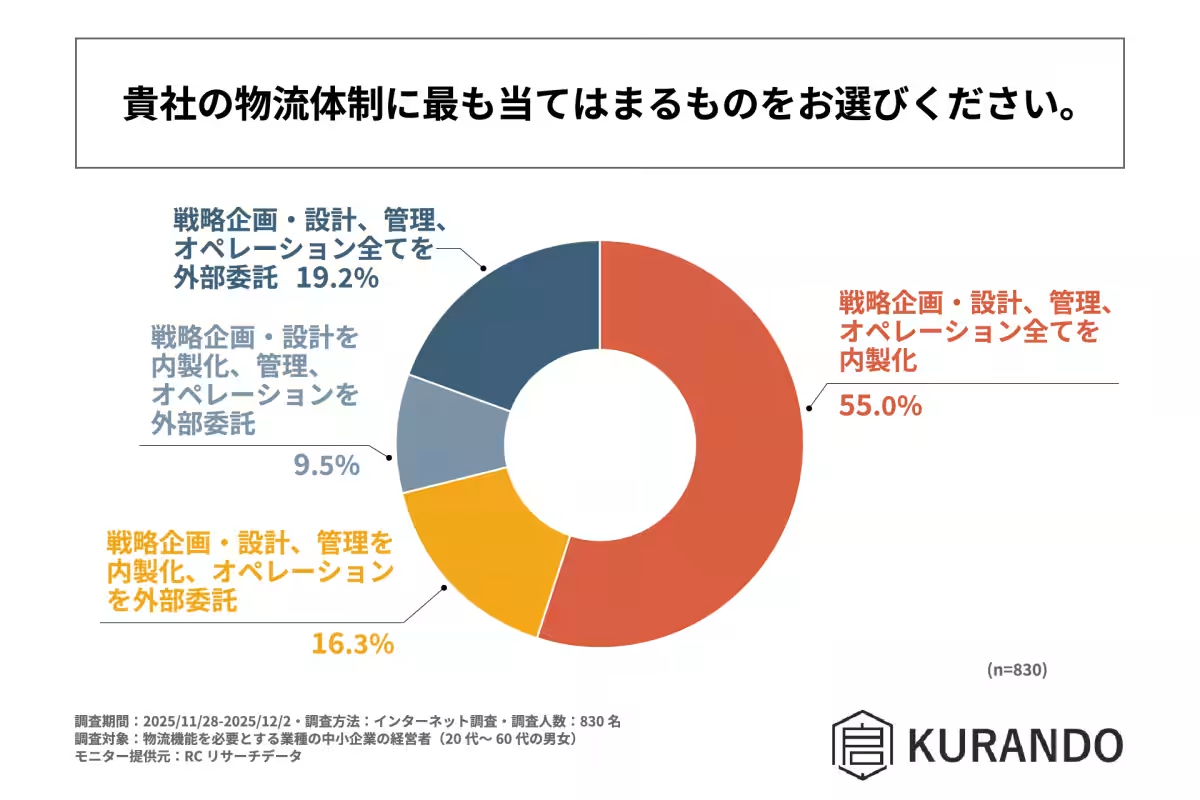
When asked about their logistics systems, responses showed that 55% handle all logistics functions in-house, while 19.2% outsource everything. A significant segment, 45%, indeed relies on external logistics providers for at least part of their operations, emphasizing that a substantial portion of these SMEs are managing logistics functions externally.
Challenges in Outsourcing
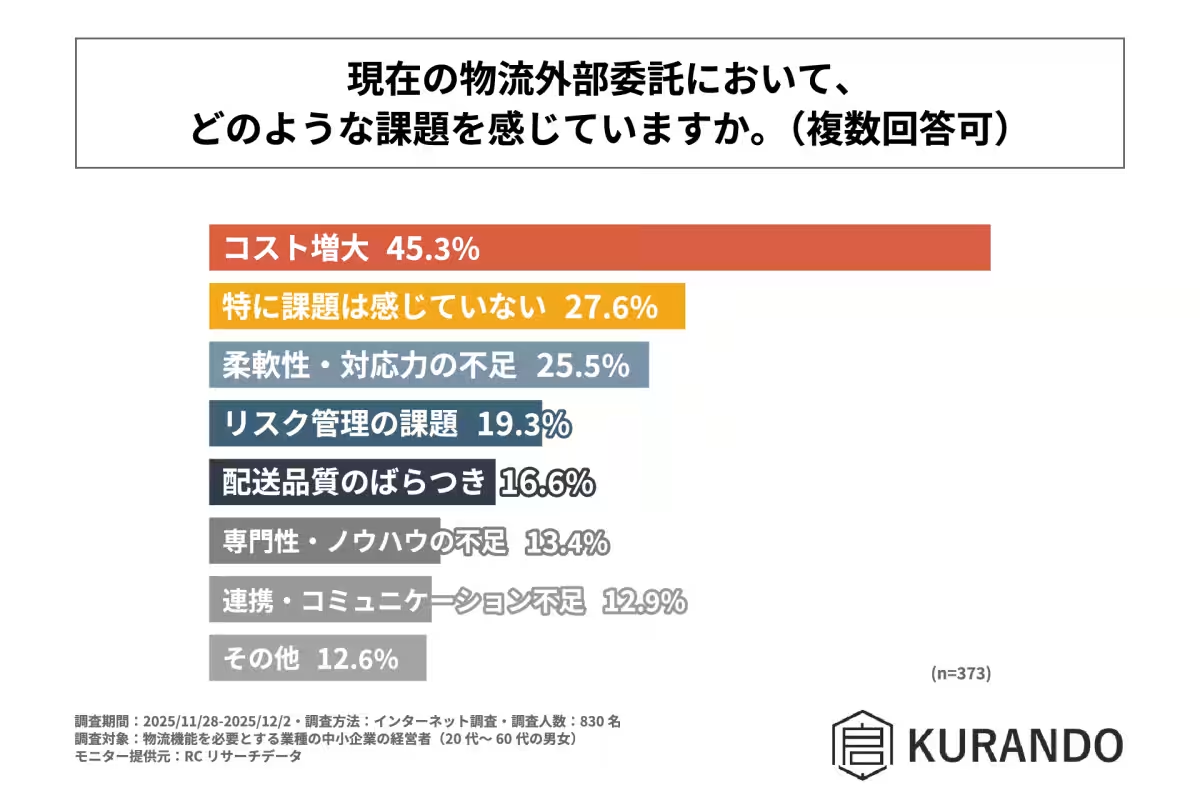
The study highlighted key issues faced by SMEs with outsourcing: 45.3% reported rising costs as a significant concern, while 25.5% noted issues with flexibility and responsiveness. Interestingly, some companies (27.6%) do not feel any major issues with their current logistics setup, indicating a variance in experiences among SMEs.
Considerations for In-House Logistics
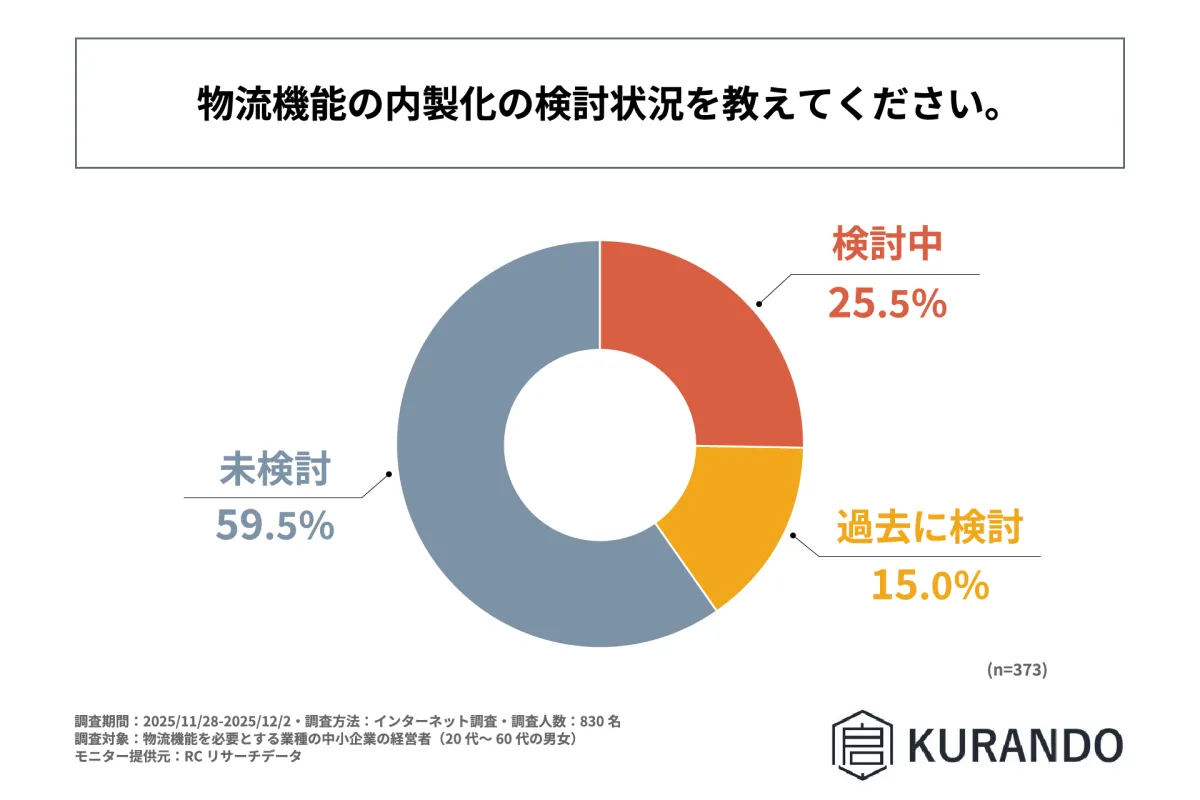
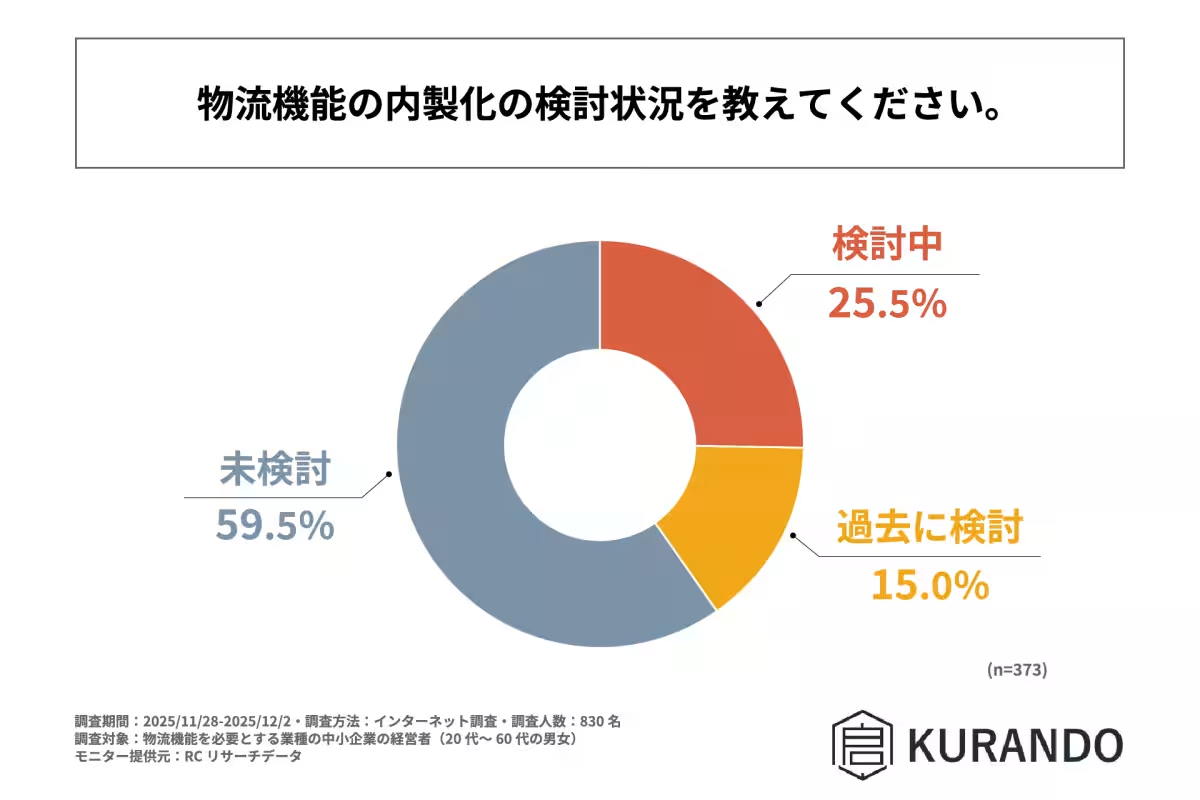
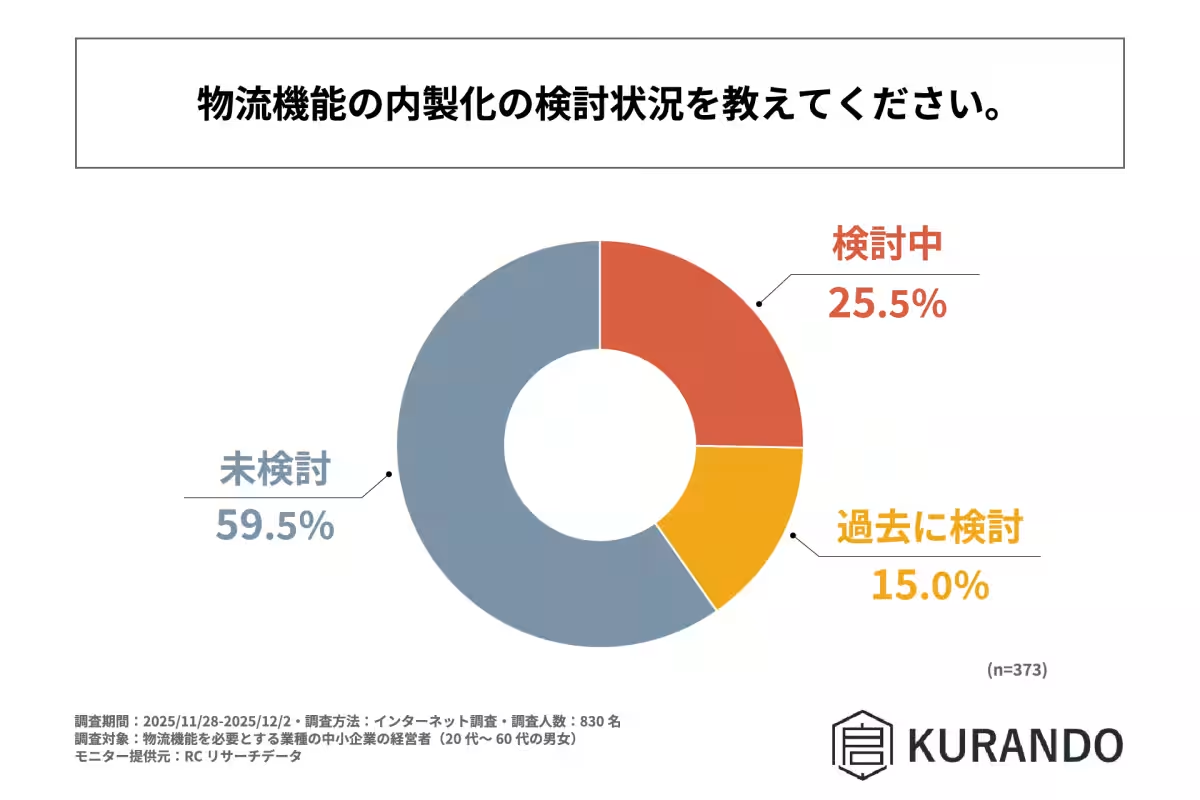
Among those SMEs that outsource logistics, 59.5% have not considered moving in-house. However, collectively, those who are currently considering or have previously thought about it account for 40.5% of respondents. This illustrates a keen interest among many SMEs to explore in-house logistics solutions further.
Reasons for Considering In-House Solutions
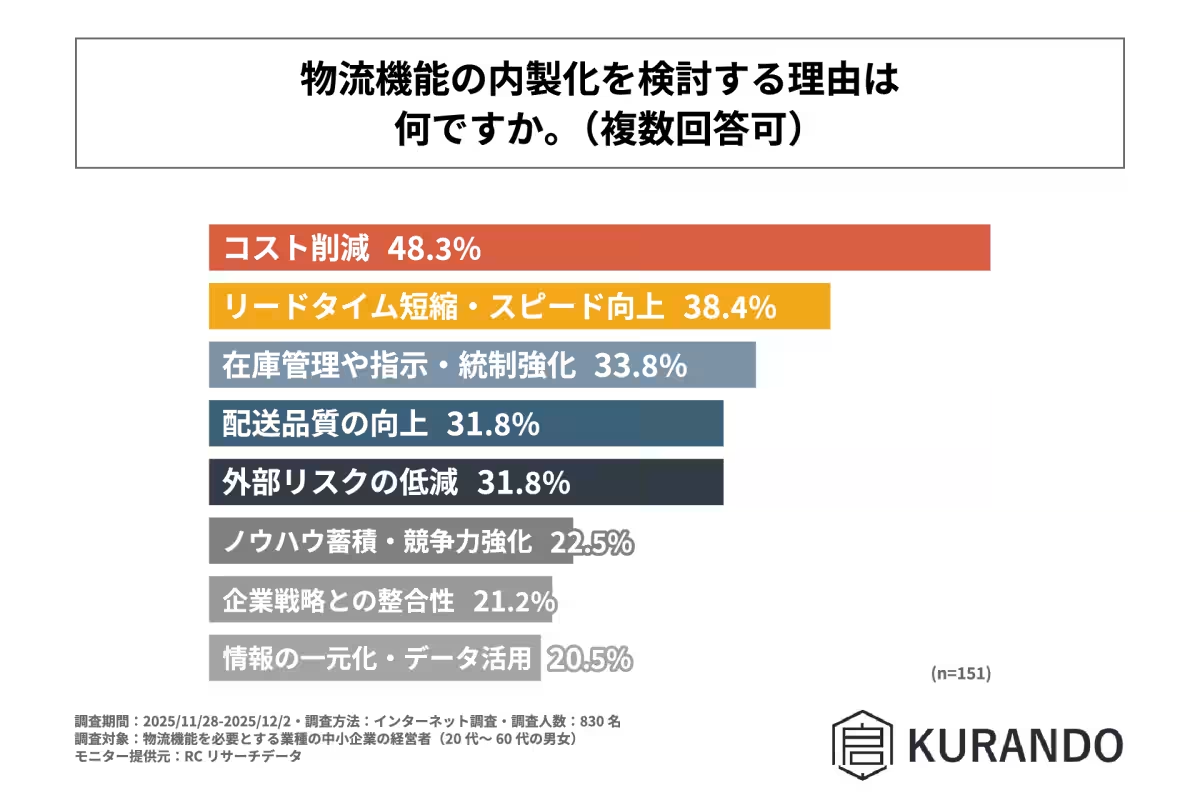
The survey revealed that cost reduction (48.3%) is the primary motivation for SMEs considering in-house logistics. Improving turnaround times and speed (38.4%), along with bolstering inventory management and oversight (33.8%), were also significant factors shaping these businesses' considerations.
Barriers to In-House Logistics
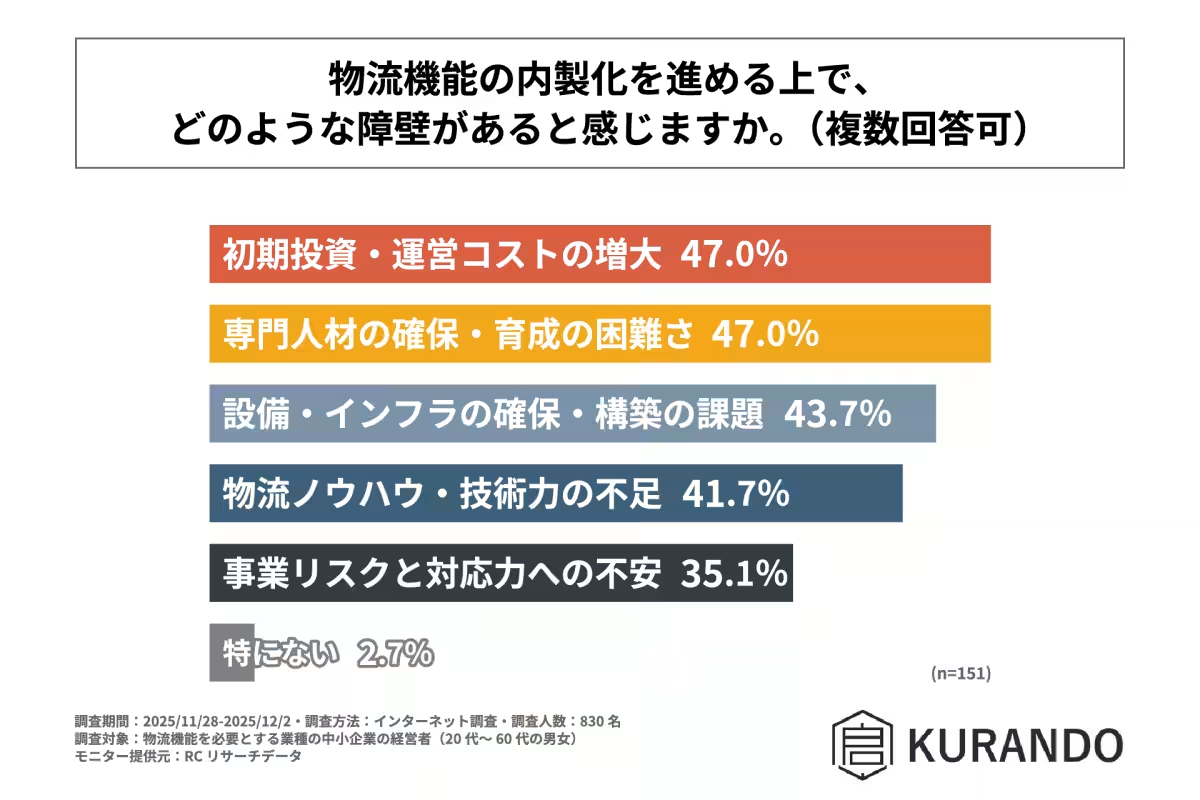
When asked about specific barriers to implementing in-house logistics, the most common issues were increased initial investment and operational costs (47.0%), as well as the difficulty of acquiring and nurturing specialized talent (47.0%). Additionally, 43.7% pointed to the challenges associated with securing necessary equipment and infrastructure.
Threshold for Serious Consideration of In-House Solutions
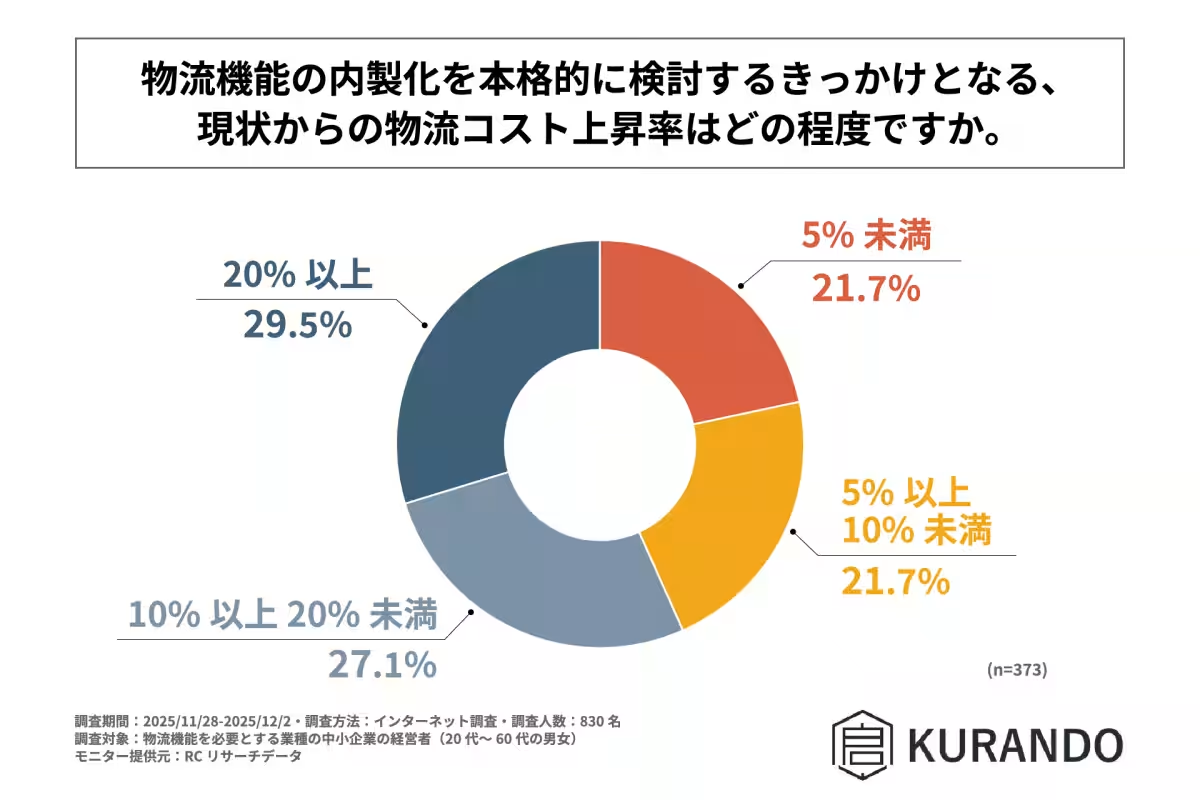
The survey concluded that a considerable portion of SMEs would begin to seriously consider in-house logistics if logistics costs increased by less than 10%. This finding indicates a significant threshold that might trigger an evaluation of logistics strategies within these organizations.
Conclusion
The results of this survey shed light on how a notable 45% of SMEs relying on third parties for logistics are currently navigating challenges such as rising costs and inadequate flexibility. More than 40% are contemplating bringing logistics functions in-house, primarily driven by the desire for cost savings, efficiency in lead times, and improvements in inventory management. However, potential hurdles such as initial investments and the necessity of specialized personnel remain concerning. KURANDO is positioned to facilitate this transition through affordable and user-friendly logistics digital transformation tools that streamline operations while minimizing costs. Tools like Logimeter, Logiboard, and Logiscope will assist SMEs in achieving operational transparency and efficiency in a landscape increasingly focused on logistical integrity.
About KURANDO
KURANDO is at the forefront of enhancing productivity and efficiency in logistics centers. Their tools provide seamless solutions for data collection, analysis, and reporting, ensuring that SMEs can effectively manage their logistics operations without undue reliance on specialized personnel. Learn more about their services at KURANDO.
Topics Business Technology)
【About Using Articles】
You can freely use the title and article content by linking to the page where the article is posted.
※ Images cannot be used.
【About Links】
Links are free to use.