



The Paradox of AI in Marketing: Strategies for Survival in the New Age
Understanding the Impact of AI on Marketing
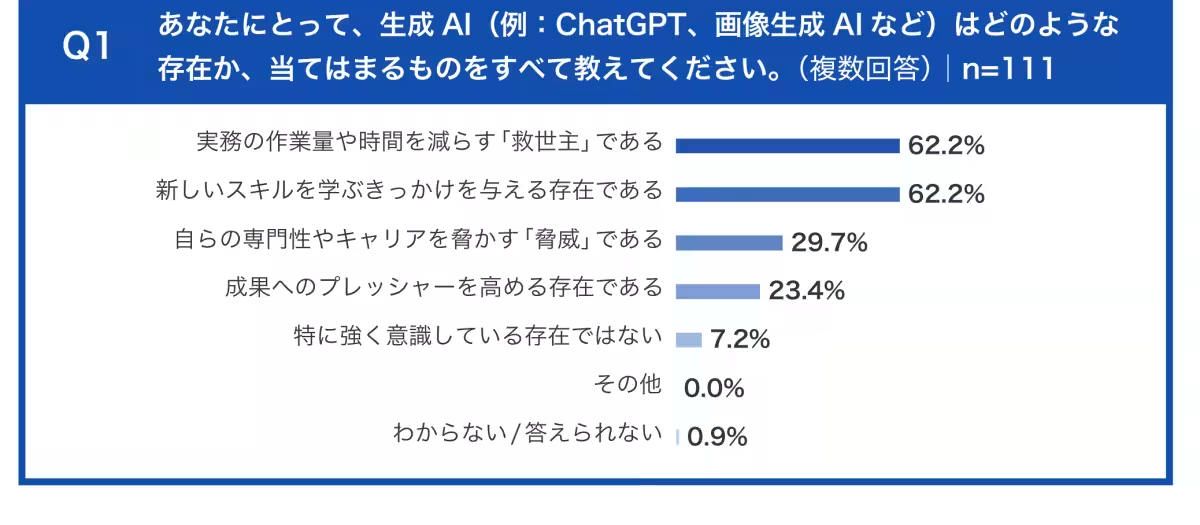
In the rapidly evolving landscape of marketing, understanding the implications of generative AI has become paramount for executives. A recent survey conducted by IDEATECH sheds light on the perceptions of marketing leaders in major corporations: around 62.2% view AI as a 'savior', while approximately 29.7% consider it a 'threat'. These contrasting perspectives highlight the complexities that marketers face in the age of AI.
Key Insights from the Survey
Point 1: AI as a Double-Edged Sword
Marketers largely regard generative AI as a crucial tool that can alleviate substantial workloads and aid in acquiring new skills. However, the fear of AI undermining their professional relevance persists. This duality of perception puts pressure on marketing leaders as they try to navigate through these uncertain waters.
Point 2: ROI Pressure from AI Investments
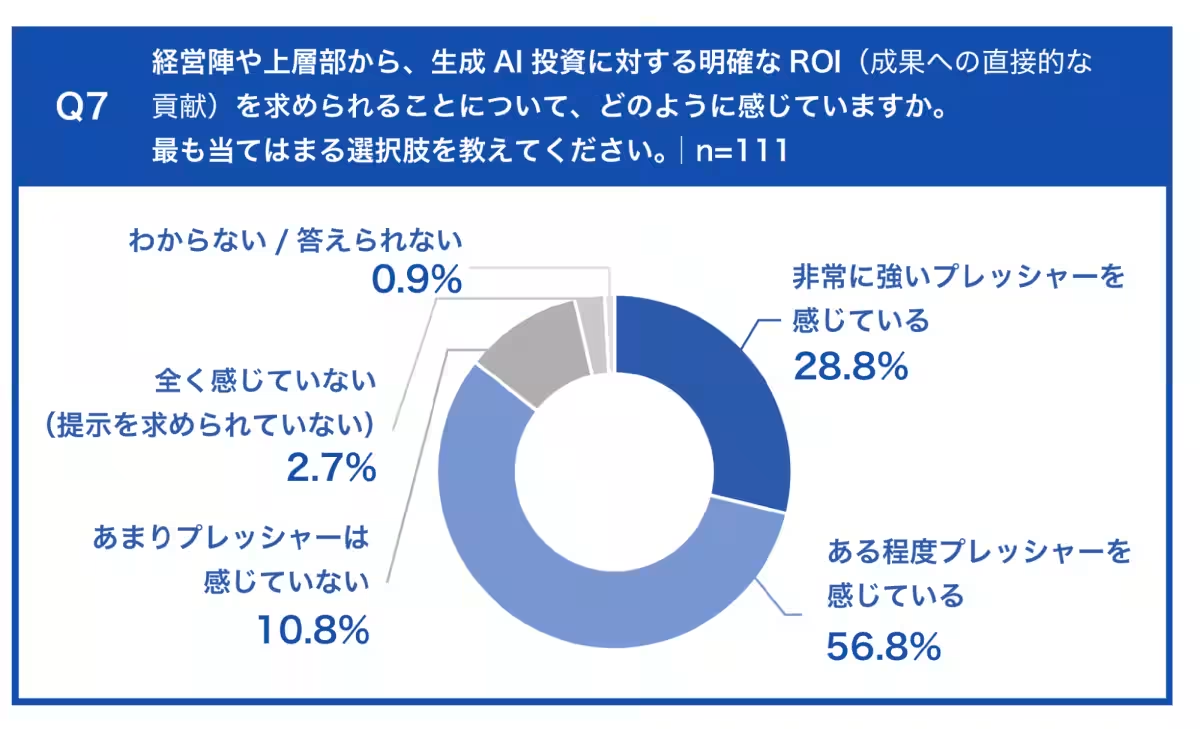
A staggering 85.6% of marketing executives report feeling stressed about explaining the ROI of their investments in AI. Despite improved efficiency, many are struggling to demonstrate significant results, thereby amplifying the societal pressure for measurable outcomes. This growing disconnect raises concerns about how companies plan to meet the expectations of upper management.
Point 3: The Trap of Overproduction
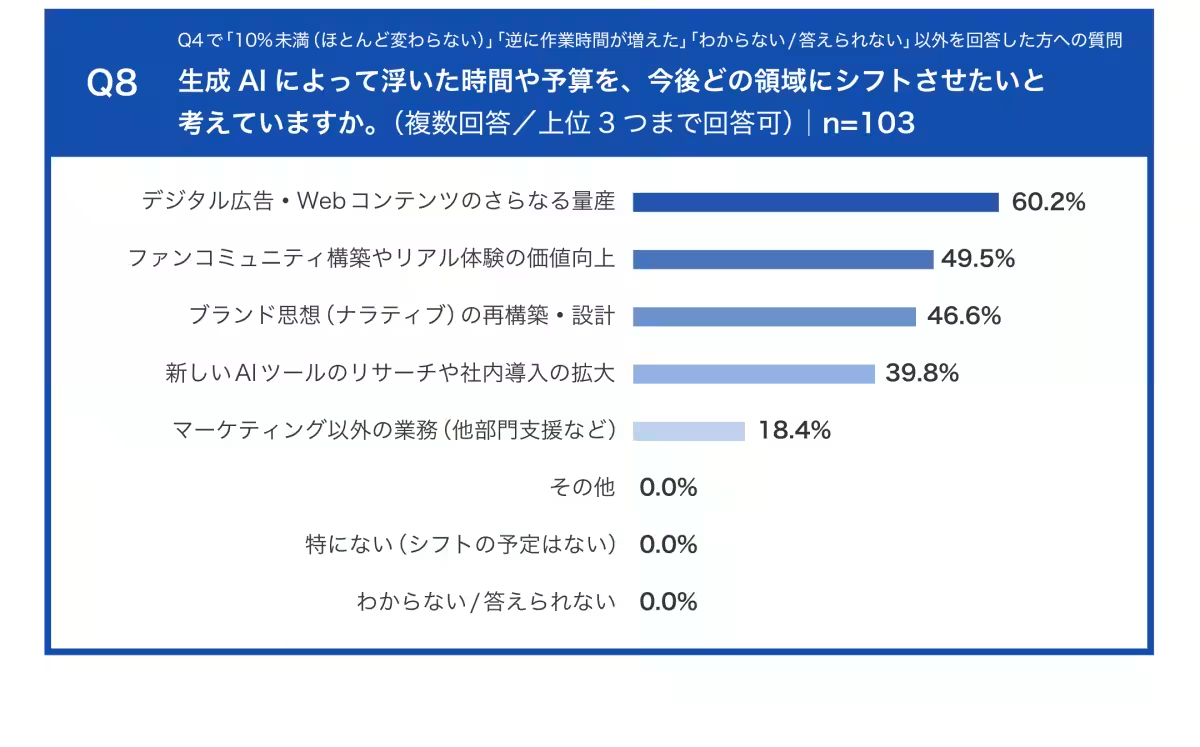
Interestingly, 60.2% of respondents indicated plans to use saved time and budgets for increased production of digital ads and web content. However, pursuing quantity over quality can create a flood of similar content in the market, leading to a phenomenon dubbed 'the trap of overproduction'. Increasing saturation can drown effective marketing strategies in a sea of mediocrity.
Navigating the AI Revolution in Marketing
The guide released by IDEATECH emphasizes the importance of recognizing the current state of AI's role in business, particularly among large corporations. The inefficiencies that previously defined content generation and advertising can now be largely overcome thanks to AI. Approximately 53.4% of executives reported time savings of over 50% in their workflows, illustrating how significantly AI is being integrated.
However, the challenge arises when every business is using similar strategies. The market is now replete with '70-point content', which lacks distinction and can diminish the impact of their marketing efforts. This guide aims to address these issues by providing insightful strategies to emerge successfully in this new environment.
The 'Dual Strategy' Approach for Marketers
To thrive in an AI-dominated market, marketers must adopt a 'Dual Strategy'. This means focusing on two fronts:
1. Meta Strategy - Building a unique narrative around the brand that clearly defines why it exists beyond just profit, which AI cannot replicate.
2. Deep Strategy - Cultivating customer relationships through genuine interactions and community building, thus fostering loyalty that AI cannot replace.
Recommendations for Marketers
This vital guide is directed predominantly at marketing chiefs and decision-makers in large corporations who are grappling with the dual pressures of effectively implementing AI while also achieving tangible success. The culmination of AI's efficiency gains has offered a golden opportunity for market leaders to reallocate their resources towards developing unique content and building stronger relationships with their audiences.
As outlined in the guide’s FAQ section, the real question lies not in the efficiency of AI but rather in how to leverage that efficiency towards activities that yield genuine customer engagement and lead generation. Prioritizing authentic customer touchpoints, community interaction, and brand development are pivotal in extracting value from AI investments.
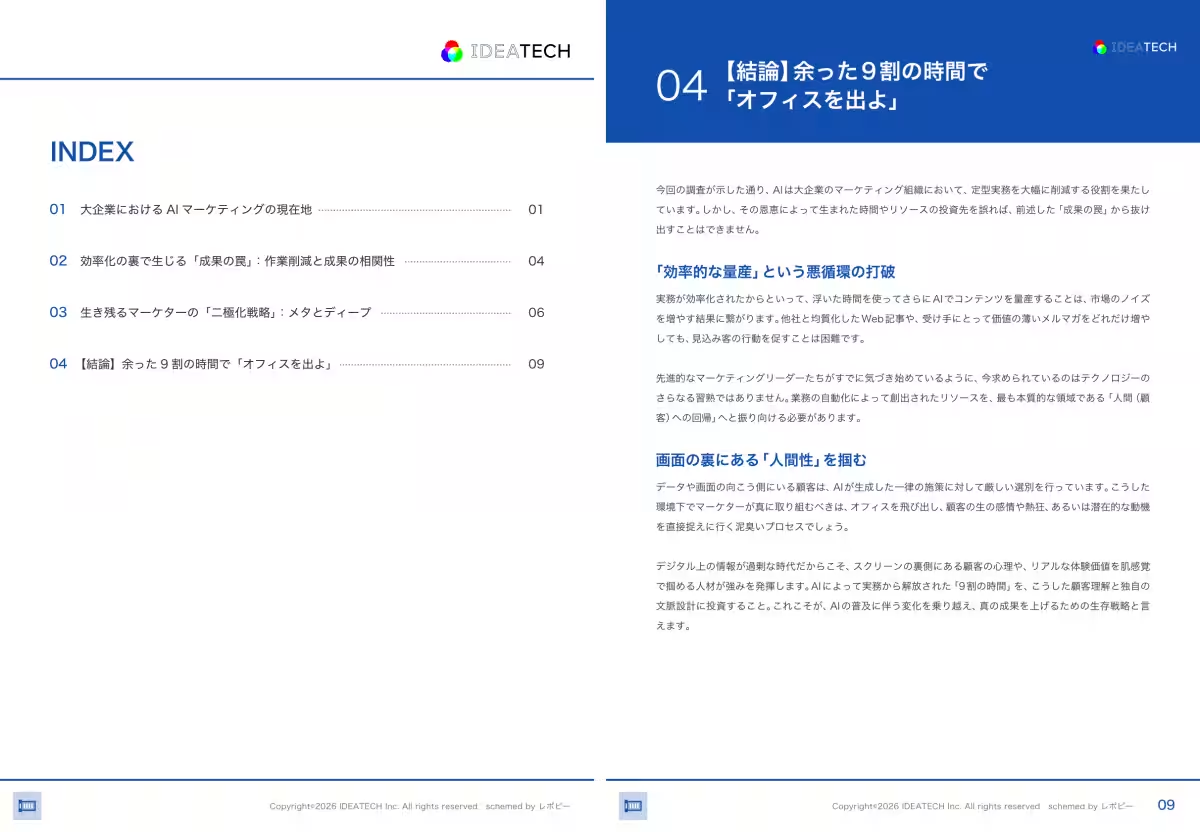
In conclusion, while generative AI presents promising opportunities, marketing professionals must remain vigilant to avoid falling into the trap of overproduction and ensure they are synthesizing AI’s capabilities with a deeply human touch for lasting success in an increasingly digital economy.
Topics Consumer Products & Retail)
【About Using Articles】
You can freely use the title and article content by linking to the page where the article is posted.
※ Images cannot be used.
【About Links】
Links are free to use.