



The Impact of Factelier on Japan's Apparel Industry: A 2025 Overview
An In-Depth Look at Factelier's Impact on Japan's Apparel Industry
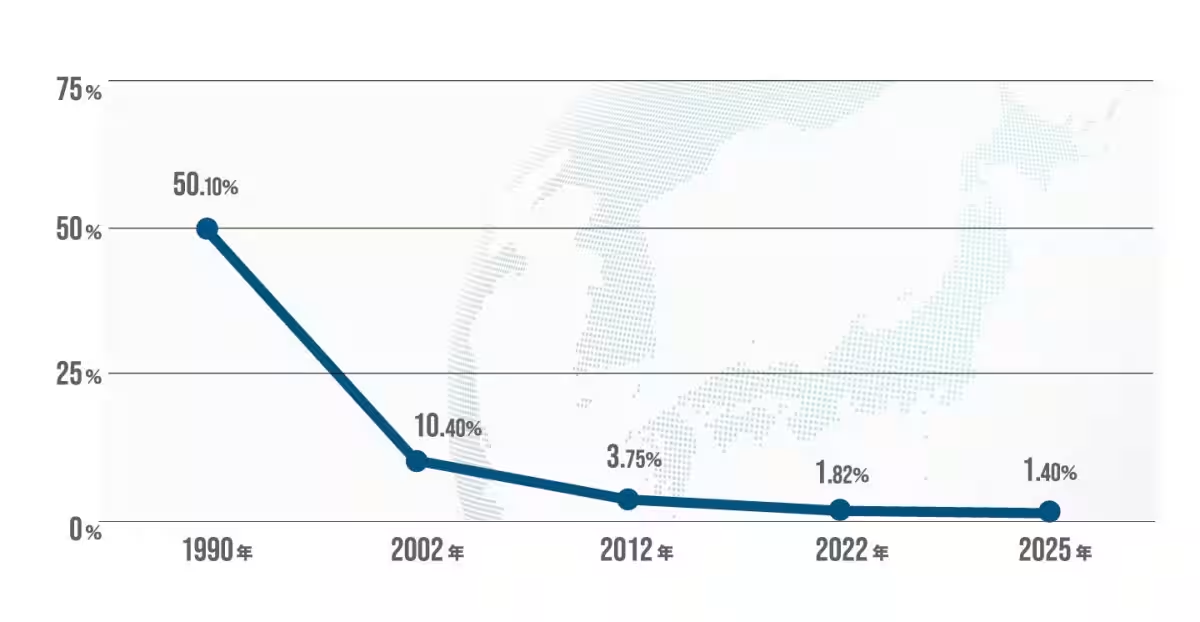
As the Japanese apparel industry faces a significant crisis, with domestic production rates plunging to just 1.4%, the fashion brand Factelier has released its "FACTELIER Impact Report 2025". This report highlights the changes brought by their collaboration with local factories, striving to revitalize the industry.
The Current State of Japan's Apparel Production
According to a report released by the Japan Textile Import Association, the domestic production ratio of clothing in Japan is alarmingly low at only 1.4%. Many sewing factories are small or micro-enterprises that struggle with operational deficits and chronic labor shortages, leading to a growing number of factory closures.
In response, Factelier has partnered with 61 apparel factories, eliminating intermediaries to provide high-quality, domestically-made apparel directly to consumers. To date, they have offered over 1,500 items, showcasing a unique commitment to local craftsmanship despite the industry's challenges.
Insights from the Latest Impact Report
The FACTELIER Impact Report 2025 includes findings from a survey conducted among factories participating in their initiatives. The survey received responses from 21 factories that participated in the "Monozukuri Cultural Festival" organized by Factelier in October 2025. Key findings include:
1. Operational Status of Partner Factories
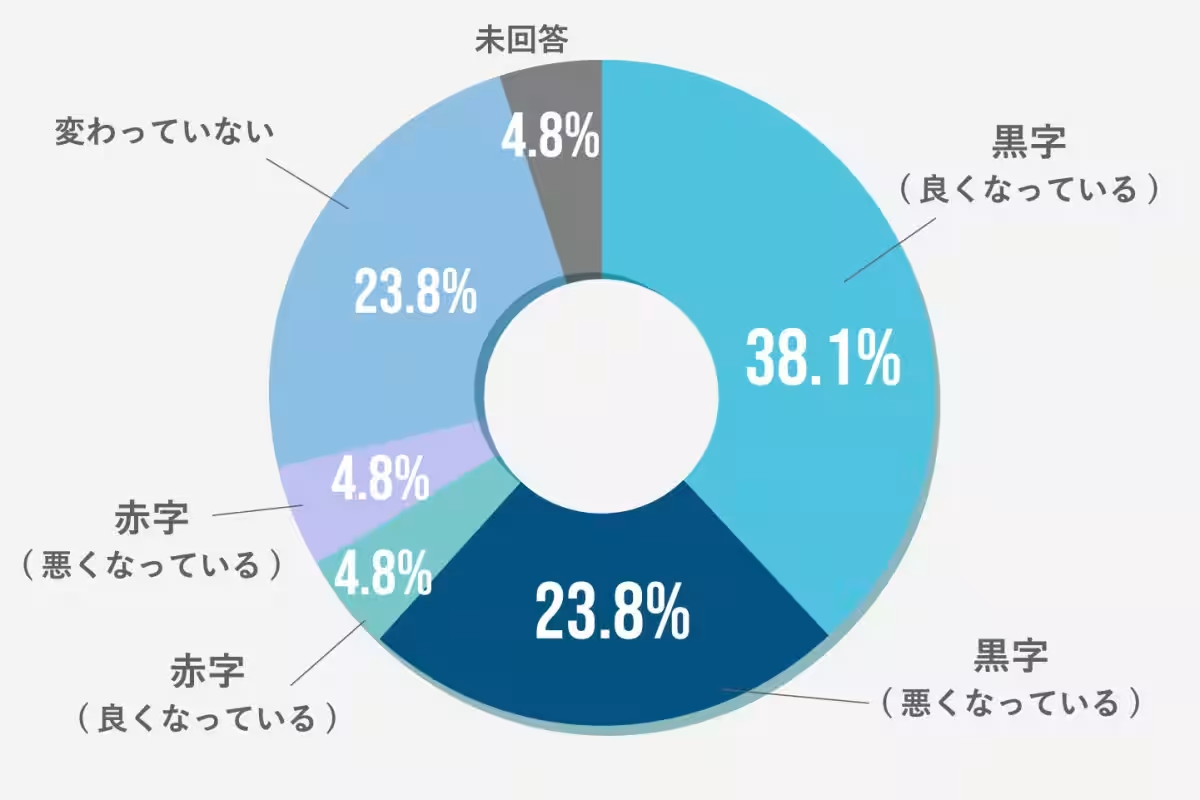
Approximately 60% of the factories reported being in the black, although 23% indicated their profitability has worsened compared to the previous year. This duality reveals a precarious outlook for many businesses despite some stable earnings.
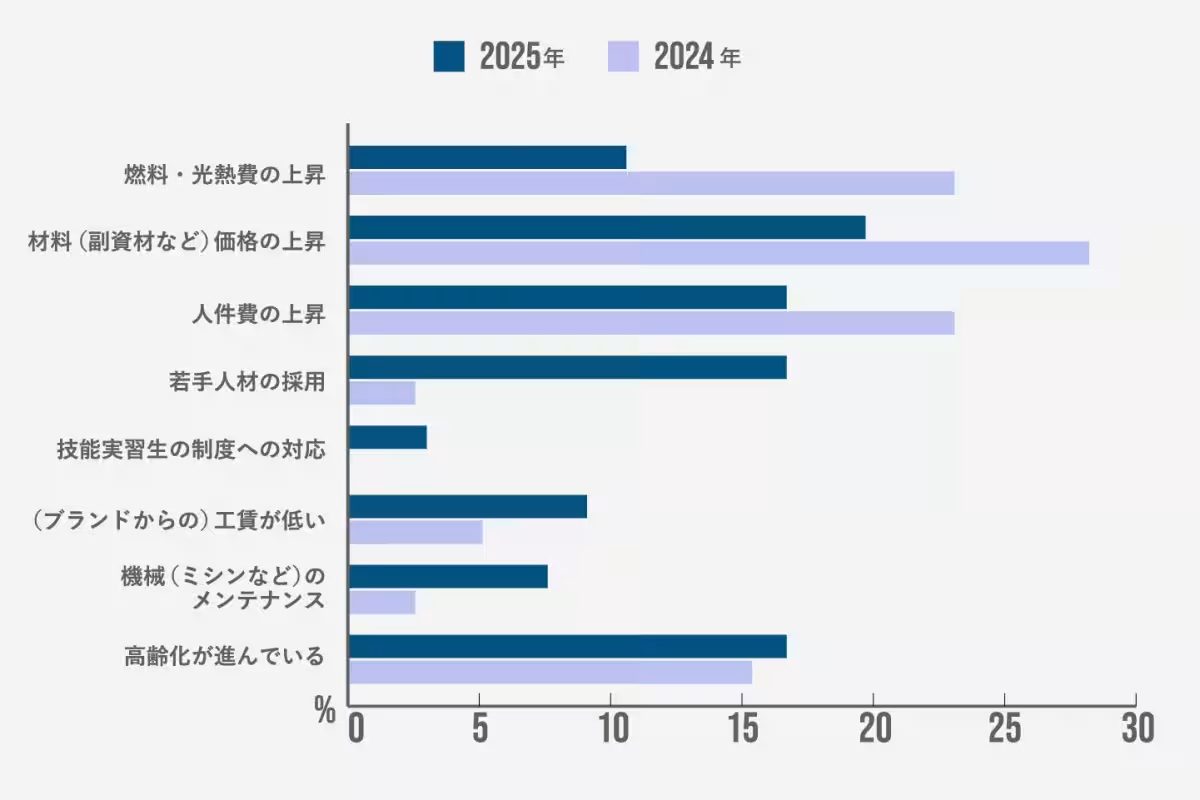
2. Key Challenges Faced by Factories
The most pressing concern is the rising cost of materials, with nearly 20% of factories citing this as their top issue. While concerns about material costs have decreased slightly from 28.21% the previous year, the struggle to recruit young talent has dramatically increased, from just 2.56% to 16.7%.
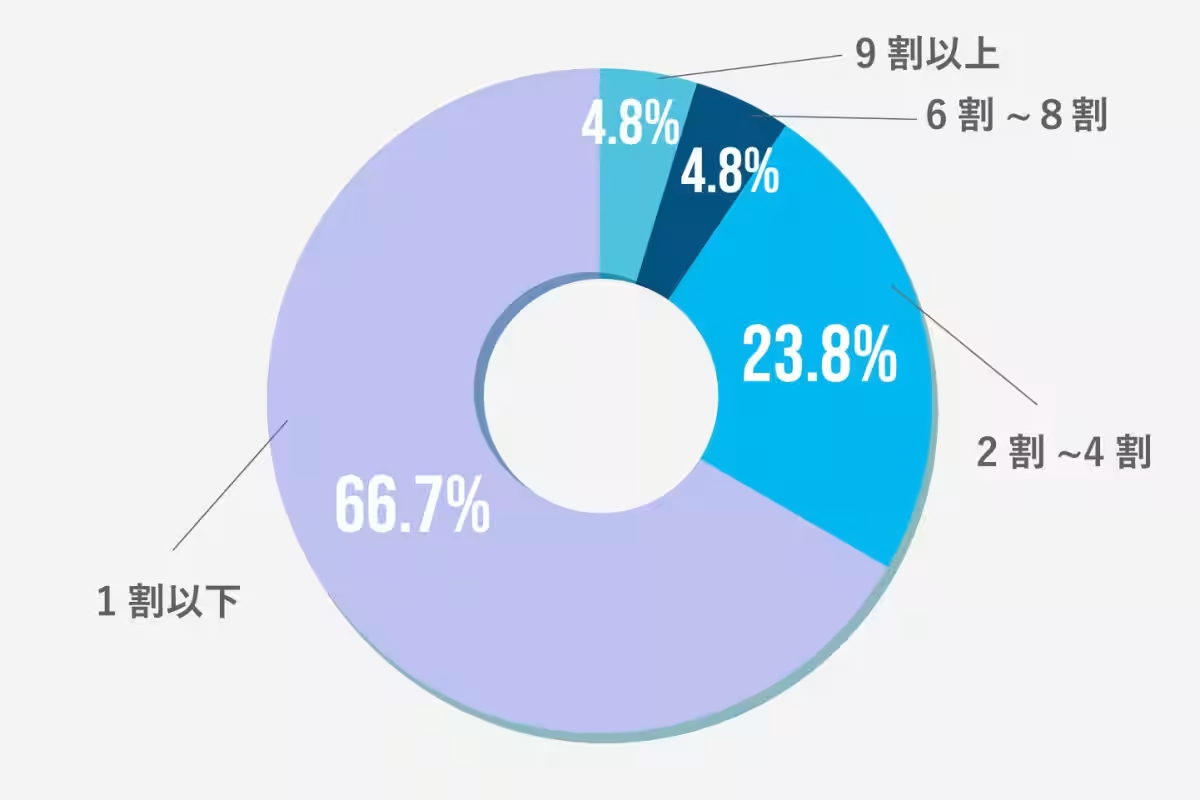
3. Dependency on OEM Production
The report outlines that 66.7% of factories have a self-brand ratio of less than 10%, indicating a heavy reliance on Original Equipment Manufacturing (OEM) production, which is not ideal for long-term sustainability. Factelier aims for its partner factories to achieve a self-branding ratio of at least 30%, underscoring the importance of diversifying their production capabilities.
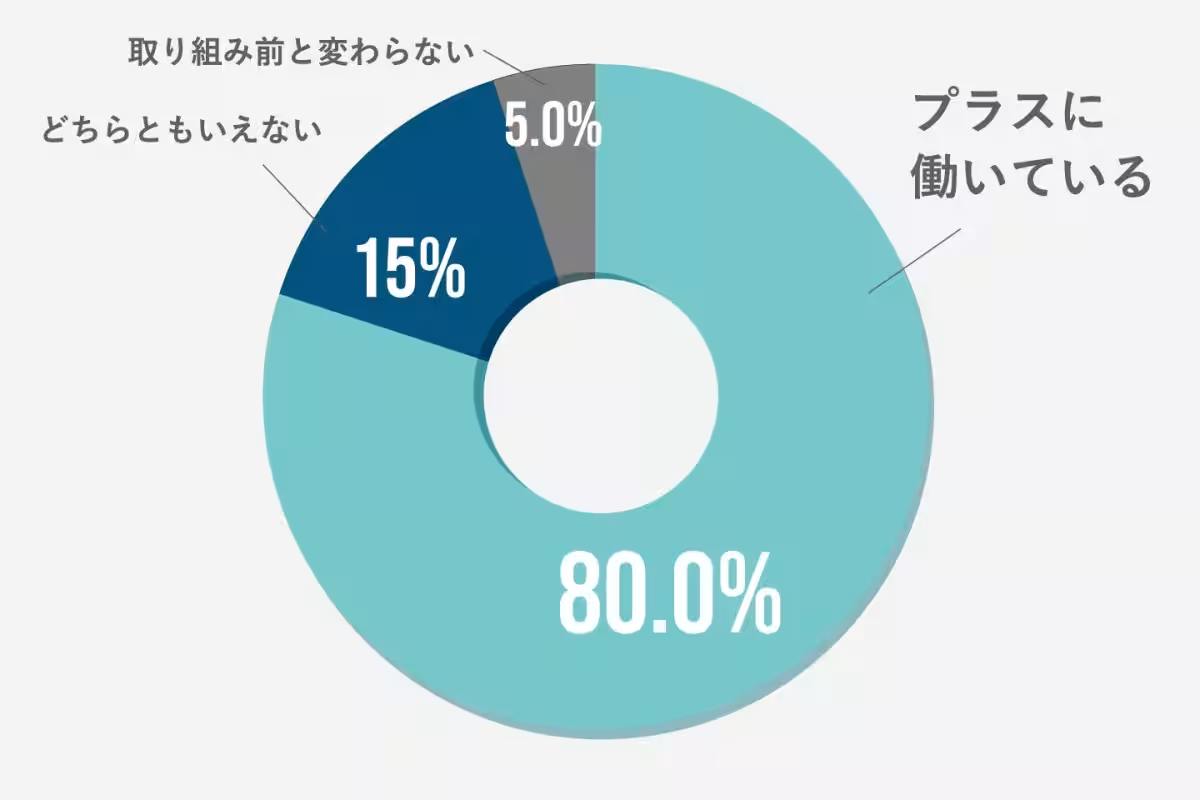
4. Economic Impact of Collaborating with Factelier
An encouraging 80% of partnering factories noted that working with Factelier has positively influenced their operations. However, 20% were neutral or felt unchanged, indicating there is still room for improvement in maximizing these collaborative efforts.
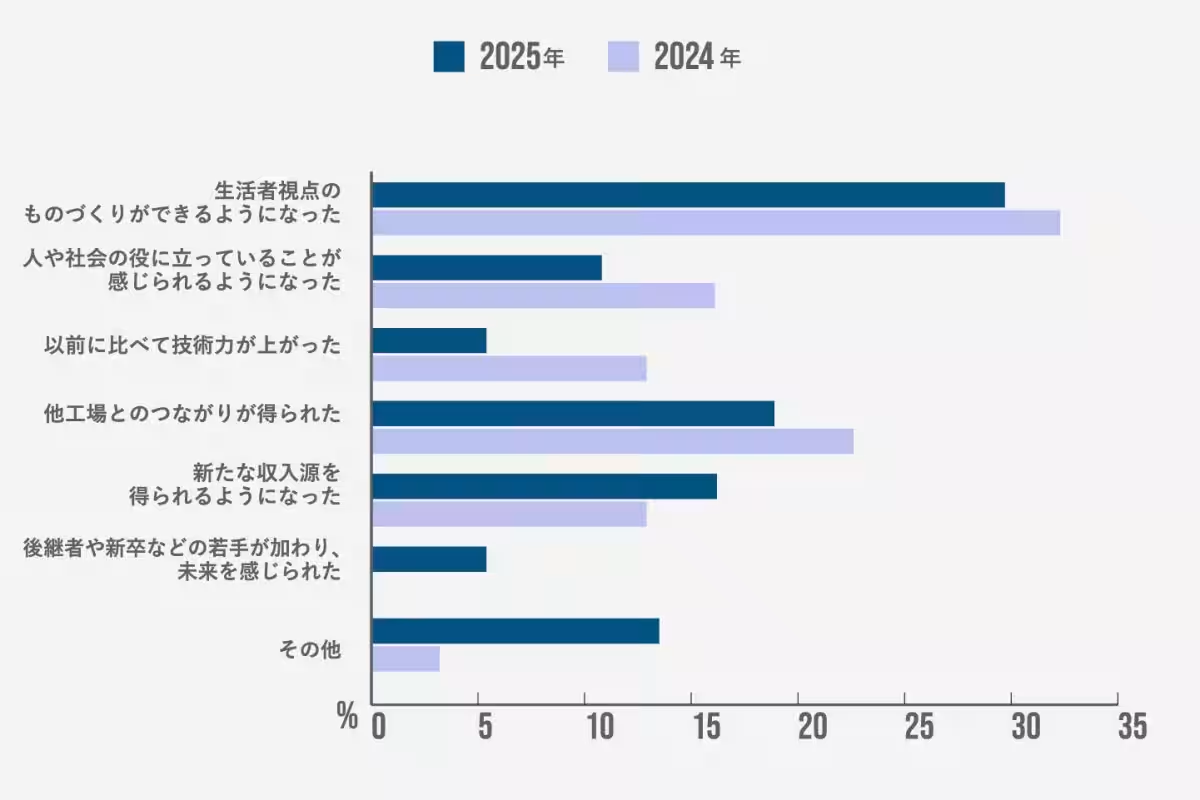
5. Positive Developments from Partnerships
The partnership has yielded significant benefits, such as enabling factories to adopt consumer-focused production. Nearly 30% of respondents acknowledged this shift, along with 16.2% reporting new revenue sources.
6. Future Challenges and Opportunities
Looking ahead, many factories are focusing on infrastructure investment, training young professionals, and developing new products. Factelier is committed to supporting these initiatives, laying the groundwork for a robust future.
7. Reflections on the Year
Feedback from factory operators reflects a forward-looking mindset even amid hardship. Comments reveal a deep sense of pride in craft and a resolve to continue innovating and improving production processes.
8. Beyond Factelier's Internal Impact
The report also sheds light on the societal and environmental initiatives Factelier is pursuing, aiming to create lasting positive change not just within the industry but also among consumers and the broader community.
Conclusion: A Path Forward for Japanese Craftsmanship
Despite the significant challenges facing Japan's apparel landscape, Factelier demonstrates a strong commitment to enhancing the visibility and viability of domestic production. By creating a supportive environment for their partner factories, Factelier aims to ensure that the rich heritage of Japanese craftsmanship continues to thrive in the global marketplace.
As Factelier prepares for its 2026 report, there is a collective hope for more optimistic updates, further illustrating the dedication to preserving and promoting authentic Japanese manufacturing.
For more insights and data on Factelier's impact, you can access the summary and full PDF report at the following links:
- ---
About Factelier
Founded in 2012, Factelier connects consumers directly with Japanese factories to provide high-quality apparel. By eliminating intermediaries, they offer stunning pieces at fair prices while ensuring adequate profit margins for factories, celebrating the essence of Japanese industry.
Topics Consumer Products & Retail)
【About Using Articles】
You can freely use the title and article content by linking to the page where the article is posted.
※ Images cannot be used.
【About Links】
Links are free to use.