



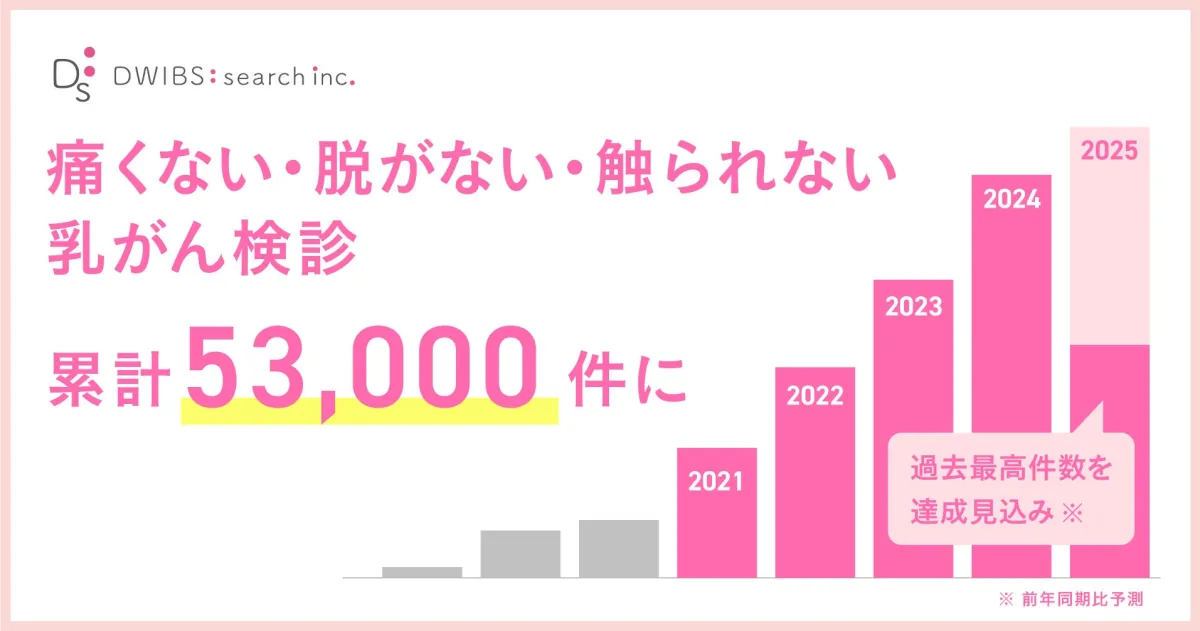
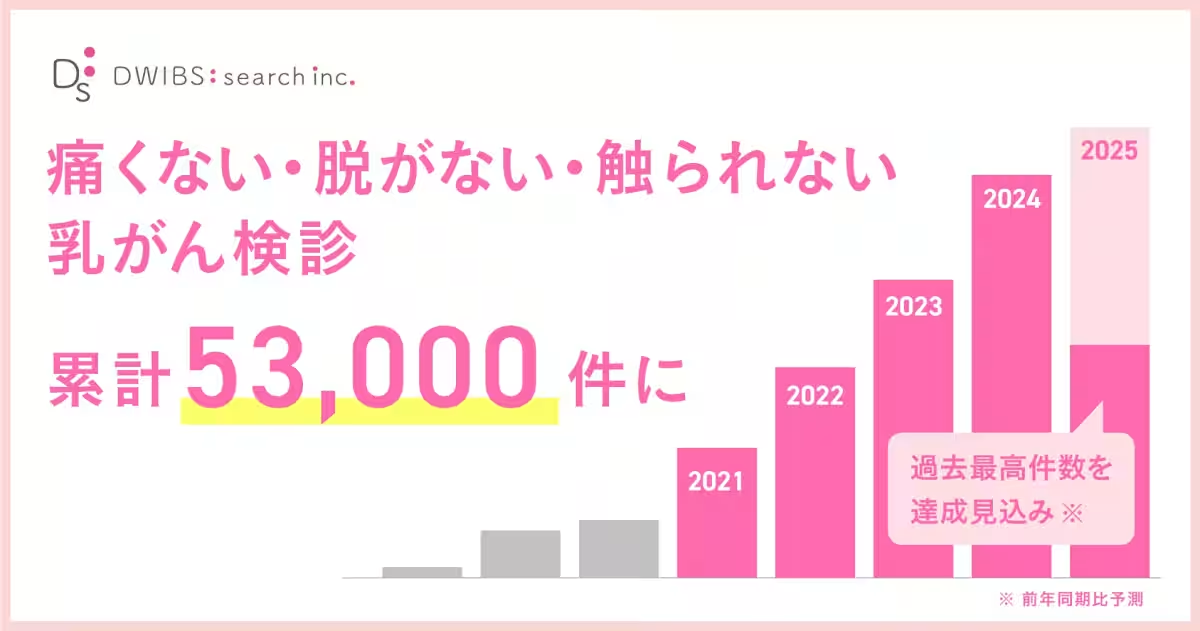
Revolutionizing Breast Cancer Screening: Pain-Free MRI Exam Surpasses 53,000 Cases
Introduction
In a landmark achievement for breast cancer screening, DWIBS Search has announced that its groundbreaking pain-free MRI breast cancer screening, known as the DWIBS method, has surpassed 53,000 cumulative examinations as of September 1, 2025. Founded by Dr. Taro Takahara in Setagaya, Tokyo, the organization has been tirelessly advocating for this innovative screening option since its development in 2018.
The DWIBS Method: What Makes It Unique?
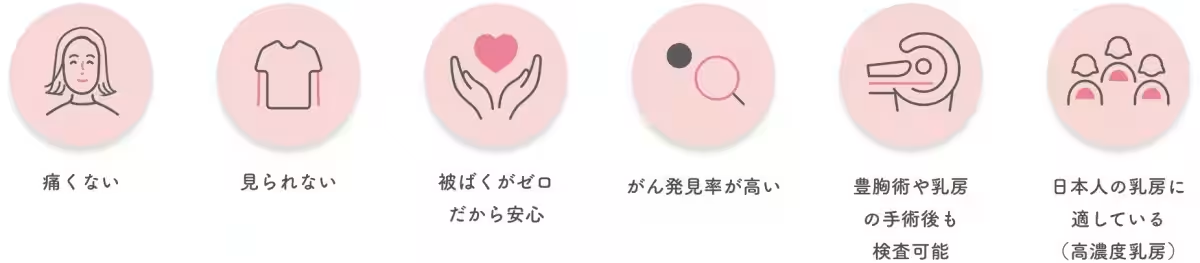
The DWIBS method is a non-invasive breast cancer screening technique that eliminates the common barriers of pain, embarrassment, and radiation exposure that have traditionally deterred women from seeking examinations. Here are six key features of this revolutionary technique:
- - Pain-Free: The examination is conducted without causing discomfort, as it does not involve breast compression.
- - Non-Intrusive: Women can be screened while fully clothed, without any necessary physical contact.
- - Radiation-Free: Unlike traditional mammography, the DWIBS method does not use X-rays, ensuring zero radiation exposure for patients regardless of the number of screenings.
- - High Detection Rate: The technique is designed to minimize blind spots during imaging, improving the likelihood of detecting cancerous cells.
- - Post-Surgery Compatibility: It can be utilized by women who have had breast surgery or augmentation, as it doesn’t apply pressure to the breast.
- - Tailored for Japanese Women: The method is especially suitable for Japanese women, who often have dense breast tissue, making conventional detection methods less effective.
Recent Growth in Utilization
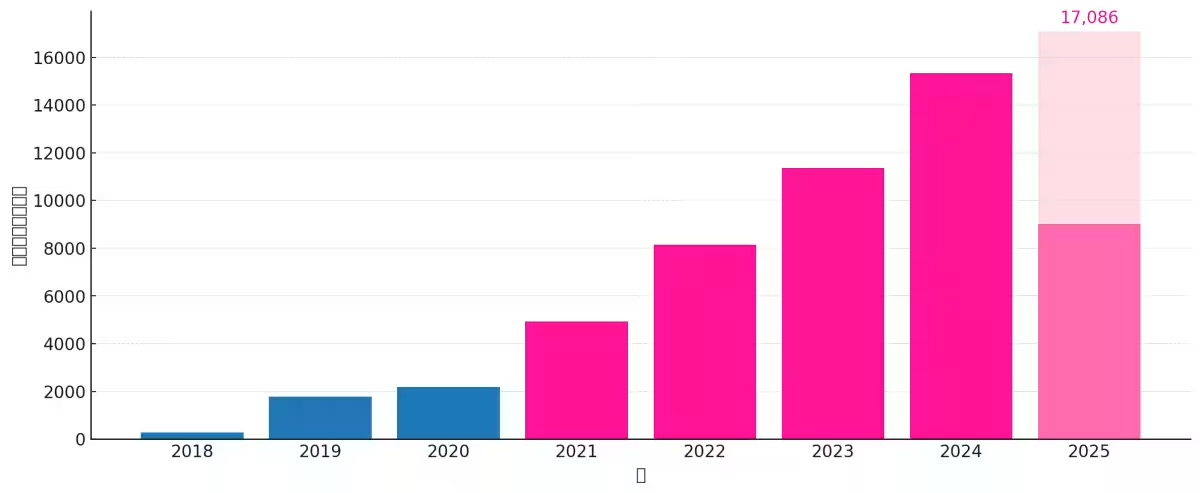
Since 2022, the annual growth in uptake of the DWIBS screening has ranged between 40% to 65%. This remarkable expansion is attributed to increased awareness and government support, including municipal health initiatives.
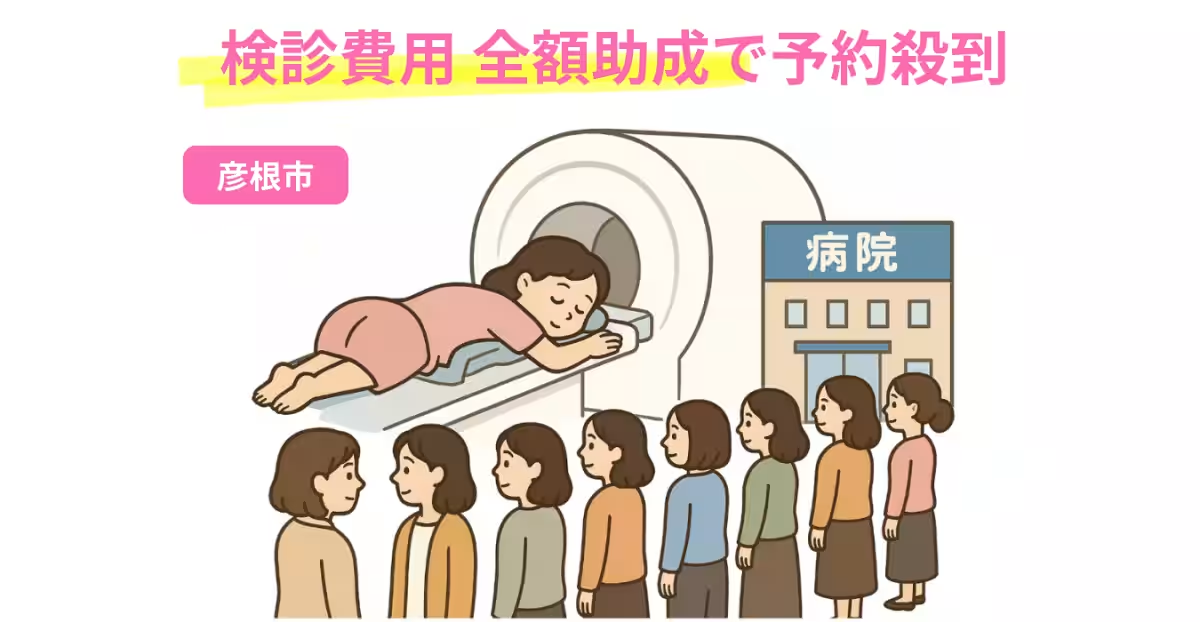
In May 2025, local government initiatives began offering full subsidies for DWIBS screenings. In Hikone City, Shiga Prefecture, this program enabled 500 women to access the exam at no cost, with appointments filling up within just seven hours.
Advocacy at the National Level
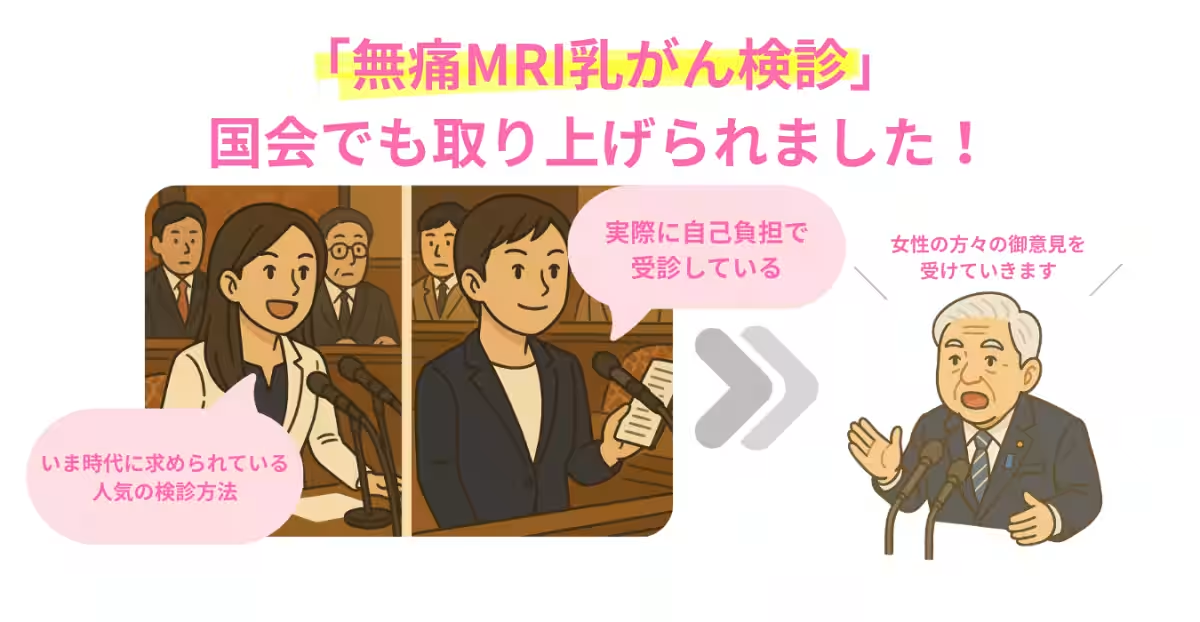
The growing interest in pain-free breast cancer screening has also captured attention at the governmental level. In recent parliamentary sessions, female legislators have voiced their support for this innovative screening method. In a notable question in May 2025, Senator Kimi Onoda of the Liberal Democratic Party expressed concern over accessibility for women with dense breast tissue, highlighting experiences where they were unable to receive traditional examinations. Shortly thereafter, Senator Ayaka Shiomura of the Constitutional Democratic Party praised the DWIBS method as essential for modern health care and urged governmental backing for its proliferation.
When pressed, Prime Minister Ishiba expressed a commitment to improving breast cancer screening rates and acknowledged the importance of incorporating women’s voices in health policy.
Understanding the Low Screening Rates
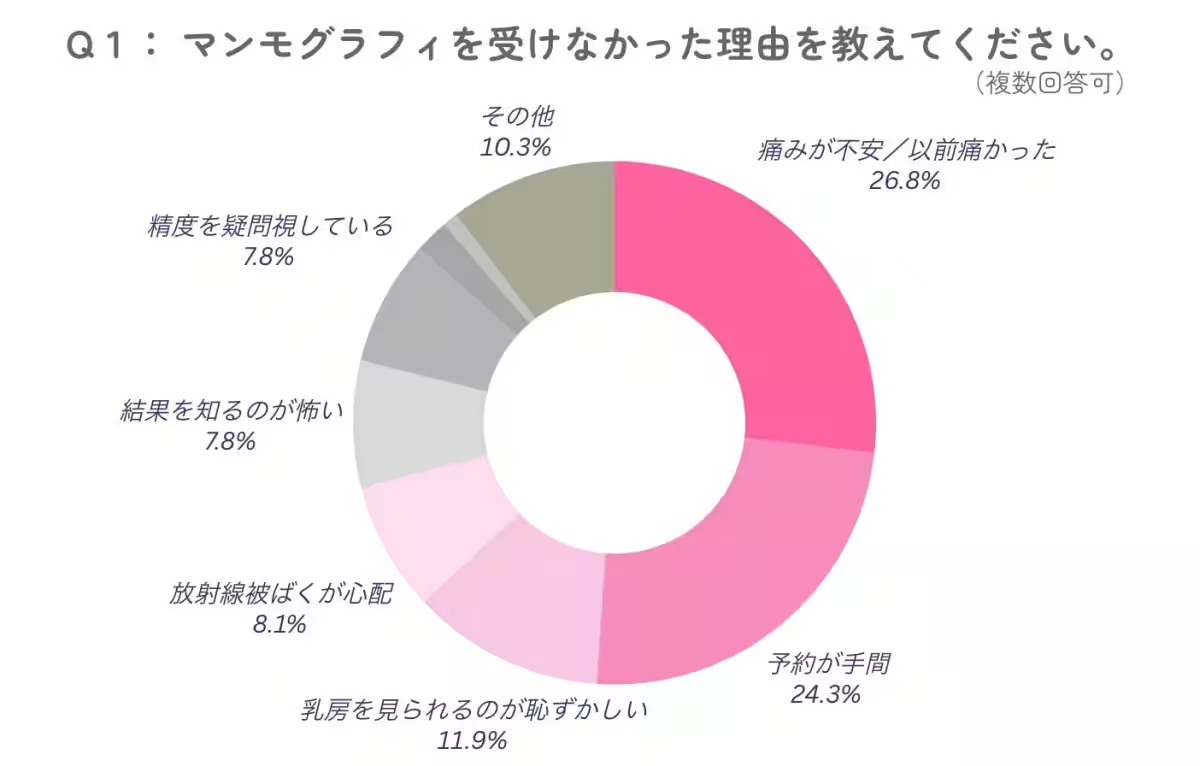
Despite breast cancer being the most common cancer among Japanese women, screening rates remain low at just around 47%. A recent survey conducted by DWIBS Search among women ages 42 to 69 revealed an alarming statistic: over half of the respondents had not undergone a mammogram in the past two years. The main reasons cited for avoiding screenings were fear of pain (26.8%) and embarrassment, highlighting the psychological and physical hurdles posed by conventional methods.
This is where the DWIBS method shines, as it directly addresses and mitigates these issues, making it an appealing option for those hesitant to undergo traditional examinations.
Looking Ahead
With over 53,000 cases recorded and an ever-growing number of women opting for pain-free screenings, DWIBS Search is resolute in its mission to normalize this innovative approach. The organization collaborates with approximately 90 medical institutions nationwide to ensure that more women have access to this life-saving health option.
Dr. Takahara envisions a future where no woman shies away from necessary examinations due to fear or discomfort. His commitment to advocating for non-invasive methods continues to drive the organization’s efforts to foster a new cultural landscape around breast cancer screening.
Conclusion
The DWIBS method represents a critical breakthrough in the fight against breast cancer. By addressing the factors that prevent women from getting screened, this innovative approach not only seeks to increase screening rates but also to ultimately save lives. As awareness grows and governmental support increases, the future of breast cancer screening looks brighter than ever.
For more information and to find participating facilities, visit DWIBS Search.
Topics Health)
【About Using Articles】
You can freely use the title and article content by linking to the page where the article is posted.
※ Images cannot be used.
【About Links】
Links are free to use.