




Survey Reveals Top Fears Before Starting a Side Job
Introduction
In recent years, an increasing number of companies have allowed their employees to take on side jobs, resulting in growing interest among individuals wanting to pursue them. However, despite the desire to engage in side work, many find themselves hesitant to take that crucial first step. Concerns surrounding income stability, work-life balance, and the security of their new endeavors contribute to this hesitancy. To better understand these apprehensions, a recent survey was conducted by For-it Co., Ltd., which operates the affiliate platform 'afb', targeting 2,000 individuals across various age groups.
Background of the Survey
The study aimed to delve into the psychological barriers individuals face before initiating side jobs. As the acceptance of side work grows in corporate culture, there are still significant concerns about whether one can earn a stable income, sustain the side job long-term, and effectively manage time alongside their primary employment.
Overview of the Survey
- Target Audience: Individuals aged 20 to 60 across the nation.
- Sample Size: 2,000 respondents.
- Methodology: Online research.
- Survey Date: April 21, 2026.
Key Findings
The survey asked participants to rate their concerns about starting a side job, providing multiple-choice options:
1. Earning a stable income.
2. Ability to continue the job long-term.
3. Time management challenges.
4. Lack of skills.
5. Risks of violating rules and regulations.
6. Understanding from family and peers.
7. Other.
8. None of these apply.
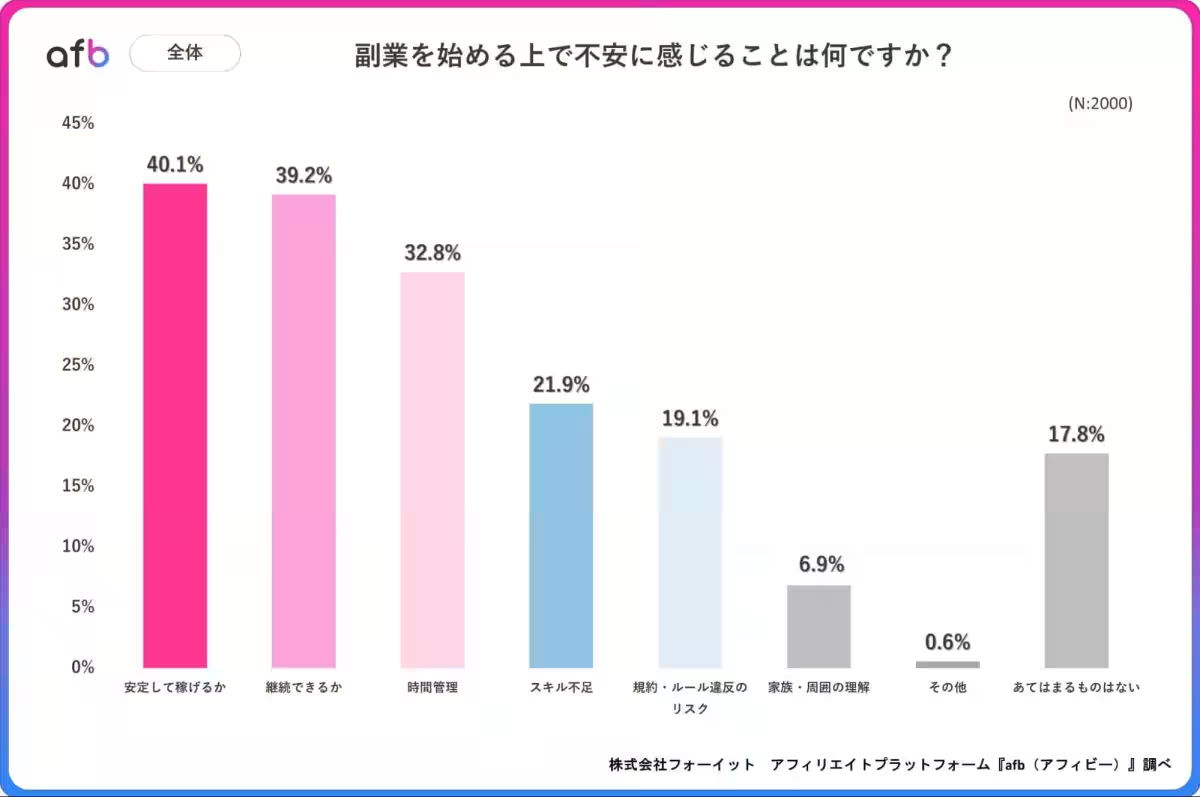
The predominant concern, reported by 40.1% of respondents, was the fear of not being able to earn a stable income. Following this were worries about sustainability (39.2%) and time management (32.8%). A noteworthy finding was that 17.8% indicated no applicable concerns, suggesting a segment of the population is optimistic about engaging in side jobs.
Common Concerns Across Age Groups
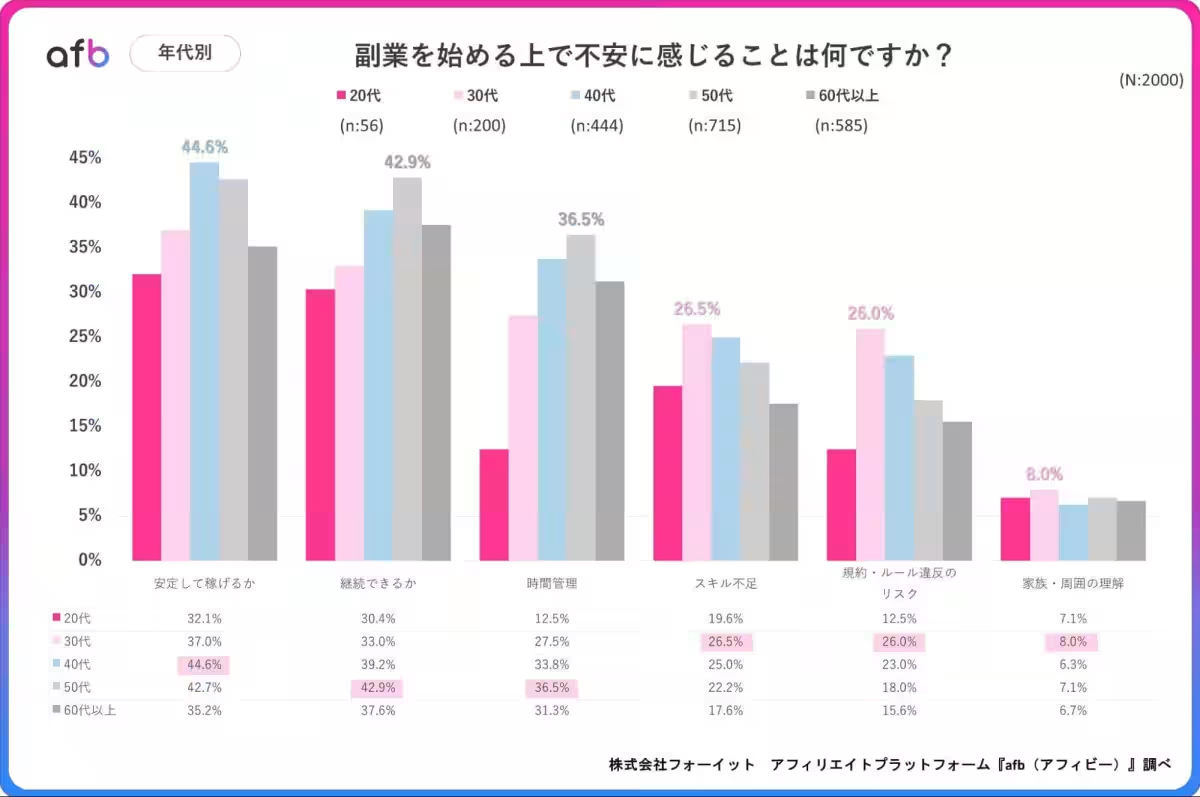
There is a consistent trend across all age groups regarding the importance of income stability and continuity. Individuals in their 20s predominantly voiced concern about the ability to earn steadily, while a significant portion (32.1%) also reported that they had no fears associated with side work. In contrast, respondents in their 30s exhibited heightened caution regarding rule violations (26%) and personal capabilities (26.5%) - indicating a need for thorough understanding of compliance in their side ventures.
As respondents aged, concerns regarding income stability, sustainability, and time constraints remained prevalent. Individuals in their 40s and 50s emphasized minimizing the impact on their primary jobs while still engaging in side work. Conversely, those aged 60 and older reported a higher comfort level with no fears (21.2%), potentially indicative of a willingness to explore side jobs post-retirement.
Gender-Based Insights
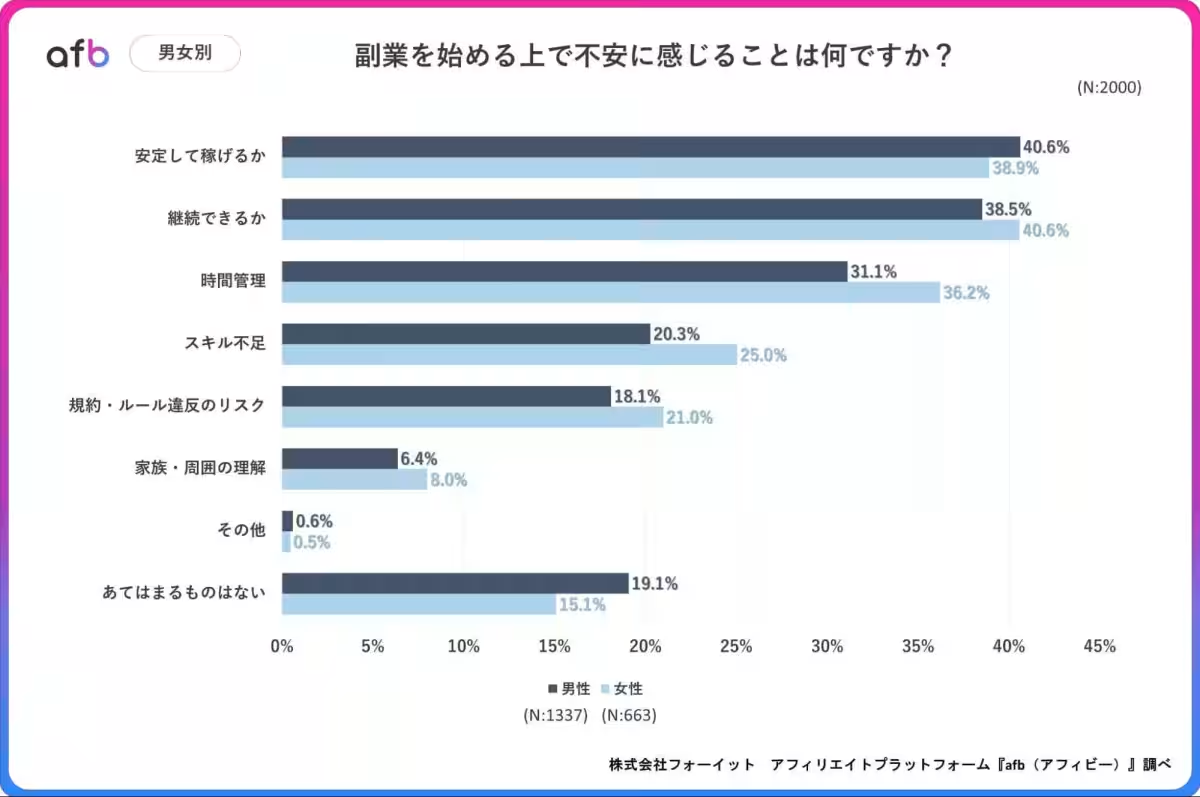
Gender analysis revealed similarities in concerns, with both men and women highlighting stability and continuity as primary fears. However, women showed greater anxiety about time management (36.2%) compared to their male counterparts (31.1%), suggesting that obligations like childcare may weigh more heavily on their side job considerations. Furthermore, women's worries regarding skills (25%) and compliance (21%) were noticeably higher than men's.
Influence of Marital Status
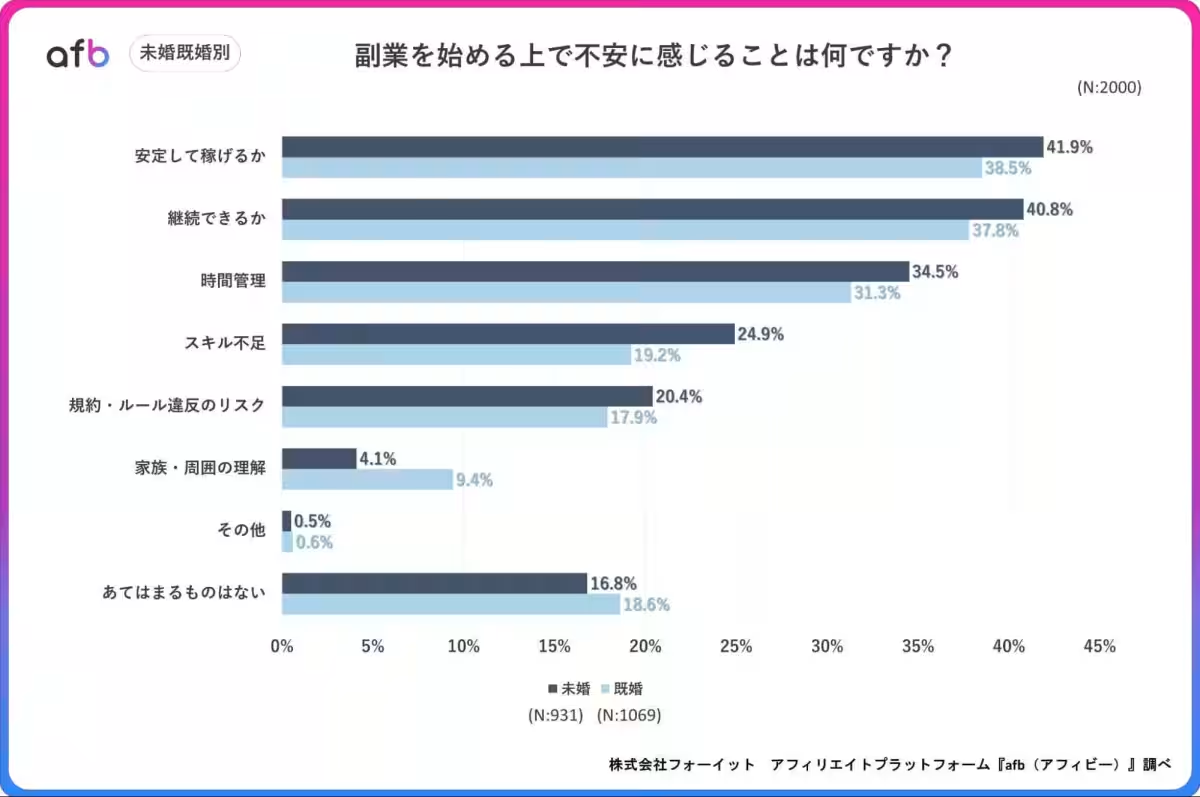
A distinction emerged when examining concerns based on marital status. Both single and married individuals reported stability and continuity as common fears, but married ones expressed more concern about family understanding (9.4% vs. 4.1%). This suggests that while both groups share similar motivations, their support structures differ significantly.
Profession-Specific Concerns
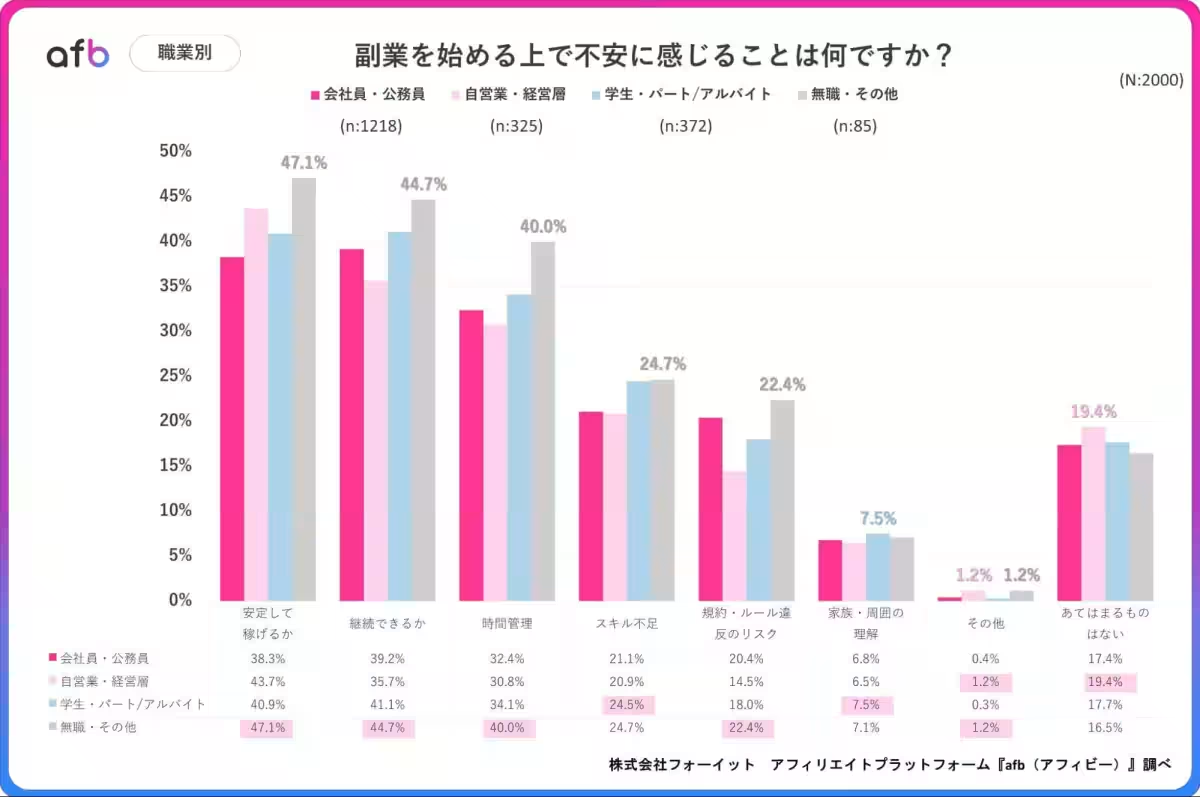
When broken down by occupation, stability and continuity fears remained primary; however, those unemployed highlighted time management as a prominent concern (40%). In contrast, employees expressed greater anxiety regarding compliance with existing work regulations (20.4%). This highlights a unique barrier for employed individuals in navigating the side job landscape.
Conclusion
The survey ultimately revealed that primary motivations for pursuing side jobs revolve around the prospects of increased earnings, assured stability, and suitable time requirements. Across all demographic parameters, there is a common desire for side jobs that offer both financial and lifestyle benefits. Additionally, varying perspectives reveal that individual circumstances dictate the points of concern. Understanding these dynamics can provide critical insights for potential aspirants looking to enter the side job market, enhancing their experience and success.
For those interested in engaging in affiliate marketing, the 'afb' platform, known for its high partner satisfaction ratings, stands as an exemplary resource to explore reliable avenues in side work. For additional information about affiliate opportunities, visit afb.


Topics Business Technology)
【About Using Articles】
You can freely use the title and article content by linking to the page where the article is posted.
※ Images cannot be used.
【About Links】
Links are free to use.