



Dr. Mate's Survey Reveals the Realities of Caregiving in Kanto Region
Understanding the Sentiments of Caregivers in the Kanto Region
In a recent survey conducted by Dr. Mate, a company specialized in providing medical solutions to care facilities, important insights into the lives and challenges of caregivers in Japan's Kanto region have been uncovered. The survey involved 514 caregiving professionals across various prefectures, highlighting both their motivations and the systemic issues they face in their daily work.
Key Findings
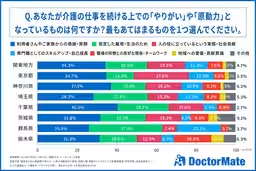
The survey revealed that caregivers derive significant motivation from the gratitude and smiles of both users and their families. In particular, regions like Chiba (40.5%) and Kanagawa (37.1%) showed a strong connection to this sentiment. However, despite the emotional rewards, caregivers also expressed concerns about job satisfaction and future job sustainability, with many respondents opting for neutral responses such as "neither agree nor disagree".
Motivation Behind Their Work
The majority of caregivers emphasized that the appreciation they receive from users and their families is a primary motivational factor in their work. This appreciation serves as a critical lifeline, boosting morale in what can often be a challenging job. In contrast to many other forms of employment where financial remuneration might take top priority, the emotional feedback from users was seen as a vital contributor to job satisfaction for those in caregiving roles.
On the other hand, job stability was also highlighted as a crucial aspect by 37.0% of respondents from Gunma prefecture, indicating that while emotional rewards are paramount, job security remains a pressing concern. In metropolitan areas like Tokyo, factors such as social contribution and personal growth were also cited as having significant importance.
Job Satisfaction Divided
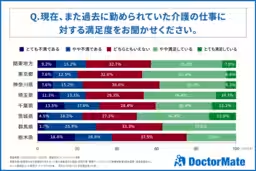
The survey results indicated a significant divide in job satisfaction. The most common response regarding overall job satisfaction was "neither agree nor disagree," suggesting a state of ambivalence. While some respondents from Tokyo (42.4%) and Gunma (37.0%) felt somewhat satisfied with their jobs, others expressed their dissatisfaction, particularly in Tochigi (18.8%) and Chiba (13.5%). This dichotomy suggests a landscape where improvements are needed but also acknowledges those who find fulfillment in their roles.
Wage Concerns Persist
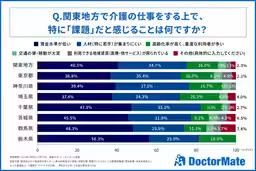
One of the most pressing issues raised in the survey was the low wage levels across the caregiving sector. Caregivers in all parts of the Kanto region reported this finding as the greatest barrier to job satisfaction. Concerns were echoed across various prefectures, with Kanagawa (37.1%) and Tokyo (35.4%) indicating a particular difficulty in attracting young talent. Younger generations are critical to the sustainability of the industry, which presently faces increasing demands.
Future Sustainability in Question
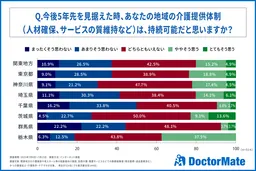
When asked about the sustainability of caregiving in the future, many respondents remained uncertain, with "neither agree nor disagree" being the dominant choice. Particularly notable was the skepticism expressed by caregivers in Ibaraki, Gunma, and Kanagawa, suggesting a general unease regarding the longevity of their profession. Optimism surfaced, however, in Tochigi, where a significant 37.5% expressed favorable opinions about the future.
Conclusion
Dr. Naoki Aoyagi, the CEO of Dr. Mate, commented on the findings: “This survey has illuminated the complex challenges that the caregiving industry faces. The significant number of neutral responses indicates that while caregivers find value in their work, there exists an underlying uncertainty about the future of the profession.” This sentiment reflects a duality—many caregivers are motivated by the meaningful impact they make, yet systemic issues such as low wages and job security weigh heavily on their minds.
As society continues to evolve, the need for sustainable solutions in caregiving becomes ever more critical. Initiatives that address the concerns raised in this survey might not only benefit caregivers but also enhance the level of care provided to those who depend on their support. Through commitment from organizations and collaboration among stakeholders, a more promising future for caregivers in Japan's caregiving landscape is achievable.
About Dr. Mate
Founded in 2017 by Dr. Aoyagi, Dr. Mate is a leader in providing healthcare education services specifically tailored for caregivers in Japan, with over 1,300 facilities already utilizing their resources. The company continues to strive for a better future within the caregiving industry, ensuring that both caregivers and clients alike can thrive. For more information on Dr. Mate, visit their official website.
Topics Health)
【About Using Articles】
You can freely use the title and article content by linking to the page where the article is posted.
※ Images cannot be used.
【About Links】
Links are free to use.