



Understanding the State of B2B Customer Perception: A Survey of Marketers
Understanding the Current Landscape of B2B Marketing
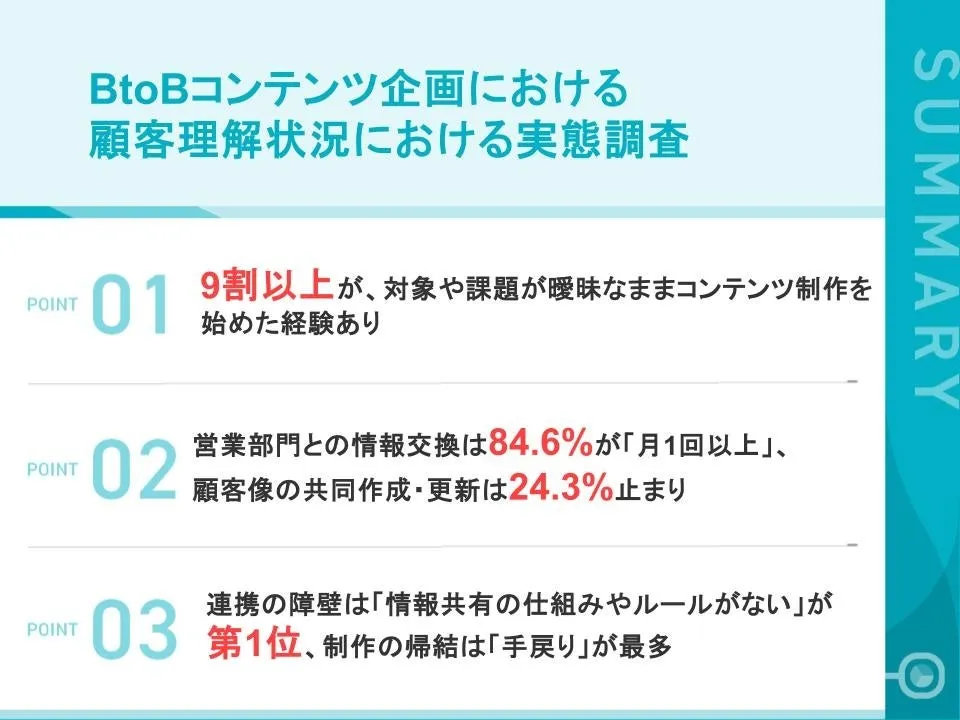
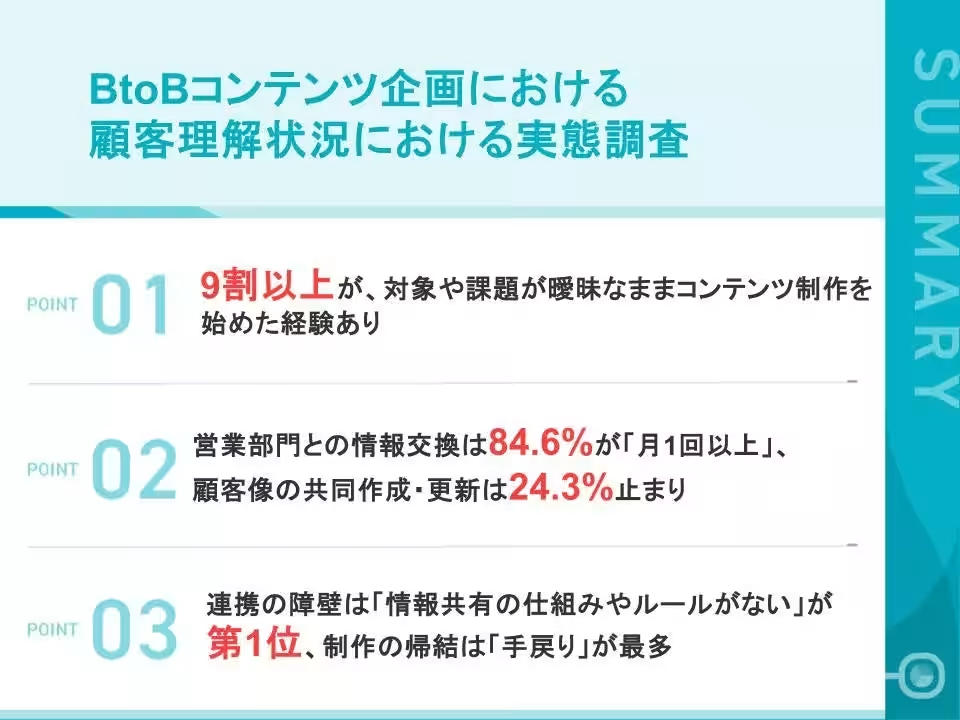
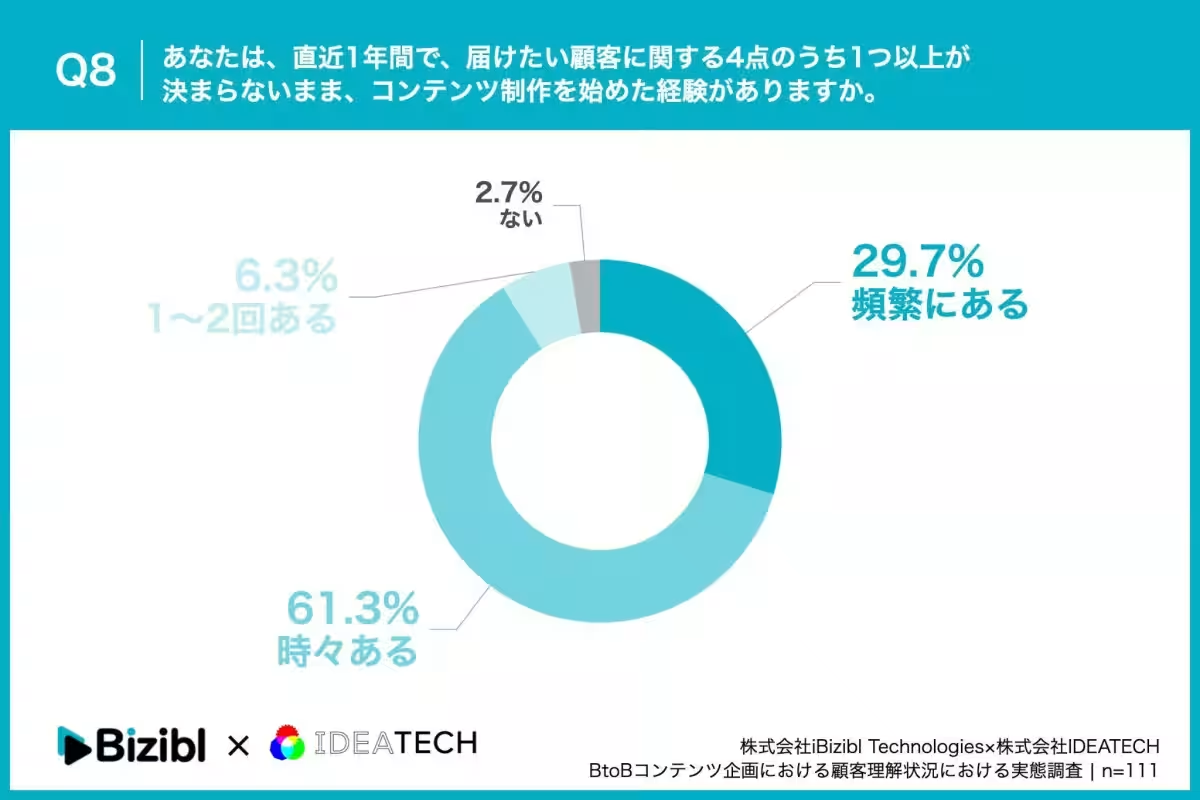
In a groundbreaking study conducted by IDEATECH and Bizibl Technologies, 111 B2B marketers participated in a survey exploring the realities of customer understanding in content production. Shockingly, 97.3% of respondents admitted to beginning their content creation efforts without a well-defined target audience or clear challenges. This raises serious questions about the effectiveness and relevance of the content being produced.
The Findings
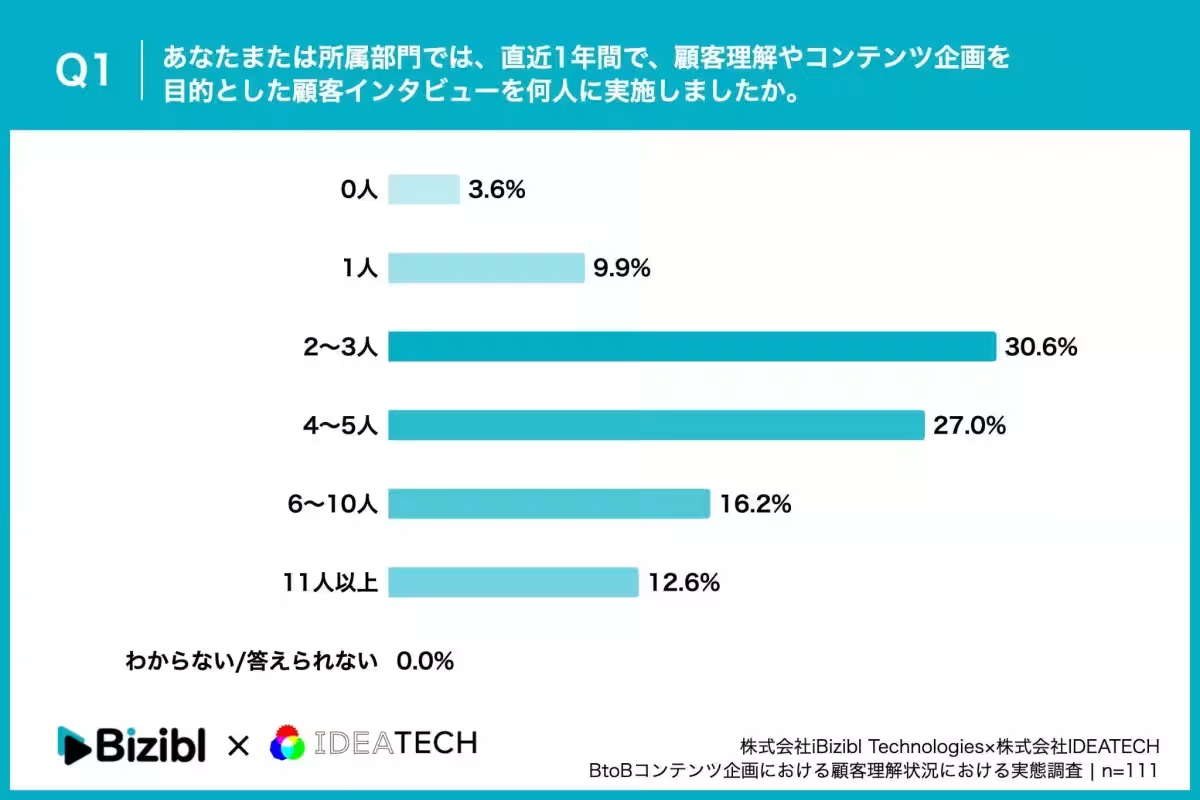
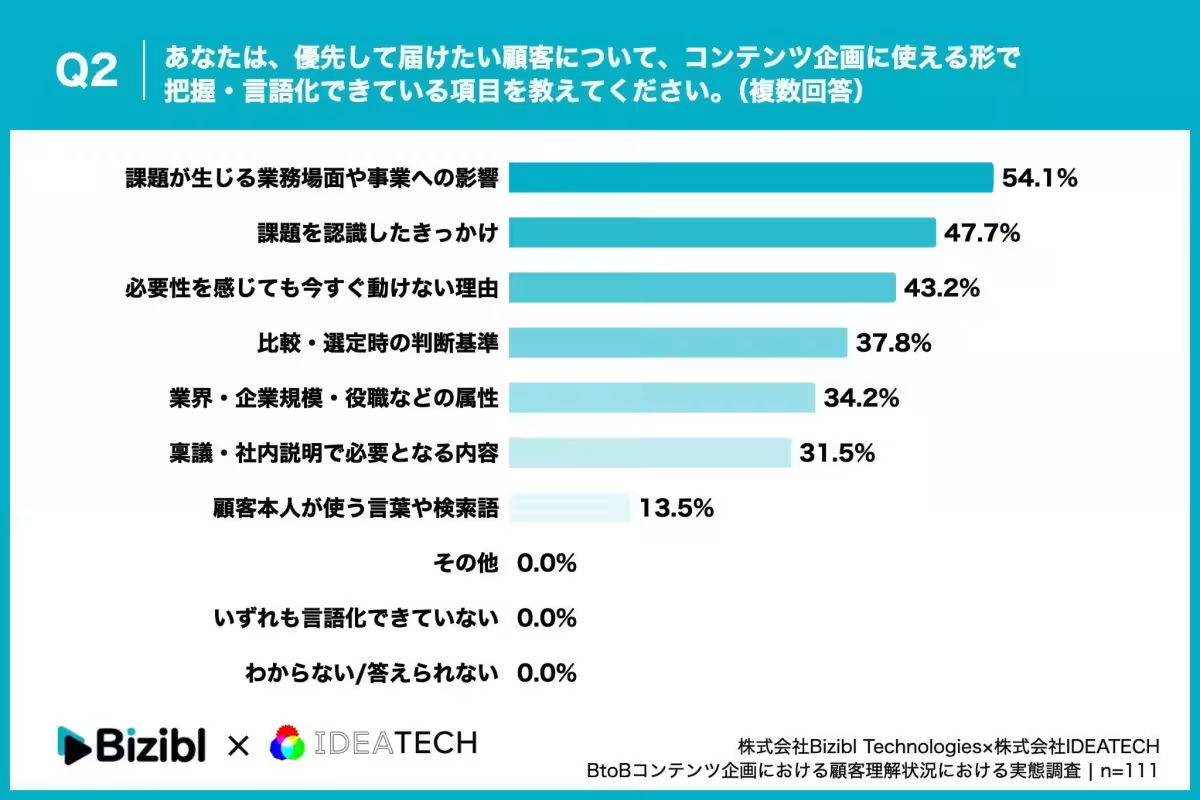
The survey indicated that about 44.1% of B2B marketers had conducted three or fewer customer interviews in the past year to understand their audience better. This lack of communication is reflected in their inability to articulate specific aspects regarding potential customers, noticeably with the statement that only 13.5% of marketers could use the actual search terms used by those customers.
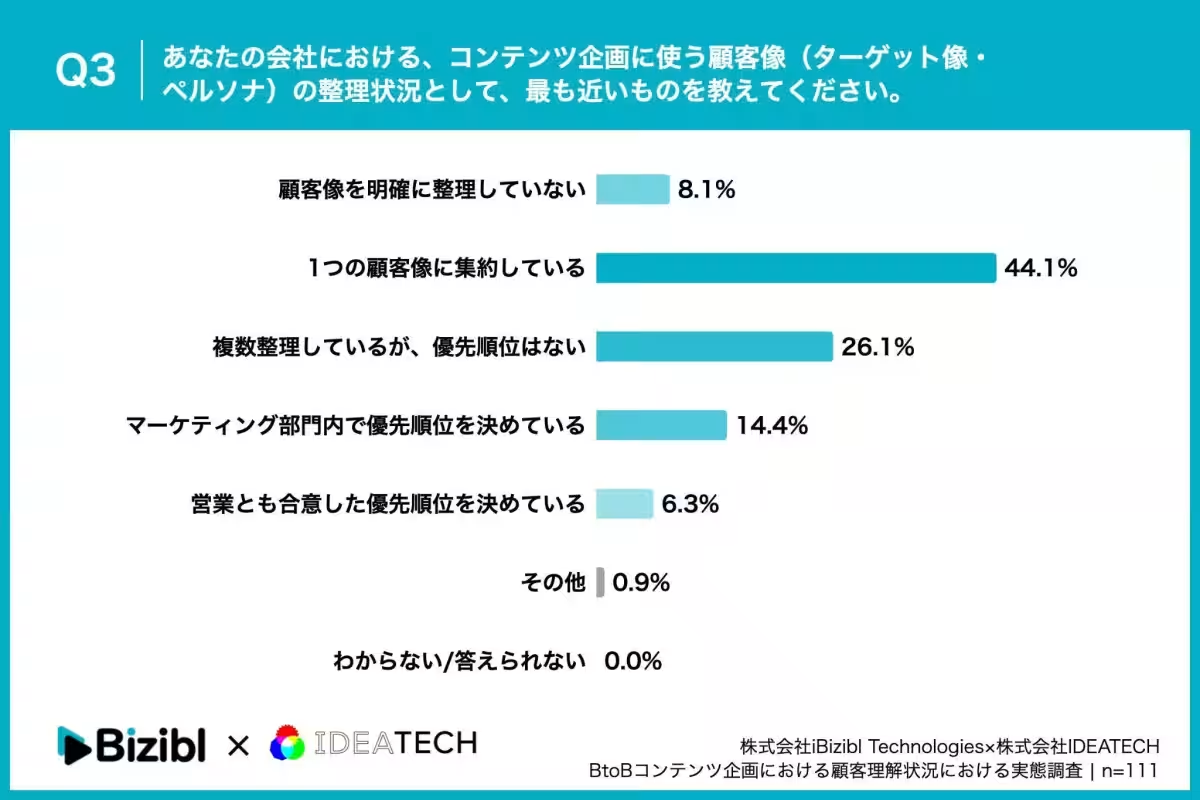
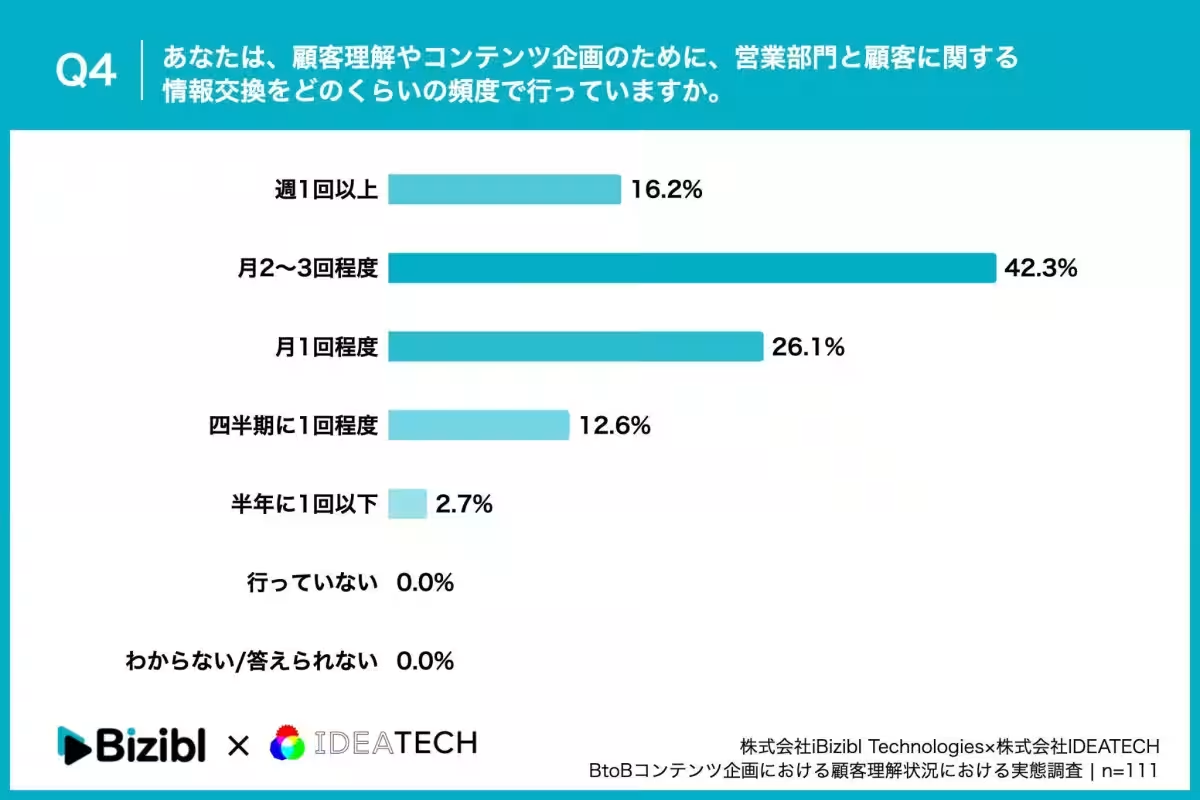
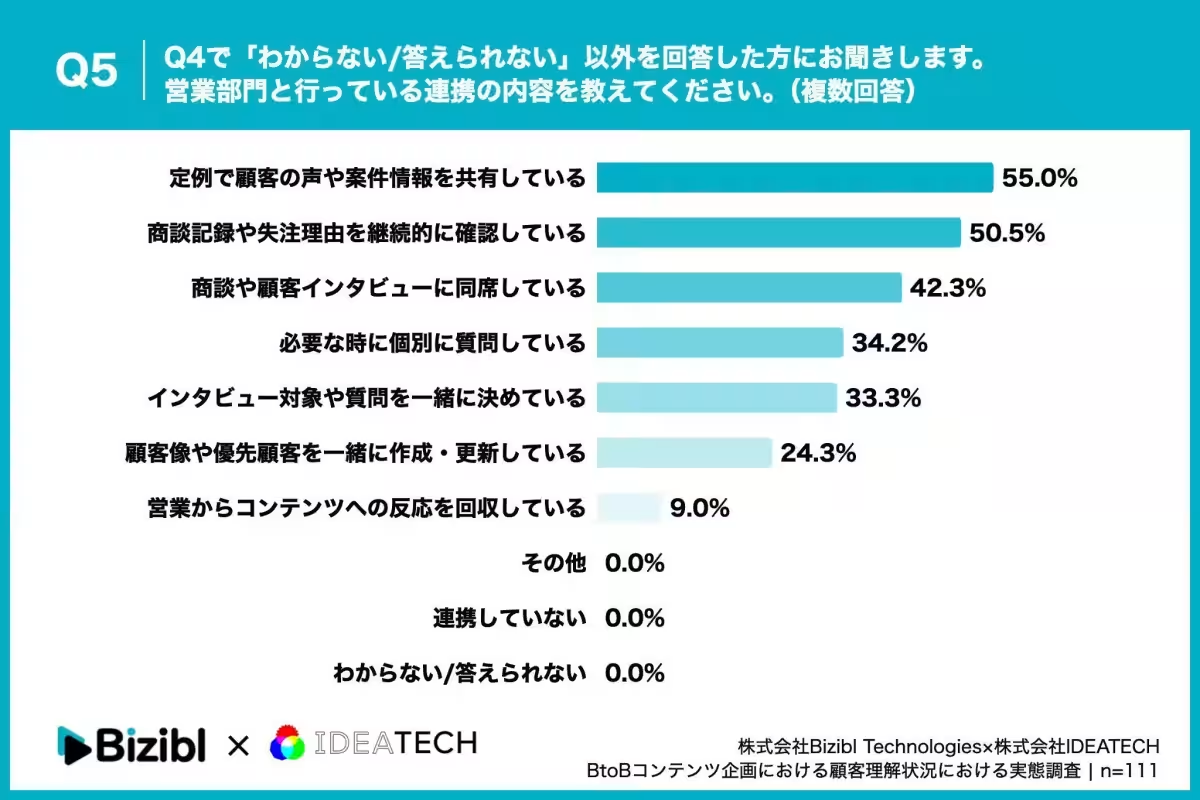
The survey also revealed a disconnect in the collaborative relationship between marketing and sales teams. While 84.6% of marketers reported exchanging information with their sales departments at least once a month, only 6.3% stated that they had co-developed customer personas with sales teams. This suggests inadequate integration between departments that could otherwise synergize understanding of client needs and pain points.
Information Sharing Challenges
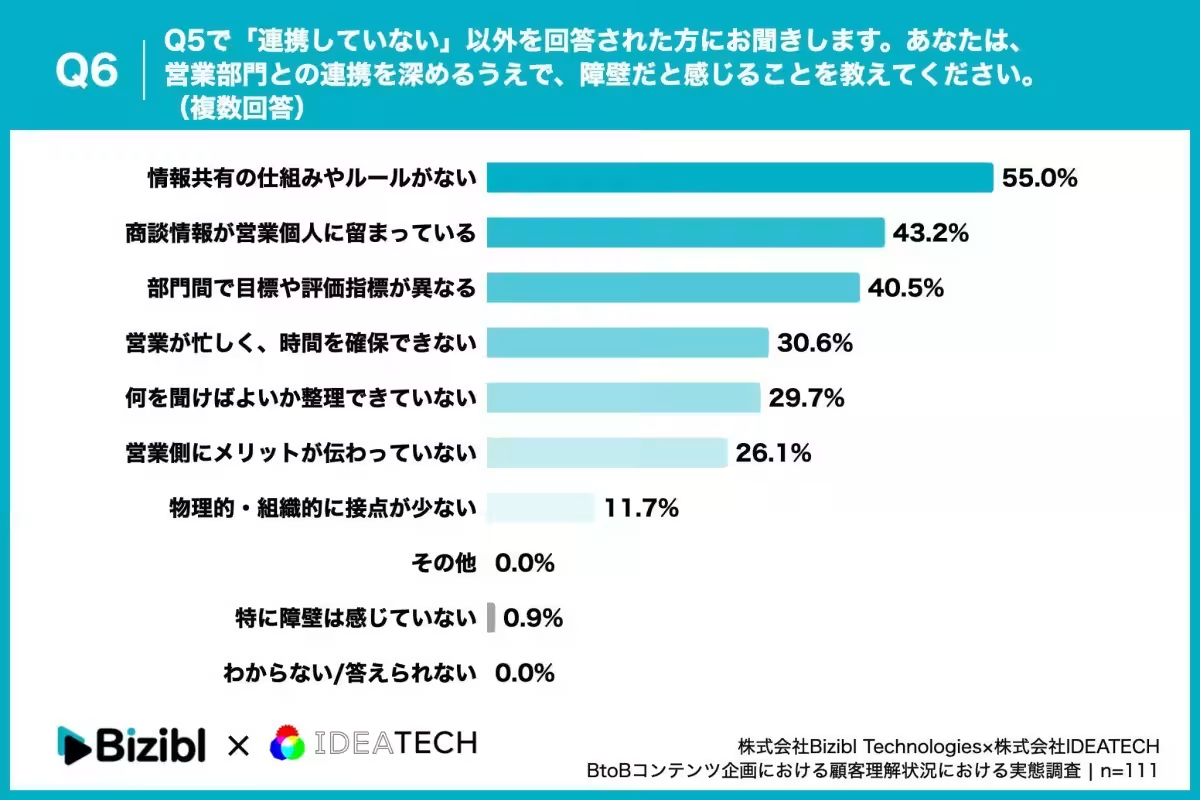
One of the most critical barriers identified in deepening collaboration was the absence of a structured method for information sharing—55% cited this as a primary obstacle. Many acknowledged that key data often remained isolated within individual sales personnel, limiting its usability for broader marketing purposes. Additionally, there were mentions of discrepancies in objectives and metrics between departments, leading to further complicating factors in achieving unified goals.
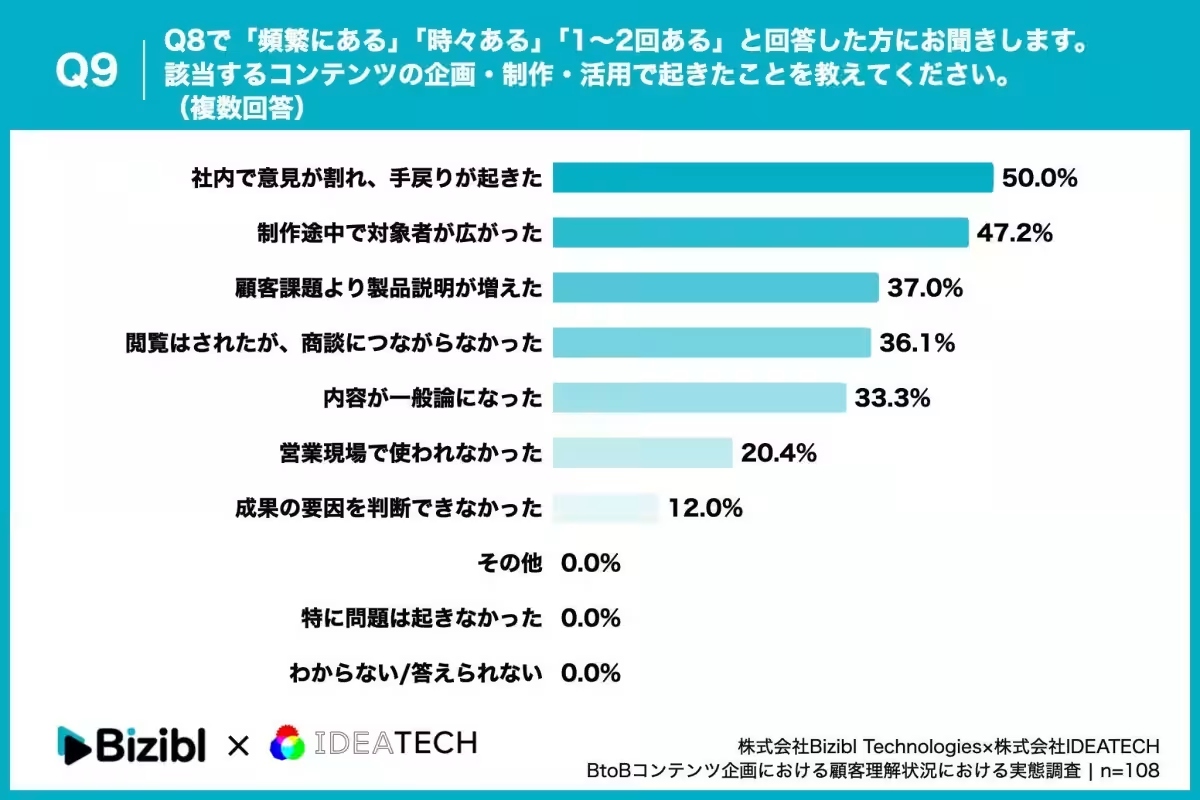
As a consequence of this insufficient collaboration, 50% of marketers experienced internal disagreements and necessary revisions in their projects. These revisions often arise from vague objectives and unclear customer profiles, pushing teams to backtrack and refine content that could have been more effective if developed collaboratively from the beginning.
Moving Forward: The Need for Clarity
The insights from this survey signal an urgent need for B2B marketers to enhance their understanding of their target audience before beginning the content production process. It’s clear that customer interview limitations and an unclear delineation of customer personas result in frequent issues such as increased generalizations in content and lower alignment with actual customer needs.
Moving ahead, companies must implement strategies that raise customer understanding within their marketing efforts. This could mean devising systems that not only facilitate regular interactions between sales and marketing but also cultivate a shared understanding of customer profiles between departments. By breaking down these silos and fostering collaboration, companies can surely enhance the relevance and effectiveness of their marketing content.
Conclusion
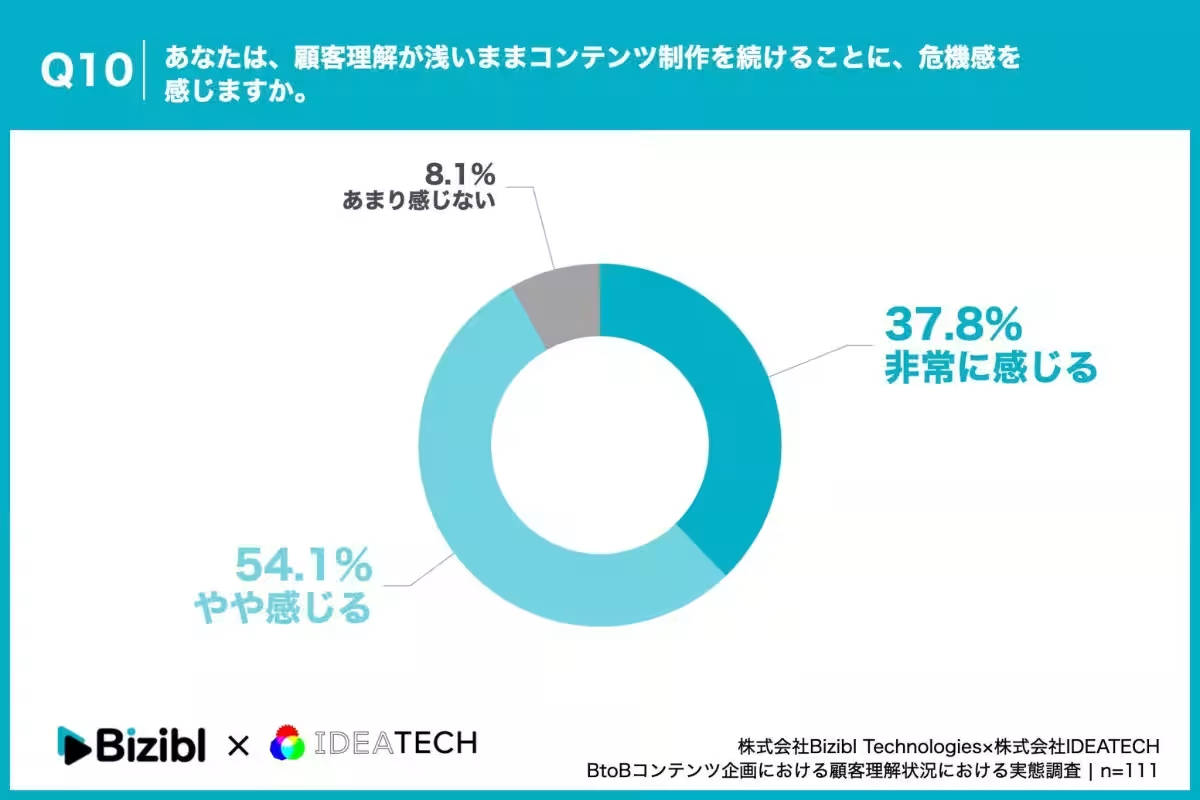
In summary, the current landscape of B2B marketing reveals that marketers generally feel a sense of urgency regarding their need for better customer understanding. With 91.9% expressing that they feel anxious about continuing content production with limited customer insight, it’s clear that the landscape is evolving. Companies must adapt by placing a stronger emphasis on audience engagement, careful structuring of their content strategy, and coherent collaboration across departments.
The full research findings are available for download here. This will serve as a resource for firms looking to better understand their market environment and develop winning content strategies based on true customer understanding.
To address these challenges, IDEATECH and Bizibl will be hosting a webinar titled "Creating Resonant Content with High Customer Insight" from August 18 to August 20, 2026, aimed at exploring practical methods for enhancing content strategy beginning from deep customer understanding.

Topics Business Technology)
【About Using Articles】
You can freely use the title and article content by linking to the page where the article is posted.
※ Images cannot be used.
【About Links】
Links are free to use.