



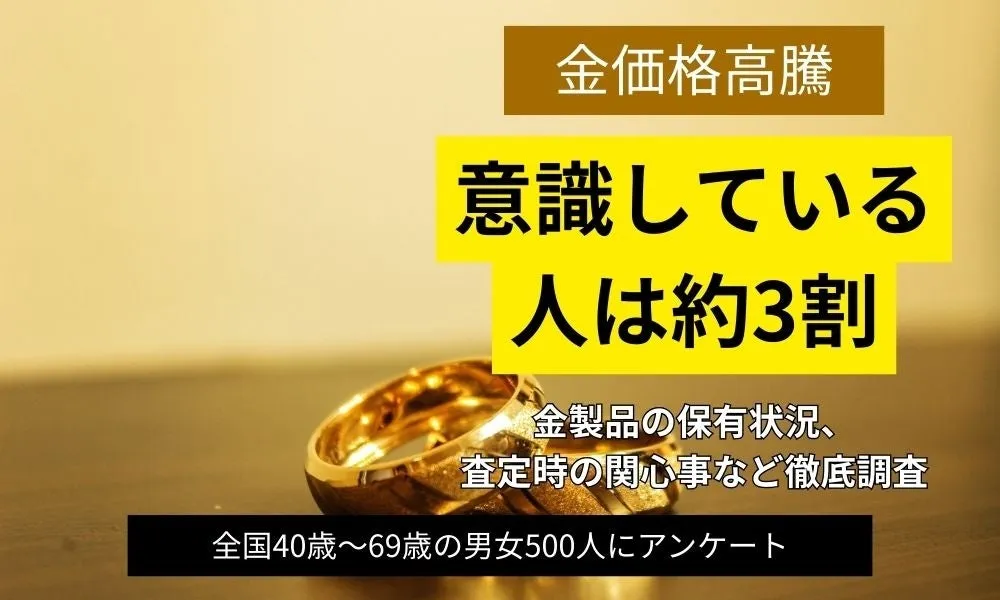
Rising Gold Prices Leave Many Japanese Hesitant to Sell
In recent years, gold prices have been a focal point of news and economic discussions, signaling a heightened interest in this safe-haven asset. However, despite this growing attention, a significant number of Japanese citizens remain hesitant to sell their gold jewelry or investment pieces. To explore this phenomenon, a joint survey was conducted by the gold buying service Torafuku and Plus-T Co., involving 500 men and women aged 40 to 69 from across Japan. The findings reveal fascinating insights into consumer psychology concerning gold ownership and sales.
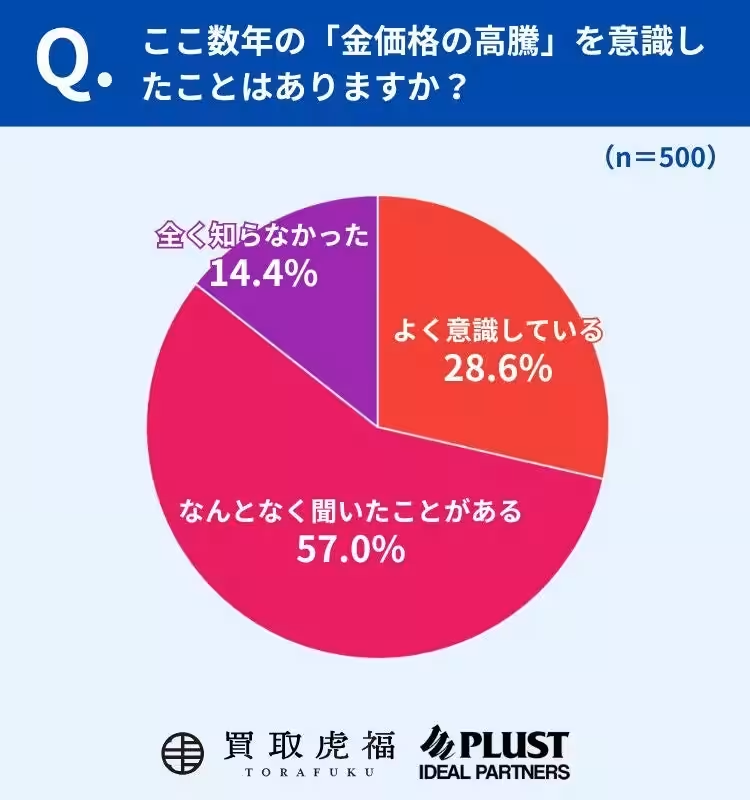
When asked about their awareness of the recent gold price spikes, only 28.6% of respondents reported that they were acutely aware, while 57.0% acknowledged a vague familiarity with the topic. Interestingly, 14.4% admitted to having no knowledge of the situation at all. This indicates a disparity: many might recognize that gold is a valuable asset, but few actively follow its price trends or consider it in personal financial planning. Compared to stocks and foreign currencies, gold still does not appear to resonate deeply with a large segment of the population as a personal financial asset.
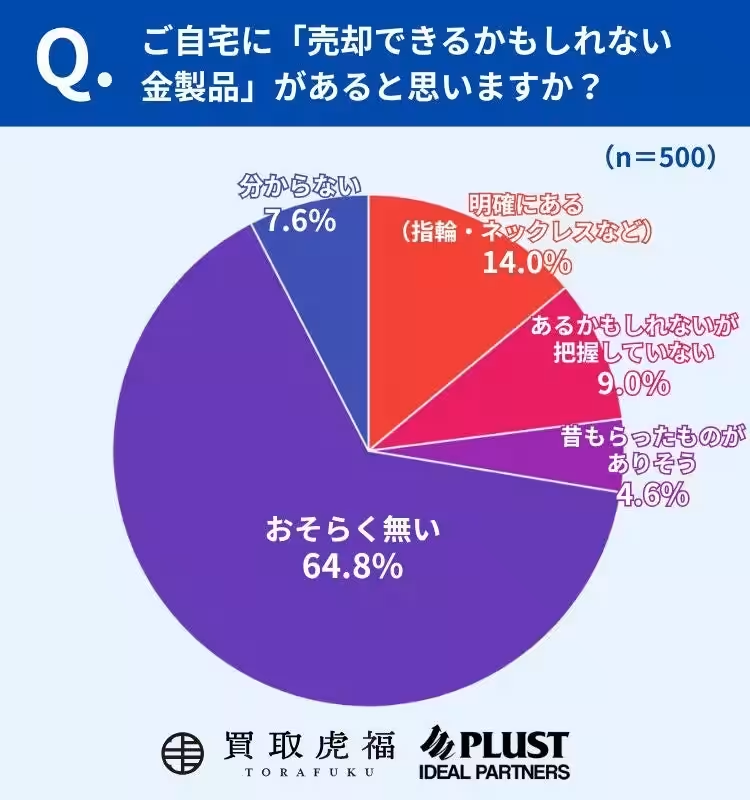
The survey further assessed whether participants believed they owned gold products that could be sold. Notably, 64.8% reported that they were likely not in possession of any sellable gold items. Even though a significant portion realized the increasing value of gold, they do not consider their personal belongings as potential assets. Only 14.0% confirmed they had identifiable gold items like rings or necklaces, while others speculated they might have some undiscovered pieces.
This disconnect suggests that while gold's rising value is common knowledge, many still do not associate it with their everyday lives. Psychological barriers and lack of awareness of what constitutes 'sellable' items contribute significantly to this phenomenon.
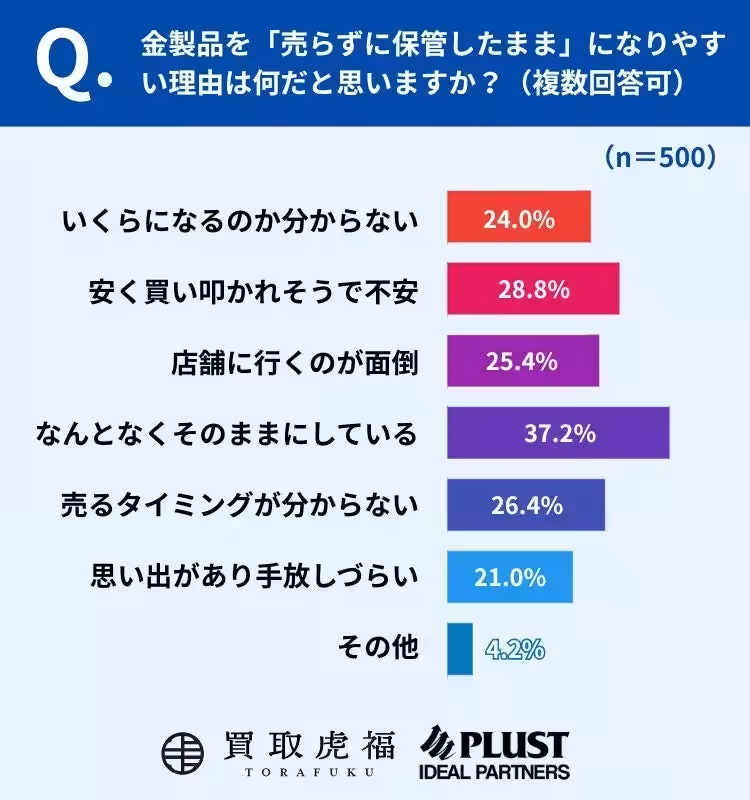
When queried about why they had not sold their gold products, the predominant reason given was simply that they were 'just keeping them' (37.2%). Many respondents cited concerns about being underpaid (28.8%) or uncertainty about when to sell (26.4%), along with the added inconvenience of having to visit a store (25.4%). Emotional reasons also played a part; 21.0% stated that the sentimental value attached to their gold made it difficult to part with.
These findings reveal a complex picture: while financial anxieties exist regarding the potential value of gold products, emotional attachments weigh heavily on decisions. People seem caught between the desire to capitalize on rising prices and the comfort of keeping possessions close.
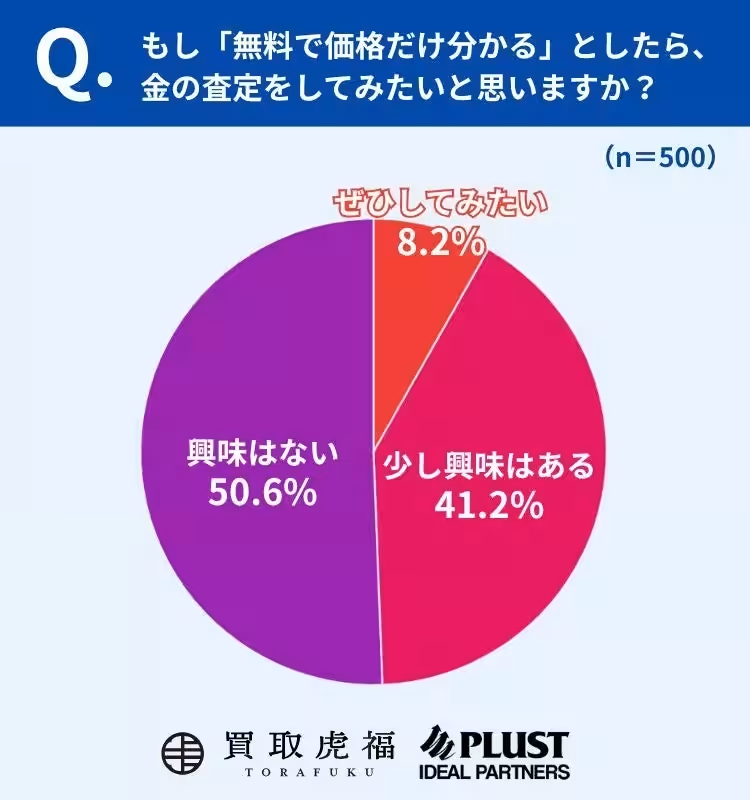
Despite the ambivalence about selling, 49.4% of those surveyed expressed interest in having their gold assessed for free, showing a desire to know their asset's worth. However, an almost equal portion (50.6%) indicated disinterest, highlighting a split among consumers regarding engagement with the gold market.
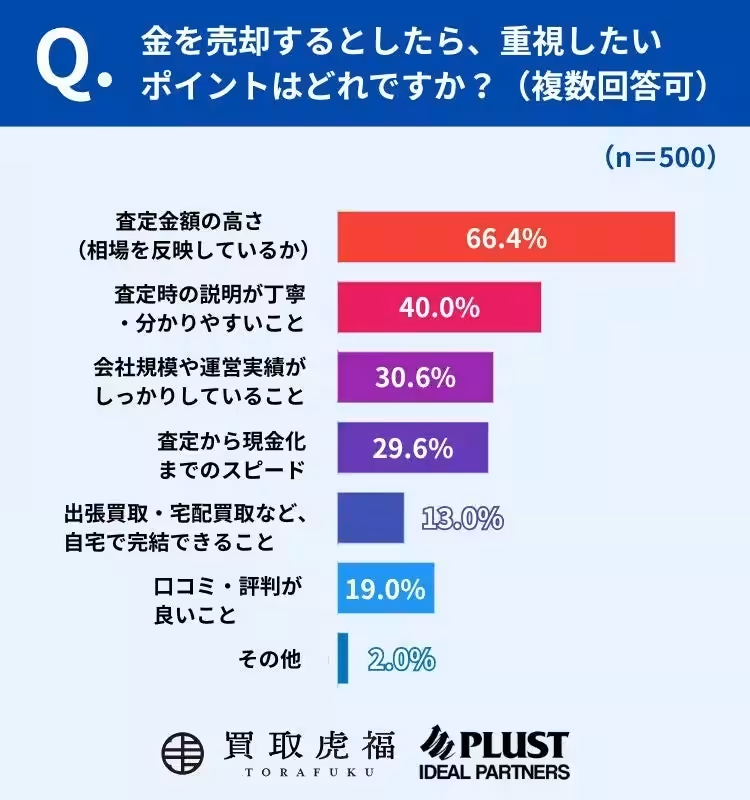
Respondents indicated that when it comes time to sell, the most critical factor would be the valuation received (66.4%), followed by the clarity and transparency of the appraisal process (40.0%). These results underline that while many are tentative about selling, the potential for a favorable price remains an enticing draw.
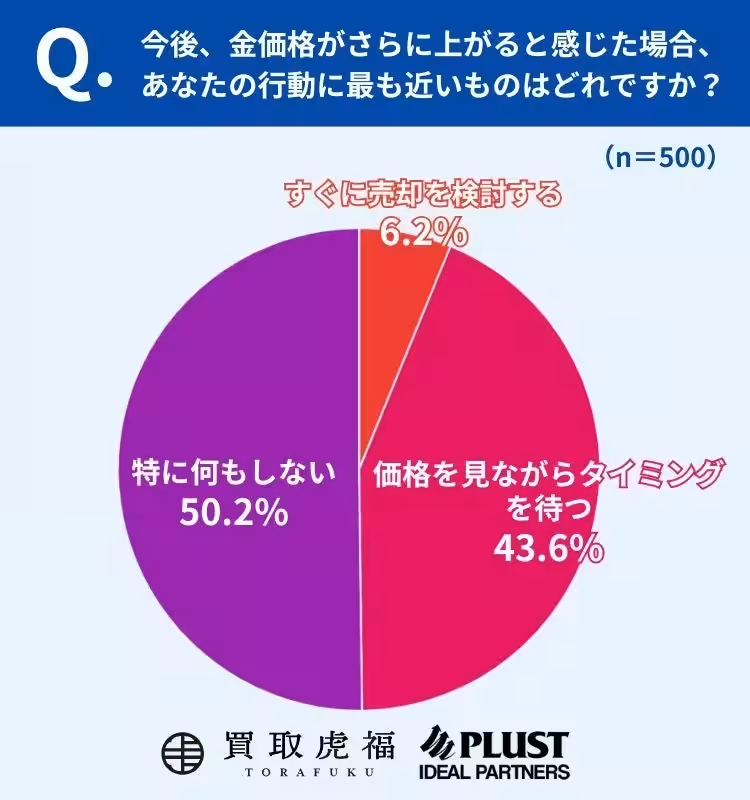
Interestingly, when asked about their possible actions should gold prices rise further, 50.2% indicated they would do nothing, while 43.6% preferred to wait and see how prices fluctuate. Only a mere 6.2% felt inclined to sell immediately. This reflects a cautious mindset among consumers, underscoring that expectations about where gold prices might go next play a critical role in their decision-making process.
The survey findings exhibit a paradox: although gold prices are climbing and awareness is growing, actual selling behavior remains tepid. The Japanese populace appears to be weighing value against emotional significance, resulting in a significant hesitation to act on selling gold despite its potential worth.
As the dynamics around gold pricing and consumer sentiment evolve, understanding this psychological complexity could offer valuable insights into future market behavior and consumer engagement with gold as an asset class.
The results signal potential opportunities for the gold buying industry: simplifying the process of evaluation, enhancing emotional reassurances, and providing clear communication could convert many hesitants into sellers, reshaping how gold is perceived as an investment in Japan.
Awareness of Gold Price Surge
When asked about their awareness of the recent gold price spikes, only 28.6% of respondents reported that they were acutely aware, while 57.0% acknowledged a vague familiarity with the topic. Interestingly, 14.4% admitted to having no knowledge of the situation at all. This indicates a disparity: many might recognize that gold is a valuable asset, but few actively follow its price trends or consider it in personal financial planning. Compared to stocks and foreign currencies, gold still does not appear to resonate deeply with a large segment of the population as a personal financial asset.
Gold Holdings At Home
The survey further assessed whether participants believed they owned gold products that could be sold. Notably, 64.8% reported that they were likely not in possession of any sellable gold items. Even though a significant portion realized the increasing value of gold, they do not consider their personal belongings as potential assets. Only 14.0% confirmed they had identifiable gold items like rings or necklaces, while others speculated they might have some undiscovered pieces.
This disconnect suggests that while gold's rising value is common knowledge, many still do not associate it with their everyday lives. Psychological barriers and lack of awareness of what constitutes 'sellable' items contribute significantly to this phenomenon.
Reasons for Inaction on Selling Gold
When queried about why they had not sold their gold products, the predominant reason given was simply that they were 'just keeping them' (37.2%). Many respondents cited concerns about being underpaid (28.8%) or uncertainty about when to sell (26.4%), along with the added inconvenience of having to visit a store (25.4%). Emotional reasons also played a part; 21.0% stated that the sentimental value attached to their gold made it difficult to part with.
These findings reveal a complex picture: while financial anxieties exist regarding the potential value of gold products, emotional attachments weigh heavily on decisions. People seem caught between the desire to capitalize on rising prices and the comfort of keeping possessions close.
Interest in Valuation
Despite the ambivalence about selling, 49.4% of those surveyed expressed interest in having their gold assessed for free, showing a desire to know their asset's worth. However, an almost equal portion (50.6%) indicated disinterest, highlighting a split among consumers regarding engagement with the gold market.
Key Factors for Selling Decisions
Respondents indicated that when it comes time to sell, the most critical factor would be the valuation received (66.4%), followed by the clarity and transparency of the appraisal process (40.0%). These results underline that while many are tentative about selling, the potential for a favorable price remains an enticing draw.
The Path Forward
Interestingly, when asked about their possible actions should gold prices rise further, 50.2% indicated they would do nothing, while 43.6% preferred to wait and see how prices fluctuate. Only a mere 6.2% felt inclined to sell immediately. This reflects a cautious mindset among consumers, underscoring that expectations about where gold prices might go next play a critical role in their decision-making process.
Conclusion
The survey findings exhibit a paradox: although gold prices are climbing and awareness is growing, actual selling behavior remains tepid. The Japanese populace appears to be weighing value against emotional significance, resulting in a significant hesitation to act on selling gold despite its potential worth.
As the dynamics around gold pricing and consumer sentiment evolve, understanding this psychological complexity could offer valuable insights into future market behavior and consumer engagement with gold as an asset class.
The results signal potential opportunities for the gold buying industry: simplifying the process of evaluation, enhancing emotional reassurances, and providing clear communication could convert many hesitants into sellers, reshaping how gold is perceived as an investment in Japan.
Topics Consumer Products & Retail)
【About Using Articles】
You can freely use the title and article content by linking to the page where the article is posted.
※ Images cannot be used.
【About Links】
Links are free to use.